
Alpha-Chloralose Toxicity In Pets: Guide For Pet Owners
Understanding the risks, symptoms, and life-saving treatments for alpha-chloralose poisoning in cats and dogs.
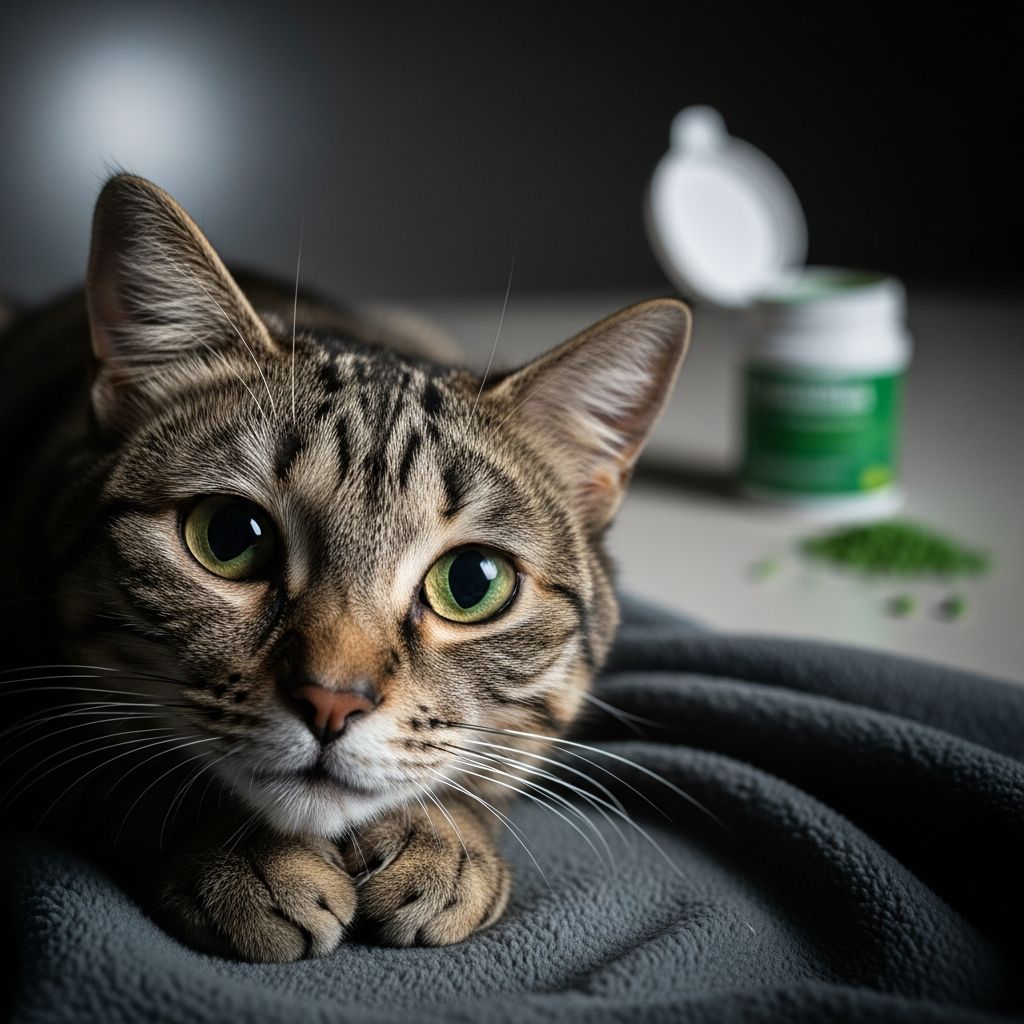
Alpha-chloralose is a chemical compound employed in rodenticides to control pest populations, yet it presents substantial risks to household pets, particularly cats. This substance induces a spectrum of neurological disturbances by influencing the central nervous system (CNS), resulting in symptoms that range from mild disorientation to life-threatening coma. Pet owners and veterinarians must recognize these dangers to facilitate prompt intervention and enhance survival rates.
The Nature and Application of Alpha-Chloralose
Alpha-chloralose functions as a sedative-hypnotic agent, primarily targeting rodents through CNS depression at higher doses while eliciting excitatory responses at lower levels. It is formulated into baits or granules scattered in areas plagued by mice and rats. Upon ingestion, the compound metabolizes into chloral and trichloroethanol, which disrupt normal neural activity. This dual action—stimulation followed by sedation—complicates its toxic profile in non-target species.
In veterinary contexts, alpha-chloralose has historical use in experimental anesthesia, administered at controlled doses like 25-100 mg/kg intravenously or 5 mg/kg/hour via continuous infusion. However, accidental exposure far exceeds these therapeutic thresholds, leading to poisoning in companion animals.
Routes of Exposure for Companion Animals
Cats and dogs encounter alpha-chloralose mainly through two pathways: direct consumption of bait or secondary ingestion via poisoned prey, known as relay toxicosis. Cats, being natural hunters, frequently fall victim to the latter, with radiographic evidence often revealing rodent carcasses in their stomachs. Indoor cats are not immune if bait is accessible indoors. Dogs may directly ingest granules during outdoor activities.
Seasonal patterns emerge, with peaks in cooler months from September to April when rodent activity surges and baiting intensifies. Awareness of local pest control practices is crucial for pet owners in affected regions.
Species-Specific Vulnerabilities
Cats exhibit heightened sensitivity to alpha-chloralose compared to dogs or its intended rodent targets. Key toxicity benchmarks include:
| Species | Minimum Lethal Dose (mg/kg, PO) |
|---|---|
| Cats | 100 |
| Dogs | 600-1000 |
| Mice | 300 |
| Rats | 400 |
| Humans | >1000 |
Birds like crows (42 mg/kg) and starlings (76 mg/kg) show even greater susceptibility. These differences stem from variations in metabolism and CNS receptor interactions.
Recognizing Clinical Manifestations
Toxic effects manifest rapidly, often within 15 minutes to 2 hours post-exposure. Initial excitatory phases give way to depressive states, with signs persisting 1-3 days. Common presentations in cats include:
- Ataxia: Unsteady gait, observed in 100% of confirmed cases.
- Tremors: Muscle fasciculations, universal in affected cats.
- Cranial nerve deficits: Vision impairment predominant, affecting over 60%.
- Hyperesthesia: Exaggerated pain responses.
- Bradycardia: Slow heart rate (<80 bpm) in 80%.
- Somnolence: Excessive drowsiness, 80% prevalence.
Less frequent but severe signs encompass hypothermia (<35°C), stupor, behavioral alterations, respiratory depression, hypotension, coma, and seizures. Unlike prior reports emphasizing coma and seizures, recent feline cohorts display milder profiles, with seizures in only 8%.
Assessing Severity Levels
Veterinarians employ intoxication severity scores to guide care:
| Score | Description |
|---|---|
| Mild (1) | Ambulatory with ataxia, tremor, or <5 mild signs. |
| Moderate (2) | Non-ambulatory but responsive. |
| Severe (3) | Severe signs plus >5 clinical features (excluding score 4 criteria). |
| Very Severe (4) | Coma, seizures, apnea, or severe vital sign derangements (e.g., systolic BP <80 mmHg, HR <80 bpm, RR <10/min, temp <35°C). |
Scores correlate strongly with serum alpha-chloralose concentrations (r=0.74, p<0.0001). Mild to severe cases predominate, with very severe rarer.
Differential Diagnosis Challenges
Alpha-chloralose poisoning mimics other neurological emergencies like trauma, infectious encephalitis, metabolic derangements, or alternative intoxications (e.g., permethrin, metronidazole). Acute onset, seasonal context, and hunting history raise suspicion. Diagnostic imaging may reveal gastric rodent remnants, while serum analysis confirms toxin presence.
Critical Treatment Strategies
Immediate veterinary attention is paramount. Core interventions focus on stabilization:
- Decontamination: Emesis induction if within 2 hours and asymptomatic; activated charcoal for ongoing adsorption.
- CNS Management: Anticonvulsants (diazepam, phenobarbital) for seizures or tremors; minimize environmental stimuli for hyperesthesia.
- Thermoregulation: Active warming for hypothermia using blankets, warm fluids; avoid overheating.
- Cardiovascular/Respiratory Support: IV fluids for hypotension; oxygen supplementation if needed.
- Monitoring: Continuous vital signs, ECG for bradycardia; hospitalization typically <48 hours.
Prognosis excels with timely care—100% survival in recent confirmed feline cases, median stay 24 hours. Fatality rates near zero with prompt treatment.
Preventive Measures for Pet Safety
Proactive steps mitigate risks:
- Use alternative rodenticides or traps lacking alpha-chloralose.
- Secure baits in inaccessible pet-proof stations.
- Supervise outdoor pets; restrict hunting of rodents.
- Educate on seasonal hazards; contact poison control post-exposure.
Owners should note ingestion >20 mg/kg in dogs warrants evaluation.
Recent Research Insights
Studies from 2022-2024 highlight evolving understandings. A Swedish analysis of 25 cats confirmed milder presentations than earlier reports, challenging assumptions of high mortality. Multicenter data affirm relay toxicosis prevalence and supportive care efficacy.
Frequently Asked Questions (FAQs)
What should I do if my cat shows sudden tremors or wobbliness?
Seek emergency veterinary care immediately, especially if in rodent-prone areas. Mention potential alpha-chloralose exposure.
How long do symptoms last?
Typically 1-3 days with supportive treatment; full recovery expected.
Is alpha-chloralose poisoning fatal?
Rarely, if treated promptly; survival rates exceed 99% in confirmed cases.
Can dogs get this poisoning too?
Yes, but less sensitive; signs similar but higher dose threshold.
How is poisoning confirmed?
Serum toxicology analysis; clinical signs and history strongly suggestive.
References
- Alpha-chloralose poisoning in cats: clinical findings — Journal of Feline Medicine and Surgery Open Reports. 2022-09-14. https://pmc.ncbi.nlm.nih.gov/articles/PMC9510939/
- Alpha-Chloralose Toxicosis in Feline Patients: What to Know — Clinician’s Brief. 2024. https://www.cliniciansbrief.com/article/alpha-chloralose-toxicosis-cats-epa-treatment-diagnosis
- Alpha-chloralose poisoning in 25 cats: clinical picture and prognosis — Journal of Feline Medicine and Surgery Open Reports. 2024. https://journals.sagepub.com/doi/10.1177/1098612X241235776
- Alpha-chloralose Rodenticides — VPIS Global. 2021-11-05. https://www.vpisglobal.com/2021/11/05/alpha-chloralose-rodenticides/
- Alpha-Chloralose Poisoning in Animals — Merck Veterinary Manual. Recent update. https://www.merckvetmanual.com/toxicology/rodenticide-poisoning/alpha-chloralose-poisoning-in-animals
Similar Articles








Read full bio of Sneha Tete


