

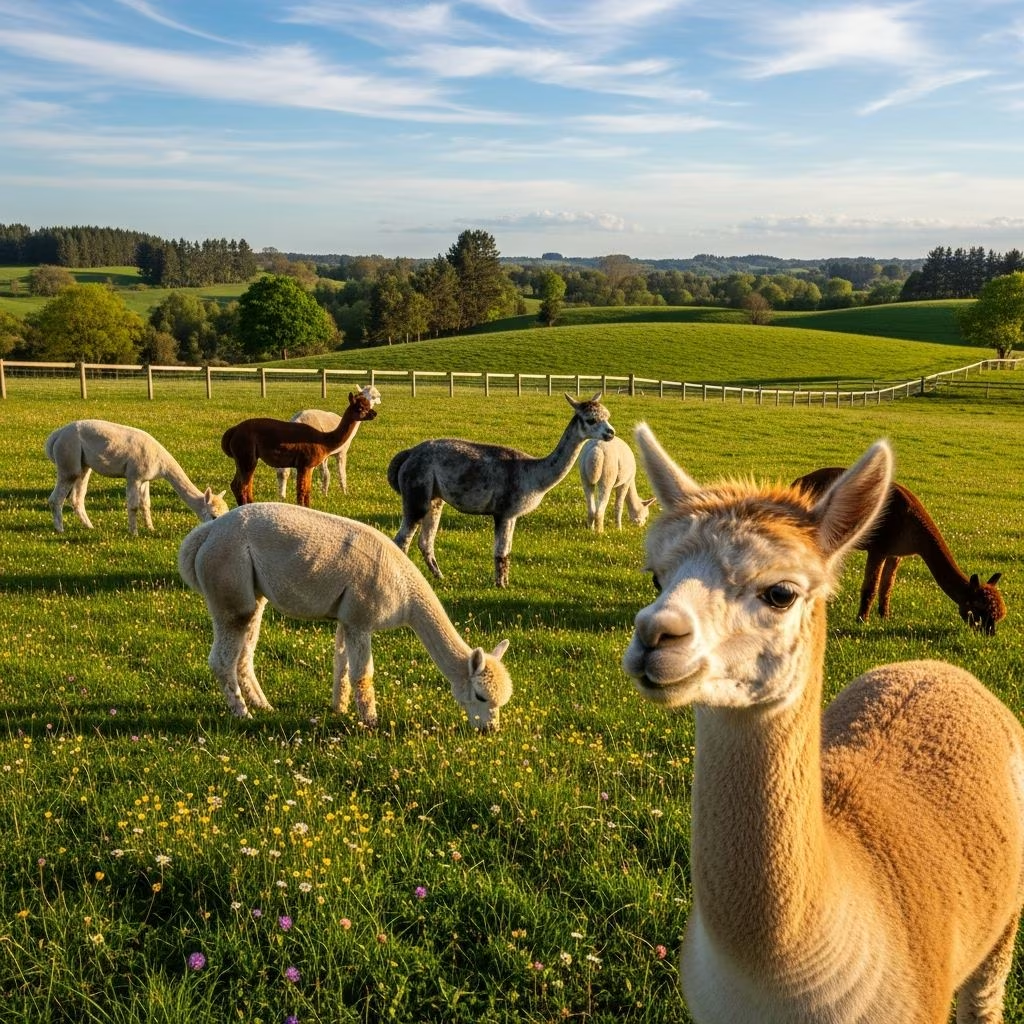
Alpacas have emerged as increasingly popular livestock for both small-scale and commercial farming operations. Their gentle temperament, relatively low maintenance requirements, and valuable fiber make them an attractive choice for farmers seeking sustainable agricultural pursuits. Whether you’re establishing your first alpaca herd or expanding an existing operation, understanding the fundamentals of alpaca husbandry is essential for success.
Understanding Your Land and Space Requirements
The foundation of any successful alpaca farm begins with adequate land management. Alpacas are remarkably efficient grazers compared to other livestock species, allowing farmers to maintain them on smaller acreage than would be required for cattle or horses. The conventional wisdom suggests allocating between 2 to 8 alpacas per acre of pasture, though this range depends significantly on several environmental and management factors.
Pasture quality plays a critical role in determining optimal stocking density. Land with abundant native grasses and healthy vegetation can support the higher end of this range with minimal supplementation. Conversely, pastures characterized by sparse grass coverage, weeds, or bare patches necessitate additional hay supplementation and warrant maintaining smaller herds. A farmer with 5 acres of excellent pasture might comfortably support 40 animals, while the same acreage of poor-quality grazing land would be better suited to 15-20 animals with consistent hay provision.
Beyond pasture considerations, proper fencing infrastructure is essential. Alpacas are not aggressive fence-challengers like goats or sheep. Instead, they prefer remaining within defined boundaries due to their herd-oriented nature and prey animal instincts. A three-rail fence design effectively contains alpacas while allowing visibility and airflow. Importantly, electric fencing and complex containment systems are unnecessary. The primary function of fencing is protecting alpacas from external predators rather than preventing escapes. Multiple pasture access points enhance operational efficiency, allowing farmers to rotate grazing areas and manage manure distribution effectively.
Shelter Infrastructure and Environmental Protection
Providing appropriate shelter protects alpacas from harsh weather while supporting their overall health and wellbeing. The specific shelter requirements vary based on geographic climate and seasonal temperature extremes.
In temperate regions with moderate winter conditions, a three-sided open shelter provides adequate protection. This structure shields alpacas from wind and precipitation while maintaining proper ventilation. Farmers in warmer climates may utilize similar three-sided designs year-round. However, regions experiencing severe winters, heavy snowfall, or extreme temperature fluctuations benefit from fully enclosed pole barns with adequate ventilation systems.
Space allocation within shelters should provide a minimum of 40 square feet per animal. This calculation ensures each alpaca has comfortable resting and standing room without excessive crowding. For a herd of five alpacas, a shelter measuring 10 by 20 feet (200 square feet total) meets these requirements precisely.
Bedding materials deserve careful consideration. Straw provides excellent insulation and comfort, particularly during winter months. However, avoid wood shavings, wood chips, or sand, which become trapped in alpaca fleece and cause fiber degradation. Fresh, dry straw should be provided regularly, with prompt removal of soiled bedding to prevent health complications. Maintaining clean, dry resting areas reduces disease risk and supports respiratory health.
Nutrition and Dietary Management
Understanding alpaca nutritional requirements is fundamental to maintaining healthy, productive animals. Alpacas consume approximately 2 to 3 pounds of forage daily, representing roughly 2 percent of their body weight. This relatively modest feed requirement contributes to their economic efficiency compared to larger livestock species.
Pasture-based nutrition forms the ideal foundation for alpaca feeding. High-quality grass pastures provide essential nutrients, vitamins, and minerals while allowing natural foraging behaviors. Alpacas are selective, preferential grazers that favor tender grass over coarse vegetation or weeds.
Year-round hay provision is essential, particularly in regions where seasonal pasture growth becomes limited. Hay should be offered on a free-choice basis, allowing alpacas to eat according to their individual nutritional needs. High-quality grass hay, free from mold and contamination, supports digestive health and overall wellbeing.
Water access requires year-round attention. Fresh, clean water should be continuously available to all animals. During freezing conditions, farmers must invest in heated water systems to prevent ice formation. Stock tank heaters or heated-bottom buckets, securely installed, ensure animals can access liquid water throughout winter months. Adequate hydration supports digestion, body temperature regulation, and general health maintenance.
Health Monitoring and Veterinary Care
Proactive health management prevents disease and ensures early intervention when problems develop. Regular health assessments should be conducted by qualified veterinarians familiar with alpaca medicine and husbandry.
Establishing relationships with local veterinarians experienced in alpaca care provides invaluable support. These professionals can evaluate pasture conditions, recommend nutrition adjustments, and identify potential health risks specific to your operation and geographic region. Annual health checks should include:
- Physical examinations assessing body condition and general health status
- Parasite screening through fecal analysis
- Dental evaluations, as alpacas require periodic tooth maintenance
- Vaccination protocols appropriate for your region and herd management style
- Reproductive health assessments for breeding animals
Observation of behavioral and physical changes allows early detection of potential problems. Animals exhibiting lethargy, appetite loss, lameness, or respiratory distress require prompt veterinary evaluation. Maintaining detailed health records for each animal facilitates trend identification and assists veterinarians in providing appropriate care.
Fiber Production and Animal Quality Assessment
Fiber quality significantly influences profitability and market value. Selecting alpacas with superior genetic potential and providing excellent husbandry practices work synergistically to maximize fiber quality and yield.
When acquiring alpacas for fiber production, prioritize animals of documented pedigree from established farms with strong breeding records. Genetic quality directly influences fiber characteristics including fineness, crimp definition, luster, and color consistency. High-quality animals command premium prices whether retained for fiber harvest or marketed as breeding stock.
Annual shearing provides the fiber harvest and removes fleece that insulates animals during warmer months. Professional shearing, typically performed once yearly in spring, ensures animal welfare and optimizes fiber quality. Proper shearing techniques prevent skin damage and maintain fleece integrity. The timing of shearing should align with seasonal temperature transitions, allowing animals to develop protective fleece as cold weather approaches.
Fiber assessment should evaluate micron count (fiber fineness), length, crimp, luster, and color consistency. Alpaca fiber typically ranges from 15 to 30 microns, with finer grades commanding higher market prices. Consistent fiber quality from year to year builds reputation and supports premium pricing strategies.
Manure Management and Soil Enhancement
Alpaca manure presents a valuable agricultural byproduct that enriches soil and supports sustainable farming practices. Unlike the hot manure of cattle or horses, alpaca manure contains lower heat characteristics and can be applied directly to gardens and agricultural areas without composting requirements.
The composting properties of alpaca manure make it particularly valuable for organic farming and sustainable land management. When incorporated directly into soil, it improves structure, increases water retention, and provides essential nutrients to plants. Many farmers create nutrient-rich solutions by allowing alpaca manure to soak in water, producing liquid fertilizers that can be applied to vegetable gardens and landscape plantings.
Establishing designated manure collection areas prevents pasture contamination and facilitates efficient harvesting. Clean manure piles can be managed strategically to provide valuable resources for composting operations or direct soil amendment. This aspect of alpaca farming supports circular economy principles and reduces dependence on synthetic fertilizers.
Herd Composition and Initial Sizing
Determining appropriate herd size represents an important early decision for new alpaca farmers. Alpacas are inherently social animals requiring companionship for psychological wellbeing. Isolation causes stress and behavioral problems, making minimum herd sizes important for animal welfare.
Beginning farmers should start conservatively with 3 to 8 animals. This range provides sufficient herd size for social interaction while remaining manageable for learning alpaca care, behavior patterns, and fiber management. Smaller initial herds allow farmers to develop skills and understanding before expanding operations.
The quality versus quantity principle should guide purchasing decisions. Several high-quality alpacas with superior genetics and fiber characteristics will generate better returns than larger herds of average animals. Prioritizing genetic quality, health status, and temperament during initial purchases establishes foundations for successful long-term operations.
Building Market Channels and Commercial Success
Developing reliable market channels for alpaca fiber transforms production into profitable enterprise. Multiple marketing approaches accommodate different business models and farm scales.
Direct-to-consumer strategies through farm websites, social media platforms, and online marketplaces reach customers seeking high-quality, sustainable fiber products. Educational workshops hosted on the farm build community engagement and create brand loyalty among fiber enthusiasts and craft practitioners. Farm visits, shearing demonstrations, and fiber processing classes differentiate your operation and support premium pricing.
Collaboration with local artisans, fiber processors, and craftspeople expands product offerings and market reach. Partnerships with yarn producers and textile makers transform raw fiber into finished goods. Farmers’ markets, craft fairs, and regional agricultural events provide venues for direct customer interaction and product sales.
Developing a distinctive farm brand communicates your commitment to quality, sustainability, and animal welfare. Storytelling about your farming practices, environmental stewardship, and community involvement resonates with consumers increasingly motivated by these values.
Frequently Asked Questions
What is the minimum land requirement for starting an alpaca farm?
A good rule of thumb is 2 to 8 alpacas per acre, depending on pasture quality and your willingness to supplement hay. For beginners, starting with approximately one acre for 3 to 5 animals allows proper herd management without excessive feed supplementation on quality pasture.
How much does it cost to feed alpacas annually?
Feeding costs vary by region and pasture quality. Alpacas consuming primarily pasture have minimal supplemental costs. With hay supplementation, annual feeding expenses typically range from $200 to $500 per animal, considerably less than larger livestock species.
Can alpacas survive in cold climates?
Yes, alpacas adapt well to cold climates due to their thick, insulating fleece. They require adequate shelter, clean water systems that don’t freeze, and consistent hay provision during winter. Their natural fiber provides excellent cold-weather protection.
How often should alpacas be sheared?
Annual shearing in spring is standard practice. This timing removes winter fleece as temperatures warm, promoting animal comfort while providing valuable fiber harvest. Consistent annual schedules support fiber quality and animal welfare.
What veterinary care do alpacas need?
Annual health examinations by experienced veterinarians are essential. Routine care includes parasite screening, dental evaluations, vaccination programs appropriate for your region, and reproductive health assessments for breeding animals. Establish relationships with veterinarians familiar with alpaca medicine.
Conclusion: Sustainable Alpaca Agriculture
Successful alpaca farming combines proper infrastructure, attentive animal husbandry, and strategic market development. By understanding land requirements, providing appropriate shelter and nutrition, implementing health monitoring protocols, and developing fiber marketing channels, farmers can establish profitable, sustainable operations. Starting conservatively with high-quality animals, maintaining detailed records, and continuously learning from experienced producers creates foundations for long-term success. Whether pursuing fiber production, breeding, or agritourism experiences, alpaca farming offers rewarding opportunities for farmers committed to sustainable agricultural practices.
References
- A Beginner’s Guide to Starting an Alpaca Fibre Farm — Green Gables Alpacas. 2024. https://greengablealpacas.com/en-us/blogs/farm-n-yarn/the-ultimate-guide-to-starting-an-alpaca-farm
- 7 Things You NEED To Get Started with ALPACAS — Old Redding Farm. 2020-09-13. https://www.youtube.com/watch?v=8aIRMRuJr1E
- Alpacas for Beginners — The Cape Coop. 2024. https://thecapecoop.com/alpacas-for-beginners/
- A Guide On How To Raise Healthy, Happy Alpacas — Azure Farm Life. 2024. https://www.azurefarmlife.com/farm-blog/caringforalpacas
- Raising Alpacas: A Short Guide on How You Can Take Care of Them — Alpaca Care Resources. 2024. https://www.youtube.com/watch?v=cDyx2RgdKhs
- How to start with alpacas — Inca Alpaca. 2024. https://www.incaalpaca.co.uk/alpaca-info/how-to-start-with-alpacas/
- Alpacas as a Business Considerations — Alpaca Info. 2024. https://www.alpacainfo.com/academy/alpacas-as-a-business



