

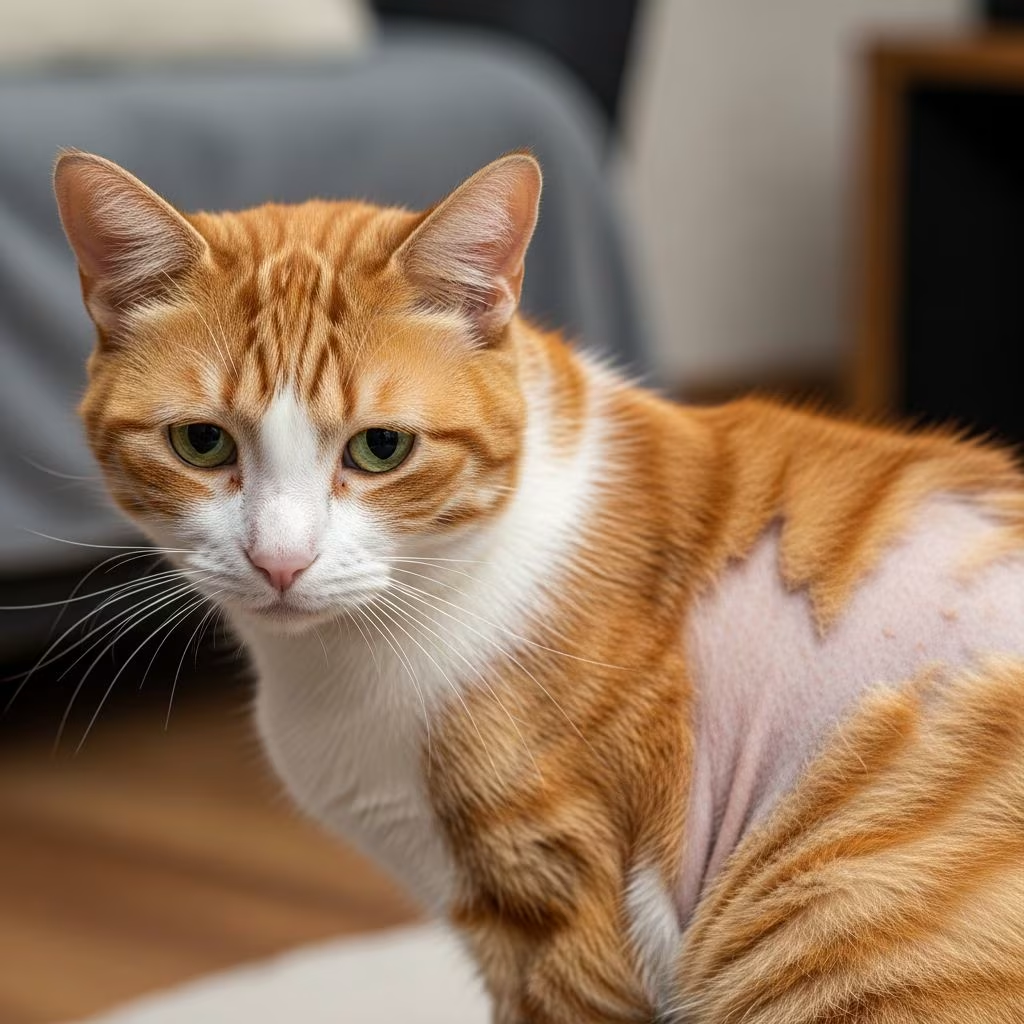
Hair loss in pets, known as alopecia, affects dogs and cats alike, often prompting concern among owners. This condition ranges from patchy bald spots to widespread thinning, stemming from diverse triggers like infections, allergies, hormones, or genetics. Early veterinary intervention is key to pinpointing the root cause and restoring coat health.
Recognizing Alopecia Symptoms in Your Pet
Spotting alopecia early helps prevent progression. In dogs, look for symmetric baldness on flanks, thighs, or tail base, sometimes with flaky skin or itchiness. Cats may show moth-eaten patterns on belly, legs, or sides, often from overgrooming. Non-itchy loss suggests endocrine or genetic issues, while scratching points to parasites or allergies.
- Patchy or diffuse thinning
- Scales, redness, or crusts
- Behavioral changes like excessive licking
- Secondary infections from scratching
Monitor coat changes alongside appetite, energy, and stool quality for a full picture.
Primary Causes of Hair Loss in Dogs
Dogs experience alopecia from multiple sources. Allergies to food, fleas, or environment cause inflammatory loss with itching. Endocrine disorders like hypothyroidism reduce hair growth hormones, leading to symmetric thinning. Parasites such as mites burrow into skin, creating focal baldness.
| Cause | Symptoms | Common Breeds |
|---|---|---|
| Allergies | Itchy, red patches | Retrievers, Bulldogs |
| Hypothyroidism | Dull coat, lethargy | Golden Retrievers |
| Demodectic Mange | Focal bald spots | Any, especially young |
Genetic conditions like Alopecia X halt hair cycles in breeds such as Pomeranians and Huskies, causing non-inflammatory loss without itch.
Hair Loss Patterns in Cats Explained
Cats often self-induce alopecia through psychogenic grooming or allergies. Flea allergies trigger intense biting, leading to ventral baldness. Fungal infections like ringworm create circular patches. Unlike dogs, cats rarely show endocrine alopecia but may have hyperthyroidism-linked thinning.
- Psychogenic: Stress-induced licking
- Parasitic: Localized scabs
- Infectious: Scaling circles
Indoor cats face higher psychogenic risks from boredom or anxiety.
Step-by-Step Diagnostic Process
Veterinarians start with history: age, breed, diet, grooming habits, and onset. Physical exams check symmetry—inflammatory (asymmetric, red) versus non-inflammatory (symmetric, smooth). Tools include skin scrapings for mites, cytology for bacteria/yeast, and trichograms for hair shaft flaws.
- Signalment and history review
- Dermatologic mapping
- Skin cytology/scrapings
- Blood tests for hormones
- Biopsy for genetics/inflammation
For focal non-inflammatory cases, rule out vaccines or injections first.
Treatment Strategies for Canine Alopecia
Tailor treatments to causes. Allergies need flea control, hypoallergenic diets, or antihistamines. Infections respond to antibiotics or antifungals. Endocrine issues require lifelong thyroid supplements.
For Alopecia X, melatonin (3mg every 8 hours) promotes regrowth in responsive dogs, tapering after 8-12 weeks. Trilostane at low doses manages some cases but risks Addison’s—monitor closely. Neutering intact dogs often aids hormonal balance.
Supportive care: moisturizing rinses, gentle shampoos, reduced bathing. Avoid harsh brushes on fragile skin.
Managing Feline Hair Loss Effectively
Cat treatments target overgrooming roots. Pheromones like Feliway calm stress groomers. Parasite meds such as Bravecto eliminate fleas. Antifungals treat ringworm. No cure for genetic dilutions, but supplements aid secondary issues.
| Treatment Type | Dosage/Method | Expected Outcome |
|---|---|---|
| Melatonin | 3mg PO TID | Regrowth in 8 weeks |
| Antibiotics | Vet-prescribed | Clear infections |
| Pheromones | Spray/diffuser | Reduce licking |
Diet tweaks with omega-3s support skin barrier.
Genetic and Congenital Hair Disorders
Color dilution alopecia hits blue/grey dilute breeds like Weimaraners, with breakage from melanin clumps. Black hair follicular dysplasia spares non-black hairs. No cures; manage with antibacterials, melatonin, retinoids like acitretin. Prevent breeding affected pets.
Alopecia areata mimics human autoimmune attack on follicles, rare in pets, with spontaneous or cyclosporine regrowth.
Prevention Tips for Healthy Pet Coats
Proactive steps minimize risks: monthly flea preventives, balanced diets rich in fatty acids, regular vet checks. Spay/neuter alters hormones beneficially. Enrich environments to curb stress grooming in cats.
- Flea control year-round
- Hypoallergenic foods if prone
- Gentle grooming routines
- Annual bloodwork for seniors
Common Questions About Pet Alopecia
What breeds are prone to Alopecia X?
Huskies, Pomeranians, Keeshonds, and Malamutes show high rates due to genetics.
Is hair regrowth guaranteed?
Not always; genetics like color dilution are permanent, but treatments restore in 70-90% of responsive cases.
Can diet alone fix alopecia?
Diet supports but doesn’t cure; address underlying issues first.
How long until improvement?
2-12 weeks for infections/meds; months for hormones.
Should I shave bald areas?
Avoid; it worsens fragile skin.
References
- Understanding and Treating Canine Alopecic Dermatoses — Today’s Veterinary Practice. 2023. https://todaysveterinarypractice.com/dermatology/understanding-and-treating-canine-alopecic-dermatoses/
- Alopecia X – Small and Large Animal Dermatology Handbook — University of Minnesota. 2024. https://open.lib.umn.edu/animaldermatology2/chapter/alopecia-x/
- Focal, non-inflammatory alopecia: A diagnostic, treatment challenge — dvm360. 2023. https://www.dvm360.com/view/focal-non-inflammatory-alopecia-diagnostic-treatment-challenge
- Alopecia Areata in a Dog: Clinical, Dermoscopic and Histological — PMC (PubMed Central). 2018-05-24. https://pmc.ncbi.nlm.nih.gov/articles/PMC5939680/
- Alopecia X in Dogs (Hair Cycle Arrest) — MedVet. 2024. https://www.medvet.com/alopecia-x-in-dogs-hair-cycle-arrest/



