

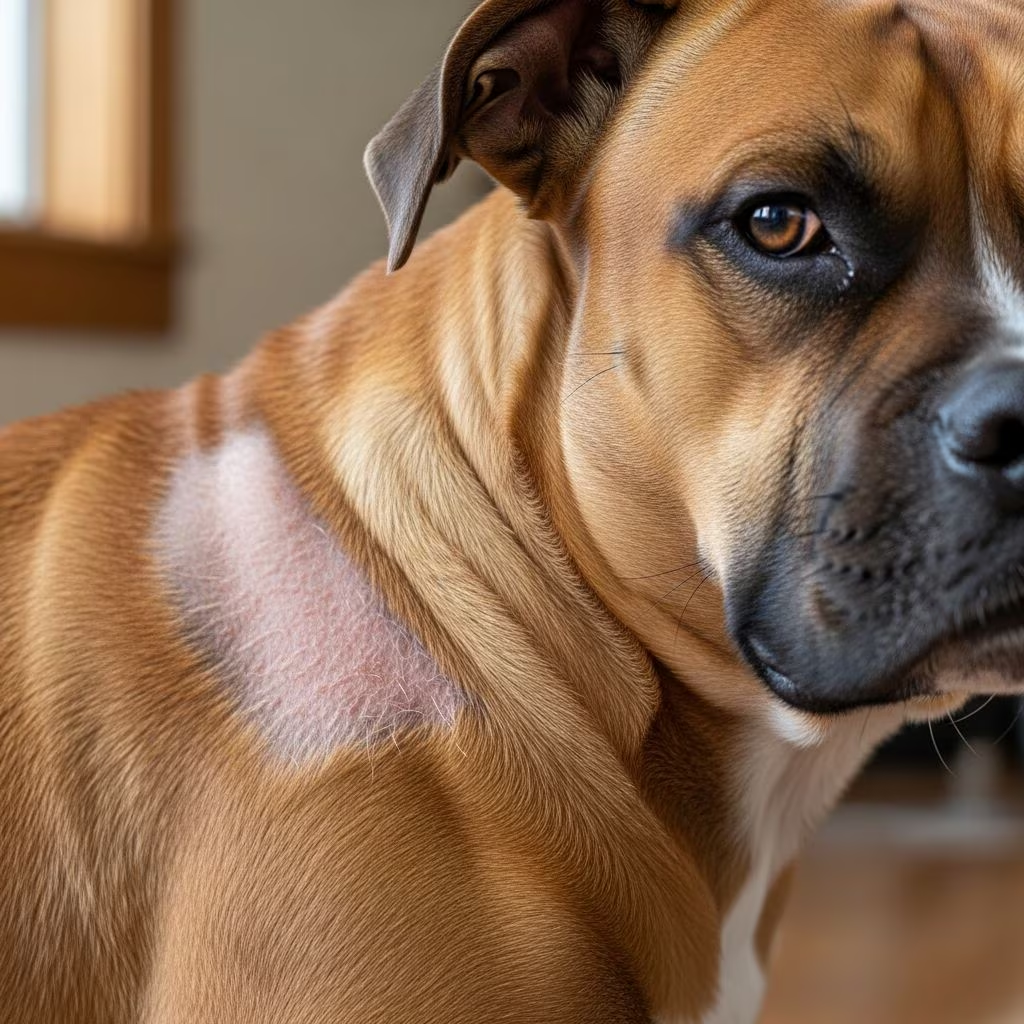
Alopecia, or hair loss in dogs, manifests as bald patches, thinning fur, or complete baldness in areas where hair normally grows. This condition can stem from various underlying issues, ranging from parasites and allergies to hormonal imbalances, and requires veterinary attention for proper diagnosis and management.
What Is Alopecia in Dogs?
Alopecia refers to the partial or complete absence of hair in areas where it is typically present. In dogs, it can appear as symmetric or asymmetric bald spots, with or without itching (pruritus). While often treatable, it signals an underlying problem that must be identified to prevent progression.
Types include inflammatory alopecia, which targets hair follicles due to infections or allergies, and non-inflammatory types linked to endocrine disorders like hypothyroidism. Puppies may show normal coats initially, with symptoms emerging later, as seen in genetic conditions.
Symptoms of Alopecia in Dogs
Common signs include patchy baldness, thinning coat, scaling, redness, or itchy skin. Hair loss may be localized (e.g., flanks) or generalized, symmetric (both sides) or asymmetric. Accompanying symptoms like excessive scratching, odor, or secondary infections indicate inflammation.
- Bald patches on flanks, tail, or back
- Thinning fur without bald spots
- Itchy, flaky, or red skin
- Over-grooming leading to saliva staining
- Seasonal hair loss in autumn, regrowing in 6-12 months
Distinguish from normal shedding: alopecia features distinct bald areas or rashes, unlike diffuse shedding.
Causes of Alopecia in Dogs
Hair loss arises from congenital, infectious, allergic, hormonal, or behavioral factors. Identifying the root cause is crucial for effective treatment.
Parasites
Fleas, mites (mange), lice, or ticks irritate skin, prompting scratching and hair loss. Mange causes patchy alopecia with crusting.
Allergies and Infections
Skin allergies (atopy, food) lead to over-grooming and bald spots. Bacterial infections (hot spots) or fungal issues like ringworm produce red, itchy patches.
Hormonal Disorders
Hypothyroidism or Cushing’s disease disrupts hair cycles, causing symmetric loss, often non-itchy. Alopecia X (hair cycle arrest) results in cosmetic baldness without inflammation, common in breeds like Pomeranians.
Genetic Conditions
Color dilution alopecia (CDA) affects dogs with blue or fawn dilute coats, causing patchy loss and flaky skin from ~6 months old due to follicle defects.
Other Causes
- Seasonal flank alopecia: Harmless bilateral flank baldness in fall.
- Alopecia areata: Immune-mediated, often spontaneous regrowth.
- Over-grooming from stress or pain; friction from collars; trauma or burns.
| Cause Category | Examples | Key Features |
|---|---|---|
| Parasitic | Fleas, mites | Itchy, patchy, crusty |
| Allergic/Infectious | Allergies, ringworm | Red, inflamed, pruritic |
| Hormonal | Hypothyroidism, Alopecia X | Symmetric, non-itchy |
| Genetic | CDA | Dilute coats, flaky skin |
| Seasonal/Behavioral | Flank alopecia, over-grooming | Cosmetic, stress-related |
Diagnosis of Alopecia in Dogs
Vets start with a history and skin exam, noting pattern, itchiness, and onset age. Diagnostics include:
- Skin scrapings/cytology for parasites/infections
- Fungal cultures for ringworm
- Hair plucks or biopsies for genetics/inflammation
- Blood/urine tests for hormones (thyroid, Cushing’s)
- Allergy trials or food elimination
For CDA, biopsy confirms follicle abnormalities. Dermoscopy aids alopecia areata diagnosis.
Treatment for Alopecia in Dogs
Treatment targets the cause, combining meds, topicals, and lifestyle changes. Most cases improve with intervention.
- Parasites: Antiparasitics (e.g., NexGard, dips)
- Infections: Antibiotics (e.g., cephalexin), antifungals (ketoconazole)
- Allergies: Antihistamines, steroids, hypoallergenic diets, immunotherapy
- Hormonal: Thyroid supplements, trilostane for Cushing’s
- CDA: Medicated shampoos, omega-3s, antibiotics for secondary issues
- Alopecia X/Seasonal: Melatonin for regrowth (cosmetic)
- General: E-collars to prevent licking, omega supplements for coat health
Avoid triggers like fleas; maintain clean environments.
Prevention of Alopecia in Dogs
Prevent via routine care: monthly flea/tick prevention, balanced diet, allergy management, and prompt vet checks for hair changes. Breeders should avoid dilute coat pairings for CDA risk. Regular grooming spots issues early.
When to See a Vet for Dog Hair Loss
Consult a vet if hair loss is sudden, spreading, itchy, or with skin changes/redness. Early intervention prevents complications like infections.
Frequently Asked Questions (FAQs)
Is alopecia in dogs permanent?
No, most cases are treatable; permanence is rare unless untreated genetic.
Can diet cause hair loss in dogs?
Yes, poor nutrition or allergies to ingredients can contribute.
What breeds are prone to CDA?
Dogs with dilute colors like blue Dobermans, Weimaraners, Italian Greyhounds.
Does seasonal alopecia need treatment?
No, it’s cosmetic; melatonin optional for regrowth.
How long does treatment take?
Varie; weeks for infections, months for hormonal.
References
- Color Dilution Alopecia in Dogs – CDA Causes & Treatments — Friendly Animal Clinic. 2023-10-31. https://www.greensboroncvet.com/site/friendly-animal-clinic-blog/2023/10/31/color-dilution-alopecia-treatment
- Hair loss (alopecia) in dogs — PDSA. N/A. https://www.pdsa.org.uk/pet-help-and-advice/pet-health-hub/symptoms/hair-loss-alopecia-in-dogs
- Dog Hair Loss (Alopecia): Causes, Treatment & Symptoms — Vetster. N/A. https://vetster.com/en/symptoms/dog/hair-loss-alopecia
- Alopecia X in Dogs (Hair Cycle Arrest) — MedVet. N/A. https://www.medvet.com/alopecia-x-in-dogs-hair-cycle-arrest/
- Alopecia Areata in Dog: Clinical, Dermoscopic, Histological — PMC (NCBI). 2018. https://pmc.ncbi.nlm.nih.gov/articles/PMC5939680/
- Hair Loss in Dogs: Causes, Symptoms, and Treatment — PetMD. N/A. https://www.petmd.com/dog/conditions/skin/hair-loss-dogs-causes-symptoms-and-treatment
- Seasonal Flank Alopecia — VCA Animal Hospitals. N/A. https://vcahospitals.com/know-your-pet/seasonal-flank-alopecia



