

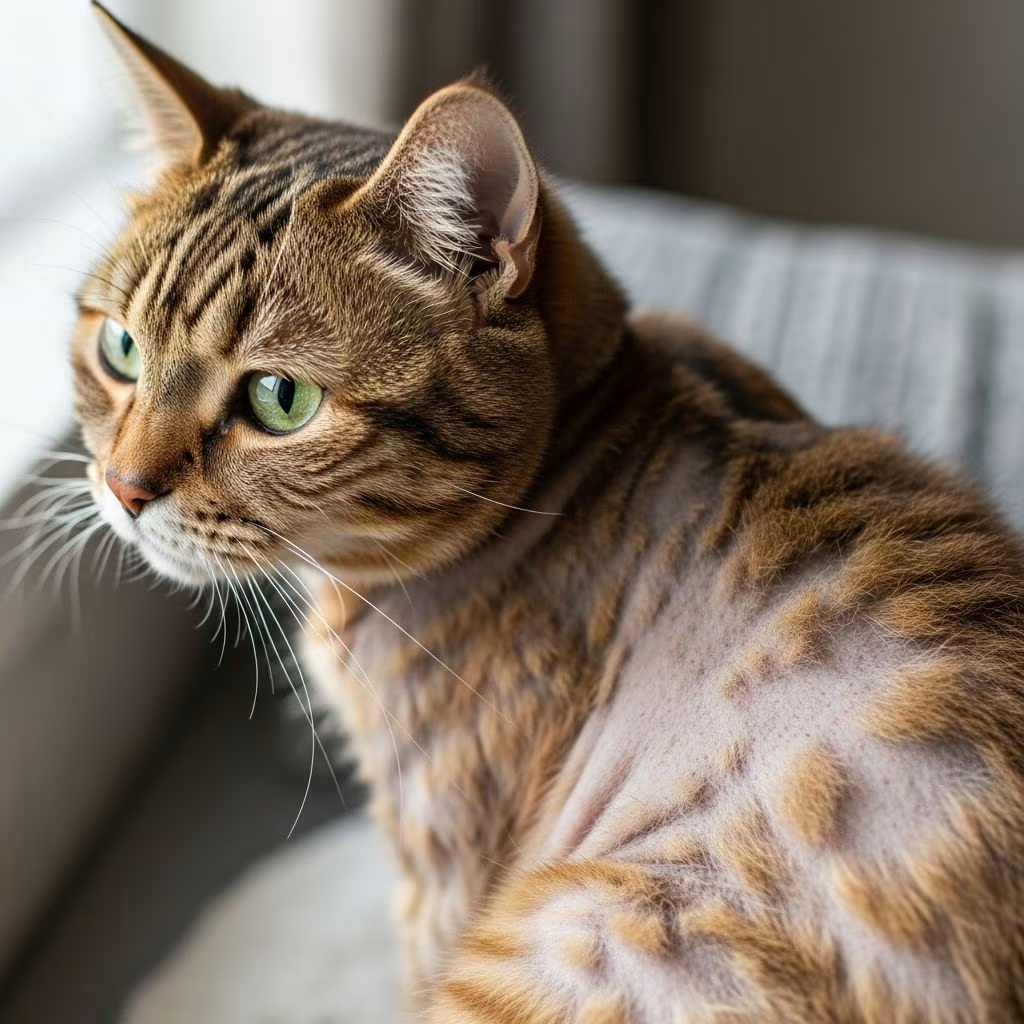
Understanding Alopecia in Cats
Alopecia is a common condition affecting cats that results in noticeable hair loss across various parts of their body. When cats experience alopecia, they lose thick tufts of fur, leaving exposed areas of skin vulnerable to further complications. This condition can range from mild localized hair loss to severe, widespread baldness affecting multiple regions of the cat’s body. Understanding what alopecia is, its underlying causes, and available treatment options is essential for any cat owner concerned about their pet’s health and appearance.
Cats may develop alopecia due to a variety of factors, including genetic predisposition, underlying health conditions, stress and anxiety, or environmental triggers. The condition is not inherently life-threatening in all cases, but it can indicate an underlying health issue that requires veterinary attention. Some causes of alopecia can be life-threatening, making proper diagnosis and treatment crucial. The key to managing alopecia effectively lies in identifying the root cause and addressing it appropriately.
What Is Alopecia?
Alopecia in cats refers to abnormal hair loss that occurs when a cat loses substantial amounts of fur, creating visible bald patches or thinning areas on the skin. Unlike normal shedding, which is a natural process where cats gradually lose old hair to make room for new growth, alopecia represents an unusual and often problematic loss of hair. The condition can manifest as complete baldness in certain areas or as generalized thinning throughout the coat.
In general, alopecia is caused by one of three primary changes: direct injury to hair follicles, structural damage to hair follicles themselves, or abnormalities in the hair growth cycle. Feline alopecia can be categorized into two main types: congenital and acquired. Congenital alopecia is present at birth and results from a lack of hair follicle development, with hair loss potentially appearing shortly after birth or later in life. Acquired alopecia occurs when a cat is born with healthy hair follicles but develops the inability to produce normal hair due to an underlying condition that develops over time.
Symptoms of Alopecia in Cats
Recognizing the symptoms of alopecia in your cat is the first step toward addressing the problem. Cat owners should be alert to the following signs:
- Visible hair loss in patches or thinning across the body
- Red or inflamed skin in affected areas
- Excessive scratching, licking, or grooming behavior
- Scabs or sores on the skin
- Dull or unkempt coat appearance
- Increased frequency of vomiting hairballs
- Scaling or crusting of the skin
- Changes in skin color or texture
- Observable discomfort or pain when touched in certain areas
Some cats may display behavioral changes such as obsessive grooming or excessive self-licking. If your cat is lethargic, has reduced energy levels, or shows signs of poor overall health, these may indicate an underlying systemic disease contributing to hair loss. It’s important to note that many cats can hide their itching effectively, making it challenging for owners to detect whether their cat is experiencing discomfort.
Causes of Alopecia in Cats
Understanding the various causes of alopecia is essential for proper treatment. There are several categories of causes that can lead to hair loss in cats:
Parasitic Infestations
External parasites, particularly fleas and mites, represent one of the most common causes of alopecia in cats. Fleas are exceptionally irritating to cats, causing intense itching that leads to excessive scratching and grooming. This overgrooming behavior, known as barbering, causes cats to pull out their own fur. Even a single flea can trigger significant hair loss in some cats, particularly those with flea allergy dermatitis. Mites can similarly cause itching and irritation that results in self-inflicted hair loss.
Stress and Anxiety
Stress is a significant factor contributing to alopecia in cats. Cats use grooming not only to maintain cleanliness but also as a self-soothing mechanism during stressful situations. Environmental changes such as moving to a new home, the introduction of new animals or people, loss of a caretaker, or changes in routine can trigger excessive grooming and subsequent hair loss. Stressed cats may repeatedly groom specific areas of their body, leading to bald patches and potential skin damage.
Fungal and Bacterial Infections
Ringworm, a fungal skin infection, causes circular patches of flaky, red, itchy, and furless skin. Bacterial skin infections, often secondary to excessive scratching or grooming, can also result in significant hair loss. Open wounds or sores created by scratching may become infected, leading to additional hair loss and discomfort. These infections can cause folliculitis, where irritation of the hair follicle causes damage to and premature shedding of hairs.
Allergic Reactions
Allergies represent a major cause of alopecia in cats. Cats may experience food allergies, environmental allergies (atopy), or contact allergies. These conditions cause itchy, scaly, or crusty skin, prompting excessive scratching and grooming. The resulting hair loss is often accompanied by visible skin inflammation and discomfort.
Hormonal Imbalances
Hormonal disorders can interfere with normal hair growth cycles. Hyperthyroidism and Cushing’s disease are conditions that can cause thinning or patchy coats. Specific hormones are responsible for regulating hair growth, and a surplus or deficiency in these hormones may result in hair loss. Hormonal alopecia is often not initially itchy unless a secondary skin infection develops.
Autoimmune Diseases
Autoimmune conditions such as sebaceous adenitis cause the immune system to attack hair follicles and sebaceous glands. Feline leukemia suppresses the cat’s immune system, causing difficulty in absorbing important nutrients necessary to maintain a healthy coat. A weakened immune system also increases the risk of secondary skin infections that can lead to hair loss.
Pain and Discomfort
Cats may repeatedly groom a specific area of their body if that area is causing pain. This might include a joint, paw, or other region experiencing discomfort. Overgrooming in these cases becomes a self-soothing behavior, and continued licking and chewing can lead to hair loss and skin damage.
Genetic Factors
Some cats are genetically predisposed to hair loss conditions. Certain breeds may be more susceptible to specific types of alopecia due to inherited traits affecting hair follicle development or function.
Other Potential Causes
Less common causes of alopecia include skin trauma such as burns or radiation, poorly fitted collars or halters causing friction, certain poisonings, and rarely, skin tumors. Inadequate nutrition or a poor diet can also manifest as dull coat and hair loss in some cats.
Treatment of Alopecia in Cats
Treatment for alopecia in cats depends entirely on identifying and addressing the underlying cause. Once your veterinarian determines the root cause, they can recommend the most appropriate treatment strategy. Several treatment options are available:
Parasitic Control
If fleas or mites are causing the alopecia, your veterinarian will recommend antiparasitic medications such as Bravecto or other flea and parasite control products. These medications eliminate the parasites, reducing itching and allowing the hair to regrow. Consistent, year-round flea prevention is often recommended to prevent recurrence.
Antifungal Treatments
For fungal infections like ringworm, antifungal medications such as Itrafungol may be prescribed. These medications address the underlying fungal infection, allowing the skin to heal and hair to regrow.
Antibiotic Therapy
Bacterial skin infections require antibiotics such as Clavamox to eliminate the infection and prevent complications. Treating secondary bacterial infections is crucial for allowing the skin to heal properly.
Stress Management and Behavioral Therapy
For stress-related alopecia, pheromone products such as Feliway can help calm anxious cats and reduce compulsive grooming behaviors. Behavioral therapy, environmental enrichment, and addressing the source of stress are essential components of treatment. Creating a calm, stable environment with appropriate vertical spaces, hiding spots, and consistent routines can help reduce stress-related hair loss.
Pain Management
If pain is contributing to localized overgrooming, pain medications such as robenacoxib may be prescribed to reduce discomfort and decrease the urge to groom the affected area.
Allergy Management
Allergic alopecia may require allergy medications such as cyclosporine. If a food allergy is suspected, your veterinarian may recommend a hydrolyzed protein diet for up to 12 weeks. If the hair loss and skin issues improve during this trial, the offending food allergen has been identified, and you can maintain the hydrolyzed diet or switch to foods with novel proteins.
Hormonal Treatments
For hyperthyroid cats, methimazole or other thyroid medications address the underlying hormonal imbalance, which in turn resolves the associated hair loss. Treating the hormonal condition is essential for long-term management.
Important Considerations
It is crucial to note that many topical formulations of medications and shampoos are toxic to cats. Always consult with your veterinarian before using any topical treatments on your cat’s skin. What may be safe for dogs or other animals can be harmful or even fatal to cats due to their unique metabolism.
Hair Regrowth Timeline
After appropriate treatment begins, cats who have experienced hair loss may need two months or more for their fur to fully regrow. In some cases, regrowth may take even longer depending on the severity of the hair loss and the nature of the underlying cause. Patience is important during the recovery process.
It is important to understand that alopecia is curable in many situations. However, in chronic endocrine diseases or other long-term conditions, alopecia may need to be managed continuously and may never fully resolve. In these cases, ongoing medication and monitoring are necessary to keep the condition under control and maintain your cat’s quality of life.
Diagnosis of Alopecia
Proper diagnosis is essential for effective treatment. Your veterinarian will likely perform an in-depth dermatological examination, which may include blood tests, urinalysis, and a skin biopsy to determine the underlying cause. Identifying whether the alopecia results from infection, infestation, hypersensitivity, hormonal imbalance, or another cause is critical for selecting the right treatment approach.
Frequently Asked Questions
Q: Is alopecia in cats contagious?
A: This depends on the cause. Fungal infections like ringworm can spread to other cats and humans, while parasitic infestations can spread among animals. Stress-related, hormonal, or allergic alopecia is not contagious. Consult your veterinarian to determine if your cat’s alopecia requires isolation or special precautions.
Q: Can alopecia in cats be prevented?
A: While not all types of alopecia can be prevented, maintaining consistent flea prevention, reducing stress, providing a healthy diet, and regular veterinary checkups can help reduce the risk. Early detection and treatment of underlying conditions also minimizes hair loss.
Q: How long does it take to see results from alopecia treatment?
A: Results vary depending on the underlying cause and treatment type. Some cats may show improvement within weeks, while others may require several months. Hair regrowth typically takes a minimum of two months after the underlying cause is addressed.
Q: What should I do if my cat has alopecia?
A: Schedule a veterinary appointment as soon as possible. Your veterinarian can diagnose the underlying cause and recommend appropriate treatment. Avoid self-treating or using unverified remedies, as this may delay proper treatment and worsen the condition.
Q: Can diet help with cat alopecia?
A: Yes, in cases where food allergies are involved, a specialized diet may resolve the issue. Additionally, ensuring your cat receives proper nutrition with high-quality protein supports overall coat health and may help prevent some types of hair loss.
References
- Alopecia in Cats: What It Is and Why Your Cat Is Losing Hair — PetMD. 2025. https://www.petmd.com/cat/conditions/skin/alopecia-cats-what-it-and-why-your-cat-losing-hair
- Hair Loss (Alopecia) in Cats — Merck Veterinary Manual. 2025. https://www.merckvetmanual.com/cat-owners/skin-disorders-of-cats/hair-loss-alopecia-in-cats
- A Clinical Approach to Alopecia in Cats — Today’s Veterinary Practice. 2024. https://todaysveterinarypractice.com/dermatology/alopecia-diagnosis-cats/
- Hair loss (alopecia) in cats — PDSA. 2025. https://www.pdsa.org.uk/pet-help-and-advice/pet-health-hub/symptoms/hair-loss-alopecia-in-cats
- Cat Alopecia: Why is Your Cat Losing Hair? — Purina US. 2024. https://www.purina.com/articles/cat/health/skin-fur-ears/cat-alopecia-hair-loss



