

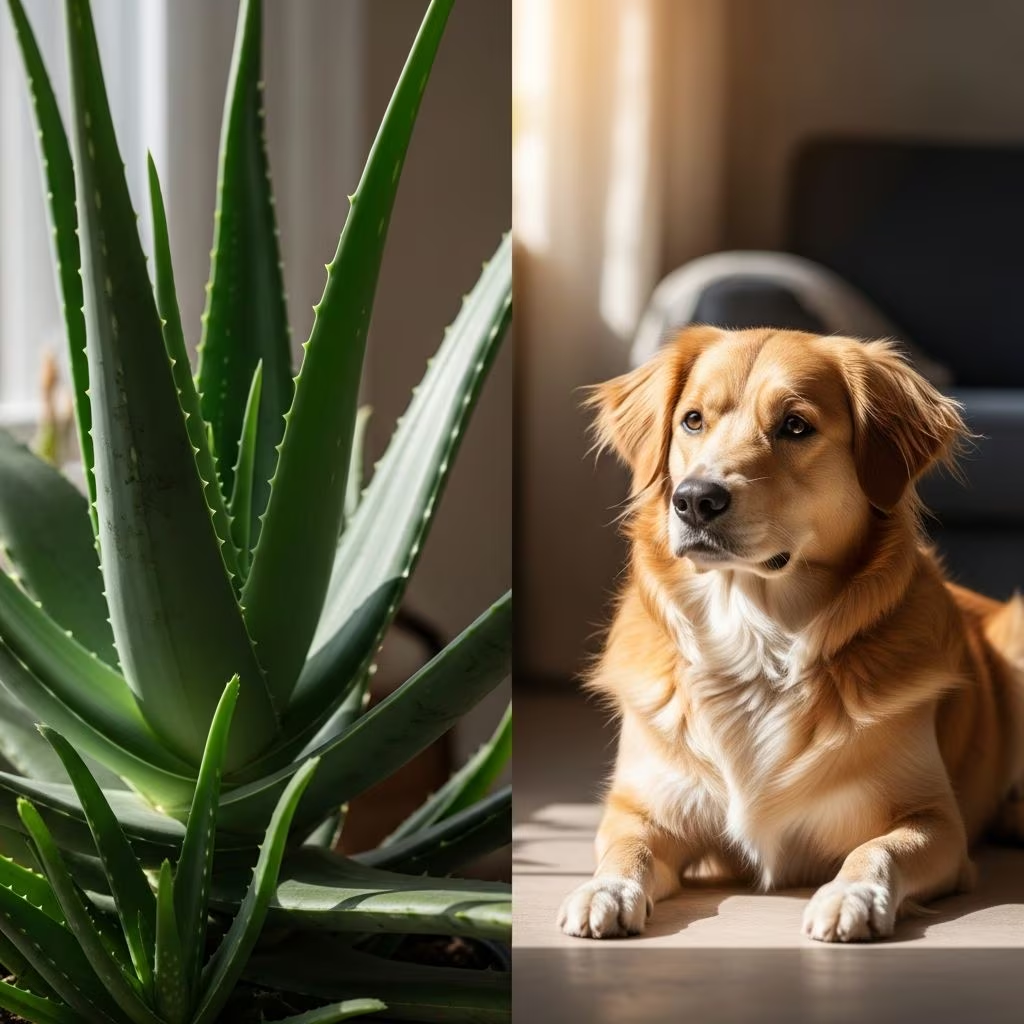
Aloe vera, a popular succulent known for its soothing properties in human skincare and remedies, raises important questions for dog owners. While the clear inner gel offers potential benefits for topical skin relief, certain parts of the plant pose serious toxicity risks to dogs if ingested. Veterinary sources emphasize distinguishing between safe gel and harmful latex to prevent gastrointestinal distress.
Understanding the Aloe Vera Plant Composition
The aloe vera plant consists of thick, fleshy leaves filled with a clear, mucilaginous gel surrounded by a thin yellow latex layer just beneath the rind. The gel contains polysaccharides, vitamins, and enzymes that contribute to its anti-inflammatory effects, making it appealing for minor skin ailments in pets. However, the latex harbors anthraquinones like aloin and saponins, which act as potent laxatives and irritants in canine systems.
When processing aloe for pet use, carefully slice the leaf lengthwise, scoop out only the transparent gel, and discard the rind and yellow sap. Commercial products labeled as “aloe vera gel” or “inner leaf juice” from organic sources are preferable, but always verify ingredient lists for additives like emulsifiers that could irritate sensitive skin.
Potential Benefits of Aloe Vera for Canine Skin Conditions
Pure aloe vera gel can provide gentle relief for common dog skin issues when applied topically. Its cooling and moisturizing qualities help alleviate **itchy hot spots**, **dry, flaky skin**, and **minor sunburns**. Dog owners report success using it on paw pads, noses, and insect bites after patch-testing a small area first.
- Hot Spots: The anti-inflammatory compounds reduce swelling and itching from allergic reactions or self-trauma.
- Dry Nose and Paws: Natural humectants lock in moisture without greasiness.
- Bug Bites and Rashes: Antimicrobial properties may prevent secondary infections.
Apply a thin layer 2-3 times daily, allowing it to absorb fully. Studies on veterinary applications show low dermal toxicity, with minimal irritation even on abraded skin in animal models.
Internal Uses: Limited Evidence and Strict Precautions
Some holistic sources advocate small amounts of pure aloe gel orally for digestive support, claiming it soothes gut inflammation and promotes regularity. However, authoritative bodies like the ASPCA classify the entire plant as toxic due to risks from accidental latex contamination. Acute toxicity tests indicate high LD50 values for gel (>31.6 g/kg in dogs), suggesting safety in moderation, but chronic exposure studies reveal potential for diarrhea and electrolyte imbalance.
Never administer oral aloe without veterinary approval, especially for puppies, pregnant, or lactating dogs, as it may pass through milk and cause neonatal diarrhea.
The Real Dangers: Toxicity from Latex and Whole Plant Ingestion
Ingestion of the latex or whole leaves triggers severe symptoms due to aloin’s purgative effects. Intestinal bacteria metabolize anthraquinones into compounds that draw water into the colon, leading to profuse diarrhea, vomiting, lethargy, and anorexia. In rare cases, tremors or urine discoloration occur.
| Symptom | Onset Time | Severity |
|---|---|---|
| Vomiting | 30 min – 2 hours | Mild to Moderate |
| Diarrhea | 1-6 hours | Moderate to Severe |
| Lethargy | 2-12 hours | Moderate |
| Electrolyte Loss | 6+ hours | Severe (dehydration) |
Small nibbles may cause self-limiting upset, but larger amounts necessitate immediate intervention. The Pet Poison Helpline notes tissue irritation from calcium oxalate crystals in the rind exacerbates oral discomfort.
What to Do If Your Dog Consumes Aloe Vera
Act swiftly if you witness ingestion or suspect exposure. Note the amount and plant part consumed, then:
- Contact your veterinarian or pet poison hotline (e.g., ASPCA at 888-426-4435).
- Monitor for symptoms and ensure hydration.
- Do not induce vomiting unless directed, as it risks aspiration.
For substantial ingestion, vets may recommend gastric lavage, activated charcoal, or IV fluids. Most cases resolve with supportive care within 24-48 hours.
Safe Product Selection and Application Guidelines
Choose 99-100% pure, organic aloe vera inner leaf gel without aloin (>0.1ppm). Avoid gels with xanthan gum, preservatives like hydroxyacetophenone, or added fragrances that could provoke allergies.
- Patch test: Dab on inner thigh; wait 24 hours.
- Use sparingly on open wounds to prevent stinging.
- Store refrigerated; discard after 1 month.
Pregnant or nursing dogs should avoid it entirely due to laxative risks to offspring.
Alternatives to Aloe Vera for Dog Skin and Gut Health
Opt for vet-recommended options with proven safety profiles:
| Issue | Aloe Alternative | Key Benefits |
|---|---|---|
| Itchy Skin | Coconut Oil | Antibacterial, moisturizing |
| Hot Spots | Chamomile Tea Rinse | Soothing, anti-inflammatory |
| Dry Nose | Shea Butter | Deep hydration, non-toxic |
| Digestion | Probiotics | Gut flora balance |
These substitutes lack aloe’s toxicity concerns and are widely available.
Common Myths About Aloe Vera and Pets Debunked
Myth 1: All aloe products are safe if labeled “edible.” Reality: Many contain latex traces; check for aloin-free certification.
Myth 2: Licking topical gel is harmless. Reality: Small amounts may upset stomachs; use e-collars if needed.
Myth 3: Indoor plants pose no risk. Reality: Curious chewers access them easily; elevate or replace with pet-safe plants like spider plants.
Frequently Asked Questions (FAQs)
Is pure aloe vera gel toxic if my dog licks it off their fur?
Minimal ingestion of pure gel typically causes only mild upset, but repeated licking risks loose stools. Prevent by covering treated areas.
Can I give my dog aloe vera juice for constipation?
No, due to diarrhea risk from aloin; consult a vet for safer laxatives like pumpkin puree.
How much aloe gel is safe topically for a 50-lb dog?
A pea-sized amount per application suffices; overuse may sensitize skin.
What plants are safe alternatives to aloe for dog-friendly homes?
Boston ferns, areca palms, and parsley are non-toxic per ASPCA lists.
Does aloe vera help with dog allergies?
It may soothe symptoms topically but doesn’t address root causes; allergy testing is ideal.
Preventing Plant-Related Incidents in Multi-Pet Homes
Dog-proof your space by hanging plants high, using deterrents like citrus sprays, and training “leave it” commands. Educate family on toxic plants via ASPCA resources. Regular vet check-ups catch early sensitivities.
In summary, harness aloe vera’s benefits judiciously: topical gel for skin, strict avoidance of ingestion. Prioritize your dog’s safety with informed choices and professional advice.
References
- Aloe Vera For Dogs: 7 Uses [And 1 Warning] — Dogs Naturally Magazine. 2023. https://www.dogsnaturallymagazine.com/aloe-for-dogs/
- Is Aloe Vera Safe For Dogs? — PetCloud. 2024. https://www.petcloud.com.au/d/blog/is-aloe-vera-safe-for-dogs/
- Aloe Vera Gel Summary Report — European Medicines Agency (EMA), Committee for Veterinary Medicinal Products. 2001-12-11. https://www.ema.europa.eu/en/documents/mrl-report/aloe-vera-gel-summary-report-committee-veterinary-medicinal-products_en.pdf
- Aloe Vera Is Toxic To Dogs — Pet Poison Helpline. 2024. https://www.petpoisonhelpline.com/poison/aloe-vera/
- Aloe vera: A review of toxicity and adverse clinical effects — National Library of Medicine (PMC). 2019-01-24. https://pmc.ncbi.nlm.nih.gov/articles/PMC6349368/
- Final report on the safety assessment of Aloe Andongensis Extract — PubMed. 2007. https://pubmed.ncbi.nlm.nih.gov/17613130/
- Toxic and Non-toxic Plants: Aloe — ASPCA. 2024. https://www.aspca.org/pet-care/aspca-poison-control/toxic-and-non-toxic-plants/aloe



