

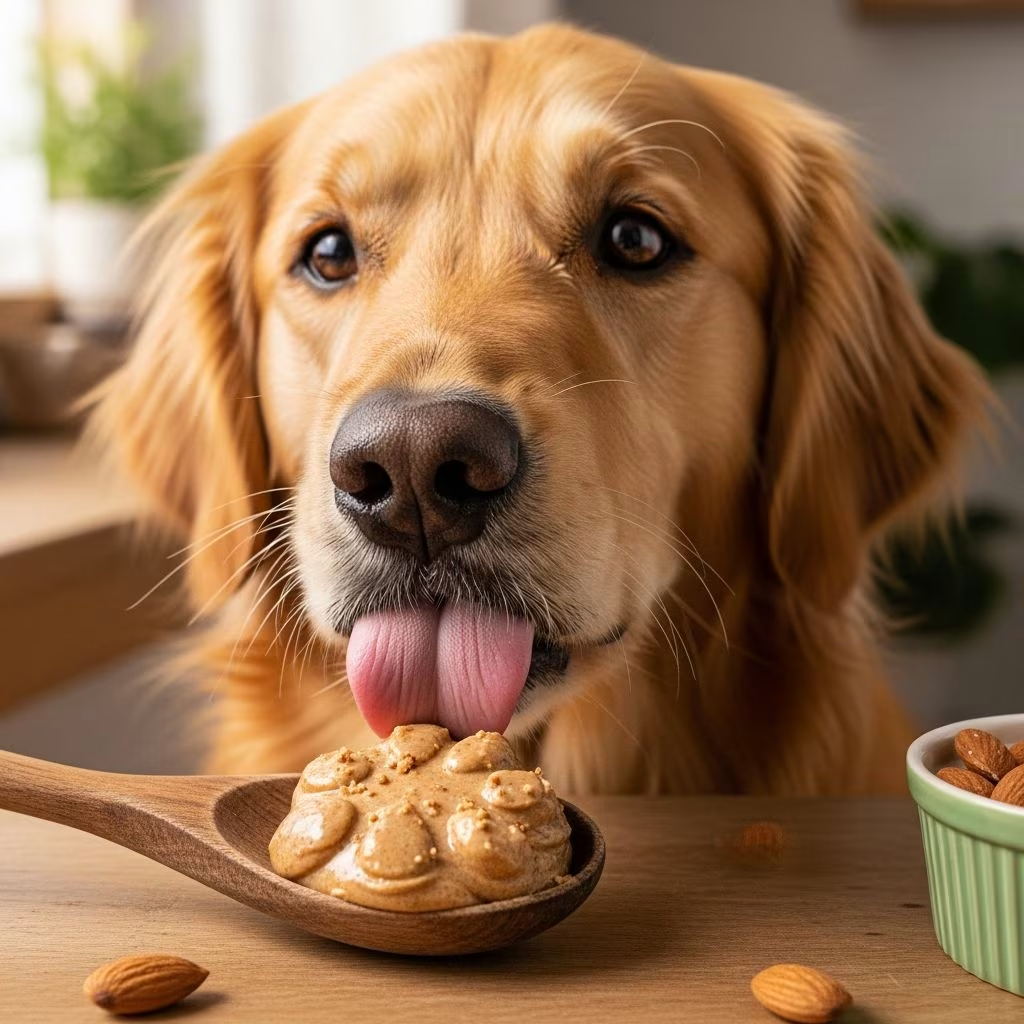
Many dog owners enjoy sharing their snacks with their canine companions, and almond butter is no exception. If you’ve ever wondered whether your furry friend can enjoy a taste of the creamy spread you’re having on your toast, you’re not alone. The straightforward answer is yes—but with important caveats that every responsible pet owner should understand before offering this treat.
Understanding the Basics: Is Almond Butter Toxic to Dogs?
The foundational concern for any new food involves toxicity. Unlike certain nuts such as macadamia nuts or chocolate, almonds themselves are not inherently toxic to dogs. This means that plain, unsweetened almond butter without additives poses no inherent poisoning risk to your pet. However, the safety of almond butter depends significantly on what ingredients manufacturers have included in their product.
When you examine the label of commercially produced almond butter, you may find various additions that are perfectly suitable for human consumption but present serious health hazards to canines. Understanding these differences is crucial before allowing your dog to enjoy this treat.
Nutritional Benefits of Almond Butter for Canines
When prepared in its most natural form, almond butter does offer legitimate nutritional advantages for dogs. The spread contains valuable nutrients that can contribute positively to your pet’s overall health when consumed in appropriate quantities.
- Protein content: Almond butter provides protein, which supports muscle development and maintenance in dogs.
- Vitamin E: This antioxidant vitamin supports skin and coat health while protecting cells from oxidative damage.
- Magnesium: Essential for bone health, enzyme function, and nervous system regulation.
- Fiber: Supports digestive health when included as part of a balanced diet.
These nutritional elements explain why almond butter can serve as more than just an indulgent treat—it can contribute meaningful nutrients to your dog’s diet when properly managed.
Critical Ingredient Warnings: What Makes Almond Butter Dangerous
While the almond base itself remains safe, numerous additives transform certain almond butter products into potential hazards. These ingredients warrant serious attention before you purchase any almond butter product for your pet.
Xylitol: The Most Serious Threat
Xylitol represents the most significant danger in commercial almond butter products. This artificial sweetener, sometimes labeled simply as “sugar alcohol” on ingredient lists, triggers a dangerous physiological response in dogs that differs dramatically from its effects in humans. Even minimal quantities can initiate severe health consequences.
When dogs ingest xylitol, their bodies release insulin rapidly, causing blood sugar to plummet dangerously. This hypoglycemic state can develop within hours, leading to:
- Weakness and lethargy
- Seizures
- Loss of consciousness
- Liver failure
- Death in severe cases
Any suspicion that your dog has consumed xylitol-sweetened almond butter constitutes a veterinary emergency requiring immediate professional intervention.
Chocolate Mixtures
Some almond butter varieties incorporate chocolate flavoring or are blended with chocolate products. Since chocolate contains theobromine, a compound toxic to dogs, these combinations should be completely avoided. Even small amounts of chocolate can cause gastrointestinal upset, elevated heart rate, and in severe cases, more dangerous cardiac effects.
Excessive Sodium Content
Certain commercial almond butters contain added salt to enhance flavor for human consumers. Elevated sodium levels can lead to dehydration in dogs and, in extreme cases, sodium ion poisoning. While a tiny amount from occasional treats may not cause problems, consistently offering high-sodium products accumulates risk over time.
Health Risks Related to Fat Content and Digestion
Beyond specific problematic ingredients, the fundamental composition of almond butter itself presents digestive challenges for many dogs. Both almonds and almond butter contain substantial fat quantities, which can trigger various gastrointestinal complications.
High-fat foods can initiate gastroenteritis, characterized by vomiting, diarrhea, and occasionally bloody stools. More concerning, regular consumption of fatty foods increases pancreatitis risk—inflammation of the pancreas that causes abdominal pain, vomiting, and potentially life-threatening complications.
Not all dogs tolerate fatty treats equally. Certain individuals, particularly those with histories of digestive sensitivity or previous pancreatitis episodes, should avoid almond butter entirely. Dogs with sensitive stomachs may experience loose stools or digestive upset even from small quantities of this rich food.
Determining Safe Portion Sizes
If you’ve confirmed that your almond butter is free from xylitol, chocolate, and excessive salt, appropriate portion control becomes your next consideration. Moderation is absolutely essential when offering this treat.
Safe serving guidelines include:
- Almond butter should comprise less than 10% of your dog’s total daily caloric intake
- A single serving should not exceed 1 teaspoon to 1 tablespoon, adjusted based on your dog’s size
- Treats should be offered occasionally rather than daily
- Monitor your dog’s response after the first small amount before offering additional servings
These conservative recommendations ensure that even if your dog’s digestive system proves sensitive to almond butter, the quantity consumed remains unlikely to cause serious complications. Think of almond butter as you would human dessert—an occasional indulgence rather than a dietary staple.
Serving Methods and Presentation Ideas
Once you’ve selected an appropriate almond butter and determined a safe portion size, consider how to present it to your dog. The serving method impacts both enjoyment and safety.
You can place a small amount of almond butter directly into your dog’s food bowl, mixing it with their regular meal if desired. Alternatively, some pet owners spread it on a rubber toy designed to hold treats, making the experience more interactive and extending enjoyment time.
If you want to share directly from your spoon, ensure your dog licks the food rather than attempting to eat the utensil itself—a concern that extends beyond almond butter to any shared spoon feeding.
Dogs That Should Avoid Almond Butter Entirely
While many healthy adult dogs can tolerate small amounts of plain almond butter, certain populations should not receive this treat under any circumstances.
| Dog Category | Reason for Avoidance |
|---|---|
| Dogs with pancreatitis history | High fat content triggers inflammation |
| Overweight or weight-management dogs | Calorie density interferes with diet plans |
| Dogs with known nut allergies | Risk of allergic reaction |
| Puppies under 6 months | Developing digestive systems cannot handle rich foods |
| Dogs with chronic digestive sensitivity | High fat causes gastrointestinal upset |
Comparing Almond Butter to Other Nut Butter Options
Pet owners often wonder whether almond butter offers advantages over more traditional options like peanut butter. The comparison reveals interesting nuances.
Almond butter contains slightly elevated levels of vitamin E and magnesium compared to peanut butter, and it generally contains lower sugar when unsweetened. However, almond butter typically carries a higher price tag and proves more difficult to locate in pure, dog-safe forms. Peanut butter remains more widely available in xylitol-free varieties and tends to be more affordable.
For most dog owners, peanut butter represents the safer, more practical option when seeking a nut butter treat. That said, almond butter can still provide a healthy alternative if you carefully select a plain, unsweetened, xylitol-free product and observe strict portion controls.
Creating Homemade Treats with Almond Butter
Some pet owners enjoy incorporating almond butter into homemade dog treats. If you choose this route, ensure your almond butter remains unsweetened and completely free of xylitol. Combine small amounts with dog-safe ingredients such as oats, banana, or pumpkin to create balanced treats that provide nutritional variety.
Homemade treats allow you complete control over ingredients, eliminating surprise additives that might hide in commercial products. However, maintain the same portion guidelines—these treats should remain occasional rather than daily.
Emergency Response: What If Your Dog Eats Xylitol-Sweetened Almond Butter?
Despite your precautions, accidents happen. Perhaps your dog accessed almond butter you didn’t realize contained xylitol, or a family member unknowingly shared their product without checking the label. Understanding emergency response procedures is essential.
If you suspect your dog has consumed xylitol-containing almond butter, contact your veterinarian or emergency veterinary clinic immediately. Do not delay, as xylitol toxicity develops rapidly. Provide the vet with:
- The product’s label or ingredient list
- Your dog’s weight
- Your best estimate of how much they consumed
- The time of consumption
Veterinary treatment may include inducing vomiting, administering activated charcoal, IV fluid therapy, or blood glucose monitoring, depending on timing and the amount consumed.
Common Questions About Almond Butter and Dogs
Can puppies eat almond butter?
It’s best to avoid almond butter for puppies under 6 months old. Their digestive systems are still developing, and the high fat content may cause upset. Older puppies can be introduced to tiny amounts, but only after consulting your veterinarian.
What symptoms indicate almond butter isn’t working for my dog?
Watch for vomiting, diarrhea, abdominal pain, loss of appetite, or lethargy after consuming almond butter. If any of these symptoms appear, discontinue immediately and contact your vet.
Is almond butter better for dogs with food allergies?
Almond allergies in dogs are less common than peanut allergies, but they certainly occur. If your dog has documented nut allergies, avoid almond butter regardless of how carefully it’s prepared.
Can I give my dog almond butter every day?
No. The high fat content and caloric density make daily consumption inappropriate for most dogs. Reserve almond butter as an occasional treat—perhaps once or twice weekly at most.
How do I know if almond butter contains xylitol?
Read ingredient labels carefully. Xylitol may be listed as “sugar alcohol” or “xylitol.” When in doubt, contact the manufacturer or choose brands that explicitly state “xylitol-free” on packaging.
Final Recommendations for Safe Almond Butter Sharing
If you want to share almond butter with your dog, a systematic approach ensures safety. First, select a product that is all-natural, unsweetened, and explicitly xylitol-free. Check the label for chocolate and excessive sodium. Second, start with a very small amount—literally a lick—to assess your individual dog’s tolerance. Third, maintain strict portion control, limiting treats to occasional offerings. Finally, avoid almond butter entirely if your dog falls into any high-risk category.
Remember that dogs don’t require almond butter to thrive. Commercially formulated dog treats specifically designed with canine digestive needs in mind offer a safer, more reliable option for most situations. If you choose to offer almond butter despite these considerations, do so as an informed decision made consciously rather than an assumption of safety based on your own ability to eat it.
References
- Can Dogs Eat Almond Butter? — Fetch Pet Insurance. 2024. https://www.fetchpet.com/the-dig/can-dogs-eat-almond-butter
- Can Dogs Eat Almond Butter? Is Almond Butter Safe for Dogs? — Spot and Tango. 2024. https://www.spotandtango.com/blog/can-dogs-eat-almond-butter



