

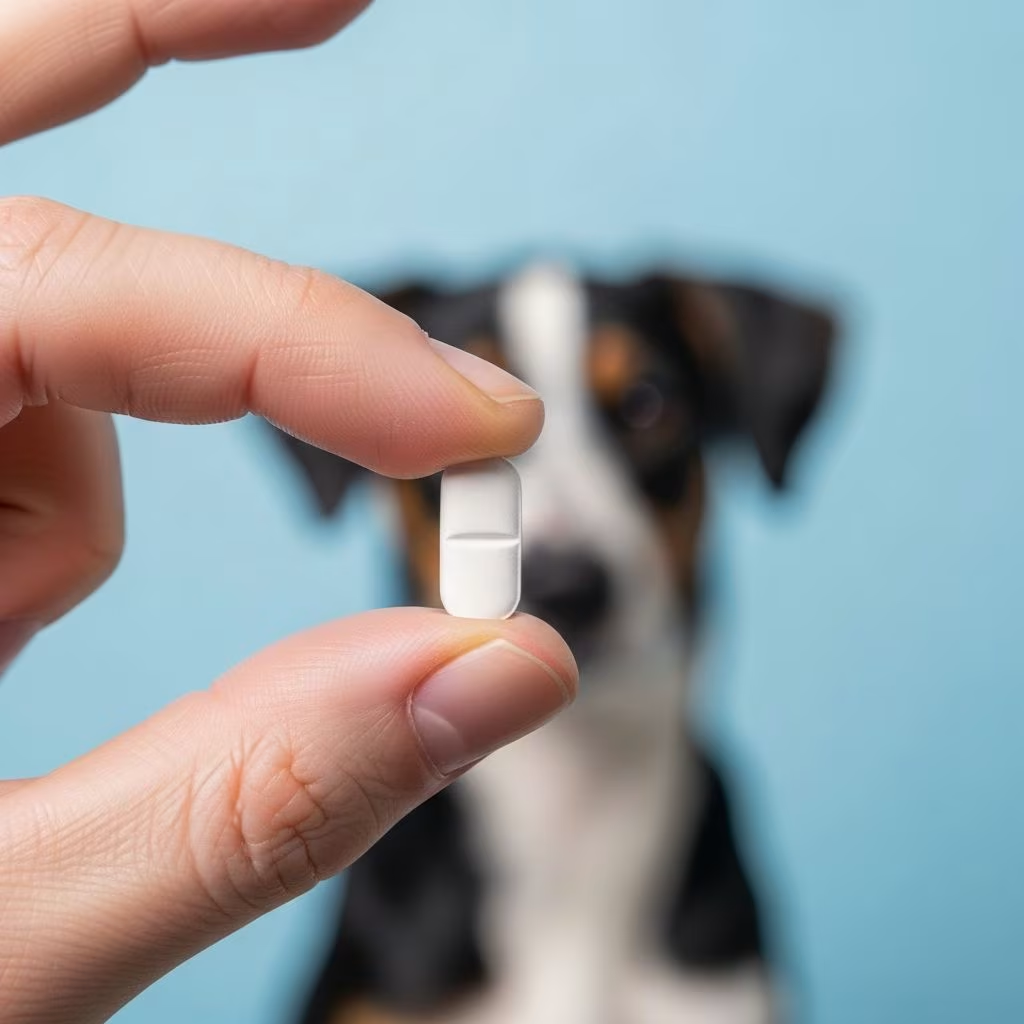
Allopurinol is a medication that reduces uric acid levels in dogs, primarily used to prevent and dissolve urate stones in the bladder and kidneys.
Understanding Uric Acid Issues in Canine Health
In healthy dogs, the body converts uric acid—a byproduct of purine metabolism—into allantoin, which is easily excreted in urine. Certain breeds, notably Dalmatians, have a genetic defect impairing this conversion, leading to urate crystal buildup. These crystals can form stones causing pain, blockages, and recurrent infections.
Dogs with portosystemic shunts, where blood bypasses the liver, face similar risks due to reduced uric acid processing. Symptoms include frequent urination, blood in urine, straining, and abdominal discomfort. Early intervention with allopurinol helps mitigate these issues.
Primary Applications in Veterinary Practice
Preventing Urate Uroliths: Allopurinol inhibits xanthine oxidase, the enzyme responsible for uric acid production, reducing crystal formation. It’s especially vital for high-risk breeds and post-surgery stone prevention.
Leishmaniasis Management: This parasitic disease, caused by Leishmania protozoa and spread by sandflies, affects dogs worldwide, including parts of the U.S. Allopurinol, often combined with antimonials like meglumine, maintains long-term remission. Studies show intermittent dosing prevents relapses effectively over years.
Other off-label uses include gout in exotic pets, though focus remains on canines.
Dosage Guidelines for Effective Treatment
Veterinarians tailor dosages based on weight, condition, and response. Always consult a professional before administration.
| Condition | Dog Dosage | Frequency | Notes |
|---|---|---|---|
| Urate Stones | 3-5 mg/lb (10 mg/kg) | Every 8 hours | Or 7 mg/lb (15 mg/kg) every 12 hours |
| Leishmaniasis Maintenance | 5 mg/lb (10 mg/kg) | Every 12 hours | Or 20 mg/kg daily for 1 week/month post-induction |
For cats, dosing is lower at about 4 mg/lb daily, but this guide emphasizes dogs. Treatment duration varies: short-term for acute stones, lifelong for genetic predispositions. Complete the full course to avoid resistance.
Potential Side Effects and Monitoring
Generally well-tolerated, allopurinol can cause gastrointestinal upset, drowsiness, or rare allergic reactions like rash and lethargy. A key concern is xanthine stone formation if not paired with urine-alkalizing diets, as reduced uric acid may shift to xanthine crystals.
- Common Reactions: Vomiting, diarrhea, loss of appetite.
- Serious Risks: Liver toxicity (yellowing gums/eyes), especially long-term or in sensitive dogs.
- Kidney/Liver Caution: Use reduced doses in impaired function.
Regular bloodwork monitors uric acid, kidney values, and liver enzymes. Owners should watch for unusual tiredness or skin changes and contact vets promptly.
Drug Interactions to Avoid
Allopurinol may amplify toxicity from azathioprine, methotrexate, or diuretics like furosemide. Acidifying agents (methionine, ammonium chloride) counteract its benefits. Inform your vet of all medications.
Supporting Treatments: Diet and Lifestyle
A low-purine diet is crucial alongside allopurinol to minimize uric acid precursors. Prescription urinary diets promote alkaline urine, dissolving urates faster.
- Increase water intake to dilute urine.
- Avoid high-protein treats from organ meats or fish.
- Regular exercise prevents obesity, aiding urinary health.
Combining these reduces stone recurrence by over 80% in studies.
Administering the Medication Effectively
Available as tablets (often 100mg), give with food to reduce stomach upset. Crush and mix with wet food if needed, but ensure full dose. For leishmaniasis, consistency is key for months.
Storage: Cool, dry place away from light. Discard expired meds.
When to Seek Veterinary Advice
Consult before starting, especially with pre-existing conditions. Emergency signs: complete inability to urinate, severe lethargy, or collapse—possible stone blockage.
Real-World Success Stories and Research
A 1998 study on 15 leishmaniasis dogs showed 86% relapse in controls vs. sustained remission (10-44 months) with pulsed allopurinol. Dalmatians on therapy with diet changes often live stone-free.
Long-term use is safe with monitoring; no major side effects in compliant cases.
Frequently Asked Questions
Is allopurinol safe for long-term use in dogs?
Yes, when monitored; pair with diet to prevent xanthine stones. Liver checks recommended.
Can allopurinol treat bladder stones in all dogs?
Primarily urate types; ineffective for struvite or oxalate. Diagnosis via imaging/urinalysis needed.
How quickly does allopurinol dissolve stones?
Weeks to months with diet; surgery may precede for blockages.
Is it approved by the FDA for dogs?
No, but legally prescribed extra-label by vets.
What breeds benefit most?
Dalmatians, Bulldogs, Black Russian Terriers, and shunt-affected dogs.
Conclusion: Empowering Pet Owners
Allopurinol transforms lives for dogs prone to urate issues, preventing pain and complications. Partner with your vet for personalized plans combining meds, diet, and monitoring. Proactive care ensures your furry friend thrives.
References
- Allopurinol (Zyloprim®) for Cats and Dogs — PetPlace. Accessed 2026. https://www.petplace.com/article/drug-library/drug-library/library/allopurinol-zyloprim-for-cats-and-dogs
- Use of allopurinol for maintenance of remission in dogs with leishmaniasis — PubMed (Solano-Gallego et al.). 1998-07-11. https://pubmed.ncbi.nlm.nih.gov/9673902/
- Allopurinol Use and Care Instructions — Chewy. Accessed 2026. https://image.chewy.com/is/content/catalog/146513_UseAndCareInstructions._V1569434518_.pdf
- Allopurinol for Dogs — PetCareRx. Accessed 2026. https://www.petcarerx.com/allopurinol/10158
- Allopurinol Tablets for Bladder Stones in Dogs — VetRxDirect. Accessed 2026. https://www.vetrxdirect.com/product/view/allopurinol-tablets-for-bladder-stones-in-dogs-rx
- Allopurinol Client Information Leaflet — Woodward Vets. Accessed 2026. https://www.woodward-vets.co.uk/images/downloads/medication-leaflets/Allopurinol.pdf



