

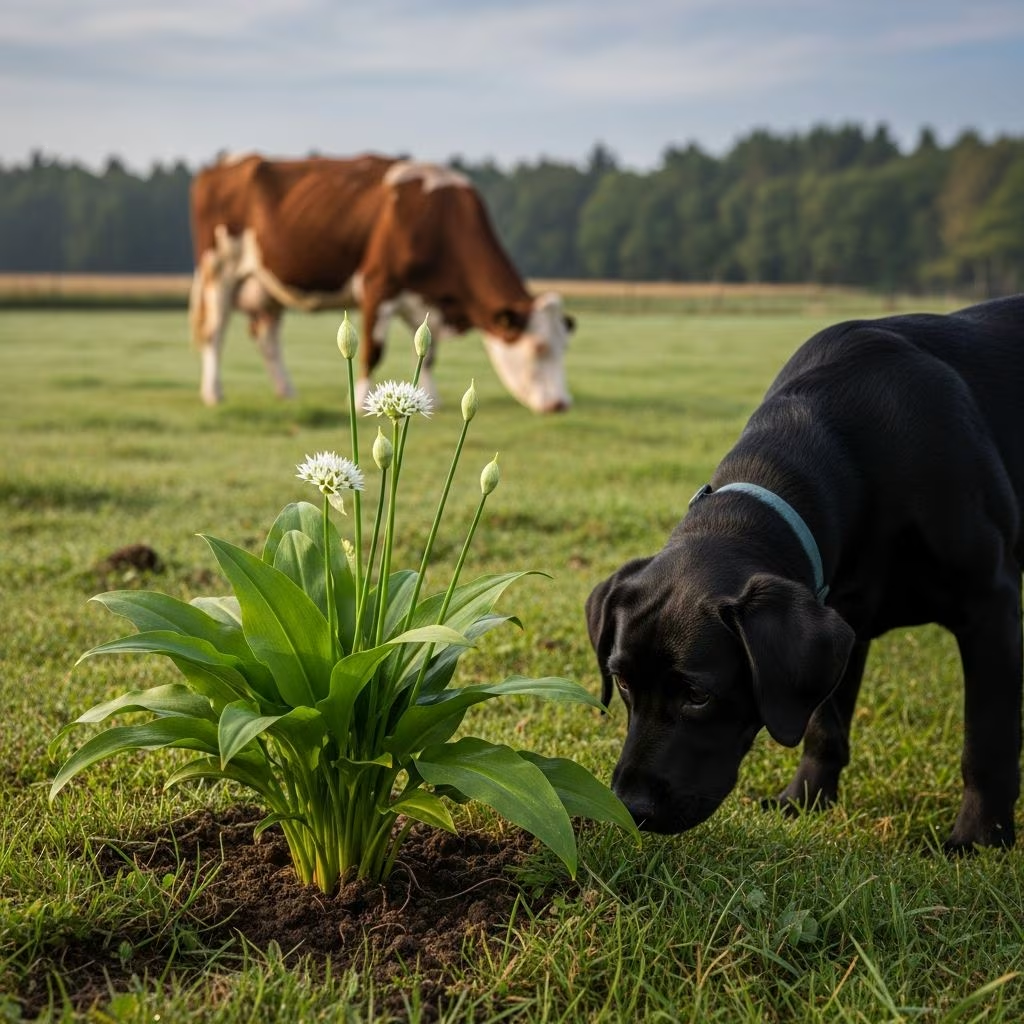
Members of the Allium plant family—including onions, garlic, leeks, and chives—represent a significant toxicological hazard for companion animals and food-producing livestock. While these vegetables are staple ingredients in human cuisine and generally safe for people to consume, they contain compounds that cause serious harm to dogs, cats, horses, cattle, birds, and other species when ingested in sufficient quantities. Understanding the mechanisms of toxicity, recognizing clinical warning signs, and implementing prompt veterinary intervention are essential for protecting animal health.
The Allium Family and Its Toxic Compounds
The Allium genus encompasses several plant species commonly used in cooking and food preparation. The primary species implicated in animal poisoning include Allium cepa (onion), Allium sativum (garlic), Allium porrum (leek), and Allium schoenoprasum (chive). Each of these plants contains toxic sulfur-containing compounds that damage cellular structures in animals.
The principal toxic ingredients are n-propyl disulfide and other oxidative compounds that attack red blood cell membranes. Additionally, alliums contain thiosulfinates and disulfides, which trigger oxidative stress within the bloodstream. Unlike humans, who possess enzymatic defenses against these compounds, dogs and cats lack sufficient protective mechanisms, making them particularly vulnerable to poisoning from even moderate exposures.
A critical distinction exists regarding toxicity levels among different Allium species. Garlic is approximately five times more toxic than onions on a per-weight basis, largely due to its higher concentration of sulfide compounds. This difference becomes even more pronounced when comparing fresh to processed forms of these plants.
Why Pets Are More Vulnerable Than Humans
The fundamental difference in how animals metabolize Allium compounds explains why these foods can be safely consumed by people while poisoning pets. Canine and feline red blood cells contain a greater number of binding sites for oxidizing agents compared to human erythrocytes. When sulfide compounds attach to these cellular sites, the body’s immune system mistakenly identifies the damaged cells as foreign invaders and destroys them—a process known as hemolysis.
Humans possess more efficient detoxification pathways and antioxidant enzyme systems that neutralize these harmful compounds before they can cause significant red blood cell damage. Additionally, the typical human consumption patterns involve smaller quantities relative to body weight, further reducing exposure risk. In contrast, a dog or cat consuming even modest amounts of onions or garlic relative to their size faces substantial poisoning risk.
Susceptibility Across Different Animal Species
While all dogs and cats are at risk, certain populations show heightened vulnerability to Allium toxicity:
- Cats: The most susceptible species overall, requiring the smallest toxic doses to develop clinical illness
- Japanese dog breeds: Akitas, Shiba Inus, and Japanese Chins demonstrate increased sensitivity compared to other canine breeds
- Horses and cattle: Show greater susceptibility than many other livestock species
- Birds and reptiles: Also indicated for Allium toxicity with similar pathophysiological mechanisms
The genetic predisposition in certain dog breeds suggests breed-specific metabolic differences in handling oxidative stress or sulfide compound metabolism, though the exact genetic mechanisms remain incompletely understood.
Toxic Exposure Thresholds and Dose-Response Relationships
Determining whether a particular exposure will cause illness depends on several factors, including the animal’s body weight, the specific Allium product consumed, and the animal’s individual metabolic capacity. Establishing precise toxic thresholds remains challenging due to individual variation, but research has identified approximate consumption levels that reliably produce clinical toxicosis:
| Animal Species | Onion Toxicity Threshold | Garlic Toxicity Threshold | Notes |
|---|---|---|---|
| Cats | <5 g/kg body weight (less than 1 teaspoon cooked) | Much lower (5x more toxic) | Most susceptible species; concentrated forms especially dangerous |
| Dogs | 15–30 g/kg body weight | Much lower (5x more toxic) | Some sensitivity variation by breed |
| All species | >0.5% of body weight in single ingestion | Variable by species | Chronic low-dose exposure can also cause toxicosis |
Notably, clinical toxicosis has been documented in cats consuming less than a teaspoon of cooked onions, demonstrating that even seemingly small human food quantities can pose substantial risk for feline patients. The concentrated forms present the greatest hazard—dehydrated onion flakes, garlic powder, and commercial soup mixes contain dramatically higher sulfide concentrations than fresh vegetables.
One teaspoon of garlic powder is biochemically equivalent to approximately eight cloves of fresh garlic, explaining why pet owners sometimes unknowingly administer highly toxic doses through seasonings and supplements.
Mechanisms of Cellular Damage and Hemolytic Anemia
The pathophysiology of Allium toxicosis involves multiple mechanisms of cellular injury. The primary mechanism centers on oxidative damage to erythrocyte membranes, leading to formation of Heinz bodies—precipitated hemoglobin within red blood cells visible under microscopic examination. These malformed cells are recognized as abnormal and sequestered by the spleen and other organs involved in blood filtration, resulting in their premature destruction.
Secondary to red blood cell destruction, Allium compounds impair normal blood clotting function by affecting platelet aggregation and coagulation cascade proteins. Additionally, sulfides in these plants relax cardiac muscle tissue and dilate blood vessels, producing circulatory dysfunction and systemic hypotension. This combination of effects creates a cascade of organ hypoxia—inadequate oxygen delivery to vital tissues—that can ultimately prove fatal without intervention.
Remarkably, Heinz bodies and methemoglobin elevation appear within 24 hours of exposure, yet clinical signs of illness typically manifest only after several days. This delayed presentation often delays diagnosis and treatment, allowing continued cellular destruction before veterinary care begins.
Clinical Presentation and Symptom Development
Allium toxicity produces two distinct phases of clinical illness: gastrointestinal effects occurring relatively soon after ingestion, and hematologic manifestations appearing days later as red blood cell destruction becomes severe.
Early Gastrointestinal Phase
Within hours of consuming Allium plants, animals typically exhibit signs of gastroenteritis:
- Oral irritation and drooling
- Nausea and decreased appetite
- Vomiting and diarrhea
- Abdominal pain and discomfort
- Refusal to eat subsequent meals
These initial signs, while uncomfortable, may resolve partially or temporarily, potentially lulling owners into false confidence that the exposure was insignificant.
Delayed Hemolytic Phase
The more serious clinical manifestations emerge as hemolysis progresses, typically two to seven days after initial ingestion:
- Systemic effects: Lethargy, depression, weakness, exercise intolerance, and collapse
- Cardiovascular signs: Elevated heart rate (tachycardia), rapid breathing (tachypnea), and pallor of mucous membranes
- Hemolysis indicators: Jaundice (yellowing of skin and sclera), hemoglobinuria (red-colored urine), and anemia
- Secondary kidney effects: Increased drinking and urination, indicating potential acute kidney injury from hemoglobin deposition
- Rare complications: Seizures have been documented in severe cases
The constellation of weakness, pale gums, rapid heart rate, and dark urine should immediately raise suspicion for Allium toxicosis in animals with known exposure history.
Diagnostic Considerations and Testing
Veterinary diagnosis relies on a combination of exposure history, clinical signs, and laboratory findings. Complete blood counts reveal the presence of Heinz bodies and quantify the degree of anemia present. Biochemistry panels assess kidney function and electrolyte status, as hemoglobin-induced kidney damage frequently accompanies severe toxicosis. Urinalysis can demonstrate hemoglobinuria, confirming active hemolysis.
A thorough dietary history from the owner is essential, as many cases involve accidental exposure through human food scraps, commercial pet foods contaminated with onion or garlic products, or nutritional supplements containing these ingredients.
Emergency Treatment and Management Protocols
The timing of veterinary intervention significantly impacts outcomes. Animals presenting within four hours of suspected Allium ingestion can benefit from gastric decontamination aimed at removing unabsorbed toxins from the digestive tract.
Gastrointestinal Decontamination
Induced vomiting represents the most effective early intervention when performed promptly. Approved emetic agents include:
- Apomorphine (dogs only): 0.03–0.04 mg/kg administered intramuscularly, intravenously, or subcutaneously
- Hydrogen peroxide 3% (dogs): 1–2 mL/kg orally, with a maximum dose of 45 mL
- Dexmedetomidine (cats): 7–40 mcg/kg intramuscularly or 3.5 mcg/kg intravenously
Activated charcoal administration may be considered following successful emesis, though its effectiveness in adsorbing sulfide compounds or preventing their production remains incompletely established.
Supportive Care for Hemolytic Anemia
Once hemolysis has begun, treatment focuses on supporting the animal through the acute crisis and managing complications:
- Intravenous fluid therapy: Maintains hydration, supports renal perfusion, and facilitates elimination of hemoglobin through urine
- Oxygen supplementation: Addresses tissue hypoxia resulting from reduced oxygen-carrying capacity
- Blood transfusion: Reserved for severe anemia (packed red blood cell products) when hemoglobin levels fall below critical thresholds
- Monitoring and hospitalization: Continuous observation for progression of clinical signs and emerging complications
- Symptomatic treatment: Antiemetics for persistent vomiting, seizure management if necessary, and pain control as indicated
Animals frequently require several days to weeks of recovery, with complete resolution of hemolysis and restoration of normal red blood cell populations taking extended periods.
Prevention and Risk Mitigation Strategies
The most effective approach to Allium toxicosis is prevention through strict dietary management and environmental control:
- Never deliberately feed onions, garlic, leeks, or chives to dogs, cats, or other vulnerable species
- Carefully monitor pet access to human food scraps, ensuring all discarded Allium-containing foods are securely disposed
- Examine pet food ingredient lists, avoiding products listing onion powder, garlic powder, or other processed Allium products
- Fence off garden areas containing these plants to prevent unsupervised foraging
- Review nutritional supplements and treats for hidden Allium ingredients
- Educate family members and visitors about the toxicity, particularly regarding the dangers of feeding table scraps
Owners should maintain current contact information for emergency veterinary services and understand that prompt treatment dramatically improves survival outcomes.
Prognosis and Recovery Expectations
With appropriate and timely veterinary treatment, most dogs and cats recover successfully from Allium toxicosis. Recovery timelines vary depending on exposure severity, individual health status, and whether complications such as acute kidney injury develop. Animals may require hospitalization for several days and continued outpatient monitoring for weeks. Complete hematologic recovery typically takes 3–6 weeks as the bone marrow regenerates destroyed red blood cells.
Delayed presentation or cases involving massive exposures carry considerably poorer prognoses, with mortality possible despite aggressive intervention.
Frequently Asked Questions
Is garlic powder safer than fresh garlic for pets?
No—garlic powder is substantially more toxic than fresh garlic on a per-weight basis due to water removal concentrating sulfide compounds. One teaspoon of powder equals eight cloves of fresh garlic in toxicity.
Can repeated small exposures to onions cause poisoning?
Yes. While single large ingestions pose obvious risk, animals that consume small amounts repeatedly over time can accumulate sufficient sulfides to trigger hemolytic anemia.
Why do some veterinarians suggest garlic is safe for dogs in small amounts?
Some older veterinary literature suggested trace amounts of garlic might be tolerated, but current evidence confirms that garlic is approximately five times more toxic than onions, and no dose can be definitively declared safe.
What should I do if my pet eats onions or garlic?
Contact your veterinarian or emergency animal poison control immediately. Do not attempt to induce vomiting at home. Provide the veterinarian with information about the type and quantity consumed and the time of exposure.
Are all dogs equally susceptible to Allium toxicity?
No. Dogs of Japanese descent (Akita, Shiba Inu, Japanese Chin) demonstrate increased susceptibility compared to other breeds.
References
- Garlic and Onion (Allium spp) Toxicosis in Animals — Merck Veterinary Manual. Accessed February 2026. https://www.merckvetmanual.com/toxicology/food-hazards/garlic-and-onion-allium-spp-toxicosis-in-animals
- Onions, Garlic, Chives, Toxic for Pets — Bloorcourt Veterinary Clinic. March 2019. https://www.bloorcourtvetclinic.com/en-ca/resources/blog/march-2019/onions,-garlic,-chives,-toxic-for-pets
- Onion & Garlic Poisoning — Frontier Veterinary Hospital. https://frontiervet.com/blog/onion-garlic-poisoning/
- Onion, Garlic, Chive, and Leek Toxicity in Dogs — VCA Animal Hospitals. https://vcahospitals.com/know-your-pet/onion-garlic-chive-and-leek-toxicity-in-dogs
- Onions, Garlic and Chives — Vet Meds. https://vetmeds.org/pet-poison-control-list/onions-garlic-and-chives/
- Garlic Is Toxic To Dogs — Pet Poison Helpline. https://www.petpoisonhelpline.com/poison/garlic/
- Toxicology Brief: Allium Species Poisoning in Dogs and Cats — DVM360. https://www.dvm360.com/view/toxicology-brief-allium-species-poisoning-dogs-and-cats
- Onion and Garlic Poisoning in Dogs — People’s Dispensary for Sick Animals (PDSA). https://www.pdsa.org.uk/pet-help-and-advice/pet-health-hub/conditions/onion-and-garlic-poisoning-in-dogs



