

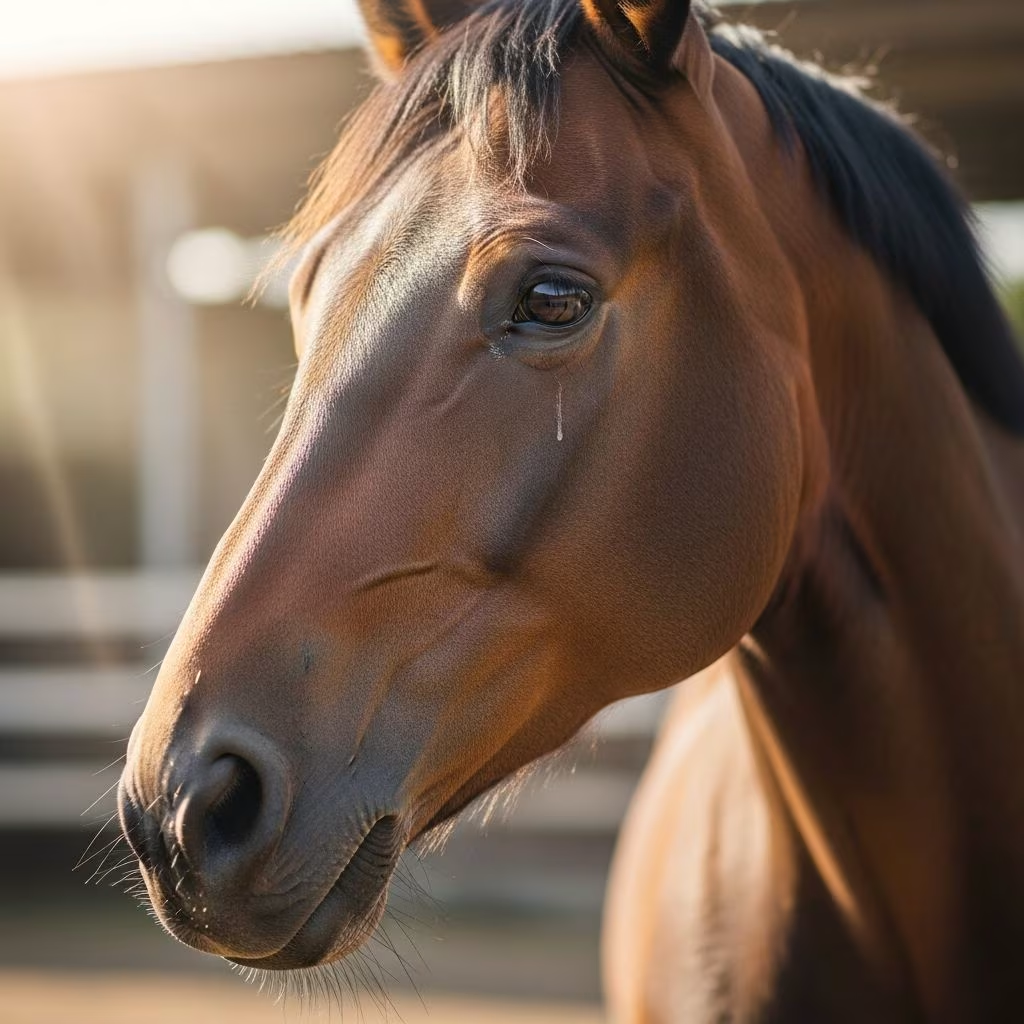
Horses, like many animals, can suffer from allergic reactions that impact their skin, respiratory system, and overall comfort. These conditions often arise from environmental triggers, leading to symptoms that require prompt attention from owners and veterinarians. Understanding the underlying mechanisms helps in early detection and effective management.
Understanding the Roots of Equine Allergies
Allergic responses in horses occur when the immune system overreacts to harmless substances, mistaking them for threats. Common culprits include airborne particles such as pollen from seasonal plants, mold spores in hay or bedding, and dust from stables. In some cases, insects like Culicoides midges provoke reactions, especially during warmer months. Food sensitivities to grains or certain feeds, as well as contact with topical products like shampoos, can also play a role. Genetic predisposition may heighten susceptibility in certain breeds or bloodlines.
These triggers stimulate the release of histamines and other inflammatory chemicals, causing localized or widespread discomfort. Seasonal patterns often align with pollen peaks in spring or fall, while year-round issues might stem from stable dust or persistent insect exposure.
Recognizing Common Clinical Signs
Owners should watch for visible changes in their horse’s behavior and appearance. Dermatological manifestations are frequent, including raised welts known as urticaria or hives, which appear suddenly and can spread across the neck, legs, or flanks. Affected skin often becomes intensely itchy, prompting rubbing against fences or trees, which may lead to hair loss, abrasions, or secondary infections.
- Hives: Circular, edematous swellings that blanch under pressure and resolve within hours or days.
- Pruritus (itching): Excessive scratching or biting at affected areas.
- Erythema and scaling: Redness and flaky skin patches.
Respiratory involvement presents as coughing, nasal discharge, wheezing, or labored breathing, resembling conditions like recurrent airway obstruction (RAO). In severe cases, horses exhibit restlessness, head shaking, or avoidance of exercise.
Diagnostic Approaches for Accurate Identification
Determining the exact allergen demands a systematic evaluation. Veterinary history-taking covers recent environmental changes, feed switches, or new tack. Physical exams check for patterns in lesion distribution—legs might indicate insect bites, while widespread hives suggest systemic triggers.
Allergy testing via intradermal skin prick or serum IgE blood analysis pinpoints specific sensitivities. These methods expose small skin areas or blood samples to diluted extracts of pollens, molds, or insects, gauging reactions. Exclusion trials, where potential allergens are removed one by one, provide additional clues.
| Method | Description | Advantages | Limitations |
|---|---|---|---|
| Intradermal Testing | Injections into skin with allergen extracts | High specificity; immediate results | Requires sedation; potential false positives |
| Serum Testing | Blood analysis for allergen-specific antibodies | Non-invasive; good for multiple allergens | Less sensitive; lab-dependent |
| Trial Diets/Exposures | Controlled removal of suspects | Practical for feed/contact allergies | Time-consuming; owner compliance needed |
Immediate Relief and Symptomatic Care
While pinpointing causes, symptom control prevents self-trauma. Topical therapies like soothing lotions or antihistamine shampoos offer localized relief. Systemic medications form the cornerstone: corticosteroids such as dexamethasone or prednisolone reduce inflammation rapidly, administered orally, injectably, or topically. Antihistamines like hydroxyzine curb itching but are less potent alone.
For respiratory distress, bronchodilators and nebulized treatments improve airflow. Owners must monitor for side effects like immunosuppression from prolonged steroid use.
Long-Term Strategies: Immunotherapy and Desensitization
For chronic cases, allergen-specific immunotherapy (ASIT) builds tolerance. After testing, custom vaccines deliver escalating doses of allergens via injection or sublingual routes, retraining the immune response over months to years. Success rates are promising, with many horses achieving reduced symptoms or remission.
Nutritional support enhances outcomes. Diets low in dust, paired with omega-3 fatty acid supplements (e.g., 1.5g DHA daily), accelerate improvement in inflammatory airway conditions by modulating immune pathways.
Preventive Measures in Daily Management
Proactive environmental tweaks minimize exposure. Stabling horses outdoors during high-pollen periods or using dust-free bedding curbs inhalant allergies. Insect control via screens, repellents, and prompt manure removal targets bug-related issues. Feed soaked hay or complete pelleted rations to eliminate mold risks.
- Vacuum stalls regularly to reduce dust accumulation.
- Choose low-allergen feeds and avoid new supplements without trials.
- Maintain clean tack and grooming tools.
- Monitor seasonal changes and adjust turnout accordingly.
Special Considerations for Seasonal and Insect-Related Allergies
Fall allergies often spike with ragweed pollen and cooling weather, manifesting as hives or heaves. Sweet itch, from Culicoides bites, causes mane and tail rubbing, treatable with fly sheets and topical steroids. Distinguishing these aids targeted prevention.
FAQs
What are the most common allergens for horses?
Pollen, mold, dust, insects, and certain feeds top the list, varying by region and season.
How quickly do allergy symptoms appear in horses?
Skin reactions can emerge within minutes to hours; respiratory signs may build over days.
Are allergy tests reliable for horses?
Yes, when performed by specialists, they guide precise immunotherapy with good accuracy.
Can diet alone manage equine allergies?
It supports but rarely resolves severe cases; combine with medical interventions.
Is immunotherapy safe for all horses?
Generally yes, under vet supervision, though monitoring for rare reactions is essential.
When to Consult a Veterinarian Urgently
Seek immediate care for facial swelling, breathing difficulties, or non-resolving hives, as these signal anaphylaxis risks. Regular check-ups track progress and adjust plans.
References
- Allergies in Horses — Merck Veterinary Manual. 2023. https://www.merckvetmanual.com/horse-owners/skin-disorders-of-horses/allergies-in-horses
- Addressing Equine Fall Allergies: Understanding Symptoms and Treatment — Premiere Equine Vet Service. 2023. https://www.premierequinevetservice.com/news/addressing-equine-fall-allergies-understanding-symptoms-and-treatment/
- Identifying the Signs & Managing Allergies in Horses — SmartPak Equine. 2023. https://www.smartpakequine.com/learn-health/allergies
- Hives and Skin Allergies — Park City Equine Center. 2023. https://www.parkcityequinecenter.com/horse-vet-blog/hives-and-skin-allergies
- Allergies in Horses: Causes, Symptoms, and Treatments — Advanced Equine HV. 2023. https://www.advancedequinehv.com/allergies-in-horses/



