

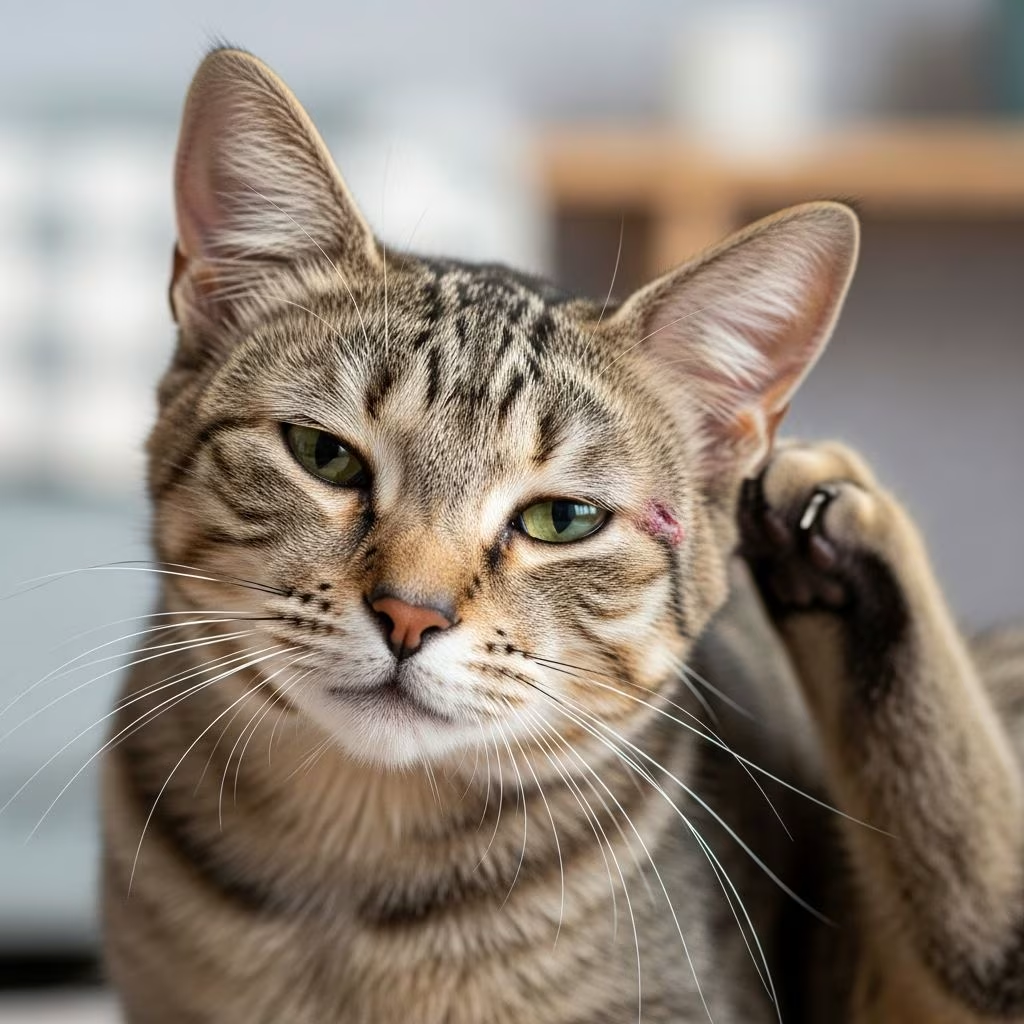
Allergies in Cats: Understanding Your Feline’s Health
Allergies are a common health concern that affects many cats, ranging from mild irritation to severe reactions that significantly impact quality of life. Just like humans, cats can develop allergic reactions to various substances in their environment, food, or parasites. Understanding the different types of allergies, recognizing symptoms early, and implementing appropriate treatment strategies can help keep your feline companion comfortable and healthy. This comprehensive guide explores the various aspects of cat allergies and provides valuable information for cat owners seeking to improve their pet’s wellbeing.
What Are Allergies in Cats?
Allergies in cats occur when the immune system overreacts to a substance that is typically harmless. When a cat’s body encounters an allergen, it triggers an exaggerated immune response that can manifest in various ways, from skin irritation to respiratory symptoms. Allergies are not contagious and develop over time as the immune system becomes sensitized to specific triggers. Understanding that allergies are a chronic condition requiring ongoing management helps pet owners set realistic expectations for their cat’s care.
Types of Allergies in Cats
Cats can experience several distinct types of allergies, each with unique characteristics and treatment approaches. Identifying which type your cat has is crucial for developing an effective management plan.
Environmental Allergies (Atopic Dermatitis)
Environmental allergies, also known as atopy, are among the most common allergic conditions in cats. This condition develops when cats are exposed to airborne allergens or environmental triggers that cause their immune systems to overreact. Common environmental allergens include pollen, fungi, mold, dust, grass, and weeds, which can trigger reactions affecting breathing or causing itchy skin dermatitis. Indoor allergens also play a significant role, including perfume, smoke, certain cleaning products, some flea-control products, prescription drugs, and specific types of cat litter. Environmental allergies often follow seasonal patterns, with symptoms worsening during certain times of the year when allergen levels peak in the environment.
Flea Allergy Dermatitis
Flea allergy dermatitis is a hypersensitivity reaction to flea saliva, representing one of the most common allergic skin diseases in cats. What makes this condition particularly challenging is that cats with severe allergic reactions can become extremely itchy from even a single flea bite, leading to aggressive itching and scratching. This intense scratching can cut or damage the skin, increasing the risk of secondary bacterial infections and creating a cycle of further itchiness and skin wounds. The severity of the reaction is disproportionate to the number of fleas present, making prevention essential for affected cats.
Food Allergies
Food allergies occur when a cat’s immune system reacts adversely to certain food ingredients. Common perpetrators in commercial cat food include beef, dairy, wheat, and chicken. Food allergies develop over time with repeated exposure to the offending ingredient and can affect cats at any age. Unlike environmental allergies, food allergies do not follow seasonal patterns and persist year-round unless the triggering ingredient is completely eliminated from the diet. Your veterinarian can help determine which foods or ingredients are causing the allergic reaction and recommend appropriate dietary modifications or specialized prescription diets.
Common Symptoms of Allergies in Cats
Recognizing allergy symptoms early allows for prompt intervention and prevents complications. Cat allergies can manifest in various ways depending on the type of allergy and individual sensitivity:
- Respiratory symptoms such as sneezing, coughing, and wheezing, especially prevalent in cats with asthma
- Ocular symptoms including watery or runny, itchy eyes
- Ear problems including frequent ear infections and ear inflammation
- Gastrointestinal troubles such as vomiting and diarrhea
- Snoring caused by throat inflammation
- Swollen, tender paws and paw pad inflammation
- Over-grooming and excessive self-licking behaviors
- Hair loss and skin changes including itchy, inflamed, red, crusty, or dry skin
- Anaphylaxis in rare severe cases requiring emergency medical attention
Symptoms can vary significantly between individual cats, and some cats may display only one or two signs while others experience multiple manifestations simultaneously. The severity of symptoms may fluctuate seasonally for environmental allergies or remain constant for food allergies.
Diagnosis of Cat Allergies
Proper diagnosis is essential for effective treatment. Veterinarians use several diagnostic approaches depending on the suspected allergy type. For environmental allergies, allergy blood tests (most commonly IgE blood tests) or intradermal skin testing can identify specific allergens triggering reactions. These tests help create customized treatment plans tailored to your cat’s specific sensitivities. For food allergies, elimination diets remain the gold standard, involving feeding a prescription diet with limited ingredients for 8-12 weeks to identify problematic foods. During this trial period, all other food sources, treats, and flavored medications must be eliminated to ensure accurate results. Your veterinarian may also perform skin scrapings or fungal cultures to rule out parasitic or fungal infections that can mimic allergy symptoms.
Treatment Options for Cat Allergies
Treatment approaches vary based on the allergy type, severity, and individual cat response. A comprehensive management plan often incorporates multiple treatment strategies to achieve optimal results.
Corticosteroid Therapy
Corticosteroids represent one of the most effective treatments for cat allergies. Steroids will dramatically block the allergic reaction in most cases and rapidly improve the cat’s clinical signs. Corticosteroids can be administered orally or by injection, depending on the cat’s condition and veterinary recommendation. These medications work by suppressing the immune response and reducing inflammation. They are particularly useful during acute flare-ups when cats experience intense itching and discomfort. For corticosteroid-responsive cats, this treatment provides rapid relief and improves quality of life significantly.
Immunosuppressive Drug Therapy
For cats with chronic atopic dermatitis, immunosuppressive medications such as cyclosporine (Atopica®) offer an alternative to long-term corticosteroid use. These drugs specifically target the immune cells involved in atopic dermatitis to reduce the hypersensitivity reaction the body is experiencing. Unlike corticosteroids, cyclosporine can take up to 30 days to reach maximum effectiveness, making it unsuitable for sudden allergic flare-ups. However, it offers benefits for long-term management and reduces the need for repeated steroid injections.
Allergen-Specific Immunotherapy (Allergy Shots)
Allergen-specific immunotherapy, commonly called allergy shots or desensitization therapy, represents a long-term treatment approach for chronic environmental allergies. Once specific allergens are identified through blood tests or intradermal skin testing, a customized allergy serum is created using small amounts of the allergens your cat is sensitive to. This serum is administered through a series of injections or liquid drops placed under the tongue. The goal is to reprogram the body’s immune system response to the allergens. It is hoped that the immune system will become less reactive to the allergens as time passes. For most cats, a realistic goal is to reduce the severity of itching rather than eliminate it entirely. Some cats experience complete resolution of symptoms, while others may notice minimal improvement. Corticosteroids may be used concurrently until the allergy shots become effective, which can take up to 12 months.
Topical Treatments
Topical therapies play an important role in managing skin symptoms and maintaining coat health. Options include prescription shampoos, ear flushes, anti-inflammatory topicals, and specialized lotions, ointments, ear drops, or eye drops. These products help soothe irritated skin, reduce inflammation, and prevent secondary infections. Regular bathing with therapeutic shampoos can provide relief from itching and remove allergens from the coat. Topical treatments work best as part of a comprehensive management strategy combined with systemic medications.
Antihistamines
Over-the-counter antihistamines like Benadryl (diphenhydramine), Zyrtec (cetirizine), and Claritin (loratadine) can help manage mild allergic symptoms by blocking histamine release. Veterinary antihistamines such as chlorpheniramine are specifically formulated for cats and may be more effective than human products. Antihistamines work best for prevention when given regularly rather than as needed, and they are particularly effective for cats with mild seasonal allergies.
Antibiotics and Antifungals
When allergic skin disease leads to secondary bacterial or fungal infections, appropriate antibiotics or antifungals become necessary. If a secondary bacterial skin infection occurs from flea allergy dermatitis, antibiotics are generally prescribed for two to four weeks to eliminate the infection. Common medications include Convenia for bacterial infections and itraconazole for fungal infections. Treating secondary infections is crucial for preventing further skin damage and reducing overall discomfort.
Additional Therapeutic Options
Depending on individual circumstances, veterinarians may recommend pain medications such as Onsior or gabapentin to manage discomfort associated with severe allergic reactions. Anti-diarrheal protocols including probiotics, bland diets, and fiber supplementation address gastrointestinal symptoms. Anti-nausea medications like Cerenia or Ondansetron help cats experiencing vomiting or nausea. In severe cases requiring hospitalization, oxygen supplementation may be necessary to support respiratory function during anaphylactic reactions.
Managing Flea Allergy Dermatitis
Flea prevention is absolutely critical for cats with flea allergy dermatitis, as even minimal flea exposure can trigger severe reactions. Year-round flea prevention using prescription products recommended by your veterinarian is essential. Additionally, corticosteroids are often a necessary part of initial treatment to provide relief from intense itching during the acute phase. Maintaining a clean environment, regular grooming, and treating all pets in the household prevents reinfection and maintains flea control.
Managing Environmental Allergies (Atopy)
Environmental allergy management involves multiple approaches tailored to the allergy season length. For seasonal allergies, corticosteroids combined with therapeutic spot-on treatments, sprays, and medicated shampoos often provide adequate control. Improving indoor air quality through regular cleaning, using air purifiers, and minimizing dust and mold can reduce allergen exposure. For year-round symptoms, long-term management strategies become necessary, potentially including immunotherapy or immunosuppressive medications. Atopic dermatitis is a lifelong disease requiring ongoing management and regular veterinary evaluations to adjust treatment plans as needed.
Managing Food Allergies
The most effective treatment for food allergies is eliminating the offending food from your cat’s diet. An elimination diet trial lasting 8-12 weeks helps identify problematic ingredients with certainty. Once triggers are identified, feeding a prescription diet or home-prepared diet avoiding those ingredients provides permanent relief. Some cats may tolerate limited-ingredient commercial diets formulated for allergic cats. Success requires strict adherence to the recommended diet and careful attention to treat choices and medication formulations.
Long-Term Allergy Management
Effective allergy management requires understanding and reasonable expectations from pet owners and frequent progress evaluations so treatment plans can be adjusted as needed. A good management strategy typically involves using several different treatments simultaneously rather than relying on a single therapy. Treatments used during sudden flare-ups often differ from those used for long-term maintenance. Working closely with your veterinarian and following their instructions closely ensures optimal outcomes and quality of life for your allergic cat.
Frequently Asked Questions About Cat Allergies
Q: Can cats develop allergies at any age?
A: Yes, cats can develop allergies at any age, though allergies often develop over time with repeated exposure to allergens. Some cats show symptoms early in life, while others develop allergies later as their immune systems become sensitized to specific triggers.
Q: Are there hypoallergenic cat breeds?
A: No. All cats produce allergens found on their fur, skin, and in their saliva. Characteristics such as hair length, sex, and indoor versus outdoor living are not associated with allergen levels. Studies have not shown that any cat breed is truly hypoallergenic.
Q: How long does it take for allergy shots to work?
A: Allergen-specific immunotherapy can take up to 12 months to reach full effectiveness. Most cats begin showing improvement within several months, but individual response times vary. During this period, corticosteroids may be used to manage acute symptoms.
Q: Can food allergies be cured?
A: Food allergies cannot be cured, but they can be permanently managed by eliminating the offending ingredient from your cat’s diet. Once you identify trigger foods through an elimination diet, feeding your cat a diet avoiding those ingredients provides lasting relief.
Q: What should I do if I suspect my cat has allergies?
A: Schedule an appointment with your veterinarian who can perform appropriate diagnostic testing, rule out other conditions mimicking allergies, and develop a personalized treatment plan for your cat’s specific situation.
Q: Can allergy medications have side effects in cats?
A: Most allergy medications are well-tolerated in cats when prescribed at appropriate doses. However, long-term corticosteroid use may lead to increased thirst, appetite, and urination. Your veterinarian will monitor your cat and adjust treatment as needed to minimize side effects.
References
- Allergies in Cats — VCA Animal Hospitals. Accessed 2025. https://vcahospitals.com/know-your-pet/allergies-in-cats
- Allergies of Cats – Cat Owners — Merck Veterinary Manual. Accessed 2025. https://www.merckvetmanual.com/cat-owners/skin-disorders-of-cats/allergies-of-cats
- Cat Allergies: Types and Symptoms — PetMD. Accessed 2025. https://www.petmd.com/cat/conditions/systemic/allergies-cats
- What Can I Give My Cat for Allergies? — Montecito Pet Hospital. 2022. https://www.montecitopethospital.com/site/blog/2022/04/30/cat-allergies
- Pet Allergy – Symptoms & Causes — Mayo Clinic. Accessed 2025. https://www.mayoclinic.org/diseases-conditions/pet-allergy/symptoms-causes/syc-20352192
- Allergic Conditions: Pet Allergies — American College of Allergy, Asthma and Immunology (ACAAI). Accessed 2025. https://acaai.org/allergies/allergic-conditions/pet-allergies/



