

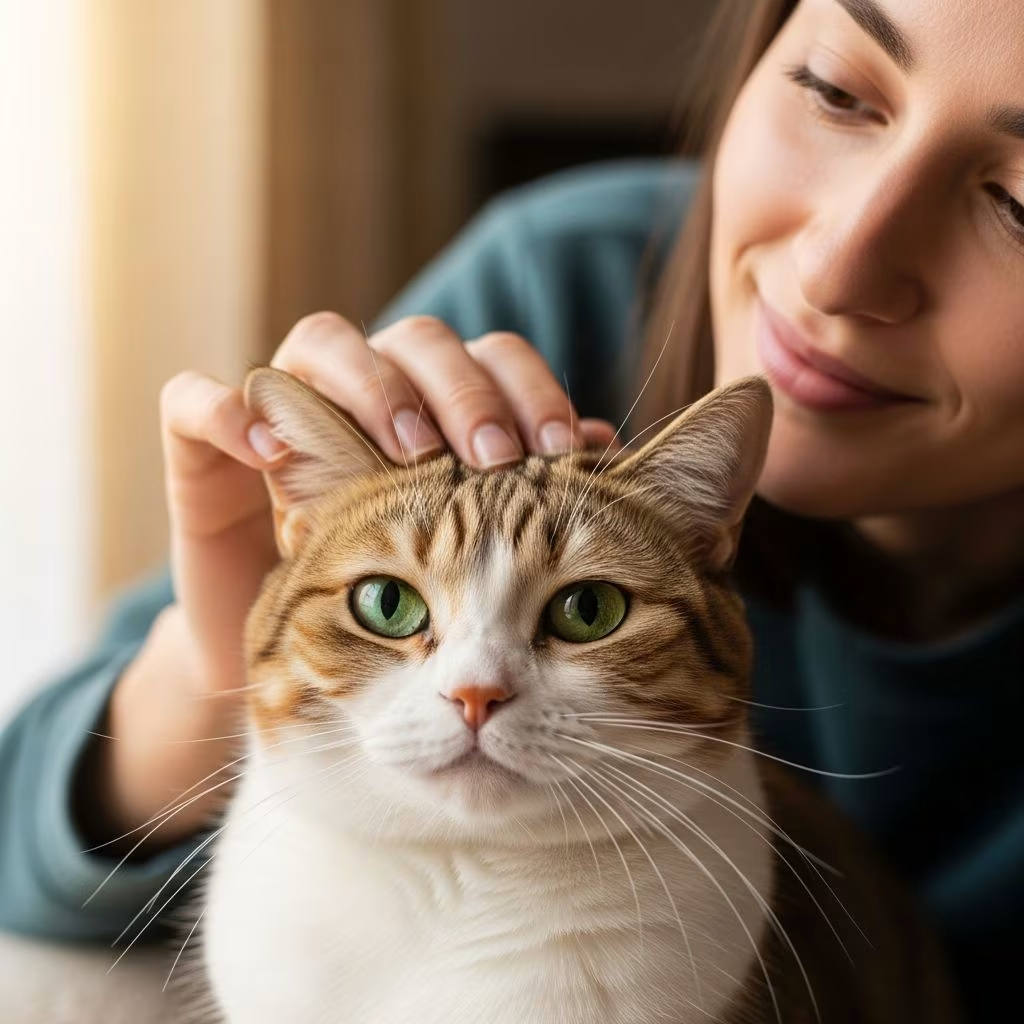
Cat allergies affect millions, causing sneezing, itchy eyes, and respiratory issues from proteins in cat saliva, urine, and dander. Yet, the desire for feline companionship remains strong. This comprehensive guide explores practical solutions, from selecting low-allergen breeds to medical interventions and environmental controls, enabling allergy sufferers to welcome cats into their homes.
Understanding Cat Allergies
Cat allergies stem primarily from Fel d 1, a potent protein produced in cat saliva, skin glands, and urine. Cats spread it via grooming, embedding it in dander that becomes airborne. Contrary to myth, no cat is truly hypoallergenic, but some produce less Fel d 1 or shed minimally, reducing exposure. Symptoms include nasal congestion, watery eyes, coughing, skin rashes, and asthma exacerbation. Severity varies; mild cases cause discomfort, while severe ones may require medical attention. Genetic predisposition and environmental factors influence reactions. Testing via skin prick or blood IgE levels confirms sensitivity.
Key allergens persist in homes for months, even after rehoming a cat, necessitating thorough cleaning. Children and adults react differently; kids may outgrow allergies, but adults often face lifelong challenges. Early intervention improves quality of life for both human and pet.
Hypoallergenic Cat Breeds: The Best Choices for Allergy Sufferers
While no breed eliminates allergens, certain ones minimize them through low Fel d 1 production, reduced shedding, or hairless traits. Selecting wisely reduces symptoms significantly. Consult an allergist before adoption.
- Siberian: Paradoxically low in Fel d 1 due to genetic mutation; thick coat sheds but produces fewer allergens. Studies show 75% lower reactivity.
- Balinese (long-haired Siamese): Minimal shedding, fine coat traps dander; low allergen output akin to Siamese.
- Sphynx: Hairless, so no dander-trapping fur; requires weekly baths to remove skin oils containing Fel d 1.
- Devon Rex and Cornish Rex: Curly, sparse coats shed less; oily skin needs regular wiping.
- Russian Blue: Short, dense double coat with low shedding; saliva has reduced allergens.
These breeds suit allergy-prone owners but require grooming routines. Shelters often list them; meet before adopting to test personal reactions.
Tips for Reducing Cat Allergens in Your Home
Environmental controls drastically cut allergen levels. Combine multiple strategies for best results.
- Bathe your cat weekly: Removes 84% of allergens from fur; use gentle, allergen-reducing shampoos. Air-dry to avoid stress.
- High-efficiency air purifiers: HEPA filters capture dander; place in bedrooms and living areas.
- Ventilation and humidity control: Keep humidity below 50% to limit mite growth; use exhaust fans.
- Wash bedding frequently: Cat and human linens in hot water weekly; encase mattresses in allergen-proof covers.
- Limit cat zones: Ban cats from bedrooms; use baby gates for separation.
- Sticky rollers and grooming tools: Daily fur removal prevents spread.
- Hard surfaces and minimal fabrics: Leather furniture, tile floors easier to clean than carpets/upholstery.
Vacuum with HEPA bags twice weekly. These steps, per ACAAI, can reduce airborne allergens by up to 90%.
Medications and Treatments for Cat Allergy Sufferers
Over-the-counter and prescription options manage symptoms effectively.
- Antihistamines: Cetirizine (Zyrtec), loratadine (Claritin), fexofenadine block histamine. Non-drowsy; daily use for sneezing/itching.
- Nasal corticosteroids: Fluticasone (Flonase) reduces inflammation; safe long-term for congestion.
- Eye drops: Antihistamine formulations for itchy eyes.
- Decongestants and bronchodilators: For respiratory relief; combine cautiously.
For severe cases, consult specialists. Mayo Clinic recommends starting with OTC before escalating.
Immunotherapy: The Long-Term Solution
Allergen-specific immunotherapy (allergy shots or sublingual drops) desensitizes the immune system. Involves gradual exposure to Fel d 1 over 3-5 years. Success rate: 70-80% symptom reduction. NIH research shows enhanced shots with TSLP inhibitors provide lasting relief post-treatment. Vets test for allergens first; effective for chronic sufferers unwilling to rehome pets.
Can You Build Tolerance to Cat Allergies?
Gradual exposure may milden reactions over time, especially in children. Start with short visits, progress to longer interactions. Combine with meds. Studies indicate immune adaptation possible, but not guaranteed. Monitor symptoms; seek professional advice.
Lifestyle Changes for Allergy Sufferers with Cats
Holistic adjustments enhance comfort:
- Daily HEPA vacuuming and damp mopping.
- Plant-based air purifiers like spider plants.
- Personal hygiene: Wash hands/face post-pet contact; change clothes.
- Diet: Omega-3 supplements may reduce inflammation.
| Strategy | Allergen Reduction | Effort Level |
|---|---|---|
| Weekly baths | 84% | Medium |
| HEPA filters | 70-90% | Low |
| No bedroom access | High (sleep improvement) | Low |
| Immunotherapy | 70-80% long-term | High |
Frequently Asked Questions (FAQs)
Are there truly hypoallergenic cats?
No cat is 100% hypoallergenic, but breeds like Siberian and Sphynx produce fewer allergens, making them better for sensitive individuals.
How often should I bathe my cat for allergies?
Once weekly with allergen-reducing shampoo; more frequent risks dry skin.
Can allergy shots cure cat allergies?
They desensitize, reducing symptoms by 70-80% long-term, but not a full cure. Commitment required.
Will my allergies improve over time with a cat?
Some build tolerance via exposure, but results vary; meds aid the process.
What if medications don’t help?
Consult an allergist for immunotherapy or environmental overhaul.
Special Diets and Supplements for Cats to Reduce Allergens
Emerging Purina Pro Plan LiveClear diet alters Fel d 1 in saliva via egg protein antibodies. Fed daily, reduces active allergens by 47% after 3 weeks. Vet-approved; not a cure-all but aids human allergies. Omega-3 supplements for cats support skin health, indirectly minimizing dander.
Professional Cleaning and Maintenance
Steam clean carpets/upholstery quarterly. Professional duct cleaning removes built-up dander. These amplify home efforts.
With dedication, 80% of sufferers report manageable symptoms. Prioritize health; rehome humanely if needed.
References
- Allergies in Cats — VCA Animal Hospitals. 2023. https://vcahospitals.com/know-your-pet/allergies-in-cats
- Pets, Dog and Cat Allergies | Symptoms & Treatment — ACAAI Public Website. 2024-01-15. https://acaai.org/allergies/allergic-conditions/pet-allergies/
- Pet allergy – Diagnosis & treatment — Mayo Clinic. 2023-05-20. https://www.mayoclinic.org/diseases-conditions/pet-allergy/diagnosis-treatment/drc-20352198
- Experimental cat allergy shots provide longer-lasting relief — NIH Research Matters. 2022-10-10. https://www.nih.gov/news-events/nih-research-matters/experimental-cat-allergy-shots-provide-longer-lasting-relief
- What Can I Give My Cat for Allergies? — Montecito Pet Hospital. 2022-04-30. https://www.montecitopethospital.com/site/blog/2022/04/30/cat-allergies
- Prescription Medications: What Works Best for Cat Allergies? — NH Animal Hospital. 2023. https://www.nhah.com/blog/1337913-prescription-medications-what-works-best-for-cat-allergies



