

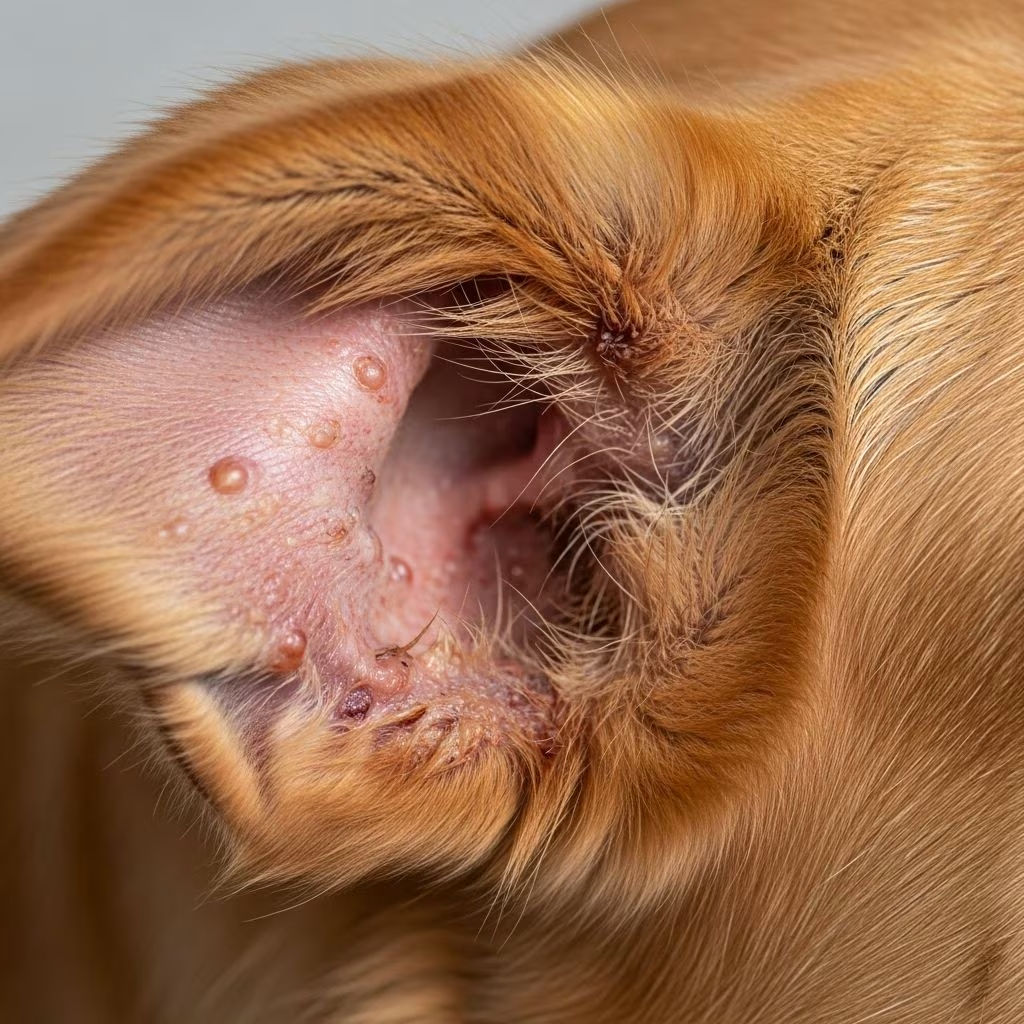
Allergies frequently manifest in the ears of dogs and cats, causing discomfort, inflammation, and secondary infections that demand prompt veterinary care. These reactions often stem from environmental triggers or food sensitivities, leading to chronic issues if unmanaged.
Recognizing Signs of Ear Allergies in Pets
Pet owners often first notice subtle behavioral changes when allergies affect the ears. Dogs and cats may shake their heads vigorously or paw at their ears excessively, attempting to alleviate intense itching. This can progress to more visible symptoms such as redness along the ear flaps, known as the pinna, and a buildup of dark, waxy discharge with a yeasty odor.
- Head shaking or tilting, indicating irritation deep within the ear canal.
- Frequent scratching that leads to hair loss or scabs on the ear edges.
- Swelling or warmth in the ear tissue, signaling inflammation.
- Discharge ranging from yellowish to black, often accompanied by a foul smell from bacterial overgrowth.
- Sensitivity to touch, where pets pull away or vocalize in pain during examination.
In advanced cases, untreated allergic responses can cause the ears to crust over or develop ulcers, exacerbating discomfort and risking permanent damage to the cartilage. Early observation of these signs is crucial, as allergies predispose pets to recurrent infections.
Common Culprits Behind Ear Allergies
Allergies in pets are primarily divided into environmental and food-related types, both of which target the skin and ear canals due to their moist environment. Environmental allergens like pollen, dust mites, and molds enter through the skin or respiratory tract, provoking an immune overreaction that concentrates in the ears.
Food allergies, though less common, often involve proteins in diets such as beef, dairy, or chicken, leading to year-round symptoms unaffected by seasons. Unlike humans, pets rarely sneeze from these allergies; instead, they exhibit skin and ear problems. Other contributing factors include ear mites or structural issues like narrow canals, which trap allergens and moisture, fostering yeast and bacterial proliferation.
| Allergen Type | Common Triggers | Prevalence in Dogs vs. Cats |
|---|---|---|
| Environmental | Pollen, dust mites, molds | More common in dogs; seasonal flares |
| Food | Proteins (chicken, beef) | Similar in both; persistent symptoms |
| Secondary Infections | Yeast, bacteria | Frequent in both due to allergy weakening barriers |
Diagnostic Approaches for Accurate Identification
Veterinarians employ a multi-step process to pinpoint allergy-related ear issues. Initial physical exams reveal inflammation levels and discharge characteristics. Cytology, involving microscopic analysis of ear swab samples, identifies yeast, bacteria, or mites with high precision.
For deeper insights, cultures test bacterial sensitivities, while blood or skin tests detect specific allergens. In food allergy suspicions, elimination diets—lasting 8-12 weeks—help confirm triggers by observing symptom resolution. Imaging or biopsies may be used for chronic cases to rule out tumors or polyps. This systematic diagnosis ensures treatments target root causes rather than symptoms alone.
Treatment Strategies to Restore Ear Health
Effective management combines immediate relief with long-term control. Cleaning the ears removes debris, preventing infection perpetuation; vet-recommended solutions like Epi-Otic are gentle for home use.
Medicated drops address infections: antibiotics for bacteria, antifungals for yeast, often combined with anti-inflammatories like steroids to reduce swelling. For allergies, antihistamines provide mild relief, while severe cases benefit from oral medications such as prednisolone or Apoquel for dogs.
- Topical therapies: Drops like Tresaderm for multi-action treatment.
- Oral medications: NSAIDs or steroids for pain and inflammation.
- Immunotherapy: Custom vaccines based on testing for environmental allergies, offering 60-80% success rates long-term.
Dietary adjustments, including hypoallergenic foods, resolve food-related issues in many pets. Cold laser therapy aids healing by reducing pain and promoting tissue repair.
Preventive Measures for Long-Term Wellness
Prevention focuses on minimizing exposure and maintaining ear hygiene. Regular cleaning, especially post-bathing for dogs, prevents buildup. Allergy testing guides immunotherapy or avoidance strategies, such as air purifiers for indoor allergens.
Hypoallergenic diets and flea control reduce triggers. Routine vet check-ups catch issues early, with rechecks post-treatment ensuring full resolution. Consistent management can significantly cut recurrence rates.
Special Considerations for Dogs and Cats
Dogs: Managing Prone Breeds
Breeds like Labrador Retrievers and Bulldogs suffer frequent ear allergies due to floppy ears trapping moisture. Seasonal flares demand vigilant monitoring, with immunotherapy proving highly effective for pollen sensitivities.
Cats: Addressing Subtle Symptoms
Cats often hide discomfort but show head shaking or face rubbing. Food allergies play a larger role, necessitating strict diet trials. Antiparasitics like Revolution target mites alongside allergy care.
Potential Complications and When to Escalate Care
Neglected allergies lead to chronic otitis, scarring, or aural hematomas—blood-filled swellings requiring drainage. Balance issues or hearing loss signal deep infections needing surgery. Seek immediate care for neurological signs like circling.
FAQs on Pet Ear Allergies
Can ear allergies resolve without medication?
Very mild cases might improve with cleaning, but most require prescription treatments to address underlying causes.
How long does treatment typically last?
Initial therapy spans 7-14 days, with rechecks; chronic allergies need ongoing management.
Are over-the-counter remedies safe?
Consult a vet first; antihistamines like Benadryl may help but dosages vary by weight.
Do allergies affect one or both ears?
Bilateral involvement is common in allergies, unlike unilateral issues from foreign bodies.
Is surgery ever necessary for allergic ears?
Yes, for polyps, tumors, or unresponsive chronic infections.
Holistic and Supportive Care Options
Supplements like omega-3 fatty acids support skin health, reducing inflammation. Acupuncture or herbal remedies offer adjunct relief under veterinary guidance. Stress reduction aids immune balance, as anxiety worsens flares.
References
- Effective Treatments for Chronic Ear Dermatitis in Cats — University Parkway Animal Hospital. 2023. https://www.universityparkwayvet.com/blog/1387751-effective-treatments-for-chronic-ear-dermatitis-in-cats
- Cat Ear Infection: Symptoms, Causes, and Treatment — PetMD. 2024-10-15. https://www.petmd.com/cat/conditions/ears/cat-ear-infections
- The Role of Allergies in Pet Ear Problems — Animal Friends Dermatology. 2024-01-22. https://www.animalfriendsdermatology.com/site/blog/2024/01/22/role-allergies-pet-ear-problems
- Itchy Ear Problems — Cornell University College of Veterinary Medicine. 2023. https://www.vet.cornell.edu/departments-centers-and-institutes/riney-canine-health-center/canine-health-information/itchy-ear-problems
- Pet Allergy – Diagnosis & Treatment — Mayo Clinic. 2024. https://www.mayoclinic.org/diseases-conditions/pet-allergy/diagnosis-treatment/drc-20352198



