

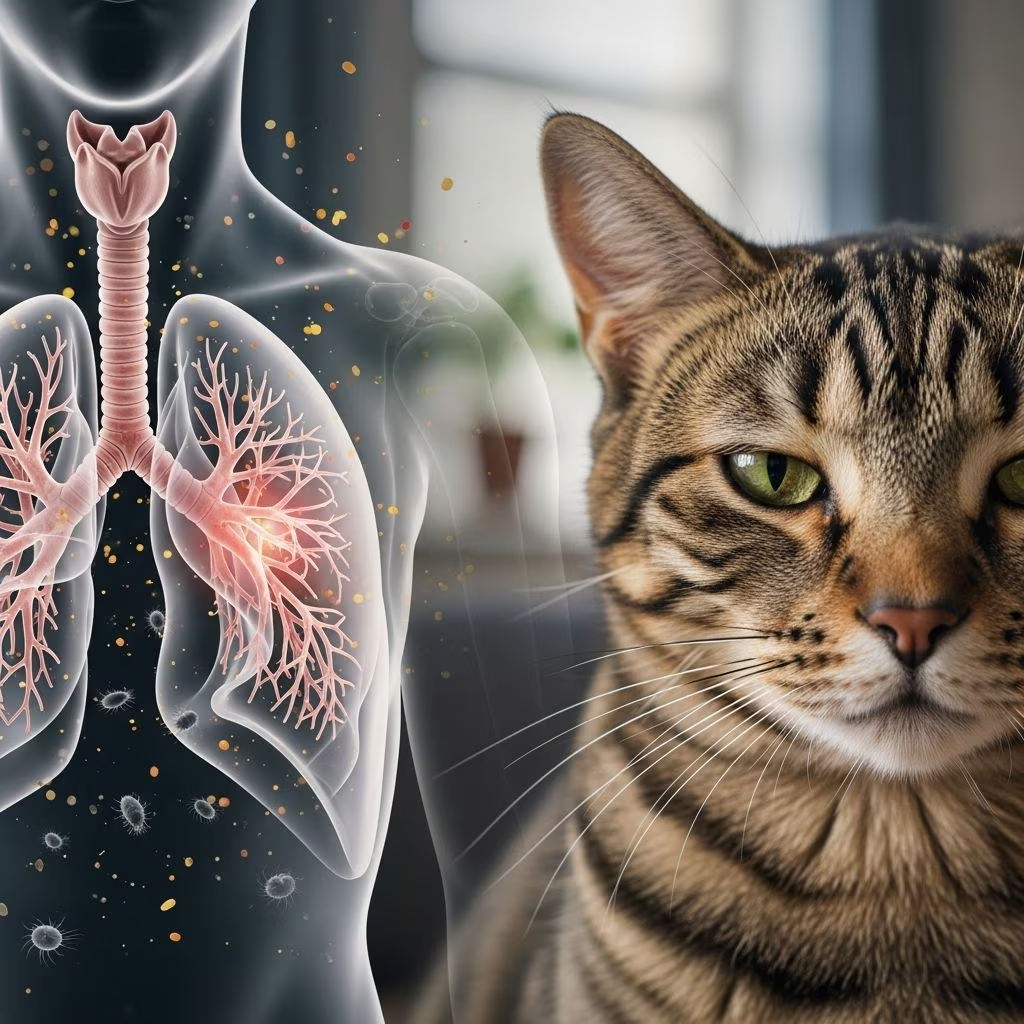
Allergic pneumonitis in cats is an immune-mediated inflammatory condition affecting the lungs and airways, triggered by inhaled allergens or irritants. This hypersensitivity reaction leads to airway inflammation, coughing, and potential breathing difficulties, requiring prompt veterinary intervention for effective management.
Understanding the Mechanisms Behind Feline Allergic Pneumonitis
The condition arises when a cat’s immune system overreacts to environmental substances, such as dust, pollen, mold spores, or even certain grooming products. These particles enter the respiratory tract, prompting an exaggerated response that inflames the lung tissue and bronchioles. Unlike bacterial infections, this is primarily a non-infectious process driven by type III or IV hypersensitivity reactions.
In susceptible felines, repeated exposure sensitizes the airways, leading to eosinophil accumulation—a hallmark of allergic responses. This infiltration causes bronchial spasms, mucus hypersecretion, and tissue swelling, impairing normal gas exchange. Breeds like Siamese and Persians may show genetic predispositions due to conformational traits that hinder airway clearance.
Common Triggers and Risk Factors
Identifying triggers is crucial for prevention. Potential culprits include:
- Household dust mites and molds thriving in humid environments.
- Smoke from tobacco or incense irritating sensitive airways.
- Plant pollens during seasonal changes, especially in outdoor cats.
- Chemical cleaners, perfumes, or aerosol sprays used indoors.
- Litter dust from clay-based products, exacerbating symptoms in enclosed spaces.
Risk factors encompass obesity, which burdens the respiratory system; concurrent conditions like parasitic infections (e.g., heartworm); and age, with middle-aged cats most commonly affected. Environmental stress, such as moving homes or new pets, can heighten susceptibility by altering immune balance.
Recognizing the Warning Signs
Early detection hinges on observing subtle behavioral shifts. The predominant symptom is a persistent cough, often described as dry, hacking, or honking, worsening with activity or excitement. Cats may exhibit open-mouth breathing, rapid shallow respirations (tachypnea), or audible wheezing during exhalation.
Advanced cases present with exercise intolerance, where felines tire quickly during play, or cyanosis—a bluish tint to gums indicating oxygen deprivation. Lethargy, reduced appetite, and weight loss emerge as inflammation progresses. Unlike infectious pneumonia, fever is rare, and nasal discharge is uncommon unless secondary issues arise.
| Symptom | Allergic Pneumonitis | Aspiration Pneumonia | Feline Asthma |
|---|---|---|---|
| Coughing | Chronic, dry/honking | Productive, wet | Paroxysmal wheezing |
| Breathing Pattern | Tachypnea, wheezing | Rapid, labored | Expiratory dyspnea |
| Fever | Absent | Present | Absent |
| Onset | Gradual, seasonal | Acute post-aspiration | Episodic |
Veterinary Diagnostic Approaches
Diagnosis begins with a thorough history, focusing on environmental exposures and symptom chronology. Physical exams reveal increased lung sounds, crackles, or wheezes on auscultation. Radiographs are pivotal, showing diffuse interstitial patterns, bronchial thickening, or hyperinflation without consolidation typical of infections.
Bloodwork assesses eosinophilia, signaling allergic involvement, while fecal tests rule out parasites. Advanced diagnostics include bronchoalveolar lavage (BAL), where fluid samples confirm elevated eosinophils (>20-25%), distinguishing it from neutrophilic inflammations. Allergy testing, though not always definitive, aids in pinpointing specific antigens.
Effective Treatment Strategies
Treatment prioritizes allergen removal alongside pharmacotherapy. Eliminating triggers—switching to low-dust litter, air purifiers, or hypoallergenic diets—forms the foundation.
Pharmacological Interventions:
- Glucocorticoids: Prednisolone (1-2 mg/kg daily, tapered over 10-14 days) reduces inflammation effectively. Inhaled forms like fluticasone minimize systemic effects.
- Bronchodilators: Albuterol or terbutaline opens airways, easing bronchospasm during acute episodes.
- Supportive Care: Oxygen supplementation for dyspneic cats, nebulization with saline to hydrate airways, and nutritional support via feeding tubes if anorexia persists.
Severe cases may necessitate hospitalization for monitoring and IV fluids. Long-term management often involves low-dose maintenance steroids or allergen-specific immunotherapy.
Prognosis and Long-Term Outlook
With early intervention and trigger avoidance, most cats achieve full resolution or excellent control. Prognosis hinges on compliance; untreated cases risk chronic remodeling, fibrosis, or secondary bacterial infections. Regular vet check-ups monitor lung function via repeat imaging.
Owners report 80-90% improvement within weeks of combined therapy, though relapses occur upon re-exposure. Weight management and stress reduction enhance outcomes.
Prevention Tips for Cat Owners
Proactive measures mitigate risks:
- Maintain a clean, dust-free home with HEPA filters and frequent vacuuming.
- Opt for fragrance-free products and fine-particle litters.
- Monitor outdoor air quality, keeping indoor cats during high-pollen days.
- Schedule annual parasite preventives to avert secondary triggers.
- Track symptoms in a journal to identify patterns early.
Annual wellness exams facilitate baseline respiratory assessments.
FAQs on Allergic Pneumonitis in Cats
What is the difference between allergic pneumonitis and feline asthma?
Both involve airway hypersensitivity, but allergic pneumonitis emphasizes lung parenchymal inflammation with eosinophilic infiltrates, while asthma focuses on reversible bronchoconstriction.
Can my cat fully recover from this condition?
Yes, most cats recover completely if allergens are removed and treatment starts promptly, though lifelong management may be needed for recurrent cases.
Is surgery ever required for allergic pneumonitis?
No, it’s managed medically; surgery is reserved for rare complications like lung lobe collapse unresponsive to therapy.
How long does treatment typically last?
Acute cases resolve in 2-4 weeks; chronic ones may require 3-12 weeks of tapering steroids.
Are certain cat breeds more prone?
Siamese, Bengal, and Himalayan breeds show higher incidence due to airway anatomy.
References
- Aspiration Pneumonia in Cats: Signs, Causes, and Treatment — PetMD. 2023. https://www.petmd.com/cat/conditions/respiratory/aspiration-pneumonia-cats
- Allergic Pneumonitis in Dogs and Cats — MSD Veterinary Manual. 2024. https://www.msdvetmanual.com/respiratory-system/respiratory-diseases-of-small-animals/allergic-pneumonitis-in-dogs-and-cats
- Types of Pneumonia in Cats & Symptoms to Watch For — Carolina Veterinary Specialists. 2021-02-28. https://www.matthews.carolinavet.com/site/pet-health-blog/2021/02/28/aspiration-pneumonia-in-cats
- Pneumonia in Cats – Causes, Symptoms & Treatment — Germantown Animal Hospital. 2020-07-29. https://www.germantownah.com/site/blog-memphis-vet/2020/07/29/signs-of-pneumonia-in-cats
- Asthma and Bronchitis in Cats — VCA Animal Hospitals. 2024. https://vcahospitals.com/know-your-pet/inhalant-treatment-for-feline-asthma-and-bronchitis
- Respiratory Infections — Cornell University College of Veterinary Medicine. 2023. https://www.vet.cornell.edu/departments-centers-and-institutes/cornell-feline-health-center/health-information/feline-health-topics/respiratory-infections



