

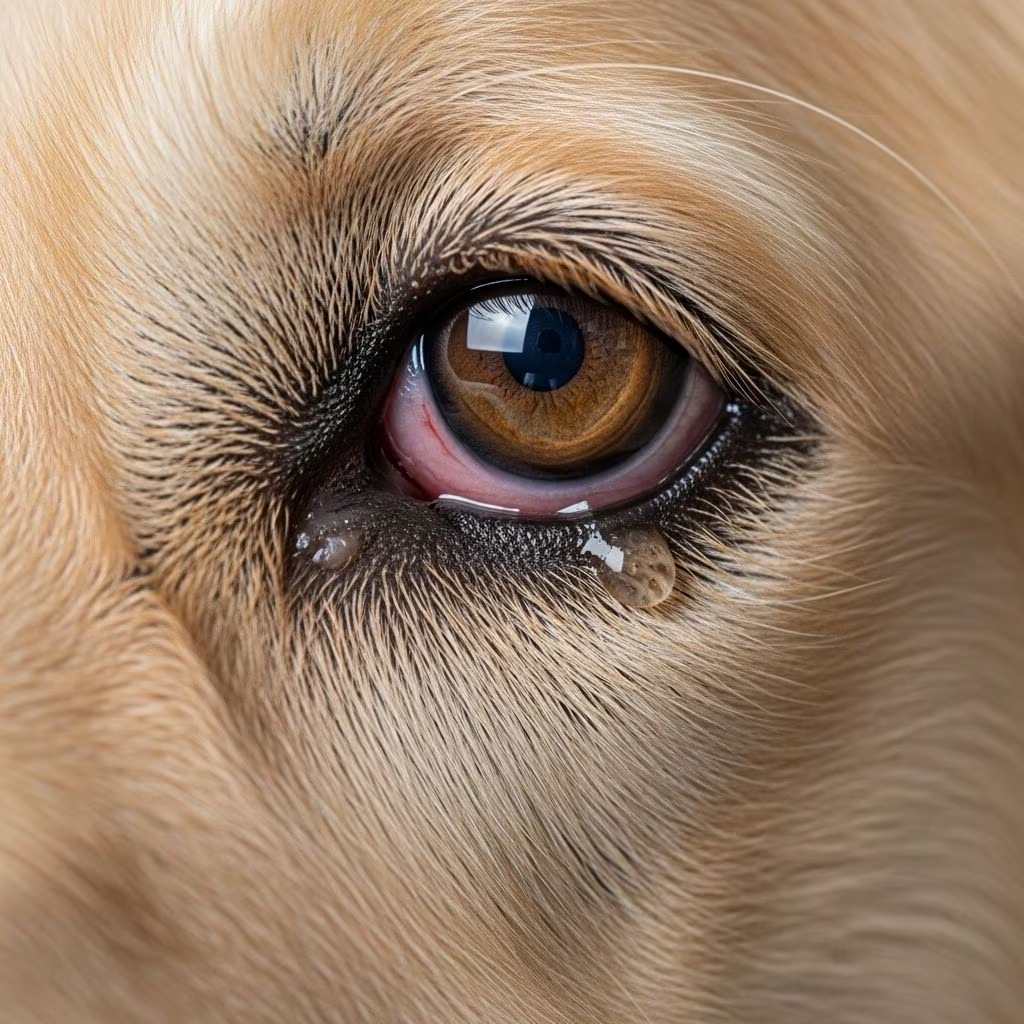
Allergic conjunctivitis affects many dogs and cats, causing discomfort through red, itchy, and watery eyes. This condition arises when pets’ eyes react to environmental allergens, leading to inflammation of the conjunctiva, the thin membrane covering the eye and inner eyelids.
Understanding the Basics of Pet Eye Allergies
The conjunctiva serves as a protective barrier for the eyeball and eyelids. When exposed to allergens, it releases histamine, resulting in classic symptoms. Unlike bacterial or viral pink eye, allergic forms are non-contagious and tied to immune responses. Pets with seasonal allergies or atopy are particularly prone, as their systems overreact to harmless substances.
Recognizing this early prevents complications like secondary infections. Veterinary sources emphasize that prompt care restores comfort quickly.
Common Triggers Behind Pet Allergic Reactions
Pets encounter allergens indoors and outdoors. Key culprits include:
- Pollen from trees, grasses, and weeds, peaking in spring and summer.
- Dust mites thriving in bedding, carpets, and upholstery.
- Pet dander from other animals, surprisingly common in multi-pet homes.
- Mold spores in damp areas like basements or after rain.
- Household irritants such as smoke, perfumes, cleaning products, and fabrics.
Breeds like Bulldogs, Retrievers, and Siamese cats show higher susceptibility due to skin folds or genetic predispositions. Geographic location influences pollen types, with warmer climates extending seasons.
Spotting the Signs in Dogs and Cats
Symptoms mimic human allergies but vary by species. Dogs often paw at eyes excessively, while cats may squint or hide. Watch for:
- Intense **itching** and rubbing against surfaces.
- **Redness** and bloodshot appearance.
- Clear **tearing** or watery discharge.
- Swollen eyelids or **puffy conjunctiva**.
- Mild **light sensitivity** or blinking.
In chronic cases, eyelids thicken or develop pigmentation. Differentiate from infections by lack of thick pus; allergic discharge stays watery. If symptoms persist beyond two days or worsen, seek veterinary evaluation to rule out ulcers or glaucoma.
| Feature | Allergic | Bacterial/Viral |
|---|---|---|
| Discharge | Clear, watery | Thick, yellow/green |
| Itch Level | High | Low to moderate |
| Contagious | No | Yes |
| Both Eyes | Usually | Often one first |
Diagnosis: What Vets Look For
Veterinarians start with a history of seasonal patterns and exposure. A physical exam uses fluorescein dye to check for scratches. Schirmer tear tests measure production, as allergies reduce it. Allergy testing via skin or blood identifies triggers, guiding long-term plans.
Advanced imaging rules out deeper issues. Early diagnosis avoids chronic damage.
Effective Treatment Strategies
Treatment ladders from home remedies to prescriptions, prioritizing allergen avoidance.
Home Care First
- Cool compresses reduce swelling—wrap ice in cloth for 5-10 minutes daily.
- Artificial tears flush allergens; use preservative-free for sensitive eyes.
- Gently wipe discharge with saline-soaked cotton.
Medications: Vet-Prescribed Options
Topical Antihistamines and Mast Cell Stabilizers: Drops like olopatadine block histamine and prevent releases. Best for mild cases; effects build over days.
Decongestant Combos: Short-term for redness, but avoid rebound—max 3-5 days.
NSAIDs: Reduce inflammation without steroids’ risks.
Corticosteroids: Potent for severe flares; short courses only under supervision to prevent pressure spikes.
Oral Antihistamines: Benadryl or newer non-drowsy types for systemic relief, though less eye-specific.
For refractory cases, cyclosporine immunosuppressants control chronic inflammation.
Prevention: Keeping Allergies at Bay
Proactive steps minimize flares:
- Allergen Control: HEPA filters, frequent vacuuming, wash bedding weekly in hot water.
- Outdoor Precautions: Wipe paws post-walks, limit pollen-heavy outings.
- Diet and Supplements: Omega-3s and hypoallergenic foods support skin/eye barriers.
- Immunotherapy: Custom shots desensitize over months for severe allergies.
Regular grooming removes dander buildup.
When to Rush to the Vet
Seek immediate care if:
- Cloudy cornea or pain.
- Heavy discharge or vision changes.
- Symptoms unresponsive after 48 hours of home care.
- One eye severely affected.
Untreated cases risk scarring or infections.
Special Considerations for Dogs and Cats
Dogs: Brachycephalics like Pugs prone due to eye exposure; topical meds key.
Cats: Often secondary to atopy; oral meds preferred as they groom drops off.
Puppies/kittens improve with age, but monitor.
FAQs on Pet Allergic Conjunctivitis
Can allergic conjunctivitis spread between pets?
No, it’s not contagious—triggered by personal sensitivities.
Are over-the-counter drops safe for pets?
Human drops may harm; always consult a vet for pet-formulated products.
How long do symptoms last?
Days with treatment; chronic without.
Does diet affect eye allergies?
Yes, food allergies exacerbate; trials help identify.
Is surgery ever needed?
Rarely, for severe chronic cases with scarring.
Armed with knowledge, pet owners can manage allergic conjunctivitis effectively, ensuring bright-eyed companions year-round.
References
- Allergic Conjunctivitis – StatPearls — NCBI Bookshelf, NIH. 2023-07-17. https://www.ncbi.nlm.nih.gov/books/NBK448118/
- Allergic Conjunctivitis (Pink Eye) — Prevent Blindness. 2024-05-12. https://preventblindness.org/allergic-conjunctivitis-pink-eye/
- Allergic Conjunctivitis — Georgetown University Hospital. 2023-11-08. https://www.eyeonesurgical.com/allergic-conjunctivitis.php
- Allergic Conjunctivitis — Australasian Society of Clinical Immunology. 2024-02-20. https://www.allergy.org.au/patients/allergic-rhinitis-hay-fever-and-sinusitis/allergic-conjunctivitis
- Allergic Conjunctivitis — UF Health. 2023-09-15. https://ufhealth.org/conditions-and-treatments/allergic-conjunctivitis
- Allergic Conjunctivitis — American Association for Pediatric Ophthalmology and Strabismus. 2024-01-10. https://aapos.org/glossary/allergic-conjunctivitis
- Allergic Conjunctivitis — Merck Manuals. 2025-03-05. https://www.merckmanuals.com/home/eye-disorders/conjunctival-and-scleral-disorders/allergic-conjunctivitis



