

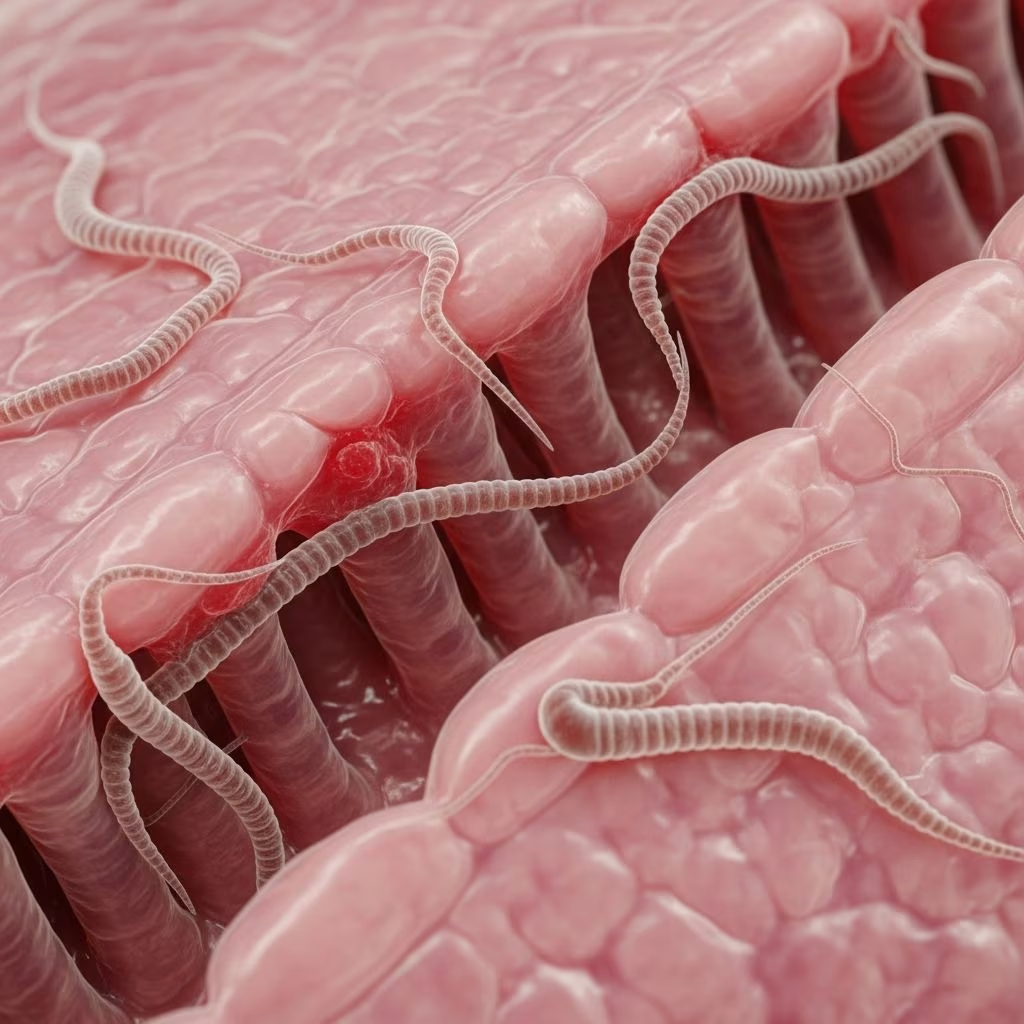
What Are Whipworms?
Whipworms are parasitic nematodes (roundworms) that inhabit the cecum and colon of dogs, causing a condition known as trichuriasis. The scientific name for the canine whipworm is Trichuris vulpis. These parasites derive their common name from their distinctive whip-like appearance, with a thin anterior end and a thicker posterior end that resembles a whip. Whipworms are among the most common intestinal parasites found in dogs, though their prevalence has decreased significantly in recent years due to the widespread adoption of modern heartworm prevention products.
Dogs acquire whipworm infections by ingesting whipworm eggs present in contaminated soil, water, or feces. The eggs are remarkably resilient and can survive in the environment for extended periods, making reinfection a persistent challenge for dog owners and veterinarians.
How Dogs Get Whipworms
Whipworm transmission occurs through the fecal-oral route, meaning dogs become infected by ingesting whipworm eggs that have been shed in the feces of infected animals. These eggs are extremely hardy and can remain viable in moist soil for years, creating a significant environmental reservoir of infection.
Dogs are most likely to contract whipworms in the following situations:
– In areas with contaminated soil or yards where infected dogs have defecated- At dog parks or communal areas where multiple dogs frequent- Through contact with feces from infected foxes or coyotes, which also carry Trichuris vulpis– In kennels or boarding facilities with inadequate sanitation practices
The eggs must mature in the environment for approximately 10-14 days before they become infectious. Once ingested, the eggs hatch in the dog’s intestines, and the immature worms begin their development. This developmental period, called the prepatent period, lasts 70-94 days before adult worms begin shedding eggs that appear in fecal tests.
Symptoms and Signs of Whipworm Infection
The clinical presentation of whipworm infection varies considerably depending on the severity of the infection and the overall health status of the infected dog. Mild infections may produce no observable symptoms, making diagnosis challenging without regular fecal examinations.
Mild to Moderate Symptoms:
– Chronic diarrhea or intermittent loose stools- Weight loss despite normal appetite- Lethargy or decreased energy levels- Mucus in the stool- General malaise or unthrifty appearance
Severe Symptoms:
– Bloody or hemorrhagic diarrhea- Severe weight loss- Anemia (pale gums and mucous membranes)- Dehydration- Abdominal pain or discomfort- Loss of appetite
Symptoms typically develop gradually and may be intermittent, as whipworms cause chronic inflammation of the intestinal lining. Some infected dogs may show no signs at all, while others develop severe clinical disease. The severity often correlates with the number of parasites present and the dog’s immune response.
Diagnosing Whipworms in Dogs
Accurate diagnosis of whipworm infection requires a combination of clinical signs and laboratory testing. Your veterinarian will begin with a thorough physical examination and history, noting any gastrointestinal symptoms or weight changes.
Fecal Examination:
The primary diagnostic tool for whipworm detection is fecal flotation microscopy. This involves examining a stool sample under a microscope to visualize whipworm eggs. However, diagnosis can be complicated by the intermittent shedding of eggs, particularly in light infections. Multiple fecal samples collected over several days may be necessary to confirm infection, as infected dogs may not shed eggs consistently in every stool sample.
Additional Diagnostic Considerations:
– Blood work may reveal anemia in severe infections- Physical examination findings such as poor body condition, dehydration, or abdominal pain support the diagnosis- Response to treatment can sometimes confirm suspected whipworm infection
Treatment Options for Whipworms
Treating whipworm infections requires a comprehensive approach that addresses both the parasites and any secondary complications. The extended prepatent period of whipworms necessitates treatment protocols spanning three months to ensure complete elimination.
First-Line Treatments:
Fenbendazole is the most commonly prescribed medication for whipworm treatment. The standard protocol involves administering fenbendazole at 50 mg/kg once daily for three consecutive days, then repeating this three-day course three weeks later, and again three months after the initial diagnosis. This schedule accounts for the whipworm’s complex life cycle and ensures that parasites at all developmental stages are eliminated.
Alternative Treatment Options:
Several other prescription medications effectively treat whipworms and may be preferable in certain situations:
– Febantel (Drontal Plus)- Milbemycin oxime (Interceptor Plus)- Moxidectin- Oxantel- Praziquantel/pyrantel pamoate/febantel combination medications
Monthly Heartworm Preventatives:
Many monthly heartworm prevention products also treat and prevent whipworms. These options provide the advantage of dual protection and simplified administration. Monthly preventatives labeled for whipworm treatment include:
– Interceptor and Interceptor Plus- Sentinel- Spectrum- Advantage Multi- Trifexis
When using monthly preventatives for whipworm treatment, the medication must be administered consistently for three months following diagnosis to clear the infection effectively.
Supportive Care:
In severe infections, additional supportive care may be necessary. Dogs experiencing significant diarrhea may require fluid therapy to prevent dehydration. Nutritional support and dietary modifications may help dogs regain weight and strength during recovery. Veterinarians may also recommend medications to control diarrhea symptoms and reduce intestinal inflammation during treatment.
Recovery and Long-Term Management
Most dogs respond well to whipworm treatment when proper protocols are followed and environmental contamination is addressed. Complete recovery typically occurs within three months of initiating appropriate treatment.
Post-Treatment Monitoring:
Following the completion of the three-month treatment protocol, veterinarians often recommend periodic fecal examinations to confirm parasite elimination and monitor for potential reinfection. Your veterinarian may suggest fecal exams at 3-4 month intervals, particularly in dogs living in areas where whipworms are prevalent or those with previous infections.
Preventing Reinfection:
The resilience of whipworm eggs in the environment makes reinfection one of the most challenging aspects of managing this parasitic infection. To minimize reinfection risk, dogs diagnosed with whipworms should receive retreatment every three to four months if living in contaminated environments or continuing to have exposure risk.
Prevention Strategies
Prevention is far more effective and less expensive than treating established whipworm infections. Multiple strategies can significantly reduce the risk of whipworm infection in your dog.
Monthly Parasite Prevention:
The most effective prevention method is administering monthly heartworm prevention medications that also protect against whipworms. When selecting a preventative, look for products containing these active ingredients:
– Milbemycin- Milbemycin/lufenuron- Milbemycin/spinosad- Milbemycin/praziquantel- Moxidectin/imidacloprid
Monthly preventatives provide continuous protection and eliminate the need for intensive treatment protocols should infection occur.
Alternative Prevention for Dogs Not on Monthly Preventatives:
For dog owners unable to maintain a consistent monthly prevention schedule, treating adult dogs four times yearly with a broad-spectrum dewormer offers an alternative approach. This quarterly deworming should coincide with appropriate fecal diagnostic testing to identify any parasitic infections.
Environmental Management:
Controlling the environmental reservoir of whipworm eggs is essential for preventing infection and reinfection:
– Prompt Feces Removal: Pick up dog feces immediately to prevent eggs from contaminating the environment and being ingested by other animals. This single practice is one of the most effective prevention methods available.- Thorough Cleaning: Regularly clean and disinfect dog bedding, kennel areas, and dog runs. Remove and replace soil in heavily contaminated areas when possible.- Eliminate Moist Areas: Whipworm eggs thrive in moist environments. Dry out and eliminate puddles, damp soil, and areas with poor drainage in yards and kennel facilities.[10]- Sandbox Coverage: Cover sandboxes to prevent stray dogs from contaminating them with whipworm eggs.
Exercise Area Precautions:
Use caution when bringing your dog to areas where other dogs frequent, such as dog parks, communal play areas, and boarding facilities. If whipworms are common in your area, consider limiting exposure to these high-risk environments or ensuring your dog is on effective monthly prevention before visiting.
When to Contact Your Veterinarian
Schedule a veterinary appointment if your dog exhibits signs of gastrointestinal parasites, including chronic diarrhea, weight loss, bloody stools, or anemia. Dogs with previous whipworm infections should receive regular fecal examinations and preventive treatment as recommended by your veterinarian.
Frequently Asked Questions About Whipworms
Q: How long does whipworm treatment take?
A: Complete whipworm treatment typically spans three months. The initial three-day course of medication is repeated at three weeks and again at three months to account for the parasite’s 70-94 day reproductive cycle.
Q: Can humans get whipworms from dogs?
A: While humans can theoretically contract whipworms, Trichuris vulpis (canine whipworms) is species-specific and does not typically infect humans. However, practicing good hygiene when handling infected dogs or contaminated materials is always recommended.
Q: Why does my dog keep getting whipworms?
A: Reinfection is common because whipworm eggs are extremely hardy and persist in the environment for extended periods. Without consistent prevention and thorough environmental decontamination, dogs can become reinfected. Consider switching to monthly preventative medications that protect against whipworms.
Q: Are whipworms contagious to other dogs?
A: Yes, whipworms are contagious to other dogs through ingestion of eggs shed in the feces of infected animals. This is why environmental management and prevention are so important in multi-dog households.
Q: Can whipworms be prevented completely?
A: While complete prevention is impossible in all situations, especially for dogs with outdoor access, the risk is dramatically reduced through monthly preventative medications, prompt fecal removal, and proper environmental management.
Q: What is the best prevention medication for whipworms?
A: Any monthly heartworm preventative labeled for whipworm protection is effective. Your veterinarian can recommend the best option based on your dog’s age, health status, and any other parasites requiring prevention in your area.
Conclusion
Whipworm infections represent a common but manageable parasitic challenge for dog owners. Understanding the parasite’s life cycle, recognizing clinical signs, and implementing appropriate treatment and prevention strategies are essential for maintaining your dog’s health. While whipworms are less prevalent today than in previous years due to modern preventative medications, they remain a concern, particularly in dogs with outdoor access or those living in contaminated environments. By maintaining consistent monthly parasite prevention, practicing excellent environmental hygiene, and scheduling regular veterinary check-ups with fecal examinations, you can effectively protect your dog from whipworm infection and the associated health complications. When infections do occur, prompt diagnosis and adherence to the full three-month treatment protocol ensure complete parasite elimination and recovery.
References
- Treatment of Whipworm in Dogs — PetMD. 2024. https://www.petmd.com/dog/conditions/infectious-parasitic/c_multi_trichuriasis
- Whipworms in Dogs: Diagnosis, Treatment, and Prevention — Today’s Veterinary Practice. 2024. https://todaysveterinarypractice.com/parasitology/whipworms-in-dogs/
- Whipworms in Dogs — Cornell University College of Veterinary Medicine, Riney Canine Health Center. 2024. https://www.vet.cornell.edu/departments-centers-and-institutes/riney-canine-health-center/canine-health-topics/whipworms-dogs
- Trichuris vulpis — Companion Animal Parasite Council. 2024. https://capcvet.org/guidelines/trichuris-vulpis/
- Whipworm Infections in Dogs — VCA Animal Hospitals. 2024. https://vcahospitals.com/know-your-pet/whipworm-infections-in-dogs
- Whipworms in Small Animals – Digestive System — Merck Veterinary Manual. 2024. https://www.merckvetmanual.com/digestive-system/gastrointestinal-parasites-of-small-animals/whipworms-in-small-animals
- Whipworms in Dogs: Signs, Symptoms, Treatments — American Kennel Club. 2024. https://www.akc.org/expert-advice/health/whipworms-in-dogs/



