

Understanding Cat Hot Spots: A Complete Guide
Hot spots, medically known as pyotraumatic dermatitis or acute moist dermatitis, are common skin conditions affecting cats that can develop rapidly and cause significant discomfort. These painful, inflammatory lesions result from self-induced trauma when cats excessively lick, bite, scratch, or chew at their skin. While hot spots may seem like minor skin irritations at first, they can quickly escalate into serious infections requiring immediate veterinary attention. Understanding what causes hot spots, recognizing their symptoms, and knowing how to treat and prevent them are essential for every cat owner.
What Are Hot Spots on Cats?
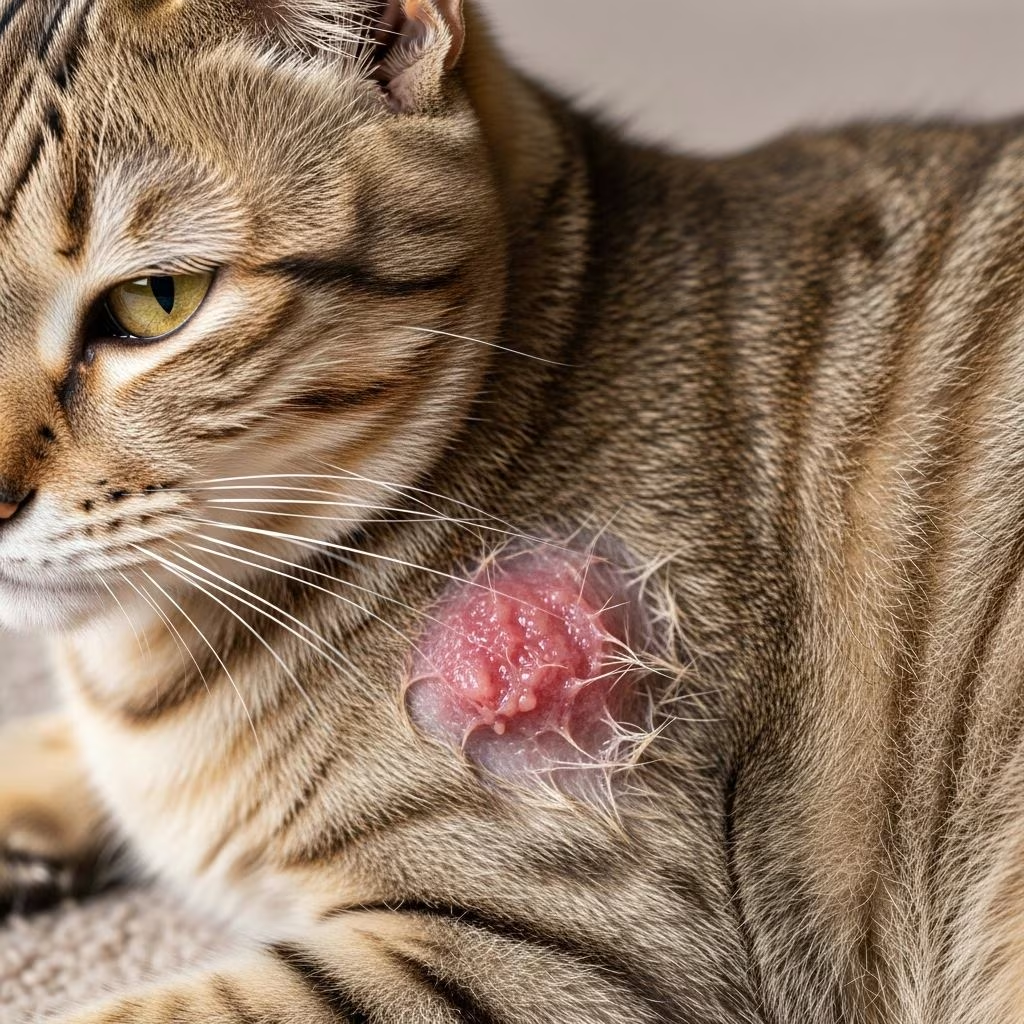
Hot spots are localized skin infections that develop when a cat’s normal skin flora—bacteria, fungi, and yeast—overpopulate due to skin irritation and trauma. The condition typically begins with a small, swollen area that resembles an insect bite but can develop into a painful, oozing lesion within just a few hours. Long-haired cats and those with thicker coats are particularly susceptible to hot spots because saliva becomes trapped under their fur, creating an ideal environment for bacterial growth and infection.
The hallmark characteristic of hot spots is their rapid progression. What starts as minor itching can quickly transform into a serious wound if not addressed promptly. The moist environment created by trapped saliva and pus allows bacteria to flourish, making the condition increasingly uncomfortable for your feline companion.
Recognizing the Symptoms of Hot Spots
Identifying hot spots early is crucial for preventing them from worsening. Cat owners should watch for the following signs:
- Red, hairless patches of skin, most commonly appearing on the head, face, chin, thigh, belly, or base of the tail
- Initial itching, inflammation, and moist appearance of the affected area
- Skin that feels warm to the touch
- Oozing, open sores or lesions
- Crusted, scabby skin formations
- Matted fur surrounding the wound
- Hair loss in the affected region
- Signs of pain or sensitivity when the area is touched
While hot spots can appear anywhere on your cat’s body, they most frequently develop on the face, chin, belly, and base of the tail. The skin around the lesion typically turns red and may develop a pus-filled, crusty bed that becomes increasingly uncomfortable as the condition progresses. Matted fur often disguises the severity of the underlying skin damage, so it’s important to gently inspect any suspicious areas on your cat’s skin.
Common Causes of Hot Spots in Cats
Hot spots develop due to a combination of factors. While the immediate trigger is excessive licking, biting, or scratching, numerous underlying conditions can cause the initial irritation that leads to this self-trauma. Understanding these root causes is essential for effective treatment and prevention.
Parasitic Infections
Parasites are among the most common culprits behind cat hot spots. Fleas remain the leading parasitic cause, triggering excessive itching that prompts cats to scratch and bite at their skin. Even a single flea bite can cause significant irritation in sensitive cats. Other parasites, including ear mites, skin mange, lice, mosquitoes, and ants, can also provoke the scratching behavior that initiates hot spot formation.
Allergic Reactions
Cats can develop allergies to environmental triggers, pollen, food ingredients, or flea saliva itself (flea allergy dermatitis). These allergic responses cause itching and skin inflammation, prompting cats to excessively groom the affected areas. Both food allergies and atopic dermatitis (environmental allergies) commonly lead to hot spot development.
Fungal and Bacterial Infections
Fungal infections such as ringworm can trigger itching that leads to hot spots. Staphylococcus bacteria naturally inhabit a cat’s skin and are the most common cause of bacterial skin infections. While staph infections in cats are not typically contagious, they can cause significant skin irritation and inflammation.
Behavioral and Psychological Factors
Stress, anxiety, and behavioral issues can cause cats to overgroom, leading to hot spot formation. Some cats develop compulsive licking behaviors that damage the skin barrier and create entry points for infection. Environmental changes, boredom, or emotional distress can trigger these behavioral patterns.
Pain and Medical Conditions
Cats experiencing pain from injury, trauma, disease, or chronic conditions like osteoarthritis or idiopathic cystitis may bite or chew at specific areas, causing hot spots. Additionally, conditions leading to ear infections (otitis externa) or other underlying health issues can indirectly promote hot spot development.
Environmental Factors
Hot spots are more prevalent during hot, humid weather when moisture becomes trapped in fur and on skin. However, the condition can occur year-round depending on the underlying trigger. Poor grooming conditions, reduced grooming ability, and matted fur can also contribute to hot spot formation.
Seasonal Considerations
While hot spots can develop any time of year, they’re particularly common during summer months when heat and humidity create optimal conditions for bacteria growth. However, cats with underlying allergies or parasitic issues may experience hot spots throughout the year. Understanding your cat’s specific risk factors helps in planning preventive measures.
Treatment Options for Cat Hot Spots
Effective treatment requires a multi-step approach addressing both the hot spot itself and its underlying cause. Veterinary intervention is essential for proper diagnosis and treatment.
Initial Veterinary Treatment
Your veterinarian will begin by shaving or carefully cutting away hair around the hot spot to expose the affected area fully. This allows for thorough cleaning and assessment of the wound’s severity. The area is then meticulously cleaned to remove inflammatory debris and bacteria.
Topical and Oral Medications
Treatment typically includes a combination of topical treatments such as antimicrobial or antibiotic ointments, medicated shampoos, and potentially oral medications. Topical antimicrobial therapy is preferred when possible to reduce reliance on systemic antibiotics and minimize antibiotic resistance concerns. Anti-inflammatory medications help reduce swelling and discomfort.
Elizabethan Collar
Your veterinarian may recommend fitting your cat with an Elizabethan collar (cone) to prevent further licking, biting, scratching, or chewing at the affected area. This protective device is crucial for breaking the cycle of self-trauma and allowing the wound to heal properly.
Addressing Underlying Causes
Long-term success requires treating the root cause of the hot spot. This might include:
- Flea prevention treatments if parasites are the culprit
- Allergy testing and immunotherapy for allergic conditions
- Antifungal treatments for fungal infections
- Prescription-strength allergy medications or antihistamines
- Stress reduction strategies and environmental modifications
- Treatment of underlying medical conditions
Prevention Strategies for Hot Spots
Preventing hot spots is significantly easier than treating them. Implementing these preventive measures can help protect your cat’s skin health:
Maintain Regular Flea Prevention
Consistent year-round flea prevention is one of the most effective ways to prevent hot spots. Discuss appropriate flea prevention options with your veterinarian, as various products offer different levels of protection.
Monitor and Manage Allergies
If your cat has allergies, work with your veterinarian to identify triggers and manage the condition through diet changes, environmental modifications, or immunotherapy treatments. Regular allergy testing can help pinpoint specific allergens affecting your cat.
Grooming and Hygiene
Regular grooming helps prevent matting and allows you to monitor your cat’s skin health. Using hypoallergenic shampoos and hydrating leave-in conditioners designed specifically for cats can maintain skin barrier integrity. Long-haired cats benefit from more frequent grooming sessions.
Stress Reduction
Create a calm, enriching environment for your cat. Provide adequate play opportunities, vertical spaces, and hiding areas. Address any environmental stressors that might trigger anxiety-induced overgrooming.
Regular Veterinary Check-ups
Annual veterinary examinations help detect skin problems, ear infections, and other health issues early before they develop into hot spots. Prompt treatment of ear mites and ear infections prevents complications.
Nutritional Support
A high-quality diet supports healthy skin and immune function. Some cats benefit from supplements supporting skin health, particularly those prone to allergies or dermatitis.
Why Prompt Treatment Matters
Delaying treatment allows hot spots to worsen rapidly. What begins as minor irritation can become a painful, infected wound within hours. The moist environment of untreated hot spots creates ideal conditions for bacterial overgrowth and secondary infections. Moreover, the more uncomfortable the area becomes, the more likely your cat will continue licking and scratching, perpetuating the cycle of damage and infection.
Early intervention prevents complications, reduces pain, minimizes scarring, and typically results in faster healing. Always contact your veterinarian as soon as you notice signs of hot spots on your cat’s skin.
Special Considerations for Long-Haired Cats
Long-haired and thick-coated cats face increased hot spot risk because their dense fur traps moisture and saliva, creating an environment conducive to bacterial growth. These cats require more frequent grooming, regular mat removal, and careful monitoring for early signs of skin problems. Consider discussing breed-specific preventive strategies with your veterinarian.
Frequently Asked Questions
Q: Are hot spots contagious between cats?
A: Hot spots themselves are not contagious, but the underlying parasites or infections causing them might be. For example, fleas can spread between cats, and fungal infections like ringworm are contagious. Treating the underlying cause prevents transmission of the root problem.
Q: How quickly can hot spots develop in cats?
A: Hot spots can develop and escalate remarkably quickly. A small irritation can become a significant lesion within just a few hours, which is why immediate veterinary attention is crucial upon noticing symptoms.
Q: Can hot spots leave permanent scars?
A: If treated promptly, hot spots typically heal without permanent scarring. However, severe or repeatedly infected hot spots may leave scars. Early intervention minimizes scarring risk.
Q: Is it safe to treat hot spots at home?
A: While you can provide supportive care like gentle cleaning, professional veterinary treatment is essential. Your veterinarian needs to properly diagnose the cause and prescribe appropriate medications to prevent complications.
Q: How long does it take for hot spots to heal?
A: With proper veterinary treatment, hot spots typically begin improving within days to weeks. Complete healing depends on the severity of the infection and how effectively the underlying cause is addressed.
Q: What should I do if my cat keeps licking the hot spot despite treatment?
A: An Elizabethan collar is essential to prevent continued trauma. Additionally, consult your veterinarian about additional pain management or anti-anxiety medications if your cat seems compelled to continue licking.
When to Contact Your Veterinarian
Contact your veterinarian immediately if you notice:
- Any red, inflamed, or oozing patches on your cat’s skin
- Excessive scratching, licking, or biting at specific areas
- Hair loss accompanied by skin irritation
- Signs of infection including pus, crusting, or foul odor
- Any lesion that worsens despite treatment
- Signs of pain or behavioral changes related to skin problems
Conclusion
Hot spots represent a common but manageable feline skin condition that requires prompt recognition and veterinary treatment. By understanding the causes, recognizing early symptoms, and implementing preventive measures, cat owners can significantly reduce their pets’ risk of developing these painful lesions. Regular veterinary care, consistent parasite prevention, allergy management, and environmental enrichment work together to maintain your cat’s skin health and overall well-being. When hot spots do occur, professional veterinary treatment combined with dedicated home care ensures the best outcomes for your feline companion.
References
- Hot Spots on Cats: Causes, Symptoms & Treatments — Purina. 2024. https://www.purina.com/articles/cat/health/skin-fur-ears/hot-spots-on-cats
- Hot Spots in Cats: Causes, Treatment & Prevention — VCA Animal Hospitals. 2024. https://vcahospitals.com/shop/articles/identify-prevent-hot-spots
- Hot Spots on Cats: Causes & Treatment — Animal Friends Dermatology. 2024. https://www.animalfriendsdermatology.com/site/blog/2024/02/15/hot-spots-cats
- Cat Hot Spots: Causes & Treatment — A+ Animal Clinic. 2024. https://www.a-animalclinic.com/site/blog/2024/06/15/cat-hot-spots
- Hot Spots on Cats – PetMD — PetMD. 2024. https://www.petmd.com/cat/conditions/skin/hot-spots-cats
- Hot Spots in Cats: Your Cat’s Skin — Douxo S3. 2024. https://www.douxo.com/sg_en/your-cat-s-skin/hot-spots



