
Algal Toxins In Animals: Expert Guide For Owners, Vets
Exploring the dangers of harmful algal blooms and their toxic effects on livestock, pets, and wildlife, with vital prevention strategies.
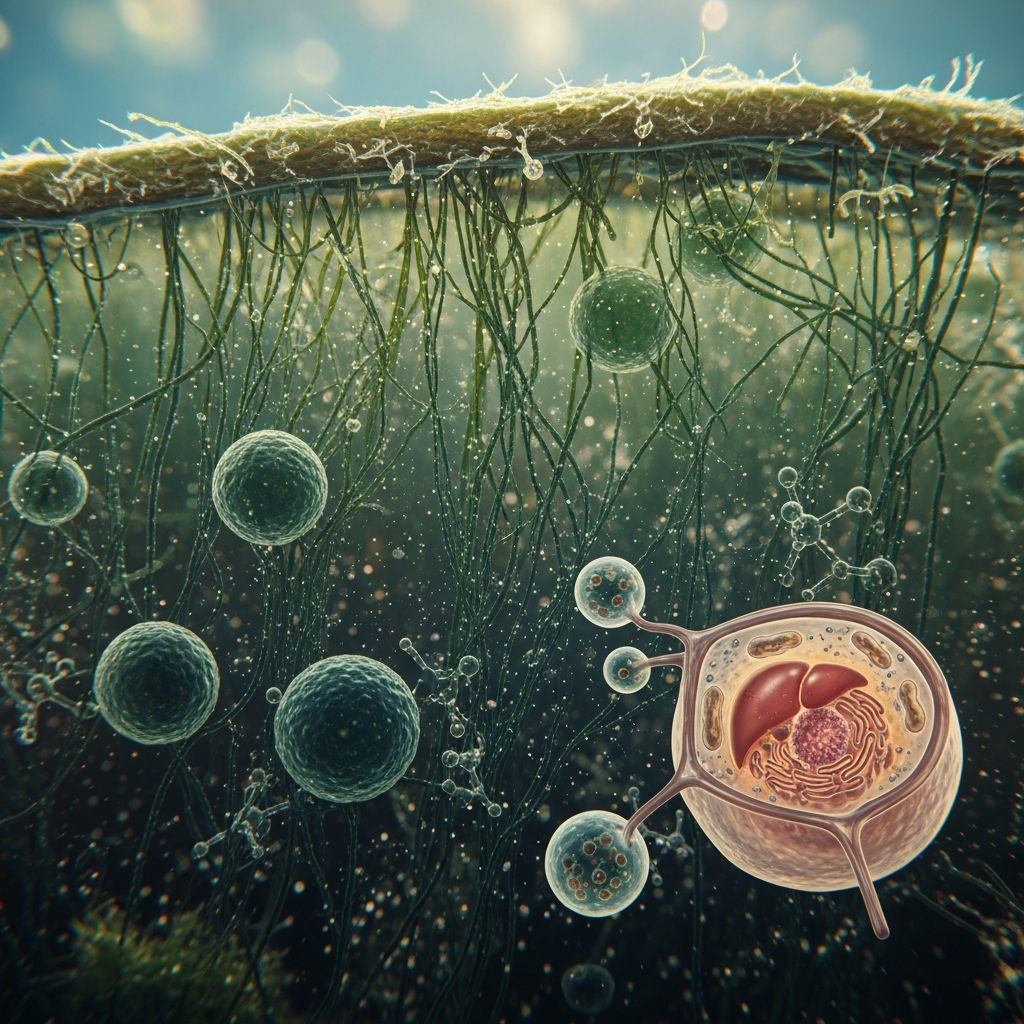
Harmful algal blooms represent a growing environmental threat, releasing potent cyanotoxins that can rapidly intoxicate and kill animals through water ingestion, skin contact, or inhalation. These outbreaks, fueled by nutrient pollution and warming waters, pose risks to dogs, livestock, wildlife, and fish across freshwater and marine systems.
The Rise of Harmful Algal Blooms
Algal blooms occur when cyanobacteria or certain algae proliferate uncontrollably in aquatic environments, often triggered by excess phosphorus and nitrogen from agricultural runoff, sewage, and urban wastewater. Not all blooms produce toxins, but cyanobacterial varieties frequently do, creating visible scums or mats on water surfaces that appear green, blue-green, or reddish. Animals face heightened danger during warm seasons when blooms peak, as evidenced by frequent reports in lakes, ponds, reservoirs, and coastal areas.
Globally, these events have surged due to climate change and intensified farming practices. In the U.S., agencies like the CDC and EPA track incidents, noting spikes in animal casualties, particularly among dogs and cattle that access untreated water sources. Blooms can persist for weeks, contaminating drinking supplies and recreational waters, making vigilance essential for animal health management.
Primary Toxins and Their Mechanisms
Cyanobacteria generate several toxin classes, each targeting specific organs with alarming efficiency. Hepatotoxins like microcystins and cylindrospermopsins inhibit protein phosphatases, causing massive liver cell death and hemorrhaging. Neurotoxins such as anatoxin-a act as acetylcholine mimics, inducing overstimulation of nerves and muscles, while saxitoxins block sodium channels, leading to paralysis. Dermatoxins provoke skin irritation, and some produce nephrotoxins affecting kidneys.
| Toxin Type | Examples | Target Organs | Onset Speed |
|---|---|---|---|
| Hepatotoxins | Microcystins, Nodularins | Liver, Kidneys | Hours to days |
| Neurotoxins | Anatoxin-a, Saxitoxins | Nervous system, Muscles | Minutes to hours |
| Dermatoxins | Lyngbyatoxin | Skin | Immediate |
These compounds are heat-stable and persist post-mortem in tissues, complicating diagnostics. Ruminants like cattle show higher sensitivity due to ruminal toxin activation, whereas dogs exhibit a steep dose-response curve where sub-lethal exposures may appear benign initially.
Routes of Exposure in Animals
- Ingestion: Most common, via drinking contaminated water, consuming scum, or eating toxin-laden fish/scum off fur after swimming.
- Dermal Contact: Direct skin exposure during swimming, causing rashes or ulcers, especially in sensitive species.
- Inhalation: Aerosolized toxins from wave action or wind, leading to respiratory distress in nearby animals.
- Secondary: Predation on intoxicated fish or ingestion of contaminated feed/supplements.
Pets like dogs are frequent victims due to exploratory behavior near ponds, while livestock rely on potentially tainted ponds. Wildlife, including birds and fish, suffer mass die-offs, disrupting ecosystems.
Recognizing Clinical Signs by Toxin Type
Symptoms emerge swiftly, demanding immediate action. Hepatotoxin exposure manifests as gastrointestinal upset (vomiting, bloody diarrhea), lethargy, jaundice, abdominal pain, and shock from internal bleeding. Bloodwork reveals elevated liver enzymes (AST, ALT), hyperkalemia, hypoglycemia, and coagulopathies.
Neurotoxin signs include salivation, tremors, ataxia, seizures, rigidity, coma, and respiratory arrest—often fatal within minutes. Dogs may foam at the mouth or stumble before collapsing. Dermal effects feature hives, burns, or allergic responses, with blue-green fur staining as a telltale clue.
- Hepatotoxins: Drooling, jaundice, dark urine, hepatomegaly.
- Neurotoxins: Twitching, paralysis, sudden death.
- Dermatoxins: Rash, oral ulcers from grooming.
Species variations exist; birds and ruminants succumb faster to hepatotoxins, while dogs tolerate low doses but crash dramatically.
Veterinary Diagnosis Protocols
Diagnosis hinges on history (recent water access), clinical presentation, and lab confirmation. Initial exams check vitals, mucous membranes, and fur staining. Blood panels assess organ function: elevated bile acids, ALP, GGT for liver damage; toxin detection in gastric contents, liver, or serum via ELISA or LC-MS.
Differentials include pesticides, rodenticides, or infections. Necropsy on fatalities shows hepatic necrosis or pulmonary edema. Water sampling for cyanotoxins bolsters cases, though field tests are limited.
Emergency Treatment Strategies
No antidotes exist, so therapy is supportive and aggressive. Stabilize with IV fluids, oxygen, and monitoring for shock. Anti-emetics curb vomiting; anticonvulsants manage seizures. For liver failure, plasma transfusions address coagulopathies; atropine counters neurotoxin bradycardia.
Early decontamination (within 1-2 hours) involves bathing, emesis induction, lavage, activated charcoal (less effective for hepatotoxins), or cholestyramine binding microcystins. Prognosis improves with rapid intervention, but survivors risk chronic liver fibrosis.
| Treatment | Purpose | Timing |
|---|---|---|
| IV Fluids & Electrolytes | Combat shock, dehydration | Immediate |
| Activated Charcoal | Adsorb gut toxins | <1 hour |
| Atropine | Neurotoxin reversal | As needed |
| Blood Products | Clotting support | Liver failure |
Species-Specific Risks and Case Studies
Dogs top exposure lists due to swimming habits, with 90% of neurotoxin doses subclinical until crisis. Cattle die from pond water, birds from scums, fish via gill absorption. Marine mammals face brevetoxins during red tides, treatable with brevenal in research settings.
Real-world surges, like Minnesota’s microcystin deaths or Ohio’s pet alerts, underscore reporting to health departments for bloom tracking.
Prevention: Safeguarding Animals
- Avoid natural waters during blooms; use leashes near ponds.
- Provide alternative fresh water for livestock/pets.
- Bathe animals post-swim; monitor for signs up to 48 hours.
- Report suspected blooms/deaths to authorities for testing.
Owners should recognize bloom indicators: parallel streaks, scum piles, foul odors. Filtration systems aid farm ponds, but avoidance reigns supreme.
FAQs on Algal Poisoning
Can all blue-green algae harm animals?
No, but cyanobacterial blooms often do; visual ID is unreliable—err on caution.
How quickly does poisoning occur?
Neurotoxins: minutes; hepatotoxins: hours-days.
Is treatment always successful?
Early care boosts odds, but many perish en route; prevention is key.
What if my pet licked dried scum?
Risk persists; seek vet care immediately.
Are there long-term effects for survivors?
Yes, chronic liver/kidney damage possible.
Future Outlook and Research Directions
Monitoring tech advances, like remote sensing, aid bloom prediction. Vaccine trials for microcystins show promise in livestock. Public education curtails exposures, vital as climate shifts exacerbate blooms. Vets play pivotal roles in surveillance and response.
References
- Blue-green algae poisoning: Cyanobacteria toxicosis — Cornell University Riney Canine Health Center. 2023. https://www.vet.cornell.edu/departments-centers-and-institutes/riney-canine-health-center/canine-health-topics/blue-green-algae-poisoning-cyanobacteria-toxicosis
- For Veterinarians: Harmful Algal Bloom-Associated Illnesses — Centers for Disease Control and Prevention (CDC). 2024-02-15. https://www.cdc.gov/harmful-algal-blooms/hcp/veterinarians/index.html
- Information for Veterinarians — Ohio Department of Health. 2023. https://odh.ohio.gov/know-our-programs/harmful-algal-blooms/Information-for-Veterinarians/
- Harmful Algal Bloom Facts for Veterinarians — Minnesota Department of Health. 2022. https://www.health.state.mn.us/diseases/hab/vet/habvetfs.pdf
- Harmful algal blooms (HABs) — American Veterinary Medical Association (AVMA). 2024. https://www.avma.org/resources-tools/animal-health-and-welfare/animal-health/harmful-algal-blooms-habs
- Animal Owners and Veterinarians — Illinois Environmental Protection Agency. 2023. https://epa.illinois.gov/topics/water-quality/monitoring/algal-bloom/animal-owners-and-veterinarians.html
Similar Articles








Read full bio of medha deb


