

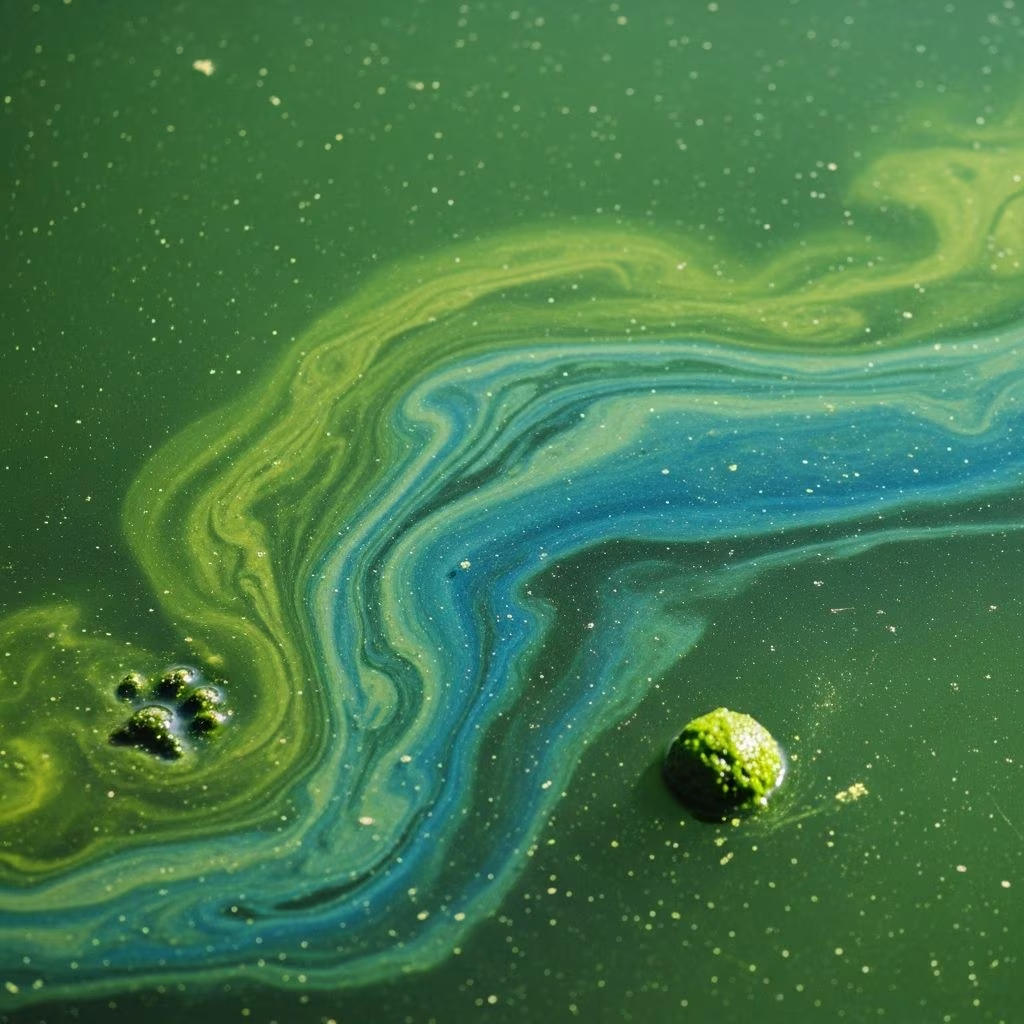
Algal poisoning, often caused by cyanobacteria or blue-green algae, poses a severe risk to pets exploring natural water sources. These microscopic organisms thrive in warm, nutrient-rich waters, forming blooms that release potent toxins capable of rapid organ damage or death in animals.
The Nature of Harmful Algal Blooms
Cyanobacteria are not true algae but bacteria that photosynthesize like plants. They multiply rapidly in stagnant or slow-moving waters during hot weather, creating visible scum layers on ponds, lakes, and reservoirs. Factors like high temperatures, pollution runoff, and low water flow exacerbate blooms.
These blooms produce cyanotoxins, including hepatotoxins like microcystin that target the liver, and neurotoxins like anatoxin that attack the nervous system. Exposure occurs mainly through ingestion of contaminated water during swimming or drinking, but skin contact or inhalation of aerosols can also contribute.
- Microcystin: Damages liver cells, leading to failure and bleeding disorders.
- Anatoxin-a: Mimics neurotransmitters, causing muscle paralysis and respiratory arrest.
- Cylindrospermopsin: Inhibits protein synthesis, affecting multiple organs.
Pets such as dogs are particularly vulnerable due to their curiosity and tendency to drink from unknown sources. Cats, livestock, and wildlife face similar risks.
Recognizing the Signs of Cyanotoxin Exposure
Symptoms vary by toxin type and exposure amount but onset can be swift—minutes for neurotoxins, hours for hepatotoxins. Early detection is crucial as progression to collapse or death happens fast.
| Toxin Type | Key Symptoms | Onset Time |
|---|---|---|
| Hepatotoxins (e.g., Microcystin) | Vomiting, diarrhea, weakness, pale gums, jaundice, seizures, coma | Hours to days |
| Neurotoxins (e.g., Anatoxin) | Drooling, tremors, rigidity, paralysis, breathing difficulty, sudden death | Minutes to 1 hour |
| Dermatoxins | Skin rash, itching, blisters | Hours |
Common initial signs include lethargy, excessive salivation, gastrointestinal upset, and neurological issues like stumbling or convulsions. Owners often notice a foul, musty odor on the pet’s breath or fur post-exposure.
Immediate Response: What to Do After Suspected Exposure
Time is critical—no antidote exists for cyanotoxins. Act fast to improve survival odds.
- Rinse thoroughly: Use fresh water to wash fur and skin, preventing further ingestion from grooming.
- Prevent licking: Muzzle if needed and monitor closely.
- Seek emergency vet care: Contact a veterinarian or animal poison control immediately, even without symptoms.
Do not induce vomiting at home without guidance, as it risks aspiration in compromised pets. Provide details on exposure time, water source, and symptoms.
Veterinary Diagnosis and Treatment Approaches
Diagnosis relies on history, clinical signs, and tests. Vets perform bloodwork to assess liver enzymes, clotting times, and electrolytes. Water samples, if available, confirm toxins via lab analysis.
Treatment is supportive and aggressive:
- IV fluids for hydration and toxin flushing.
- Oxygen therapy for respiratory distress.
- Anti-seizure drugs like diazepam.
- Activated charcoal or cholestyramine to bind gut toxins (if early).
- Blood products for liver-induced coagulopathies.
- Anti-emetics, antibiotics, and liver protectants like silymarin.
For neurotoxin cases, mechanical ventilation may be required. Monitoring in ICU is standard, with prognosis poor if symptoms advance.
Prevention Strategies for Pet Owners
Avoidance is the best defense. Scout water bodies before allowing access.
- Steer clear of stagnant waters with green scum, blue-green mats, or bad smells.
- Check local alerts from health departments or apps for bloom reports.
- Provide fresh drinking water during walks or hikes.
- Train pets to avoid unknown waters; use leashes near ponds.
- After swims in safe waters, rinse pets promptly.
Government agencies often post warnings and treat affected sites. Educate neighbors and report suspected blooms.
Long-Term Effects and Recovery Outlook
Survivors of hepatotoxin exposure may develop chronic liver disease, requiring lifelong management. Neurological damage can persist, affecting mobility.
Early intervention boosts survival: decontamination within 2 hours and prompt fluids can mitigate absorption. However, grave prognosis holds for symptomatic hepatotoxin or neurotoxin cases—many pets succumb en route to care.
Risks Beyond Pets: Ecosystem and Human Concerns
Harmful algal blooms (HABs) impact entire ecosystems, killing fish and contaminating shellfish. Humans risk similar symptoms from recreation or tainted drinking water, underscoring the need for vigilance.
Climate change and nutrient pollution worsen HAB frequency, making awareness vital.
FAQs on Algal Poisoning in Pets
Can all green pond scum harm my dog?
Not all, but cyanobacteria blooms often appear as green, blue, or red scum. Err on caution with suspicious waters.
How quickly does algal poisoning kill?
Neurotoxins can kill in minutes; hepatotoxins in hours to days.
Is there a home remedy?
No—professional care only. Milk thistle shows experimental promise but isn’t a substitute.
Are cats affected similarly?
Yes, though less commonly exposed. Symptoms mirror dogs.
What if my pet just touched the water?
Rinse immediately; monitor for skin irritation. Ingestion is riskiest.
Table: Bloom Identification Guide
| Feature | Safe Algae | Toxic Bloom Signs |
|---|---|---|
| Appearance | Uniform green, stringy | Thick scum, paint-like, multicolored |
| Odor | Fresh, earthy | Rotten fish, musty |
| Water Feel | Clear below surface | Slippery, greasy film |
Pet owners must prioritize prevention through education and caution. By recognizing risks and responding swiftly, many tragedies can be averted.
References
- Blue-Green Algae and Your Pet: What You Need to Know — Emergency Vet Hosp. Accessed 2026. https://emergencyvethosp.com/blue-green-algae-and-your-pet-what-you-need-to-know/
- Blue-Green Algae Poisoning in Dogs: Symptoms and Prevention — American Kennel Club. Accessed 2026. https://www.akc.org/expert-advice/news/blue-green-algae-symptoms-tips/
- Blue-green algae poisoning: Cyanobacteria toxicosis — Cornell University College of Veterinary Medicine. Accessed 2026. https://www.vet.cornell.edu/departments-centers-and-institutes/riney-canine-health-center/canine-health-topics/blue-green-algae-poisoning-cyanobacteria-toxicosis
- Cyanobacteria Poisoning — VCA Animal Hospitals. Accessed 2026. https://vcahospitals.com/know-your-pet/algae-poisoning
- Information for Veterinarians — Ohio Department of Health (.gov). Accessed 2026. https://odh.ohio.gov/know-our-programs/harmful-algal-blooms/Information-for-Veterinarians/
- Toxic Algae: Hazard for Dogs — Oregon Veterinary Medical Association. 2022-06-01. https://www.oregonvma.org/care-health/companion-animals/health-safety/toxic-algae-hazard-for-dogs
- Animal Owners and Veterinarians — Illinois EPA (.gov). Accessed 2026. https://epa.illinois.gov/topics/water-quality/monitoring/algal-bloom/animal-owners-and-veterinarians.html



