

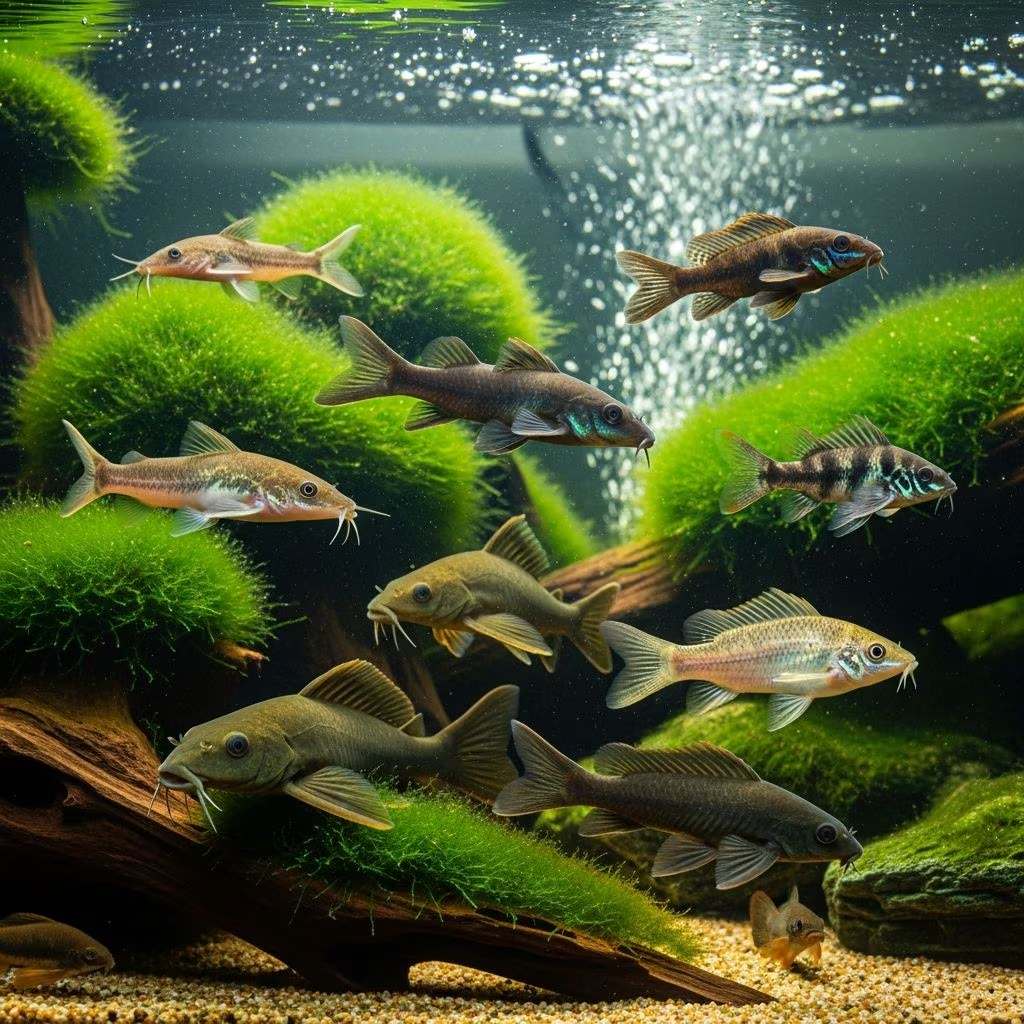
Understanding the Algae Problem in Your Fish Tank
Algae growth is one of the most common challenges faced by aquarium enthusiasts, regardless of their experience level. While some algae is normal and even beneficial in small amounts, excessive growth can cloud your tank water, smother plants, and create an unsightly appearance. Many aquarium owners turn to algae-eating fish and other creatures to help manage this persistent problem naturally. However, not all fish species marketed as algae eaters are equally effective, and some may even pose problems for your aquarium ecosystem.
Understanding which species truly eat algae and which ones are merely occasional nibblers is crucial for maintaining a healthy, beautiful tank. This guide explores the most effective algae-eating species, their specific benefits, and how to choose the right ones for your aquarium setup.
The Most Effective Algae-Eating Fish Species
1. Siamese Algae Eater (Crossocheilus oblongus)
The Siamese Algae Eater stands as one of the most reliable and efficient algae consumers available for freshwater aquariums. Growing to approximately 6 inches (15 cm) in length, these fish possess downturned mouths specifically adapted for consuming various algae types, including the stubborn black beard algae and hair algae.
Key characteristics:
– Highly effective at controlling multiple algae varieties
– Active and peaceful community members
– Easier to care for compared to other algae eaters
– More effective as juveniles; adults may focus more on regular food sources
Siamese Algae Eaters work best in established tanks with consistent feeding routines. While they’re excellent algae consumers, supplement their diet with quality algae wafers and vegetables to ensure complete nutrition.
2. Bristlenose Plecostomus (Ancistrus spp.)
Bristlenose Plecos offer an ideal solution for aquarists with smaller tanks who want the algae-eating benefits of plecos without the space requirements of larger varieties. These hardy, efficient cleaners rarely exceed 4-5 inches in length, making them suitable for a wider range of tank sizes.
Distinctive features:
– Excellent at cleaning glass, rocks, and decorations
– Hardy and adaptable to various water conditions
– Unique appearance with characteristic bristles
– Generally peaceful with other tank inhabitants
Bristlenose Plecos are nocturnal, so you may not see them during the day. They prefer driftwood in the tank, which they use for grazing and as shelter. Provide quality sinking pellets and blanched vegetables as dietary supplements.
3. Otocinclus Catfish (Otocinclus spp.)
These diminutive catfish are among the smallest algae eaters available, typically reaching only 1-2 inches in length. Despite their tiny size, Otocinclus catfish are voracious algae consumers and work particularly well in planted tanks and nano setups.
Important considerations:
– Ideal for small and nano aquariums
– Peaceful and community-friendly
– Require stable water conditions and consistent feeding
– Best kept in small groups for security
Otocinclus are sensitive to water parameter changes, so ensure your tank is well-established before adding them. They appreciate well-planted environments and require supplemental feeding with algae wafers.
4. Siamese Flying Fox (Epalzeorhynchos kalopterus)
Often confused with the Siamese Algae Eater, the Siamese Flying Fox is equally effective at controlling problematic algae types, particularly black beard algae. These fish are active, engaging to watch, and suitable for larger community setups.
Notable traits:
– Highly effective against stubborn algae varieties
– Active and entertaining behavior
– Suitable for larger community tanks
– Can be territorial as they mature
5. Twig Catfish (Farlowella spp.)
Twig Catfish are masters of disguise with their elongated, stick-like bodies that blend seamlessly with aquatic plants and decorations. These peaceful algae eaters excel at cleaning delicate plant surfaces where other fish may cause damage.
Specialized benefits:
– Expert at cleaning algae from plant leaves
– Unique camouflaged appearance
– Peaceful community tank inhabitants
– Thrive with plenty of vegetation
6. Chinese Algae Eater (Gyrinocheilus aymonieri)
While Chinese Algae Eaters are efficient at consuming tough algae varieties, they require careful consideration before addition to your tank. These fish can become increasingly territorial as they mature, making them best suited for larger, established aquariums.
Advantages and cautions:
– Excellent at cleaning stubborn algae
– Hardy and adaptable species
– Active and interesting behavior
– May become aggressive toward other fish as they grow
Chinese Algae Eaters are best kept as the only algae eater in a tank due to their territorial nature. Monitor their behavior carefully and be prepared to relocate if aggression develops.
7. Florida Flagfish (Jordanella floridae)
The Florida Flagfish represents a unique option for specific aquarium conditions. Named for the male’s striking red stripes and flag-like shoulder patch, these 2.5-inch fish are voracious algae eaters with a particular talent for consuming hair algae and black beard algae.
Special characteristics:
– Excellent for removing fuzzy algae types
– Can thrive in cooler, unheated tanks
– Native North American species
– May damage delicate aquatic plants
Flagfish work particularly well in North American native species tanks or unheated setups. Be cautious if you’re maintaining a heavily planted tank, as their aggressive feeding style may damage tender plant leaves.
Invertebrate Algae Eaters: Shrimp and Snails
Amano Shrimp (Caridina multidentata)
While technically not a fish, Amano Shrimp deserve recognition as exceptional algae eaters, particularly in planted aquariums. These clear-brown dwarf shrimp, reaching approximately 2 inches in length, are among the rare animals that effectively consume black beard algae and hair algae.
Key advantages:
– Consume diverse algae types including problematic varieties
– Peaceful community tank members
– Assist with detritus cleanup
– Ideal for planted tank setups
For maximum effectiveness, maintain a group of at least four Amano Shrimp, though larger groups provide more noticeable algae control. Avoid overfeeding, as these shrimp reduce algae consumption when abundant food is available.
Nerite Snails (Neritina spp.)
Nerite Snails represent one of the best algae-eating invertebrates available, with remarkable effectiveness at removing algae from glass, rocks, and decorations. These snails offer a crucial advantage: they cannot reproduce in freshwater, preventing the overpopulation issues common with other snail species.
Notable benefits:
– Highly effective at consuming diverse algae types
– Cannot breed in freshwater, maintaining population control
– Easy to care for and hardy
– Unique ability to consume green spot algae
– Available in numerous color varieties
Provide supplemental calcium through crushed coral or specialized supplements to support healthy shell development. Nerite Snails are particularly valued for their ability to eat green spot algae, one of the most difficult algae types to remove naturally.
Cherry Shrimp (Neocaridina davidi)
Cherry Shrimp, though less efficient algae eaters than Amano Shrimp, offer excellent value through their ease of breeding and population management. These brightly colored dwarf shrimp establish colonies readily in home aquariums, providing preventative algae maintenance through constant foraging.
Colony benefits:
– Breed easily in home aquariums
– Effective preventative algae control at population scale
– Perfect for accessing substrate and plant crevices
– Consume excess food and waste
Additional Algae-Eating Fish Species
Molly Fish (Poecilia spp.)
Mollies are versatile livebearers with constant appetites for algae found on plants, hardscape, and tank surfaces. Their flat, grasping jaws and seemingly bottomless stomachs make them effective preventative algae controllers in established tanks.
Advantages:
– Easy to breed in captivity
– Available in numerous colors and patterns
– Active and colorful community tank members
– Excellent for algae prevention
Reticulated Hillstream Loach
The Reticulated Hillstream Loach stands out as one of the most visually striking algae eaters available. Growing to approximately 3 inches, these fish feature golden-brown coloration with intricate black stripes and powerful suction-cup-like fins.
Specialized capabilities:
– Excellent \”window washers\” for diatoms
– Superior grip for cleaning vertical surfaces
– Remove flat algae types effectively
– Unique, attractive appearance
Siamese Loach (Botia histrionica)
The Siamese Loach serves as an excellent addition to larger tank setups, combining algae-eating efficiency with social behavior. These active fish also consume leftover food and detritus, contributing to overall tank cleanliness.
Notable characteristics:
– Active and social behavior
– Efficient algae consumption
– Assist with detritus removal
– Best for larger community tanks
Algae Eaters to Avoid or Approach with Caution
Chinese Algae Eaters: The Exception
While listed among algae eaters, Chinese Algae Eaters warrant special attention. As juveniles (1-3 inches), they enthusiastically consume algae. However, as they mature and grow larger, their behavior changes dramatically.
Problematic behaviors:
– Begin competing aggressively with other fish for food
– Transition from algae eating to consuming fish flesh
– Become increasingly territorial and aggressive
– May attack peaceful community tank inhabitants
Many experienced aquarists recommend avoiding Chinese Algae Eaters altogether, as their behavioral change creates management challenges not worth the temporary algae control benefit.
Comparative Effectiveness of Algae Eaters
| Species | Algae Types Consumed | Tank Size | Effectiveness Rating |
|---|---|---|---|
| Siamese Algae Eater | Hair, black beard, multiple types | 20+ gallons | Excellent |
| Bristlenose Pleco | General algae coverage | 10+ gallons | Excellent |
| Otocinclus Catfish | Fine algae films | 5+ gallons | Very Good |
| Amano Shrimp | Hair, black beard, diverse types | 10+ gallons | Excellent |
| Nerite Snails | Green spot, general algae | Any size | Excellent |
| Florida Flagfish | Hair, black beard, fuzzy algae | 15+ gallons | Very Good |
Choosing the Right Algae Eater for Your Tank
Selecting appropriate algae-eating species depends on multiple factors beyond simple effectiveness. Consider your tank size, water parameters, existing community inhabitants, and specific algae challenges.
For nano and small tanks (under 20 gallons): Otocinclus Catfish, Nerite Snails, and Cherry Shrimp provide excellent algae control without overwhelming your bioload. Multiple small species work better than single large ones.
For planted tanks: Amano Shrimp excel in planted environments, consuming problematic hair and black beard algae without damaging plants. Combine with Nerite Snails for comprehensive coverage.
For unheated or cooler tanks: Florida Flagfish thrive in temperature ranges that challenge tropical species, making them ideal for North American native setups or low-maintenance systems.
For larger community tanks (30+ gallons): Siamese Algae Eaters, Bristlenose Plecos, and mixed groups of invertebrates create redundancy in algae control while maintaining visual interest.
Frequently Asked Questions
Q: Will adding algae-eating fish eliminate the need for tank maintenance?
A: No. Algae eaters help manage growth but don’t eliminate maintenance requirements. Regular water changes, filter cleaning, and light management remain essential for tank health.
Q: Can I keep multiple algae eaters together?
A: Yes, with careful planning. Combine species with different feeding niches—for example, Bristlenose Plecos (night feeders) with Siamese Algae Eaters (daytime foragers). Avoid multiple territorial species like Chinese Algae Eaters.
Q: How long before algae eaters show results?
A: Most species begin noticeably reducing algae within 2-4 weeks. However, they work best as prevention rather than cure for established algae problems.
Q: Do algae eaters need special food?
A: While they consume tank algae, supplemental feeding with quality algae wafers, vegetables, and sinking pellets ensures complete nutrition and long-term health.
Q: Are snails better algae eaters than fish?
A: Both have advantages. Snails excel at specific algae types (particularly green spot) and cannot overpopulate, while fish cover larger areas and provide more dynamic tank activity.
Q: What’s the lifespan of typical algae-eating species?
A: Siamese Algae Eaters live 10+ years, Bristlenose Plecos 10-15 years, Otocinclus 3-5 years, and most snails and shrimp 3-5 years with proper care.
Q: Can I use only algae eaters without light reduction or maintenance?
A: Algae eaters complement but don’t replace proper tank management. Excessive lighting, overfeeding, and poor water parameters encourage algae growth faster than any algae eater can consume.
References
- 10 Best Algae Eating Fish For Freshwater Fish Tanks — Charterhouse Aquatics. 2024. https://charterhouse-aquatics.com/blogs/help-guides/10-best-algae-eating-fish-for-freshwater-fish-tanks
- 10 Best Algae Eaters to Help Clean Your Freshwater Aquarium — Aquarium Coop. 2024. https://www.aquariumcoop.com/blogs/aquarium/algae-eaters
- Freshwater Algae Eaters for the Nano Tank — TFH Magazine. 2024. https://www.tfhmagazine.com/articles/freshwater/freshwater-algae-eaters-for-the-nano-tank



