

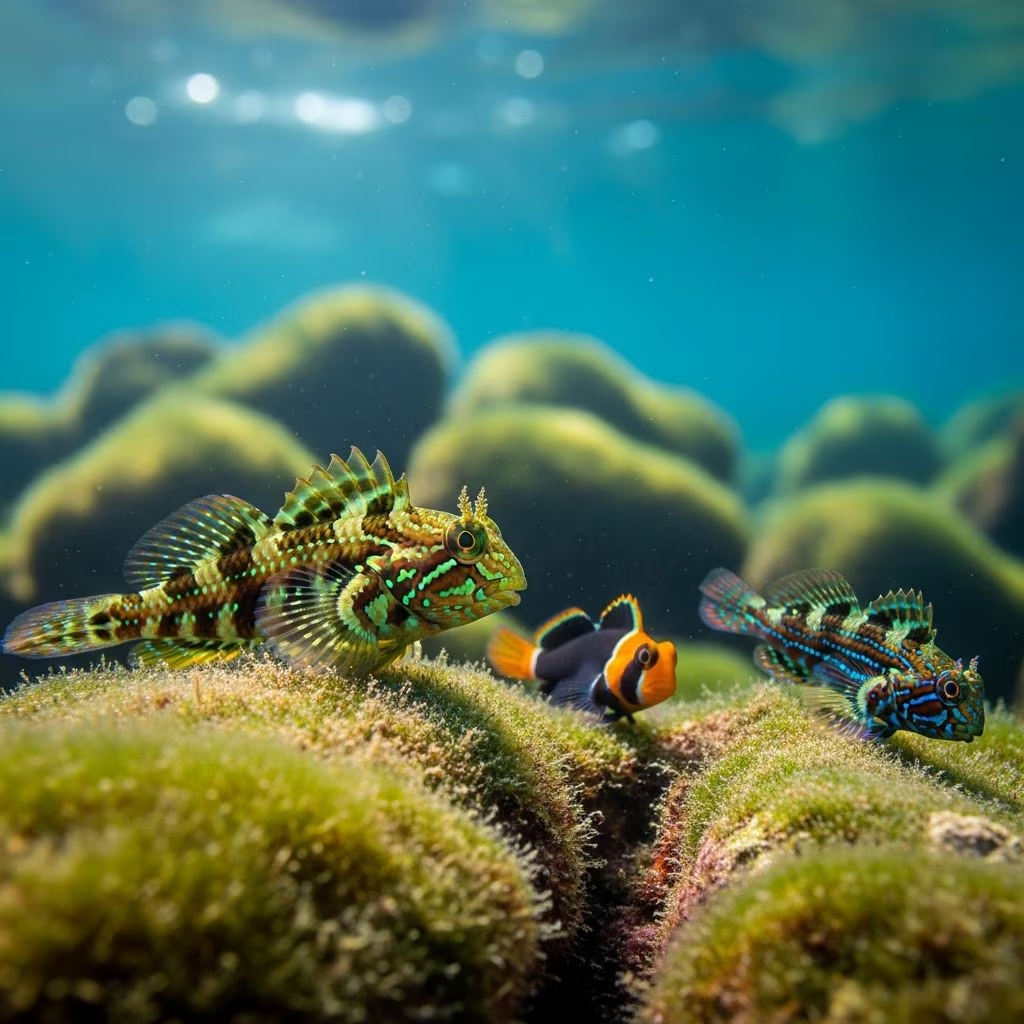
Algae-Eating Blennies: A Comprehensive Guide to These Reef Tank Helpers
Algae-eating blennies are among the most effective natural cleaners for saltwater and reef aquariums. These small, bottom-dwelling fish use specialized feeding mechanisms to graze on algae, detritus, and micro-invertebrates that accumulate on rocks and substrate. Unlike many other herbivorous fish, blennies take thousands of bites daily, making them exceptionally efficient at controlling nuisance algae growth. Their ability to work continuously throughout the day, combined with their relatively peaceful nature, makes them popular choices for both beginner and experienced aquarists. Understanding the different species, their specific dietary needs, and behavioral characteristics is essential for successfully maintaining these fish in captivity.
Understanding Blenny Biology and Feeding Mechanisms
Blennies possess unique anatomical adaptations that enable them to feed on algae and associated organisms. Most algae-eating blennies feature expandable jaws and specialized tooth structures designed for rasping and scraping surfaces. Their teeth are arranged in comb-like patterns or are small and flexible, allowing them to efficiently extract food from hard substrates like rocks and coral skeletons. The feeding activity of these fish is remarkable; research has documented that some species, such as the lawnmower blenny (Salarias fasciatus), take approximately 3,000 bites at the substrate per day—more than twice the feeding rate of comparable herbivorous fish species like Ward’s damselfish.
The primary food source for most algae-eating blennies is not algae itself, but rather detritus—decomposed organic material that accumulates within algal mats. While these fish consume filamentous microalgae, diatoms, blue-green algae (cyanobacteria), and various green algae forms, recent scientific studies have revealed that detrital aggregates comprise a significant portion of their diet. Additionally, as they feed on substrate material, blennies incidentally ingest tiny invertebrates including foraminiferans, ostracods, copepods, small crustaceans, and minute gastropods. Some species occasionally consume fish eggs, sponges, small snails, and polychaete worms.
Major Algae-Eating Blenny Species
The Lawnmower Blenny (Salarias fasciatus)
The lawnmower blenny is perhaps the most popular algae-eating blenny among aquarists. This species is renowned for its exceptional ability to control filamentous algae growth. Salarias fasciatus feeds on filamentous algae, diatoms, foraminiferans, tiny crustaceans, detritus, and sand. The species will also consume fish eggs, sponges, and small snails on occasion. Captive-bred lawnmower blennies are generally not picky eaters and will accept most aquarium foods, making them more adaptable to captivity than their wild-caught counterparts.
One notable characteristic of the lawnmower blenny is its remarkable feeding capacity. With over 3,000 bites per day, these fish can decimate a moderate filamentous algae crop within weeks. Their feeding activity peaks around midday, with some studies reporting peak foraging rates at approximately 3:00 PM. This continuous, intensive grazing makes them invaluable for controlling algae outbreaks in reef and marine aquariums.
Cirripectes Blennies (Rockskippers and Coral Reef Blennies)
The Cirripectes genus includes several species of blennies characterized by hundreds of small, flexible teeth adorning their jaws and upper lips. These teeth are specifically adapted for rasping filamentous algae and detritus from hard substrates. Rockskippers rasp the substrate while ingesting minute invertebrates that associate with algal material, including foraminiferans, ostracods, copepods, and tiny gastropods. Like other blennies, Cirripectes species incidentally consume various microinvertebrates while feeding on plant material.
While Cirripectes blennies are not known as coral-eaters, they have been documented nipping at corals or clam mantles on rare occasions, typically when starving or lacking sufficient food. However, they usually do not cause irreparable damage to these sessile invertebrates. Interestingly, these blennies may actually benefit stony coral colonies by helping to circulate fresh, oxygen-enriched water within coral branches as they move throughout the colony.
Ophioblennius Blennies (Redlip Blennies)
Ophioblennius species, including the redlip blenny (O. atlanticus), use their expandable jaws to rasp algae and micro-invertebrates from hard substrates. Food habit studies indicate that redlip blennies feed almost entirely on algae and detritus, primarily consuming blue-green algae (cyanobacteria) and diatoms, with occasional consumption of green filamentous algae. These blennies conduct foraging activity during daylight hours and seek shelter in reef holes and crevices at night.
Ophioblennius species are highly territorial fish. In their natural habitat, they actively exclude members of their own kind as well as other algae-feeding species from their preferred feeding and hiding areas. In aquarium settings, they demonstrate less selectivity regarding tank mates, often chasing or nipping at most other fish that swim past before quickly retreating to their refuge. While Ophioblennius are generally not a significant threat to invertebrates, individual specimens have been observed attacking and consuming hermit crabs, and they may nip at large-polyped stony corals and clam mantles. However, this aggressive behavior is rare in well-fed individuals.
Acanthemblemaria Blennies (Highfin and Hosokawa Blennies)
Two species comprise the Acanthemblemaria genus commonly kept in aquariums: the highfin or brown coral blenny (A. fuscus) and the hosokawa blenny (A. hosokawai). The hosokawa blenny is rarely encountered in the aquarium trade. The highfin blenny feeds mainly on filamentous microalgae, foraminiferans, detritus, and sand. It also consumes sponges, fish eggs, minute crustaceans, small snails, insects, and small polychaete worms. Many of these organisms are ingested incidentally as the fish feeds on algae.
In captivity, the highfin blenny is sometimes utilized to help control filamentous microalgae growth. Although this species feeds primarily on algae, individual specimens may occasionally nip at coral polyps or clam mantles, particularly when algae supplies are limited. This species performs best in tanks with an abundant crop of microalgae to sustain its natural feeding behavior.
Specialized Feeding Behaviors and Diet Composition
Detritus as Primary Nutritional Source
Recent scientific research has fundamentally changed our understanding of blenny nutrition. While these fish are commonly marketed as algae-eaters, studies reveal that detritus comprises a larger portion of their actual diet than previously recognized. Detritus—the accumulated decomposed organic material within algal mats—appears to be the key dietary component for many blenny species. This finding explains why some Salarias species, such as S. patzneri, selectively feed on smaller particles (less than 125 millimeters in size, primarily detritus) while avoiding larger algal filaments exceeding 250 millimeters.
Daily Feeding Activity Patterns
Blenny foraging behavior follows predictable daily patterns. Research on lawnmower blennies documented that these fish remove an average of 2.19 milligrams of dry-weight epilithic algae per bite. With over 3,000 bites daily, a single lawnmower blenny can remove substantial quantities of algae from aquarium substrates and rockwork. Their foraging intensity means they can rapidly control even moderate filamentous algae infestations.
The territorial nature of many blenny species influences their feeding patterns. Unlike selective-grazing damselfish that can complete their nutritional requirements efficiently and then dedicate time to territory defense, blennies are less discriminating feeders and must invest significantly more time in continuous foraging to meet their dietary needs.
Aquarium Care and Maintenance Requirements
Tank Size and Environmental Conditions
Algae-eating blennies perform optimally in aquariums with abundant microalgal growth. For species like Cirripectes blennies, tank size recommendations suggest a minimum of 100 gallons when maintaining more than one individual, though this estimate varies based on the lushness of the algal crop. A thriving tank with well-established rocks and substrate supporting diverse algal communities better supports the nutritional and behavioral needs of these fish.
The aquarium environment should include plenty of hiding places, crevices, and rockwork where blennies can establish territories and seek refuge. These features are particularly important for territorial species like Ophioblennius, which naturally seek shelter in reef holes and crevices.
Feeding in Captivity
In well-established aquariums with abundant natural food sources, supplemental feeding may not be necessary. However, aquarists can offer herbivore-specific diets to ensure nutritional adequacy. Recommended foods include frozen preparations with Spirulina algae, herbivore flake foods, nori seaweed, specialized pellets, and Spirulina brine shrimp. Captive-bred lawnmower blennies generally adapt well to these supplemental foods.
Some wild-caught individuals, particularly Cirripectes species, may prove reluctant to accept anything beyond natural filamentous microalgae and detritus. In such cases, aquarists face challenges in maintaining these fish if natural food sources become depleted. This feeding inflexibility underscores the importance of maintaining robust algal growth in tanks housing these species.
Preventing Nutritional Deficiency Issues
If algae populations decline excessively in an aquarium, blennies may display undesirable feeding behaviors. Both algae-eating blennies and Cirripectes species have been documented nipping at coral polyps or clam mantles when facing food scarcity. Well-fed individuals exhibit this problematic behavior far less frequently. Maintaining a consistent microalgal crop through appropriate lighting and water management helps prevent these behavioral issues.
Behavioral Characteristics and Tank Compatibility
Territorial and Aggressive Tendencies
Different blenny species exhibit varying temperaments and compatibility profiles. Ophioblennius species are notably territorial and are often relegated to species-only tanks. These blennies actively chase and nip at almost any fish species that swim past, quickly retreating to their preferred hiding place before victims can retaliate. Even peaceful blenny species may become aggressive toward similar-looking fish or those sharing comparable diets, especially if tank space feels limited.
Lawnmower blennies are generally peaceful toward fish species but can become aggressive toward other blennies, particularly if the resident blenny is established first or larger than newcomers. Multiple blennies in a shared tank will typically chase and nip competitors until they hide incessantly or leap from the tank.
Invertebrate Compatibility
While algae-eating blennies and Cirripectes species are generally not significant threats to invertebrates, individual specimens may occasionally nip at large-polyped stony corals and clam mantles. This behavior becomes increasingly likely when food is scarce. Under normal conditions with adequate nutrition, such nipping is rare. Ophioblennius species have been documented attacking crabs, sometimes tearing hermit crabs from their shells to consume them.
Selecting the Right Algae-Eating Blenny for Your Aquarium
Lawnmower Blennies: Best for Most Aquarists
The lawnmower blenny represents an excellent choice for aquarists seeking reliable algae control with adaptable feeding habits. These fish accept commercial foods more readily than other species and perform well in medium to large aquariums. Their exceptional algae-eating prowess makes them valuable utility fish for reef systems.
Cirripectes Species: For Established Reef Systems
Cirripectes blennies suit aquarists with well-established reef systems featuring abundant natural food sources. These fish benefit SPS corals through water circulation and provide specialized control of certain algae types. However, their reluctance to accept supplemental foods in some cases requires a commitment to maintaining robust natural food populations.
Ophioblennius Species: For Species or Single-Fish Tanks
Redlip blennies work best in dedicated species tanks or as solitary inhabitants due to their territorial aggression. These highly interactive fish develop strong personalities and provide aquarists with fascinating behavioral displays, making them rewarding despite their limited compatibility with other fish.
Frequently Asked Questions About Algae-Eating Blennies
Q: How many bites per day does a lawnmower blenny take?
A: Research shows that lawnmower blennies take approximately 3,000 bites at the substrate daily, enabling them to remove significant quantities of algae and detritus.
Q: Can I keep multiple algae-eating blennies in one tank?
A: Multiple blennies often exhibit aggression toward each other. If attempting to house multiple individuals, ensure tanks of at least 100 gallons with abundant hiding places and algal growth, and introduce similarly-sized specimens simultaneously.
Q: What should I feed algae-eating blennies in captivity?
A: Offer herbivore-specific foods including Spirulina algae flakes, nori seaweed, specialized pellets, and Spirulina brine shrimp. Many species, particularly captive-bred lawnmower blennies, readily accept these commercial preparations.
Q: Do algae-eating blennies eat coral?
A: While not known as coral-eaters, individual specimens may occasionally nip at coral polyps or clam mantles, especially when starving. Well-fed fish exhibit this behavior rarely.
Q: What size aquarium do I need for algae-eating blennies?
A: For a single lawnmower blenny, a medium-sized aquarium (20+ gallons) works well. For species like Cirripectes, a minimum 100-gallon tank is recommended when housing multiple individuals, though tank size should accommodate natural food crop abundance.
Q: How long do algae-eating blennies live?
A: With proper care, most algae-eating blennies can live several years in captivity. Exact lifespan varies by species and individual care quality.
Q: Are algae-eating blennies good for beginners?
A: Lawnmower blennies are considered excellent beginner fish due to their hardy nature, adaptability to commercial foods, and peaceful temperament toward other fish. Other species like Ophioblennius require more experience.
References
- Blennies That Eat Algae — Chewy Education. 2024. https://www.chewy.com/education/fish/general/blennies-that-eat-algae
- Lawnmower Algae Blenny (Salarias fasciatus) — The Biota Group. 2024. https://shop.thebiotagroup.com/products/lawnmower-blenny
- Lawnmower Blenny Diet — Tropical Fish Hobbyist Magazine. 2024. https://www.tfhmagazine.com/articles/saltwater/uber-algae-eaters-the-lawnmower-blennies-full-article
- Hobson, E.S. — Feeding relationships of the teleosteon fishes on coral reefs in Kona. Fishery Bulletin. 1974-01-01. Fishery Bull. 72:915-1031



