

6 Things to Know About the Amicable Alexandrine Parakeet
The Alexandrine parakeet, also known as the Alexandrine parrot (Psittacula eupatria), has earned a reputation as one of the most affectionate and engaging companion birds available to pet owners today. Often described as “the gentle bird with the big beak,” these medium-sized parrots combine intelligence, charm, and remarkable personality in a surprisingly manageable package. Whether you’re an experienced bird enthusiast or considering your first larger parakeet, understanding the unique characteristics and needs of Alexandrine parakeets will help you provide the best possible care for these remarkable creatures. Here are six essential things every potential or current Alexandrine parakeet owner should know.
1. Everyone Is “The Chosen One”
One of the most distinctive and entertaining behaviors of Alexandrine parakeets is their tendency to become intensely focused on whoever captures their attention at any given moment. These birds are famously social and interactive, but they have a humorous way of showing favoritism that can catch owners off guard. When a new visitor arrives at your home, your Alexandrine may completely ignore you, their longtime caregiver, and instead devote all their attention to the newcomer.
This behavior stems from the Alexandrine parakeet’s natural curiosity and social nature. These birds are highly intelligent and enjoy meeting new people, and they approach each new individual as if they might be “The Chosen One”—the most important person in their world at that particular moment. An Alexandrine will enthusiastically fly over to perch on a visitor’s shoulder, head, or outstretched arm, announcing their arrival with cheerful vocalizations like “Oh Hi” or other learned phrases. They’ll happily chatter and engage in animated conversation, seemingly unaware that their regular human family members are watching from the sidelines.
This endearing quirk is part of what makes Alexandrines such beloved companions. Their ability to bond with multiple family members, unlike some other parrot species that typically bond with only one person, means they can bring joy and entertainment to an entire household. However, it’s important to understand that this behavior, while charming, reflects their need for social interaction and mental stimulation. Regular interaction and attention from all family members will help ensure your Alexandrine remains well-adjusted and content.
2. Call Them Independent
Alexandrine parakeets are remarkably independent birds, a trait that distinguishes them from many other parakeet species. These birds possess the intelligence and self-sufficiency to entertain themselves quite effectively. They’ll spend hours happily talking and whistling to themselves, developing what seems like entire conversations within their own minds. Many Alexandrines enjoy studiously chewing on bird toys, exercising both their minds and their powerful beaks in constructive ways.
This independence is generally a positive trait, as it means your Alexandrine won’t become excessively dependent on constant human interaction or attention. However, this same independence can also translate into a streak of stubbornness when they want something done their way. Alexandrines have been known to employ creative tactics to get what they desire—flying away while laughing, dramatically throwing their heads back with exaggerated protests of “Awwww NO!” or employing a firm “chomp” when asked to do something they’re not interested in at that moment.
Understanding this independent nature is crucial for training and behavioral management. Patience and consistency are key when working with these intelligent, somewhat headstrong birds. Rather than viewing their independence as defiance, consider it a reflection of their high intelligence and strong personality. Providing appropriate outlets for their independence—such as toys to manipulate, space to explore, and time to engage in their own activities—will result in a happier, more well-adjusted bird.
3. They Need Plenty of Space for Active Flight
Despite their classification as medium-sized birds, Alexandrine parakeets are notably agile flyers with significant energy and enthusiasm for movement. These birds are capable of impressive aerial maneuvers and genuinely enjoy flying when given the opportunity. Providing adequate space for flight is not just a luxury—it’s an essential component of proper Alexandrine parakeet care.
In their natural habitat, these parakeets would spend considerable time in flight, traveling between feeding areas, roosting sites, and social gathering points. In captivity, this natural drive to fly remains strong. Many Alexandrine owners report that their birds spend time hanging from the top of their cage and flapping their wings in anticipation of out-of-cage playtime. Some enthusiastically sail down hallways and around rooms with obvious joy and confidence.
To meet these flight needs, owners should establish a safe, bird-proofed room where their Alexandrine can exercise under supervision. This space should be free from hazards such as open windows, ceiling fans, toxic plants, or other birds that might pose a threat. Perches and landing spots should be strategically placed to give the bird multiple resting options during flight sessions. Most Alexandrine owners find that their birds eventually return to land on their head or shoulders after satisfying their flight urges—a delightful conclusion to playtime.
Additionally, within the cage itself, toys should be strategically positioned to prevent entanglement while still providing interest and enrichment. The varying heights and positions should encourage climbing and movement, further supporting your bird’s physical needs and mental well-being.
4. Expect Regular Cage Time and Enrichment Activities
While out-of-cage flight time is important, Alexandrine parakeets will spend the majority of their time in their cage, making cage setup crucial to their overall well-being. A properly furnished and spacious cage is the foundation of good Alexandrine care. Your bird’s cage should be large enough to accommodate spread wings and allow for some flight, with a minimum size of 36 x 24 x 36 inches recommended for these birds. Bar spacing should not exceed 3/4 to 1 inch to prevent escape or injury.
Beyond adequate size, the cage should be furnished with multiple perches of varying diameters to support foot health and prevent pressure sores. Natural wood perches are preferable to plastic whenever possible. The cage should include several types of toys: ropes for climbing, bells for mental stimulation, and foraging puzzles to encourage natural foraging behaviors and provide cognitive enrichment.
Enrichment is essential for these intelligent, curious birds. Boredom can lead to behavioral problems and even self-destructive behaviors in parakeets. Toy rotation—regularly changing which toys are available in the cage—helps maintain novelty and interest. Different types of toys should be provided: destructible toys for chewing, puzzle toys for mental stimulation, and social toys that encourage interaction.
Fresh water and clean food should be provided daily. A reliable, heavy-based food dish and a separate water dish (or water bottle) should be cleaned daily to prevent bacterial growth and ensure your bird has access to clean resources at all times.
5. Know Thy Parakeet: Physical Characteristics and Lifespan
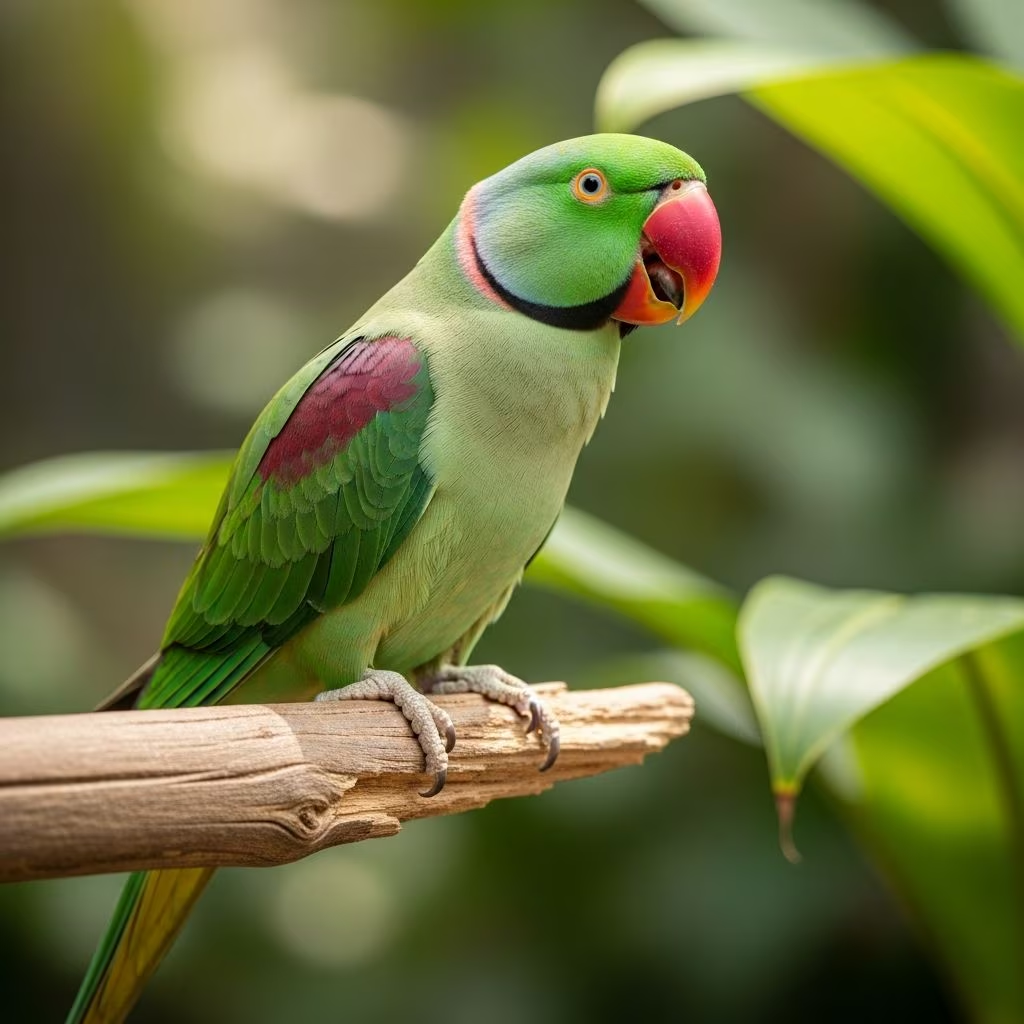
Understanding the physical characteristics of Alexandrine parakeets helps owners provide species-appropriate care and recognize health issues early. These medium-sized birds typically measure 22-24 inches in length (including their long tail feathers) and weigh approximately 200-250 grams. They are characterized by their bright, luminous green plumage, which makes them visually striking and appealing to bird enthusiasts.
One of the most distinctive features of the Alexandrine parakeet is their powerful, candy-corn colored beak. This large beak is capable of considerable destructive force, yet Alexandrines are generally not destructive by nature—a fortunate combination that makes them more manageable than some other large-beaked parrot species. While they are certainly capable of causing damage if they choose to, they typically do not engage in excessive chewing or destructive behaviors.
Alexandrine parakeets are sexually dimorphic, meaning males and females are easily distinguished by their markings. Both males and females share the beautiful luminous green coloration and candy-corn colored beaks. However, after approximately three years of age, males develop a distinctive black ring around their necks, along with light pink and blue bands across the nape. Females remain solid green throughout their lives without these distinctive markings.
These birds have an impressive lifespan of 20-30 years or more with proper care. This long lifespan means that acquiring an Alexandrine parakeet is a significant, long-term commitment. Owners should be prepared for several decades of daily care, interaction, and veterinary attention.
6. Their Vocal Abilities and Communication Skills
Alexandrine parakeets are highly vocal birds with impressive mimicking abilities and excellent communication skills. These birds can develop quite a vocabulary and genuinely seem to enjoy carrying on conversations with their human companions. Many owners report that their Alexandrines will initiate conversations, appear to respond to statements, and even engage in what seems like reciprocal dialogue.
The vocalizations of Alexandrine parakeets are notably different from some of their close relatives. Their calls are generally deeper, harsher, and more resonant than those of their Indian ring-necked cousins. They can emit a variety of sounds including a ringing “trrrieuw,” loud “kree-aar” or “keeak,” deep “klak-klak-klak-klak,” and resonant “gr-aak.” Their voice becomes harsher when they are alarmed, and they can shriek loudly when mobbing predators or feeling threatened.
While Alexandrines are not known to be as loud or ear-piercing as some larger parrot species, they are still notably vocal birds, especially when seeking attention or feeling bored. Early morning and early evening vocalizations are common, as these are naturally active times for birds. Understanding and accepting this vocal nature is important for potential owners, particularly those living in apartments or closely situated with neighbors.
The impressive mimicking abilities of Alexandrines mean they can be trained to speak words and phrases with patience and consistency. They love to show off their vocal talents and seem to take pride in their ability to produce sounds, which makes training these birds both rewarding and entertaining.
Understanding Alexandrine Parakeet Temperament
Beyond these six key points, it’s valuable to understand the overall temperament and personality traits that make Alexandrines such appealing companions. These birds are known for being loyal, playful, and talkative. They are quick learners capable of mastering tricks and complex behaviors. Many Alexandrines enjoy showing off their acrobatic abilities, seemingly taking pleasure in demonstrating their agility and intelligence to their human family members.
Alexandrines are not typically nippy or aggressive birds, despite their large and powerful beaks. Instead, they are extremely affectionate when given consistent attention and proper socialization. They require a person or family that can dedicate significant time to their care and companionship. These are not birds that can be left alone for extended periods without suffering behavioral and emotional problems.
These birds have often been described as the perfect middle ground between the smaller parakeets and the larger parrot species. They offer the engaging personality and communication abilities of larger parrots while maintaining a more manageable size and, generally, somewhat lower noise level. They are well-suited to both novice bird keepers who have previous experience with other parakeets and to experienced aviculturists looking for an affectionate, intelligent companion.
Health Considerations for Alexandrine Parakeets
While Alexandrine parakeets are generally hardy birds, they are susceptible to certain health conditions. Regular veterinary check-ups with an avian veterinarian are essential for maintaining health and catching problems early. Common health concerns for this species include Polyomavirus, psittacosis, aspergillosis, and bacterial infections. Providing a clean environment, proper nutrition, and appropriate humidity levels helps prevent many of these conditions.
A balanced diet rich in pellets, fresh fruits, and vegetables is essential for optimal health. Access to clean water and proper lighting cycles supports overall well-being. Regular cage cleaning and environmental enrichment contribute to both physical and mental health.
Frequently Asked Questions About Alexandrine Parakeets
Q: How long do Alexandrine parakeets live?
A: Alexandrine parakeets can live 20-30 years or more with proper care, making them a long-term commitment for potential owners.
Q: Are Alexandrine parakeets good for beginners?
A: They are best suited for those with some prior bird experience. Someone who has successfully kept other parakeets or small birds healthy and happy may be ready for an Alexandrine. They are not ideal for very first-time bird owners.
Q: How much space do Alexandrine parakeets need?
A: A cage measuring at least 36 x 24 x 36 inches with bar spacing of 3/4 to 1 inch is recommended. Additionally, they need 2-4 hours of supervised out-of-cage time daily for flight and exercise.
Q: Can Alexandrine parakeets talk?
A: Yes, Alexandrines are excellent mimics and can learn a substantial vocabulary of words and phrases with consistent training. They also enjoy carrying on conversations with their human companions.
Q: Do Alexandrine parakeets need companions?
A: While they are social birds, Alexandrines typically do well as single birds in a household with active human interaction. They will generally live peacefully with others of their kind but may be aggressive toward other bird species.
Q: How much time outside the cage do they need?
A: Alexandrine parakeets should spend at least 2-4 hours outside their cage daily for exercise, flight, and social interaction with their human family members.
References
- Alexandrine Parakeet Personality, Food & Care — Lafeber Company. 2024. https://lafeber.com/pet-birds/species/alexandrine-parrot/
- Alexandrine Parakeet: Species Characteristics & Care — Dial A Vet. 2024. https://www.dialavet.com/blog/alexandrine-parakeet-species-characteristics-care
- All About the Alexandrine Parakeet: Personality, Diet, Habitat, & More — A-Z Animals. 2024. https://a-z-animals.com/blog/all-about-the-alexandrine-parakeet-personality-diet-habitat-more/
- Alexandrine Parakeet (Psittacula eupatria) Identification Guide — Birda. 2024. https://app.birda.org/species-guide/13658/Alexandrine_Parakeet
- Alexandrine Parakeet – Characteristics, Behaviour, and Care — ZooPlus UK. 2024. https://www.zooplus.co.uk/magazine/bird/bird-breeds/alexandrine-parakeet



