
Alexandrine Parakeet: Care, Personality & Diet Guide
Complete guide to Alexandrine parakeets: personality traits, care requirements, diet, and breeding information.
Understanding the Alexandrine Parakeet
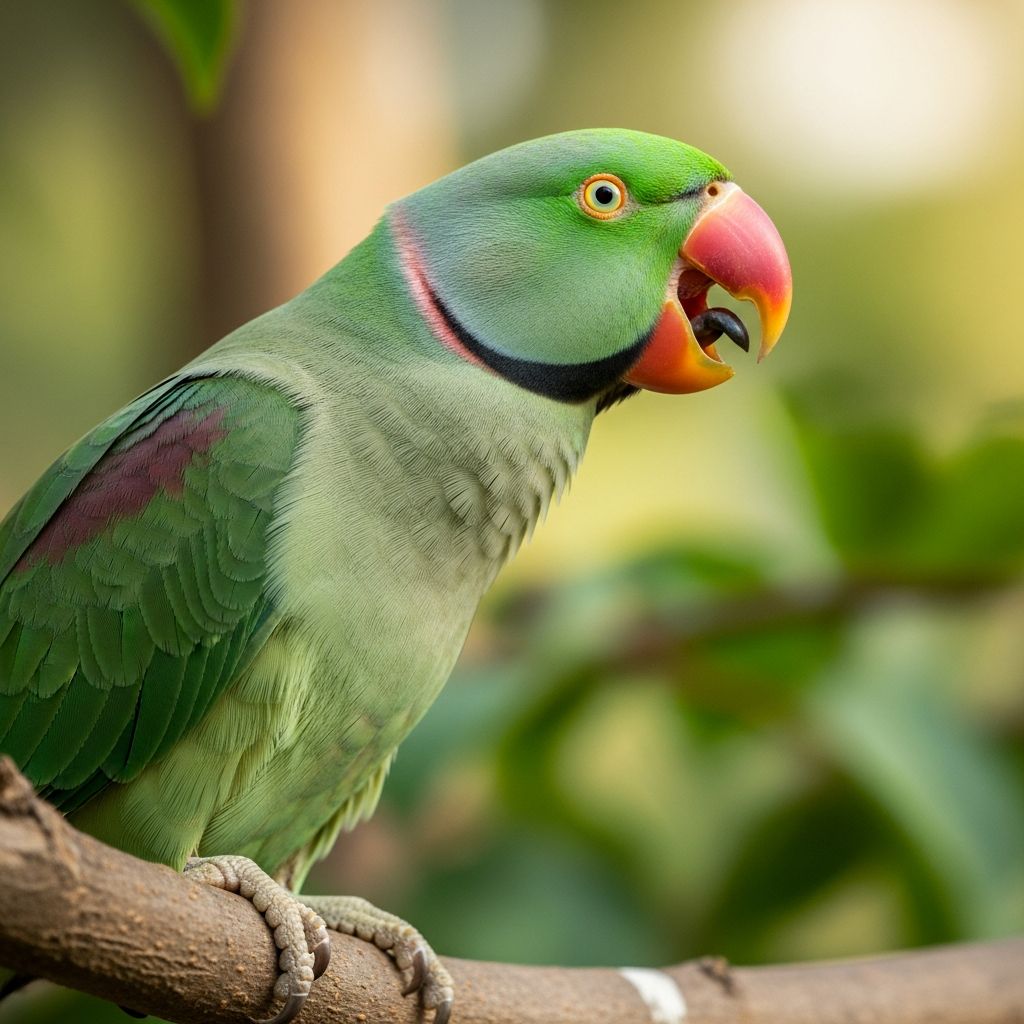
The Alexandrine parakeet, also known as the Alexandrine parrot, represents one of the most captivating avian species in the pet bird industry. These remarkable birds are characterized as loyal, playful, and talkative companions that can learn an impressive array of tricks and demonstrate remarkable acrobatic abilities. The Alexandrine parakeet stands as the largest species among all parakeets, with “parakeet” technically defined as a small parrot distinguished by long tail feathers.
This species has earned its distinctive name from a historical connection to Alexander the Great, the renowned emperor born in 356 B.C. According to historical accounts, Alexander the Great maintained numerous Alexandrine parrots and facilitated their export to Europe and the Mediterranean regions, where these birds became particularly favored among nobility and the upper classes. This historical significance has contributed to the enduring appeal and prestige of the species among bird enthusiasts worldwide.
Native Region and Natural Habitat
The Alexandrine parakeet originates from the expansive regions of East India, extending to Hyderabad in Andhra Pradesh in the southern territories, and throughout Sri Lanka. Understanding their natural habitat provides valuable insights into their behavioral patterns and care requirements in captivity. These birds thrive in environments that offer opportunities for climbing, foraging, and social interaction, characteristics inherited from their native tropical ecosystems.
Physical Characteristics and Key Traits
| Characteristic | Details |
|---|---|
| Color | Bright green plumage |
| Size | Medium-sized bird |
| Lifespan | Up to 30 years |
| Vocalization | Vocal communicator |
| Social Nature | Highly social and interactive |
| Tail Length | Up to 14 inches |
The Alexandrine parakeet possesses a distinctive appearance with its bright green coloration and an immense, powerful beak. The nominate Alexandrine parakeet displays all-green plumage, though color mutations have become increasingly available in recent years. These mutations include the striking lutino variety, which features yellow coloration, and the beautiful blue mutation. The species comprises five distinct subspecies, some exhibiting slight variations in size.
Personality and Behavioral Traits
One of the most appealing aspects of the Alexandrine parakeet is its well-rounded personality. These birds are known for being gentle, independent, and relatively quiet compared to their closely related Indian ring-neck cousins. Unlike some other parrot species that form exclusive bonds with a single family member, Alexandrines demonstrate the remarkable ability to bond with multiple family members, making them excellent family pets.
Alexandrine parakeets display impressive intelligence and an eagerness to learn. They readily acquire new tricks and showcase a natural inclination to perform acrobatic feats, seemingly eager to display their skills to their human companions. Their playful nature combines with their conversational abilities to create birds that are never dull or boring companions. These parakeets are exceptionally affectionate when given consistent attention and are notably not prone to nipping behavior, despite their large and powerful beaks.
Speech, Sound, and Vocalization Abilities
The Alexandrine parakeet possesses excellent mimicking abilities and can copy virtually any sound in its environment. These birds can emit a powerful screech that is notably deeper than that of their close cousin, the Indian ring-necked parakeet. While Alexandrines are generally quieter than some parrot species, they remain vocal communicators capable of amassing an impressive vocabulary. This combination of mimicking prowess and conversational nature makes them fascinating to observe and interact with daily.
Comprehensive Care and Feeding Requirements
Proper care of Alexandrine parakeets requires attention to multiple aspects of their daily lives. These birds need a cage that is sufficiently tall to accommodate their characteristically long tail feathers, which can extend up to 14 inches in length. A well-designed cage setup is fundamental to maintaining the bird’s physical and psychological well-being.
Enrichment and Toy Requirements
Alexandrines are chewing machines by nature, and they require abundant softwood toys to keep them mentally stimulated and physically active. A comprehensive enrichment strategy should include several rope toys alongside a few indestructible acrylic toys to provide variety and sustained interest. Puzzle toys that hide nuts or dried fruit prove especially entertaining for Alexandrine parakeets, which consistently demonstrate an inclination toward solving challenges and engaging in problem-solving activities.
Nutritional Needs
The Alexandrine parakeet’s diet should consist of a pelleted base diet supplemented with fresh fruits and vegetables. A nutritionally balanced approach is essential for maintaining optimal health throughout the bird’s extended lifespan. Premium pellets, Nutri-Berries, and Avi-Cakes specifically formulated for parrots provide appropriate nutritional profiles. These foods offer varied shapes and textures that encourage increased food interaction, resulting in nutritious foraging behaviors that support overall bird health and well-being.
Social Compatibility and Housing Considerations
Alexandrine parakeets generally live peacefully with others of their own species, though they might display aggression toward other bird species. Their powerful and large beaks necessitate caution when housing them with smaller birds, which should be kept out of reach entirely. If you possess a “cousin” bird, such as an Indian ring-necked parakeet, supervised play between the species is possible, though cross-species breeding should be strictly avoided.
These highly affectionate birds genuinely love their human “flock” and require individuals capable of providing them with substantial time outside the cage on a daily basis. The amount of human interaction and out-of-cage time directly correlates with the bird’s social development and contentment.
Health and Common Conditions
Alexandrine parakeets are relatively healthy birds overall; however, they exhibit susceptibility to certain health conditions that require awareness and preventative measures. The primary health concerns include Polyomavirus, psittacosis, aspergillosis, and various bacterial infections. Regular veterinary check-ups with an avian veterinarian can help identify and address potential health issues before they become serious problems. Maintaining appropriate environmental conditions, providing a balanced diet, and ensuring proper hygiene within the bird’s living space all contribute to disease prevention and long-term health maintenance.
Suitable Ownership Level and Experience Requirements
The Alexandrine parakeet represents an excellent choice for both novice and experienced bird keepers. However, this species may not be ideal for the absolute beginner with no prior bird experience. Individuals who have successfully maintained a parakeet or other small bird in healthy and happy conditions are typically well-prepared to welcome an Alexandrine into their homes. The easy-going nature of these birds, combined with their relatively quiet demeanor, makes them more manageable than some larger parrot species, yet their care requirements demand commitment and understanding.
Availability and Color Variations
Alexandrine parakeets are typically available from avian-specialty stores and dedicated bird breeders. As interest in these birds continues to grow, breeders increasingly focus on developing color mutations to expand the variety available to consumers. Beyond the standard all-green nominate Alexandrine, the lutino mutation produces beautiful yellow-colored birds, while the blue mutation creates striking blue-plumaged specimens. These color variations add to the aesthetic appeal of the species while maintaining the same behavioral and personality characteristics that make Alexandrines such desirable pets.
Subspecies Diversity
The Alexandrine parakeet encompasses five distinct subspecies, with variations in their overall size characteristics. Some subspecies tend toward slightly larger proportions, while others are proportionally smaller. Understanding these subspecific differences can be valuable for breeders and enthusiasts seeking specific traits or characteristics in their birds. Each subspecies maintains the core personality traits and behavioral characteristics that define the species as a whole.
Long-Term Commitment and Longevity
Potential Alexandrine parakeet owners must understand that these birds represent a long-term commitment spanning multiple decades. With proper care and attention, Alexandrines can live more than 30 years, meaning they may outlive their human companions. This extended lifespan requires serious consideration before acquiring one of these birds, as they will require consistent care throughout their entire lives, including appropriate housing, nutrition, veterinary care, and social interaction.
Why Alexandrines Make Wonderful Pets
The Alexandrine parakeet distinguishes itself as an exceptionally lovable and intelligent parrot species. Their combination of loyalty, playfulness, conversational abilities, and gentleness creates companions that enrich the lives of their owners in meaningful ways. Their capacity to bond with multiple family members fosters a sense of inclusion and connection throughout the household. These birds demonstrate natural curiosity, enjoy learning new skills, and respond positively to consistent, affectionate interaction with their human families.
Frequently Asked Questions
Q: How long do Alexandrine parakeets live?
A: With proper care and attention, Alexandrine parakeets can live more than 30 years, making them a significant long-term commitment for potential owners.
Q: Are Alexandrine parakeets good talkers?
A: Yes, Alexandrine parakeets are excellent talkers with impressive mimicking abilities. They can amass an impressive vocabulary and copy virtually any sound in their environment.
Q: Can Alexandrine parakeets live with other birds?
A: Alexandrines generally live peacefully with other Alexandrines but may show aggression toward other bird species. Their powerful beaks make housing with smaller birds inadvisable.
Q: What is the best diet for an Alexandrine parakeet?
A: A balanced diet should consist of high-quality pellets as a base, supplemented with fresh fruits and vegetables. Foods like Lafeber Nutri-Berries provide complete nutrition in an engaging format.
Q: Do Alexandrine parakeets require a large cage?
A: Yes, the cage must be tall enough to accommodate their long tail feathers, which can extend up to 14 inches in length. Adequate space is essential for their physical and psychological well-being.
Q: Are Alexandrine parakeets suitable for beginners?
A: While not ideal for absolute beginners, Alexandrines are suitable for individuals with experience maintaining other parakeets or small birds successfully.
Q: What toys do Alexandrine parakeets enjoy?
A: Alexandrines enjoy softwood toys, rope toys, indestructible acrylic toys, and puzzle toys that hide nuts or dried fruit, providing mental stimulation and entertainment.
References
- Alexandrine Parakeet Personality, Food & Care — Lafeber Company. 2025-11-28. https://lafeber.com/pet-birds/species/alexandrine-parrot/
- About Lafeber — Northern Parrots. 2025-11-28. https://www.northernparrots.com/blog/about-lafeber/
- Avian Nutrition and Health Guidelines — Association of Avian Veterinarians. 2024. https://www.aav.org/
- Parrot Behavior and Training — International Association of Avian Behavior Consultants. 2024. https://iaabc.org/
- Psittacine Bird Health and Disease Management — Veterinary Information Network. 2024. https://www.vin.com/
Similar Articles








Read full bio of medha deb


