
Alcohol Toxicity In Pets: Symptoms, Treatment, And Prevention
Understand the dangers of alcohol exposure for dogs, cats, and other animals, including hidden sources and life-saving treatments.
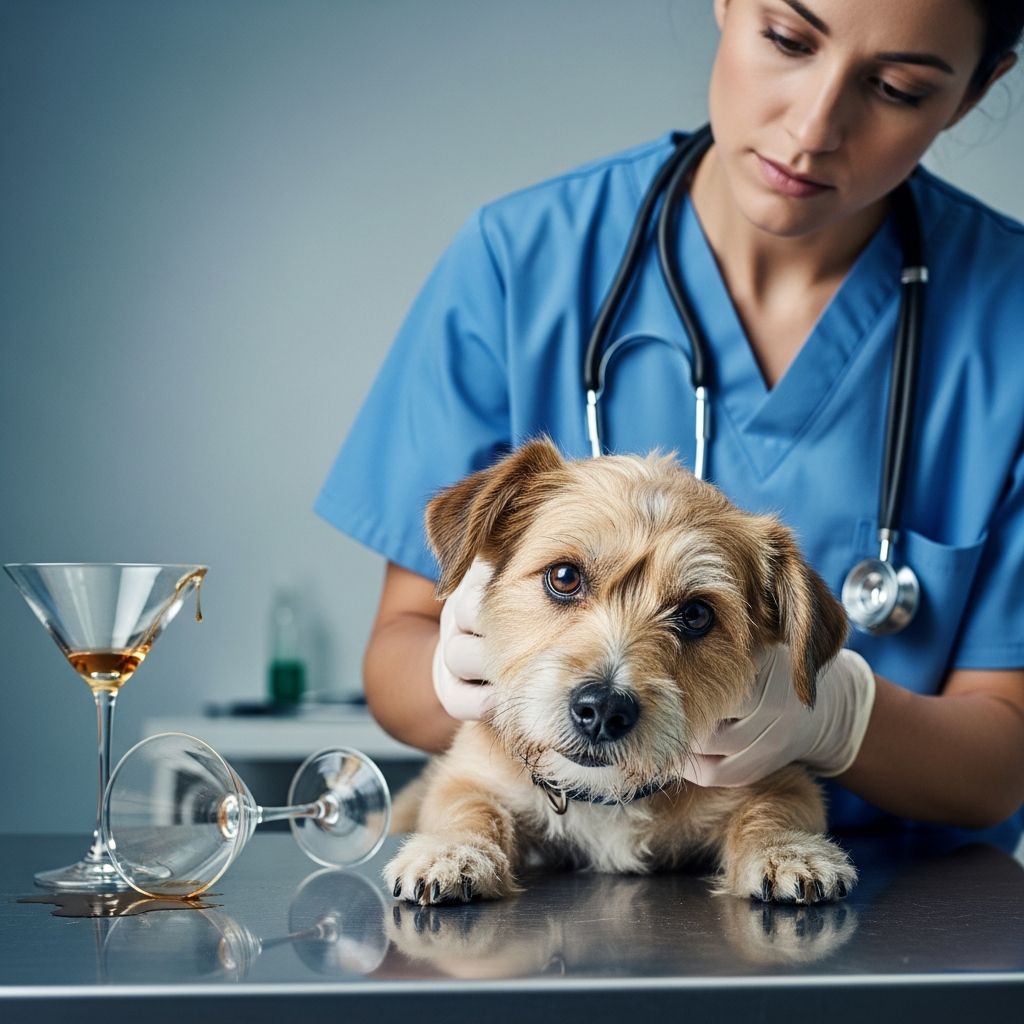
Household alcohols pose a serious threat to pets, leading to rapid intoxication and potentially fatal outcomes if not addressed promptly. Ethanol, the primary culprit, affects dogs, cats, and other animals differently than humans due to their smaller size and metabolic differences.
Common Sources of Alcohol in the Home
Pets encounter alcohol in unexpected places beyond obvious beverages. Alcoholic drinks left unattended attract curious pets, but hidden dangers lurk in everyday items. Raw bread dough ferments yeast into ethanol, causing bloating and poisoning as it expands in the stomach. Products like hand sanitizers, mouthwashes, and syrups contain high ethanol concentrations that pets may lick from spills or containers.
- Beverages: Beer, wine, liquor—especially creamy varieties that appeal to cats and dogs.
- Yeast Dough: Unbaked bread or pastries produce ethanol during rising, leading to both gastric distension and systemic toxicity.
- Household Products: Sanitizers (up to 70% ethanol), colognes, and fermented fruits like rotten apples.
Hops in beer add another layer of risk, causing malignant hyperthermia in dogs—a sudden, severe temperature spike.
Clinical Signs of Ethanol Poisoning
Symptoms emerge within 30-90 minutes, varying by dose and animal size. Initial signs mimic drunkenness in humans but escalate quickly in pets.
| Severity Level | Symptoms |
|---|---|
| Mild | Vomiting, disorientation, restlessness, excessive panting |
| Moderate | Ataxia (wobbling), hypothermia, increased thirst/urination, muscle tremors |
| Severe | Seizures, bradycardia, respiratory depression, coma, organ failure |
Dogs show pronounced central nervous system depression, while cats may exhibit more gastrointestinal distress. Hypoglycemia arises as ethanol disrupts gluconeogenesis, converting pyruvate to lactate and depleting glucose stores.
Mechanisms of Toxicity
Ethanol absorbs rapidly from the gastrointestinal tract, peaking in blood within an hour. It depresses the central nervous system by enhancing GABA activity and inhibiting glutamate, leading to sedation and respiratory failure. Metabolic acidosis develops from lactate accumulation, with anion gaps exceeding 25 mEq/L signaling severe cases.
In yeast dough cases, dual threats emerge: ethanol intoxication plus gastric dilatation from CO2 production, risking rupture. Hops trigger unique hyperthermia via direct muscle toxicity.
Diagnosis Strategies
Diagnosis relies on history, clinical signs, and the distinctive alcohol breath odor. Blood tests reveal hypoglycemia, acidosis, and elevated osmolal gap (blood ethanol [g/L] = osmolal gap / 27).
- Key Labs: Glucose, anion gap, blood gas analysis.
- Differentials: Ethylene glycol, isopropanol, benzodiazepines, or uremia—rule out via odor and history.
Radiographs detect dough masses in the stomach. Ethanol levels in blood, serum, or urine confirm but are rarely needed for treatment decisions.
Emergency Treatment Protocols
Immediate veterinary intervention is crucial. Do not induce vomiting at home due to aspiration risk.
- Decontamination: Bathe for dermal exposure; emetics only if very recent and under guidance.
- Supportive Care: IV fluids correct dehydration and promote elimination; dextrose counters hypoglycemia.
- Symptom Control: Antiemetics for vomiting, diazepam for seizures, atropine for bradycardia.
- Advanced Interventions: Oxygen, ventilation for respiratory failure; hemodialysis in extreme cases removes ethanol 3-4 times faster than metabolism.
Reversal agents like yohimbine or naloxone may aid CNS depression but lack consistency. Monitor vital signs closely for 24-48 hours.
Species-Specific Risks and Responses
Dogs
Dogs face lethal doses at 5.5-7.9 g/kg of pure ethanol (about 0.2 oz/kg). Beer and dough are common culprits; hops exacerbate with hyperthermia.
Cats
No safe threshold exists; even small amounts cause severe depression. Creamy liqueurs prove irresistible.
Other Animals
Birds and small mammals succumb quickly to sanitizers or spills. Fermented fruits poison livestock like horses.
Prevention Tips for Pet Owners
Proactive measures prevent most incidents:
- Secure trash, counters, and beverages.
- Store dough in proofing boxes or refrigerators.
- Opt for ethanol-free sanitizers; keep mouthwash elevated.
- Educate household members on risks.
Contact poison hotlines like ASPCA APCC immediately if exposure occurs.
Prognosis and Long-Term Outlook
With prompt care, prognosis excels—even severe cases recover fully. Complications like aspiration pneumonia or trauma worsen outcomes. Mild exposures may resolve with home monitoring.
Frequently Asked Questions (FAQs)
What should I do if my dog drank beer?
Call your vet or poison control right away. Note amount and time; rush to clinic if symptoms appear.
Can cats recover from hand sanitizer ingestion?
Yes, with aggressive treatment including fluids and glucose support.
Is raw dough always dangerous?
Not if tiny amounts, but fermentation risks make it hazardous—discard safely.
How much alcohol is toxic to a 10-lb dog?
Approximately 2 oz of pure ethanol; less for concentrated forms.
Does alcohol smell confirm poisoning?
Strong indicator, but confirm with vet exam to exclude mimics.
Case Studies in Veterinary Practice
A beagle ingesting rum-soaked fruitcake developed hypoglycemia and acidosis, treated successfully with IV dextrose and fluids. Another dog with dough ingestion required gastric lavage and hemodialysis for rapid detox. These highlight timely intervention’s role.
Owners report pets “drinking” spills, underscoring vigilance needs.
References
- What Happens When a Dog Drinks Alcohol? — Hill’s Pet Nutrition. 2023. https://www.hillspet.com/dog-care/healthcare/what-happens-when-dog-drinks-alcohol
- Ethanol Toxicosis: A Review — Today’s Veterinary Practice. 2022. https://todaysveterinarypractice.com/toxicology/practical-toxicologyethanol-toxicosis-review/
- Alcohol Poisoning in Dogs: Symptoms & What to Do — Animal Emergency Urgent Care. 2024. https://www.animalemergencyurgentcare.com/alcohol-poisoning-in-dogs/
- Alcohol Is Toxic To Pets — Pet Poison Helpline. 2023. https://www.petpoisonhelpline.com/poison/alcohol/
- Veterinary treatment of alcohol poisoning in dogs and cats — YouTube (ASPCA APCC reference). 2021. https://www.youtube.com/watch?v=8s1VJvQcgqM
- Ethanol — American College of Veterinary Pharmacists. 2024. https://vetmeds.org/pet-poison-control-list/ethanol/
- Alcohol Poisoning — VCA Animal Hospitals. 2023. https://vcahospitals.com/know-your-pet/alcohol-poisoning
Similar Articles








Read full bio of medha deb


