

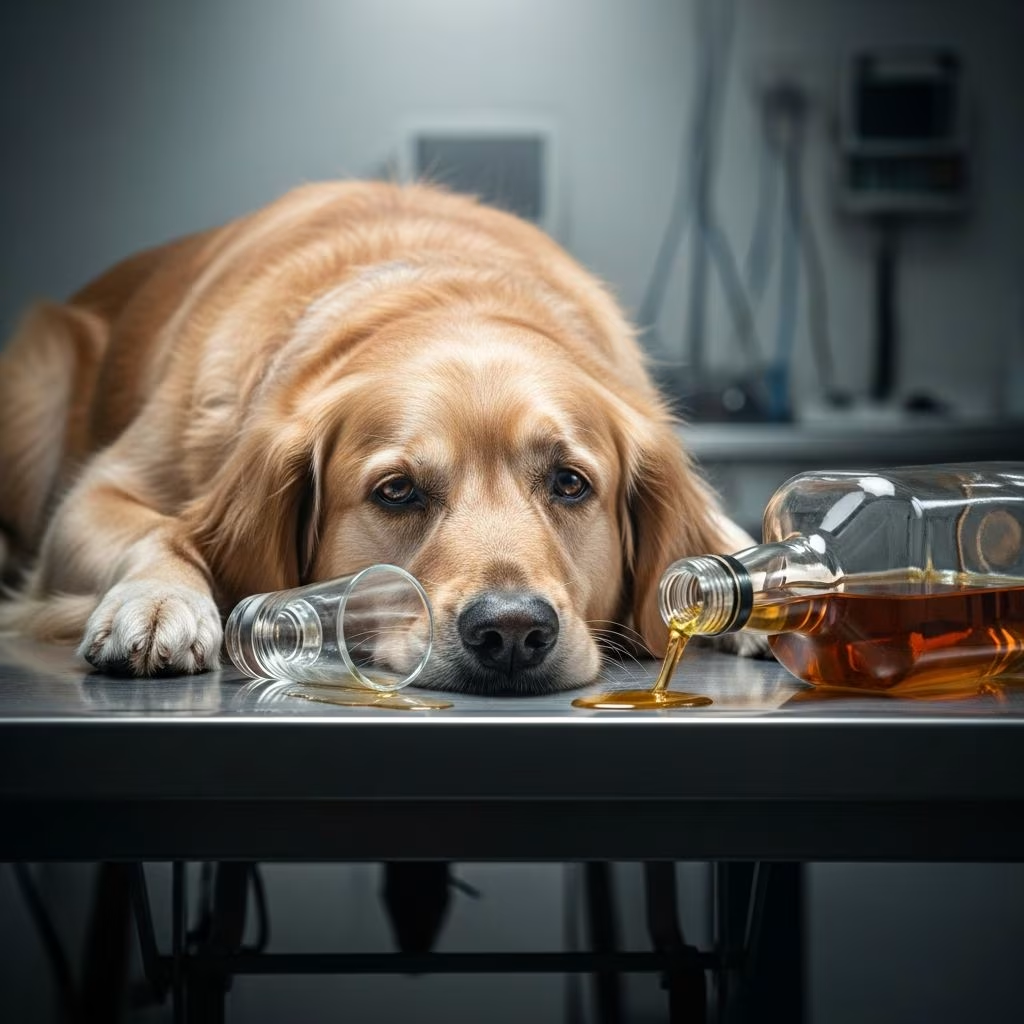
Alcohol, a common element in human beverages and household products, poses a severe threat to dogs due to their smaller size and inefficient metabolism. Even small amounts can trigger rapid toxic effects, ranging from disorientation to life-threatening respiratory failure. This guide explores the mechanisms of ethanol poisoning, clinical manifestations, urgent interventions, and proactive safeguards, drawing from veterinary expertise to equip pet owners with essential knowledge.
Why Dogs Are Highly Vulnerable to Alcohol
Dogs process alcohol far less effectively than humans, leading to swift absorption through the gastrointestinal tract and skin. Ethanol disrupts neurological functions, causing central nervous system depression that impairs breathing and coordination. Factors like body weight, beverage concentration, and ingestion volume determine toxicity severity; for instance, a 20-pound dog may succumb after mere sips of beer or spirits.
Common sources include beer, wine, liquor, mouthwashes, raw yeast dough, and fermented fruits. Unlike humans, dogs lack the enzymatic capacity to break down ethanol efficiently, resulting in metabolic acidosis, hypothermia, and hypoglycemia.
Recognizing the Signs: From Mild to Critical
Symptoms emerge within 15-90 minutes post-exposure, escalating quickly based on dose. Early detection is crucial, as progression to coma can occur in under an hour.
- Mild indicators: Lethargy, ataxia (stumbling or wobbly gait), excessive drooling, increased thirst and urination.
- Gastrointestinal distress: Vomiting, diarrhea, hypersalivation, potentially leading to dehydration and aspiration pneumonia.
- Moderate neurological effects: Disorientation, mood alterations, tremors, slowed heart rate.
- Severe emergencies: Seizures, respiratory depression, hypothermia, hypotension, coma, or death from respiratory failure or acidosis.
| Symptom Stage | Common Signs | Time of Onset | Potential Complications |
|---|---|---|---|
| Mild | Lethargy, ataxia, drooling | 15-30 min | Dehydration if vomiting persists |
| Moderate | Tremors, disorientation, slow breathing | 30-60 min | Hypoglycemia, electrolyte imbalance |
| Severe | Seizures, coma, respiratory failure | 60+ min | Death, organ damage |
Owners often mistake initial unsteadiness for playfulness, delaying action until collapse. Monitor for eye irritation if splashes occur, which adds topical absorption risks.
Immediate Response: What to Do If Exposure Occurs
Never delay—contact a veterinarian or pet poison hotline immediately upon suspicion. Provide details like dog’s weight, alcohol type/amount, and time elapsed.
- Assess and stabilize: Prevent aspiration by keeping the dog upright; do not induce vomiting at home without vet guidance, as it risks choking.
- Seek emergency care: Rush to a clinic for diagnostics including bloodwork to check glucose, electrolytes, and organ function.
- Avoid common errors: Skip activated charcoal (ineffective for alcohols), human remedies, or waiting for symptoms to pass.
For dermal exposure, bathe promptly with mild shampoo. Time-sensitive decontamination works only in the first 20-40 minutes sans symptoms.
Veterinary Treatment Protocols
Treatment focuses on supportive care, as no antidote exists. Most dogs recover in 24-36 hours with prompt intervention.
- Decontamination: Vet-induced emesis if recent and stable; bathing for skin contact.
- Fluid therapy: Intravenous fluids flush toxins, correct dehydration, and stabilize blood pressure.
- Symptomatic relief: Glucose for hypoglycemia, antiemetics for nausea, diazepam (0.5-2 mg/kg IV) for seizures.
- Monitoring and support: Temperature regulation (warming blankets), ventilation assistance, intubation if comatose, cardiovascular oversight.
- Hospitalization: 24-72 hours for severe cases to track respiration, heart rhythm, and acid-base balance.
Prognosis excels with early care; delays heighten risks of pneumonia, kidney strain, or fatality.
Prevention Strategies for a Safer Home
Proactive measures eliminate most incidents, especially during gatherings.
- Secure beverages: Never leave drinks unattended; use coasters or high surfaces.
- Store products wisely: Lock away cleaners, colognes, and fermenting foods like dough.
- Educate guests: Warn about sharing ‘treats’ or spills.
- Supervise outdoors: Avoid areas with fallen, fermented fruits.
- Pet-proof zones: Designate alcohol-free spaces during parties.
Raw dough rises in stomachs, producing ethanol internally—dispose securely.
Special Risks: Beyond Beverages
Ethanol lurks in unexpected places: hand sanitizers (60-90% alcohol), vanilla extracts, overripe fruits. Methanol in solvents amplifies dangers, targeting optic nerves and kidneys. Yeast dough ferments into gas and alcohol, causing bloat alongside intoxication. Small breeds face higher peril per sip.
Recovery Outlook and Long-Term Care
Survivors typically regain normalcy sans sequelae, but monitor for lingering weakness or GI upset. Follow-up bloodwork ensures organ recovery. Recurrent hypoglycemia warrants dietary glucose boosts. Prevention remains paramount, as repeated exposures compound damage.
Frequently Asked Questions (FAQs)
Can a small amount of beer harm my dog?
Yes—even one sip can intoxicate small dogs, causing ataxia or worse. Size and proof matter.
How long do symptoms last?
With treatment, 24-36 hours; untreated cases may prolong to days or prove fatal.
Is wine safer than liquor?
No—all ethanols toxify similarly; volume relative to dog weight dictates severity.
What if my dog licks spilled alcohol?
Rinse mouth immediately, then vet consult—dermal/oral absorption acts fast.
Will my dog remember the incident?
Toxicity induces amnesia-like disorientation, but no long-term cognitive harm expected post-recovery.
Key Takeaways for Pet Owners
Alcohol toxicity demands vigilance: swift signs recognition, immediate vet action, and rigorous prevention save lives. Educate your circle—dogs can’t voice distress.
References
- What Happens If My Dog Drank Alcohol — Pet Poison Helpline. 2023. https://www.petpoisonhelpline.com/pet-tips/what-happens-if-my-dog-drank-alcohol/
- Alcohol Poisoning — VCA Animal Hospitals. 2024-02-15. https://vcahospitals.com/know-your-pet/alcohol-poisoning
- Toxicoses From Alcohols in Animals — Merck Veterinary Manual. 2025-01-10. https://www.merckvetmanual.com/toxicology/toxicoses-from-household-hazards/toxicoses-from-alcohols-in-animals
- Can Dogs Drink Beer? Alcohol Poisoning in Dogs — PetMD. 2024. https://www.petmd.com/dog/poisoning/alcohol-poisoning-in-dog
- Alcohol Poisoning in Dogs (2025): Vet-Approved Emergency Action Guide — Ask A Vet. 2025-01-01. https://askavet.com/blogs/pet-health-safety/alcohol-poisoning-in-dogs-2025-vet-approved-emergency-action-guide-%F0%9F%9A%91%F0%9F%90%B6
- What to Do if Your Dog Drinks Alcohol — American Kennel Club. 2024-11-20. https://www.akc.org/expert-advice/vets-corner/is-alcohol-dangerous-for-dogs/
- Pet Poison Prevention: Understanding Alcohol Toxicity in Pets — Animal Emergency Care. 2023-10-05. https://animalemergencycare.net/aecprevents/pet-poison-prevention-understanding-alcohol-toxicity-in-pets/



