
Alcohol Toxicity in Dogs: Dangers and Prevention
Discover why even tiny amounts of alcohol can poison dogs, leading to severe symptoms like seizures, coma, or death. Learn vital prevention tips.
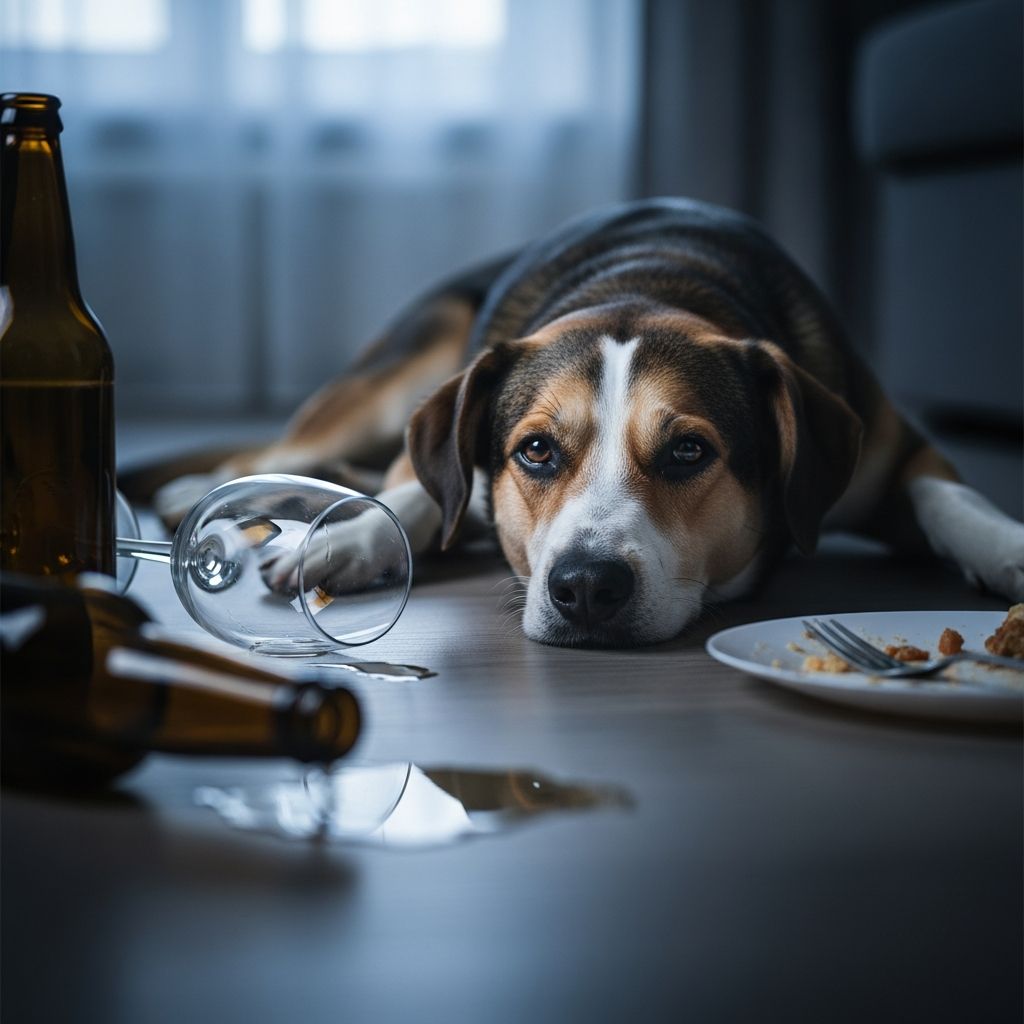
Alcohol poses a severe threat to dogs, acting as a potent toxin that disrupts their vital systems far more aggressively than in humans. Even minimal exposure can trigger life-threatening conditions, making awareness crucial for every pet owner.
The Science Behind Alcohol’s Harm to Canines
Dogs lack the metabolic enzymes humans use to process ethanol, the primary intoxicant in alcoholic drinks. This leads to swift absorption into the bloodstream, overwhelming organs like the liver, kidneys, brain, heart, and pancreas. Blood sugar plummets (hypoglycemia), body temperature drops (hypothermia), and respiration slows dangerously, potentially halting altogether.
Unlike adult humans, dogs process alcohol similarly to infants, without developed detoxification pathways. A small volume—equivalent to a few sips for a large dog or a drop for a small breed—can induce profound intoxication. Hops in beer add extra toxicity, exacerbating malignant hyperthermia (overheating).
Common Sources of Alcohol Exposure for Pets
Alcohol lurks in everyday items beyond beverages. Awareness of these prevents accidental poisoning:
- Booze varieties: Beer, wine, liquor, cocktails—dogs favor sweet fruit-based mixes like punches or ciders.
- Fermenting foods: Raw yeast dough expands in the stomach, producing ethanol and risking bloat or rupture.
- Household goods: Mouthwashes, hand sanitizers, perfumes, cleaners with high alcohol content.
- Other toxins: Diet drinks with xylitol (deadly sweetener), grape wine components.
| Source | Alcohol Type/Concentration | Risk Level for Dogs |
|---|---|---|
| Beer | 4-6% ethanol + hops | High (hyperthermia risk) |
| Wine | 12-15% ethanol + grapes | Very High |
| Spirits | 40%+ ethanol | Extreme (small volumes lethal) |
| Raw Dough | Fermenting ethanol | High (abdominal distension) |
| Mouthwash | 20-30% ethanol | Moderate to High |
Recognizing Early Warning Signs
Symptoms emerge rapidly, often within 30-90 minutes. Initial signs mimic human drunkenness but escalate perilously:
- Vomiting, diarrhea, drooling excessively.
- Unsteadiness, disorientation, stumbling.
- Restlessness, panting heavily, elevated heart rate.
Progression brings grave dangers: tremors, seizures, slowed breathing, unconsciousness. Dogs risk aspirating vomit into lungs, sparking pneumonia. Low blood pressure, organ shutdown, or coma can follow untreated.
Severe Consequences and Long-Term Effects
Beyond acute crisis, alcohol inflicts lasting harm. Brain structure alters, cardiovascular issues arise. Surviving dogs may face chronic liver/kidney damage. Lethal dose: 5.5-7.9 g/kg pure ethanol (about 7-10 ml/kg 100% alcohol)—translating to mere ounces for average dogs. Small breeds succumb quickest.
Immediate Response Protocols
Suspected ingestion demands urgency—do not delay. Steps include:
- Remove access; note substance, amount, time ingested.
- Contact vet or poison hotline (e.g., ASPCA) immediately.
- Avoid home remedies like inducing vomit unless vet-approved—risks aspiration.
- Rush to emergency clinic for monitoring/treatment.
Veterinary Interventions Explained
Treatment focuses on stabilization and elimination:
- Decontamination: Emesis induction (if recent), activated charcoal.
- Supportive care: IV fluids flush toxins, correct electrolytes/hypoglycemia.
- Vitals management: Warming for hypothermia, oxygen for respiration.
- Severe cases: Intubation, seizure meds, blood pressure support.
Prognosis hinges on speed: early intervention yields high survival; delays risk fatality.
Proactive Prevention Strategies
Zero-tolerance safeguards ensure safety:
- Secure drinks/parties; never share “tastes”.
- Store cleaners/sanitizers high/locked.
- Avoid kitchen during dough prep; discard responsibly.
- Educate household/guests on risks.
- Opt alcohol-free pet treats/mixes.
Debunking Myths About Dogs and Drinks
Myths mislead owners:
- “A little beer won’t hurt”: False—even licks intoxicate.
- “Dogs like it like humans”: No, faster absorption, no tolerance.
- “Low-alcohol okay”: Volume matters more than percent.
FAQs: Alcohol and Your Dog
What amount is dangerous? Varies by size/type; small dogs: 1-2 oz beer risky. Consult vet for specifics.
Can dogs recover fully? Yes, with prompt care; monitor for organ issues post-recovery.
Is wine safer than liquor? No—grapes compound ethanol toxicity.
What if they licked spilled alcohol? Call poison control; even traces concern small pets.
Non-beverage alcohols safe? No—mouthwash/sanitizer equally hazardous.
Holistic Wellness: Beyond Alcohol Avoidance
Champion sobriety alongside balanced diet, exercise, routine vet checks. Hydration with fresh water, toxin-free environment fortifies resilience. Training commands like “leave it” averts curiosities. Informed guardianship prevents tragedies, fostering joyful longevity.
Alcohol-free living safeguards canine companions, averting needless peril. Vigilance empowers owners to nurture thriving, healthy lives.
References
- Why Dogs Should Not Drink Alcohol — Whole Dog Journal. 2023. https://www.whole-dog-journal.com/care/why-dogs-should-not-drink-alcohol/
- What Happens When a Dog Drinks Alcohol? — Hill’s Pet Nutrition. 2024-01-15. https://www.hillspet.com/dog-care/healthcare/what-happens-when-dog-drinks-alcohol
- Alcohol Poisoning | VCA Animal Hospitals — VCA Hospitals. 2023-05-20. https://vcahospitals.com/know-your-pet/alcohol-poisoning
- Can Dogs Drink Beer & Wine? Alcohol Poisoning in Dogs Explained — Rover.com. 2024-02-10. https://www.rover.com/blog/can-dog-drink-alcohol/
- What Happens If My Dog Drank Alcohol — Pet Poison Helpline. 2023-11-05. https://www.petpoisonhelpline.com/pet-tips/what-happens-if-my-dog-drank-alcohol/
- What Happens if Your Dog Drinks Alcohol? — MetLife Pet Insurance. 2024-03-12. https://www.metlifepetinsurance.com/blog/pet-health/what-happens-if-a-dog-drinks-alcohol/
- Alcohol Poisoning in Dogs: Symptoms & What to Do — Animal Emergency Urgent Care. 2023-12-18. https://www.animalemergencyurgentcare.com/alcohol-poisoning-in-dogs/
Similar Articles








Read full bio of medha deb




