

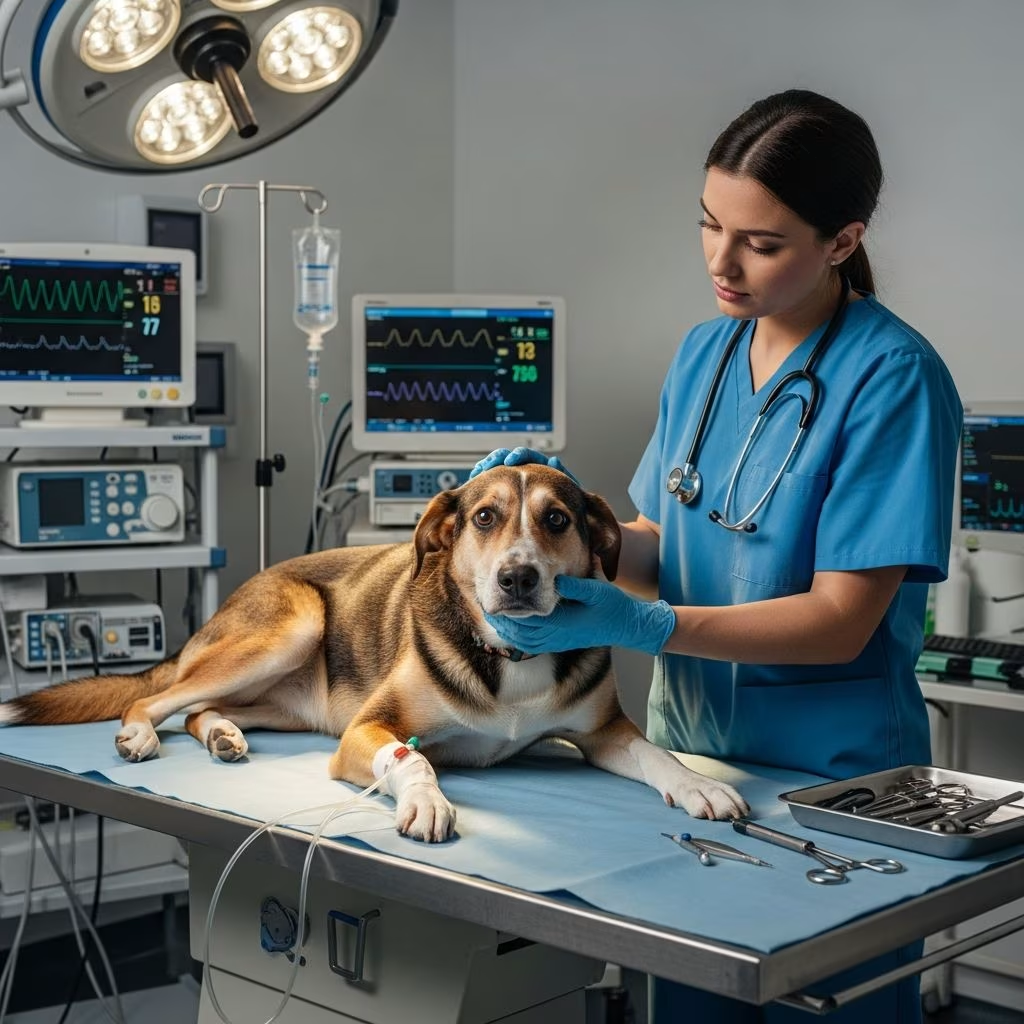
Accidental alcohol ingestion represents a significant threat to canine health, yet many pet owners underestimate the severity of this hazard. Unlike humans, dogs lack certain metabolic pathways that would allow them to safely process alcoholic beverages, making even small quantities potentially dangerous. Understanding how alcohol affects your dog’s body, recognizing early warning signs, and knowing proper emergency protocols can be lifesaving.
Why Alcohol Is Dangerous for Dogs
Alcohol fundamentally disrupts a dog’s neurological and metabolic function. When ethanol enters the bloodstream through the gastrointestinal tract, it rapidly crosses into the central nervous system, depressing critical functions including respiration and motor control. The absorption process happens quickly—alcohol doesn’t require digestion and moves directly through the stomach lining into the bloodstream.
Dogs possess limited ability to metabolize ethanol efficiently compared to humans. This metabolic disadvantage means that smaller quantities create more severe effects relative to body weight. Additionally, alcohol causes multiple physiological problems simultaneously: it disrupts blood sugar regulation, reduces body temperature control, and creates metabolic acidosis—a dangerous shift toward excessive acidity in the bloodstream.
The danger extends beyond simple intoxication. Alcohol damages protective mechanisms within a dog’s body, increasing vulnerability to secondary complications such as aspiration pneumonia and organ dysfunction.
Timeline and Onset of Alcohol Poisoning Symptoms
One critical aspect of alcohol poisoning is how rapidly symptoms manifest. Pet owners often have a narrow window between exposure and clinical signs. Symptoms typically begin within 15 minutes to two hours after ingestion, with most cases showing signs within 30-60 minutes.
The speed of onset reflects alcohol’s rapid absorption rate. This quick progression means waiting to see if symptoms develop can be dangerous—by the time obvious signs appear, the alcohol has already entered the bloodstream and begun causing damage. The severity and exact timing depend on multiple factors:
- Amount of alcohol consumed relative to body weight
- Concentration of ethanol in the beverage or product
- Whether the dog had recently eaten (food slows absorption slightly)
- Individual metabolic factors and age
Recognizing Alcohol Poisoning: Early and Advanced Symptoms
Early recognition is essential for successful treatment. The spectrum of symptoms ranges from mild neurological changes to life-threatening conditions. Knowing what to watch for allows pet owners to seek help before critical complications develop.
Initial Warning Signs
The earliest symptoms often appear mild but indicate serious underlying problems:
- Behavioral changes: Lethargy, disorientation, or unusual excitement
- Coordination problems: Stumbling gait, ataxia (unsteady walking), or lack of coordination
- Gastrointestinal upset: Vomiting, drooling (hypersalivation), and diarrhea
- Metabolic signs: Increased thirst and urination, indicating blood sugar dysregulation
- Sensory effects: Eye irritation if alcohol splashed contact occurs
Moderate to Severe Symptoms
As alcohol poisoning progresses, symptoms become more dangerous:
- Tremors and muscle weakness
- Slow or shallow breathing (respiratory depression)
- Hypothermia (dangerously low body temperature)
- Seizures triggered by low blood sugar
- Slow heart rate and abnormal cardiac rhythms
- Loss of consciousness or coma
Severe cases can progress to respiratory failure, the leading cause of alcohol-related death in dogs. The combination of respiratory depression, hypothermia, and metabolic acidosis creates a medical emergency requiring immediate intensive care.
Determining Toxicity: Dose and Risk Factors
The lethal dose for dogs is estimated at 5.5–7.9 grams of pure ethanol per kilogram of body weight. However, poisoning symptoms appear at much lower doses, making this a useful reference point but not a clinical threshold. A 20-pound dog could experience serious toxicity from far less than this amount.
Several factors influence how severely alcohol affects an individual dog:
| Risk Factor | Impact on Toxicity |
|---|---|
| Body weight | Smaller dogs experience severe effects from smaller quantities |
| Age | Puppies and senior dogs metabolize alcohol more poorly |
| Health status | Dogs with liver or kidney disease face increased risk |
| Food in stomach | Slows absorption slightly; empty stomach increases risk |
| Type of beverage | Higher alcohol content beverages pose greater danger |
Emergency Response: What to Do if Your Dog Drinks Alcohol
If you suspect your dog has ingested alcohol, immediate action is crucial. Time is literally life-or-death when dealing with alcohol poisoning.
Immediate Steps
Contact veterinary emergency care immediately. Do not wait to see if symptoms develop. Call your veterinarian or emergency animal hospital right away and provide specific information about:
- Type and estimated amount of alcohol consumed
- Approximate time of ingestion
- Your dog’s weight and age
- Any symptoms already observed
Never induce vomiting at home. While vomiting can remove alcohol from the stomach if administered within 20-40 minutes of ingestion, home induction is dangerous and should only occur under veterinary direction. Improper technique can cause additional harm.
Transport your dog to the veterinary facility as quickly and safely as possible. If your dog is unconscious or having seizures, be extremely careful during transport to prevent additional injury.
Professional Treatment Approach
Veterinary treatment for alcohol poisoning is multifaceted because the condition creates multiple simultaneous problems requiring different interventions:
Decontamination (if appropriate and timely): If your dog is alert and ingestion occurred within the treatment window, your veterinarian may induce vomiting to remove unabsorbed alcohol from the stomach. Activated charcoal is typically not effective for small-chain alcohols like ethanol and is usually not recommended.
Stabilization and monitoring: Emergency stabilization takes priority. Your veterinarian will continuously monitor heart rate, blood pressure, body temperature, and oxygen levels. Adequate ventilation and oxygenation are maintained to prevent respiratory failure.
Fluid and electrolyte management: Intravenous fluids serve multiple critical purposes—they prevent dehydration caused by vomiting and diarrhea, flush alcohol from the system through enhanced diuresis, and correct electrolyte imbalances that develop during poisoning. These fluids are essential for supporting kidney function and preventing secondary organ damage.
Glucose support: Alcohol disrupts blood sugar regulation, causing hypoglycemia that can trigger seizures. IV dextrose (glucose) is administered to maintain normal blood sugar levels. This addresses both an immediate life threat and prevents seizure complications.
Temperature regulation: Hypothermia is a serious complication of alcohol poisoning. Veterinary facilities use specialized warming blankets, warm IV fluids, and environmental controls to gradually restore normal body temperature.
Medication support: Your veterinarian may administer several medication classes depending on your dog’s specific symptoms:
- Anti-nausea medications to reduce vomiting and aspiration risk
- Anti-seizure medications (typically diazepam) if seizures occur
- Gastroprotectant medications to reduce GI damage from stomach irritation
- Medications to address acid-base disturbances
Advanced airway support: In severe cases where respiratory depression becomes critical, intubation (placing a breathing tube) may be necessary to ensure adequate oxygen delivery. Anecdotally, some veterinarians use yohimbine to stimulate respiration in comatose patients, though this is not standard protocol.
Recovery Timeline and Hospitalization
Recovery from alcohol poisoning depends significantly on severity and how quickly treatment begins. With prompt veterinary intervention, most dogs recover fully within 24-36 hours of symptom onset.
During recovery, dogs typically require hospitalization for continuous monitoring. Hospital staff watch for complications such as aspiration pneumonia—a serious condition where vomit enters the lungs—and monitor for any secondary organ damage. Blood work may be performed to assess liver and kidney function, as these organs bear significant stress during alcohol poisoning.
Dogs that receive delayed treatment or ingested very large quantities may face longer recovery periods and increased risk of permanent complications. In rare cases, severe poisoning causes lasting neurological or organ damage despite treatment.
Preventing Accidental Alcohol Exposure
Prevention is far superior to emergency treatment. Creating an alcohol-free environment for your dog requires awareness of common sources and vigilant management:
- Beverage management: Never leave alcoholic drinks unattended, even for moments. Dogs can quickly consume spilled drinks or knock over containers. During parties and gatherings, maintain constant awareness of drink locations.
- Product awareness: Alcohol appears in unexpected places—some mouthwashes, hand sanitizers, perfumes, and cooking extracts contain ethanol. Store these items securely away from curious dogs.
- Baking precautions: Raw bread dough contains yeast that ferments and produces ethanol. Never allow dogs access to unbaked dough, and discard dough scraps securely.
- Guest education: Inform visitors not to share alcoholic beverages or food containing alcohol with your dog. Many people don’t realize the danger or might think “just a taste” is harmless.
- Safe storage: Store all alcoholic beverages in secure cabinets or refrigerators that your dog cannot access.
Frequently Asked Questions About Alcohol and Dogs
Can dogs die from alcohol poisoning?
Yes, alcohol poisoning is potentially fatal in dogs. Death typically results from respiratory failure, severe hypothermia, hypoglycemia, or metabolic acidosis. With modern veterinary emergency care, however, most dogs survive when treated promptly.
How much alcohol does it take to poison a dog?
There is no truly safe amount. Symptoms can develop from relatively small quantities depending on the dog’s size and the alcohol concentration. A small dog might show signs from ingesting just a few ounces of a high-alcohol beverage.
Is beer safer than hard liquor?
While beer has lower alcohol concentration than liquor, it is not truly safe. The total quantity of ethanol matters more than the type of beverage. A large quantity of beer could be as dangerous as a small amount of hard liquor.
What if my dog drank alcohol hours ago and seems fine?
This does not guarantee safety. Some dogs don’t show obvious signs immediately, yet severe poisoning may still be occurring at a cellular level. Contact your veterinarian for guidance—they may recommend monitoring or evaluation even if your dog seems normal.
Can I treat alcohol poisoning at home?
No. Alcohol poisoning requires professional veterinary care. Home treatment attempts can delay necessary emergency intervention and worsen outcomes. Always seek professional help immediately.
Conclusion: Protecting Your Dog from Alcohol Hazards
Alcohol poisoning in dogs represents a preventable emergency. By understanding the mechanisms of toxicity, recognizing early warning signs, and responding with immediate veterinary care, pet owners can protect their dogs from serious harm or death. The most important actions are maintaining an alcohol-free environment and understanding that even small exposures warrant professional evaluation. Your quick response during an alcohol exposure emergency can literally mean the difference between full recovery and permanent injury or death.
References
- What Happens If My Dog Drank Alcohol — Pet Poison Helpline. https://www.petpoisonhelpline.com/pet-tips/what-happens-if-my-dog-drank-alcohol/
- Alcohol Poisoning — VCA Animal Hospitals. https://vcahospitals.com/know-your-pet/alcohol-poisoning
- Toxicoses From Alcohols in Animals – Toxicology — Merck Veterinary Manual. https://www.merckvetmanual.com/toxicology/toxicoses-from-household-hazards/toxicoses-from-alcohols-in-animals
- Can Dogs Drink Beer? Alcohol Poisoning in Dogs — PetMD. https://www.petmd.com/dog/poisoning/alcohol-poisoning-in-dog
- Alcohol Poisoning in Dogs (2025): Vet-Approved Emergency Action Guide — Ask a Vet. https://askavet.com/blogs/pet-health-safety/alcohol-poisoning-in-dogs-2025-vet-approved-emergency-action-guide-%F0%9F%9A%91%F0%9F%90%B6
- Pet Poison Prevention: Understanding Alcohol Toxicity in Pets — Animal Emergency Care. https://animalemergencycare.net/aecprevents/pet-poison-prevention-understanding-alcohol-toxicity-in-pets/
- What Happens if Your Dog Drinks Alcohol? — MetLife Pet Insurance. https://www.metlifepetinsurance.com/blog/pet-health/what-happens-if-a-dog-drinks-alcohol/
- Drunk and Disorderly: Ethanol and Yeast Dough Intoxications — ASPCA Animal Poison Control Center. https://www.aspcapro.org/resource/drunk-and-disorderly-ethanol-and-yeast-dough-intoxications



