

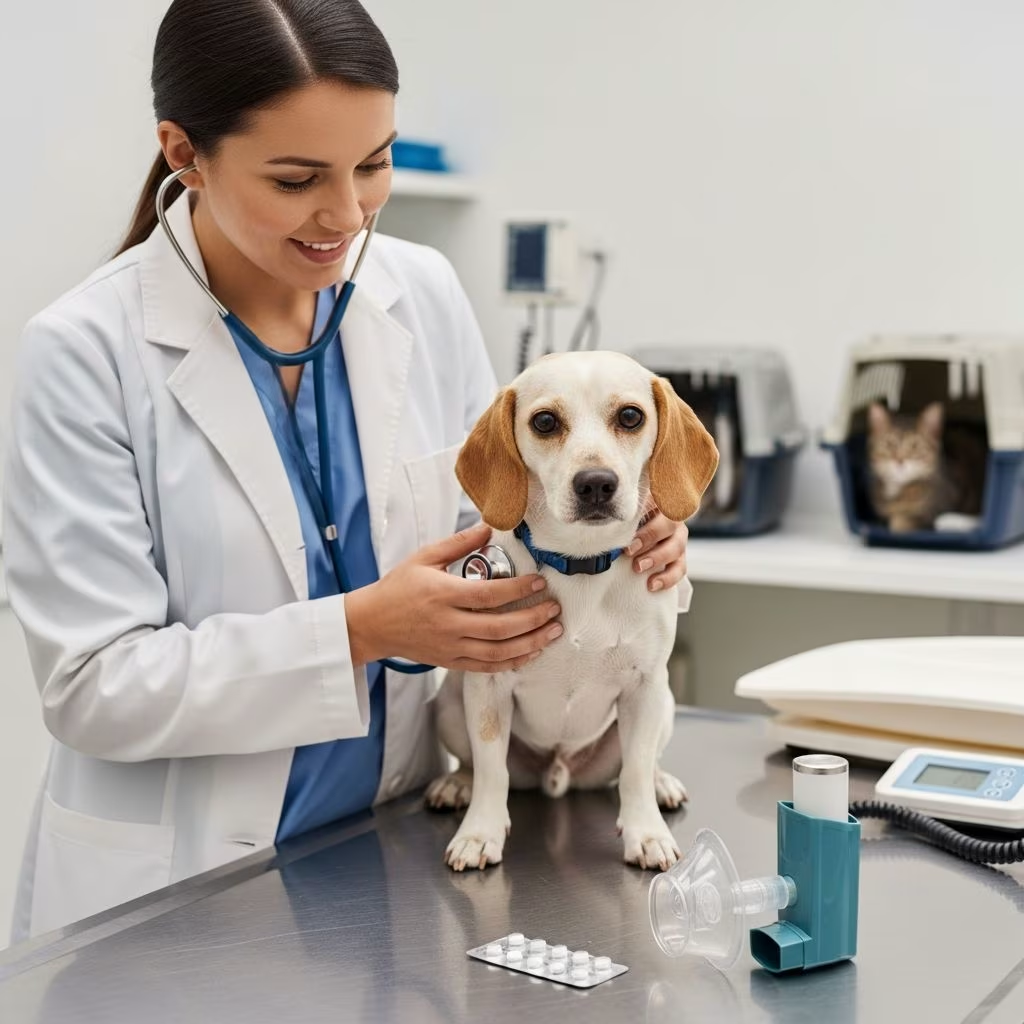
Understanding Albuterol for Pets
Albuterol, also known as salbutamol, is a bronchodilator medication commonly used in veterinary medicine to help pets breathe more easily. This medication works by relaxing the muscles in the airways, allowing them to expand and improve airflow to the lungs. Pet owners often encounter this medication when their dogs or cats suffer from respiratory conditions that cause difficulty breathing, coughing, or wheezing. Understanding how albuterol works and when it’s appropriate for your pet is essential for ensuring their respiratory health and comfort.
What is a Bronchodilator?
A bronchodilator is a type of medication that opens constricted airways in the lungs, making it easier for pets to breathe. Albuterol belongs to a class of drugs known as selective beta-2 adrenergic receptor agonists. These medications work by mimicking the effects of epinephrine and norepinephrine, two natural hormones in the body that signal bronchial muscles to relax. When administered correctly, albuterol can provide rapid relief from respiratory distress within minutes, with effects typically lasting between three to six hours.
Medical Uses of Albuterol in Pets
Albuterol serves several important therapeutic purposes in veterinary medicine, particularly for cats and dogs experiencing respiratory difficulties. While the medication was originally developed for human use in treating asthma and chronic obstructive pulmonary disease, veterinarians have found it valuable for managing various animal respiratory conditions.
Feline Asthma Treatment
Cats are particularly prone to developing asthma, a condition characterized by airway constriction and inflammation. Albuterol is the medication of choice for acute feline asthma exacerbations, providing immediate rescue therapy when cats experience breathing difficulties. During an asthma attack, the airways constrict dramatically, making breathing nearly impossible. Albuterol rapidly relaxes these constricted muscles, restoring normal airflow and allowing cats to breathe comfortably again. Many veterinarians recommend keeping albuterol inhalers on hand for cats with a history of asthma for emergency use.
Canine Respiratory Conditions
In dogs, albuterol is primarily used to treat allergic bronchitis, a condition resulting from environmental irritant exposure such as dust, pollen, chemicals, or allergens. Unlike cats, which tend to experience airway constriction during asthma attacks, dogs typically develop airway inflammation. This inflammation causes symptoms similar to human asthma, including coughing, wheezing, and shortness of breath. Albuterol helps manage these symptoms by opening the airways and providing symptomatic relief. While albuterol use in dogs is less common than in cats, it can be an effective treatment option when prescribed by a veterinarian.
Equine Applications
Horses also benefit from albuterol therapy, particularly in treating respiratory conditions and airway obstruction. Veterinarians may recommend albuterol for horses experiencing breathing difficulties or reduced performance due to respiratory compromise.
Forms and Administration Methods
Albuterol is available in multiple formulations, each suited to different treatment scenarios and animal species. The method of administration significantly affects how quickly the medication works and its effectiveness in treating acute respiratory distress.
Inhaled Formulations
The inhaled form of albuterol is the most commonly prescribed and preferred method for cats and horses. Inhaled albuterol works rapidly because it delivers the medication directly to the lungs, where it immediately acts on bronchial muscles without needing to be absorbed into the bloodstream. This direct delivery system makes inhaled albuterol ideal for emergency situations requiring immediate relief. Inhaled albuterol is typically dispensed using one of these methods:
Metered-Dose Inhaler (MDI): These handheld devices deliver a measured dose of albuterol in aerosol form. For pets, MDIs are used with specially designed facemasks and spacers that allow the animal to inhale the medication. This method is ideal for at-home treatment and long-term management.
Nebulizer: A nebulizer converts liquid albuterol solution into a fine mist that pets can inhale. Nebulizers are often easier to administer in hospital settings, particularly for animals experiencing acute respiratory distress. They may also be more effective for anxious pets who tolerate mask-assisted inhalation poorly.
Oral Formulations
Oral albuterol, available as tablets or liquid solution, is more commonly used in dogs than in cats. Oral forms take longer to work than inhaled versions because the medication must be absorbed through the digestive system before entering the bloodstream and reaching the lungs. However, oral formulations offer convenience for long-term maintenance therapy and when inhalation administration is impractical.
Dosage Guidelines and Treatment Protocols
Proper dosing is critical for ensuring albuterol’s effectiveness while minimizing side effects. Veterinarians must carefully calculate dosages based on each pet’s weight, condition severity, and other medications.
Emergency Dosing
For emergency management of acute respiratory distress in cats and dogs, veterinarians typically recommend two to four puffs of albuterol administered every five minutes until clinical signs resolve. During emergencies, additional treatments such as supplemental oxygen and intravenous rapid-acting glucocorticoids may be necessary. Emergency treatment should always occur under professional veterinary supervision.
Maintenance Therapy
Current treatment recommendations for feline asthma and canine bronchitis involve using albuterol for bronchodilation combined with fluticasone (an inhaled corticosteroid) administered every twelve hours on an as-needed basis. For initially moderately affected animals, a five-day course of oral prednisone at 1 mg/kg may provide additional benefit. Severely affected animals may require 1 mg/kg of prednisone or prednisolone every other day. Treatment must be individualized for each patient based on their specific condition and response to therapy.
Side Effects and Safety Considerations
While albuterol is generally safe when used at prescribed doses, pet owners should be aware of potential side effects and safety concerns.
Common Side Effects
Mild side effects from albuterol use in pets may include:
– Increased heart rate (tachycardia)
– Panting or rapid breathing
– Excessive thirst (polydipsia)
– Mild trembling or nervousness
– Temporary restlessness or agitation
Serious Toxicity Symptoms
Signs of albuterol toxicity or overdose include severe tachycardia, excessive vomiting, profound weakness, blood-shot or glazed eyes, severe agitation, and uncontrollable shaking. These symptoms may appear within minutes of exposure or be delayed by several hours if an extended-release formulation was ingested. Any pet showing these signs requires immediate veterinary attention.
When to Avoid Albuterol
Albuterol should be used with caution in pets with pre-existing cardiac disease, seizure disorders, blood pressure irregularities, or hypokalemia (low potassium levels). Pets receiving diuretic therapy may be at increased risk of hypokalemia, so potassium levels should be monitored regularly during albuterol treatment. Always inform your veterinarian about your pet’s complete medical history and current medications before starting albuterol therapy.
Important Safety Information
Off-Label Use
Albuterol is FDA-approved for human use but not officially approved for veterinary use. When veterinarians prescribe albuterol for pets, they are using it “off-label” or “extra-label,” meaning they’re prescribing it for different species or conditions than FDA approval specifies. This practice is legal and common in veterinary medicine when a veterinarian determines the medication is appropriate and beneficial for a specific pet’s condition. Always discuss this with your veterinarian and ensure you understand why this medication is the best choice for your pet.
Accidental Ingestion Risk
Pet owners must keep albuterol inhalers in secure locations away from curious pets. If a dog or cat bites or chews on an albuterol inhaler, this constitutes an emergency requiring immediate veterinary attention. Accidental inhalation or ingestion of albuterol in unprescribed quantities can cause serious toxicity. Never leave inhalers within reach of pets, and store them in pet-proof containers.
Drug Interactions and Contraindications
Albuterol may interact with certain medications, and significant drug interactions should be avoided. Always provide your veterinarian with a complete list of all medications and supplements your pet is currently taking. This includes prescription medications, over-the-counter supplements, and any herbal remedies. Some medications may enhance or diminish albuterol’s effectiveness or increase the risk of adverse effects.
Limitations of Albuterol Therapy
While albuterol effectively relieves airway constriction, it’s important to understand its limitations. Albuterol addresses only the bronchospasm (airway constriction) component of respiratory disease, not the underlying inflammation. In feline asthma and canine allergic bronchitis, airway inflammation is often a significant component of the disease process. Therefore, albuterol should never be used as sole therapy but must be combined with anti-inflammatory medications such as glucocorticoids to address the underlying airway inflammation. Using albuterol alone may actually exacerbate asthma and increase morbidity and mortality in some cases.
Frequently Asked Questions
Q: How quickly does albuterol work in pets?
A: Inhaled albuterol typically works within minutes of administration, with effects lasting three to six hours. Oral formulations work more slowly, requiring absorption through the digestive system before reaching the lungs.
Q: Can I use my own asthma inhaler for my pet?
A: While you should never administer your personal medications to your pet, albuterol inhalers are the same medication used in human medicine. However, your pet requires a proper veterinary prescription and potentially specialized delivery equipment like facemasks and spacers designed for animal use.
Q: Is albuterol safe for long-term use in pets?
A: Albuterol is best used as rescue therapy during acute episodes rather than for daily maintenance. Long-term daily use may lead to tachyphylaxis (reduced effectiveness over time). Long-term management should focus on addressing underlying inflammation with anti-inflammatory medications.
Q: What should I do if my pet accidentally ingests an albuterol inhaler?
A: Contact your veterinarian or emergency animal hospital immediately. Accidental ingestion of albuterol in excessive quantities can cause serious toxicity requiring professional treatment.
Q: Can albuterol be used in all pet species?
A: Albuterol is primarily used in cats and horses. While it can be used in dogs for certain respiratory conditions, its use in canines is less common than in felines. Always consult with your veterinarian about whether albuterol is appropriate for your specific pet.
Q: Are there alternative treatments to albuterol?
A: Yes, depending on the underlying respiratory condition, alternative bronchodilators and anti-inflammatory medications may be recommended. Your veterinarian can discuss other treatment options tailored to your pet’s specific needs.
References
- Albuterol for Dogs: Uses, Side Effects, and Alternatives — American Kennel Club. 2024. https://www.akc.org/expert-advice/health/albuterol-for-dogs/
- Albuterol Sulfate for Cats — Today’s Veterinary Practice. 2022-08. https://todaysveterinarypractice.com/pharmacology/albuterol-sulfate-for-cats/
- Inhalation Treatment of Airway Disease in Animals – Pharmacology — Merck Veterinary Manual. https://www.merckvetmanual.com/pharmacology/systemic-pharmacotherapeutics-of-the-respiratory-system/inhalation-treatment-of-airway-disease-in-animals
- Albuterol Sulfate Inhalation Solution — U.S. Food and Drug Administration. 2022. https://www.accessdata.fda.gov/drugsatfda_docs/label/2022/020949Orig1s027lbl.pdf
- Albuterol — American College of Veterinary Pharmacists. https://vetmeds.org/pet-poison-control-list/albuterol/



