

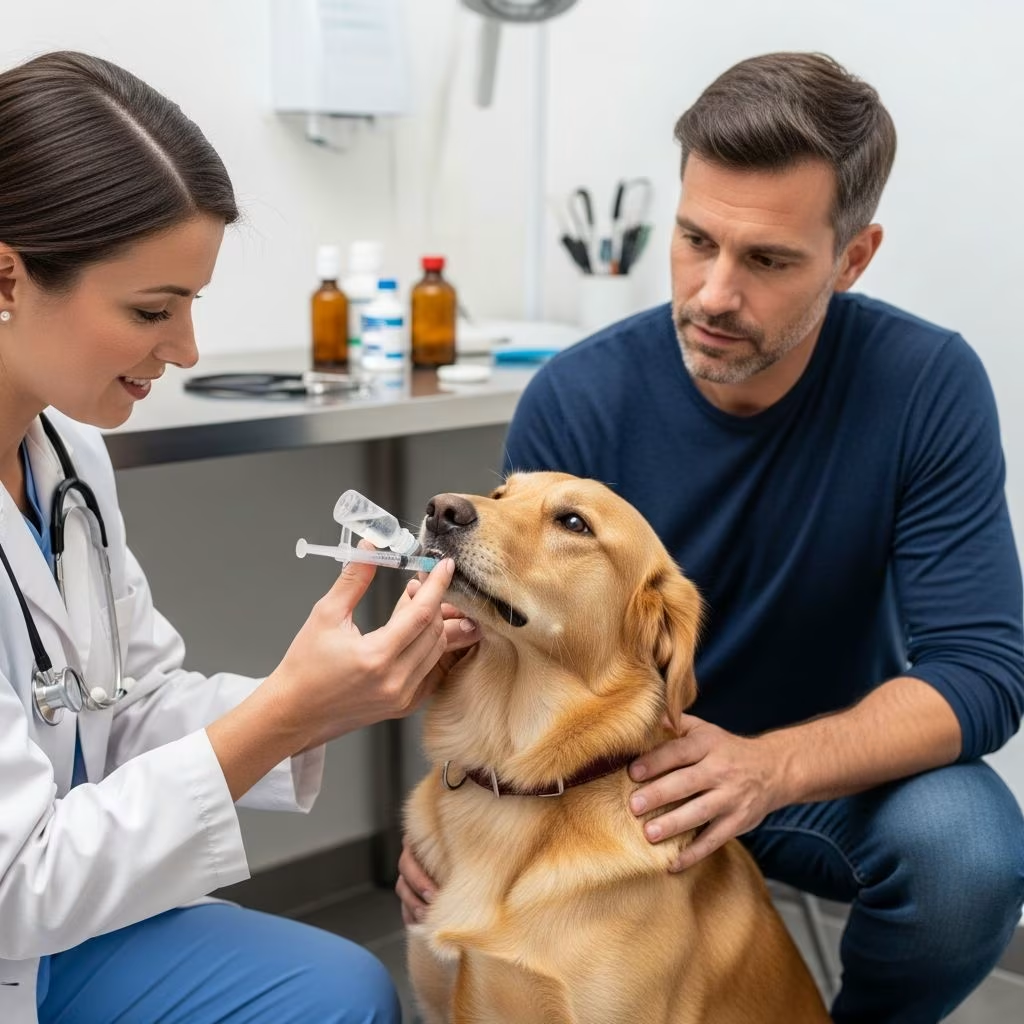
Albon, known generically as sulfadimethoxine, serves as a key sulfonamide antibiotic in veterinary medicine, primarily prescribed for dogs to combat specific bacterial and protozoal infections. This long-acting medication targets susceptible organisms by disrupting their folic acid synthesis, essential for bacterial replication.
Understanding Albon’s Role in Canine Health
Sulfadimethoxine operates within the class of sulfa drugs, which have been a staple in treating infections since their development. In dogs, Albon addresses a spectrum of conditions stemming from bacteria like streptococci, staphylococci, Escherichia coli, Salmonella, Klebsiella, Proteus, and Shigella, provided they prove sensitive to sulfonamides. Its rapid absorption and prolonged action make it suitable for oral administration, available in tablets or suspensions.
The drug’s efficacy shines in managing infections across multiple systems. For instance, it proves particularly valuable against coccidiosis, a protozoal disease caused by coccidia parasites that inflict severe diarrhea and intestinal damage in puppies and adult dogs alike. Beyond parasites, Albon tackles bacterial enteritis linked to this condition, enhancing recovery rates when administered promptly.
Primary Applications in Dogs
Veterinarians rely on Albon for diverse infections, with FDA-approved indications encompassing:
- Respiratory issues: tonsillitis, pharyngitis, bronchitis, and pneumonia.
- Genitourinary problems: cystitis, nephritis, metritis, pyometra, and prostate infections.
- Enteric disorders: bacterial enteritis, salmonellosis, and coccidiosis-associated issues.
- Soft tissue conditions: pustular dermatitis, anal gland infections, abscesses, wound infections.
In practice, these applications extend to skin infections, upper and lower respiratory tract ailments, and uterine inflammations like pyometra, a life-threatening condition in unspayed females. Early intervention with Albon can prevent complications, especially in high-risk environments like kennels where coccidiosis spreads rapidly.
Dosage Protocols and Administration
Proper dosing ensures therapeutic blood levels while minimizing risks. The standard regimen begins with an initial dose of 25 mg per pound (55 mg/kg) of body weight, followed by a maintenance dose of 12.5 mg per pound (27.5 mg/kg) daily. Treatment typically spans 3-5 days or until the dog remains symptom-free for 48 hours.
Albon comes in convenient forms:
- Tablets: 125 mg, 250 mg, 500 mg strengths for precise dosing.
- Oral Suspension 5%: Palatable liquid for finicky eaters, often initiated after an injectable form for quick effect in uncooperative patients.
A sample dosing table for tablets illustrates common weights:
| Tablet Strength | Dog Weight | Initial Dose | Maintenance Dose |
|---|---|---|---|
| 250 mg | 10 lb (4.5 kg) | 1 tablet | ½ tablet |
| 500 mg | 20 lb (9.1 kg) | 1 tablet | ½ tablet |
| 1 g | 40 lb (18.1 kg) | 1 tablet | ½ tablet |
Always administer with ample fresh water to support hydration and prevent crystalluria. Shake suspensions well before use, and measure accurately with a syringe.
Expected Outcomes and Monitoring
Dogs often show improvement within 1-2 days, with reduced fever, improved appetite, and firmer stools indicating progress. Full effects persist up to 24 hours post-dose, though impaired liver or kidney function may extend this.
Monitor closely: if symptoms persist beyond 2-3 days, consult your vet for re-evaluation, as resistance or alternative diagnoses may apply. Fecal exams confirm coccidia clearance.
Safety Considerations and Contraindications
While generally safe, Albon carries precautions. Avoid in dogs with:
- Known sulfa allergies.
- Severe liver or kidney impairment.
- Severe dehydration.
Use cautiously in breeds like Doberman Pinschers, Samoyeds, Miniature Schnauzers due to higher toxicity risks; pregnant, nursing, or those with urinary stones/crystals; and dehydrated animals. Competition dogs should verify rules, as sulfonamides may be restricted.
Toxicity data supports its safety profile: oral LD50 exceeds 16 g/kg in mice, and dogs tolerate high doses with minimal effects like transient diarrhea.
Potential Side Effects
Common reactions include vomiting, diarrhea, and reduced appetite, often mild and self-resolving. Rare but serious issues encompass:
- Keratoconjunctivitis sicca (dry eye).
- Hepatotoxicity or blood dyscrasias.
- Crystalluria or urolithiasis from poor hydration.
Watch for facial swelling, hives, or labored breathing signaling anaphylaxis—seek emergency care immediately. Long-term use heightens risks of arthropathies in susceptible breeds.
Drug Interactions and Storage
Albon may potentiate oral anticoagulants, methotrexate, or phenytoin; avoid concurrent use without vet oversight. Insoluble drugs like nitrofurantoin reduce efficacy.
Store tablets at room temperature, suspensions in a cool, dark place, and discard outdated products. Keep from children and pets.
Preventive Strategies and Alternatives
Prevent coccidiosis via sanitation, avoiding contaminated environments, and prompt treatment of outbreaks. Alternatives include ponazuril or toltrazuril for coccidia, or other antibiotics like enrofloxacin for bacteria, based on culture/sensitivity tests.
Veterinary guidance tailors therapy, often combining Albon with supportive care like fluids and probiotics.
Frequently Asked Questions (FAQs)
What conditions does Albon treat in dogs?
Albon targets bacterial infections in respiratory, urinary, enteric, and soft tissues, plus coccidiosis-related enteritis.
How quickly does Albon work?
It absorbs rapidly, with clinical improvement in 1-2 days.
Is Albon safe for puppies?
Yes, commonly used in puppies for coccidiosis, dosed by weight.
Can Albon be used in cats?
FDA-approved for cats’ bacterial infections; coccidiosis use is extra-label.
What if my dog vomits after dosing?
Redose if within 30 minutes; otherwise, contact your vet.
Consulting Your Veterinarian
Albon requires a prescription—never self-medicate. Regular check-ups ensure appropriate use, especially in multi-pet homes or breeding facilities. By understanding Albon’s benefits and limits, owners contribute to their dog’s swift recovery and long-term health.
References
- Albon — JAM Veterinary Services — JAM Veterinary Services. Accessed 2026. https://www.jamdvm.com/albon
- Albon® for Dogs – Pet Medications — PetMD. Accessed 2026. https://www.petmd.com/pet-medication/albon-for-dogs
- ALBON® Oral Suspension 5% – Zoetis — Zoetis. Accessed 2026. https://www.zoetisus.com/content/_assets/docs/vmips/package-inserts/albon-oral-suspension-5-prescribing-information.pdf
- Albon – Heartland Vet Supply — Heartland Vet Supply. Accessed 2026. https://www.heartlandvetsupply.com/p-2576-albon.aspx
- Albon (sulfadimethoxine) Tablets for Dogs & Cats — PetRx. Accessed 2026. https://petrx.com/products/albon-tablets-sold-per-tablet



