

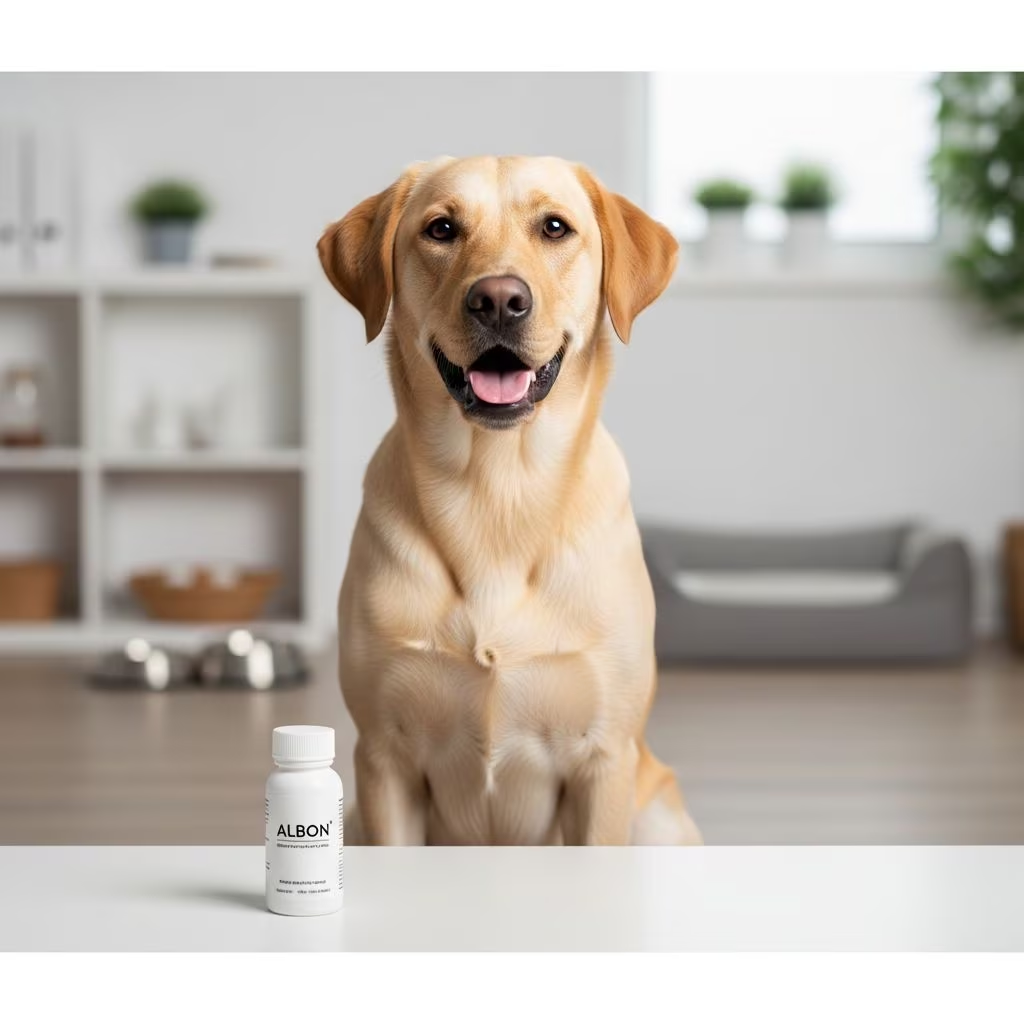
Albon, known scientifically as sulfadimethoxine, serves as a key medication in canine care, primarily targeting parasitic and bacterial threats. This sulfonamide antibiotic disrupts folic acid synthesis in sensitive organisms, halting their proliferation and aiding recovery from common infections.
Understanding Albon’s Role in Canine Medicine
Sulfonamides like Albon represent a class of broad-spectrum antimicrobials effective against protozoal parasites and certain bacteria. In dogs, it addresses conditions where pathogens rely on host-derived nutrients, making it a staple for specific gastrointestinal and systemic issues.
The drug’s mechanism involves competitive inhibition of dihydropteroate synthase, an enzyme crucial for folate production in microbes. Without folate, DNA replication falters, leading to pathogen death. This targeted action minimizes disruption to the dog’s own cellular processes, though monitoring remains essential.
Primary Applications: Coccidiosis and Beyond
Coccidiosis stands out as Albon’s flagship use, caused by Isospora species protozoa that invade intestinal cells. Puppies and stressed adults suffer most, exhibiting watery diarrhea, dehydration, and weight loss. Albon clears these parasites efficiently, often resolving symptoms within days.
- Intestinal coccidia: Protozoal invasion leading to enteritis, prevalent in young or kenneled dogs.
- Bacterial enteritis: Secondary infections tied to coccidiosis, involving pathogens like Salmonella or E. coli.
Beyond parasites, Albon tackles bacterial invasions FDA-approved for dogs, including:
- Skin and soft tissue infections from staphylococci or streptococci.
- Respiratory tract issues like bronchitis or pneumonia.
- Urinary conditions such as cystitis or nephritis.
- Anal gland abscesses and wound infections.
Veterinarians select Albon based on diagnostic tests confirming susceptible organisms, ensuring optimal efficacy.
Available Forms and Administration Methods
Albon comes in palatable liquid suspension (5% concentration) ideal for small breeds and tablets (125mg, 250mg, 500mg) suited for larger dogs. The suspension offers precise dosing via syringe, while tablets provide convenience for maintenance therapy.
Treatment protocols typically start with a loading dose of 25 mg per pound (55 mg/kg) on day one, followed by 12.5 mg per pound (27.5 mg/kg) daily. Duration spans 3-5 days or until symptoms abate for 48 hours, with reevaluation if no improvement occurs.
| Dog Weight | Loading Dose (Day 1) | Maintenance Dose (Daily) |
|---|---|---|
| 10 lbs (4.5 kg) | 250 mg (1x 250mg tablet or equiv. suspension) | 125 mg (½ 250mg tablet) |
| 20 lbs (9 kg) | 500 mg (2x 250mg tablets) | 250 mg (1x 250mg tablet) |
| 50 lbs (22.7 kg) | 1250 mg (5x 250mg or 2.5x 500mg) | 625 mg (2.5x 250mg or 1.25x 500mg) |
Administer with food to enhance tolerance and ensure ample water intake to prevent crystalluria. Injectable forms exist for acute cases but require professional administration.
Recognizing and Managing Side Effects
Most dogs experience mild reactions, affecting gastrointestinal function primarily. Common issues include reduced appetite, emesis, and loose stools, often mitigated by feeding during dosing.
Rarer but notable effects encompass:
- Keratoconjunctivitis sicca (dry eye): Reduced lacrimation, signaled by rubbing eyes or discharge; monitor with Schirmer tear tests.
- Hematologic changes: Anemia, leukopenia, or thrombocytopenia in under 4% of cases.
- Organ strain: Elevated liver enzymes or renal azotemia, particularly in predisposed breeds like Dobermans.
Serious reactions demand immediate veterinary halt and supportive care, such as fluids or bloodwork. Safety data affirm low toxicity, with LD50 exceeding 2 g/kg in animal models.
Dosage Considerations for Special Populations
Puppies respond well but require weight-based precision to avoid overdose. Geriatric or debilitated dogs merit baseline organ function tests due to heightened sensitivity.
Breeds like Doberman Pinschers face elevated risks of adverse effects, prompting cautious use or alternatives. Pregnant or lactating females should avoid Albon owing to potential teratogenicity and milk excretion.
Drug Interactions and Contraindications
Albon’s metabolism via liver enzymes invites interactions:
- Anticonvulsants (e.g., phenobarbital): May diminish seizure control.
- Cyclosporine: Increased nephrotoxicity risk.
- Antacids: Reduced absorption; space doses 2 hours apart.
- Other sulfonamides or methotrexate: Amplified bone marrow suppression.
Contraindications include sulfonamide hypersensitivity, severe dehydration, or advanced hepatic/renal failure. Disclose all medications to your vet for tailored regimens.
Monitoring and Follow-Up Protocols
Regular fecal exams confirm parasite clearance post-therapy. Blood panels track CBC and serum chemistries, especially beyond 5 days. Owners should note urine color for crystals and eye moisture.
If no response in 2-3 days, culture and sensitivity testing guides switches to alternatives like ponazuril for coccidia or broader antibiotics.
Preventive Strategies and Alternatives
Minimize coccidiosis via clean environments, prompt diarrhea isolation, and probiotics supporting gut flora. Alternatives include toltrazuril for resistant strains or amprolium for mild cases.
For bacteria, culture-directed choices like enrofloxacin supplant Albon if resistance emerges. Integrative approaches blend hygiene with vaccination where applicable.
Frequently Asked Questions
Can all dogs safely take Albon?
No; avoid in those with sulfonamide allergies, severe organ disease, or dehydration. Consult your vet for breed-specific risks.
How quickly does Albon work?
Improvements often appear in 24-48 hours, with full resolution in 3-5 days for most infections.
Is Albon safe for puppies?
Yes, commonly used in young dogs for coccidiosis, but precise dosing is critical.
What if my dog vomits after Albon?
Administer with meals; persistent issues warrant vet contact for antiemetics or discontinuation.
Does Albon require refrigeration?
Suspension needs it post-opening; tablets store at room temperature.
Key Takeaways for Dog Owners
- Albon excels against coccidia and susceptible bacteria, with a favorable safety profile.
- Follow vet-prescribed loading and maintenance doses strictly.
- Watch for GI upset, dry eye, or lethargy; seek prompt care for severity.
- Ensure hydration and disclose full medication history.
- Prevention through sanitation outperforms reactive treatment.
References
- Albon for Dogs: Uses, Side Effects, Risks, and More — GoodRx. 2023. https://www.goodrx.com/pet-health/dog/albon-for-dogs
- Albon Tablets and Suspension — Heartland Vet Supply. 2024. https://www.heartlandvetsupply.com/p-2576-albon.aspx
- Albon Oral Suspension 5% — Santa Cruz Animal Health. 2024. https://www.scahealth.com/p/albon-oral-suspension-5
- Albon Tablets for Dogs & Cats — PetRx. 2024. https://petrx.com/products/albon-tablets-sold-per-tablet
- Sulfadimethoxine — VCA Animal Hospitals. 2023. https://vcahospitals.com/know-your-pet/sulfadimethoxine
- Albon (Sulfadimethoxine) — Sand Creek Animal Hospital. 2023. https://sandcreekanimalhospital.com/blog/albon-sulfadimethoxine-scah/



