

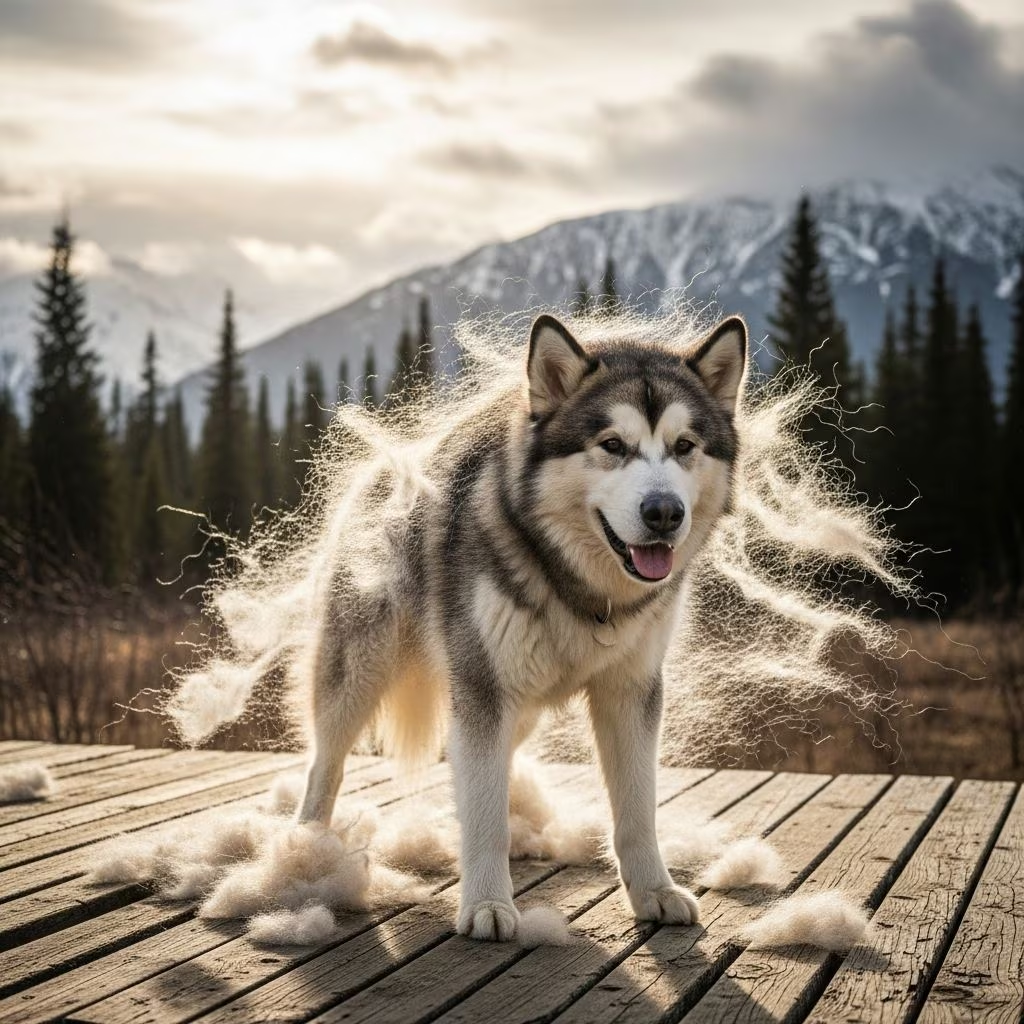
Alaskan Malamutes are renowned for their majestic, thick double coats designed for Arctic survival, but this comes with significant shedding, particularly during seasonal “coat blowing” periods twice a year. Owners must prepare for substantial fur loss year-round, with peaks in spring and fall requiring daily brushing to maintain coat health and household cleanliness.
Understanding the Malamute’s Double Coat Structure
The Alaskan Malamute’s coat consists of a coarse outer layer of guard hairs and a soft, woolly undercoat that provides insulation against extreme cold. This double-layered fur traps body heat effectively in sub-zero temperatures but becomes excessive in milder climates, leading to heavy shedding as the dog regulates its temperature. Males typically reach 25 inches in height and 85 pounds, while females are slightly smaller at 23 inches and 75 pounds, amplifying the volume of fur produced.
Guard hairs repel water and dirt, standing about 1-2 inches long, while the undercoat can grow denser, forming plush tufts that release in clumps during shedding season. This natural process, often called “blowing coat,” can yield handfuls of fur daily, enough to fill small bags over a week. Regular maintenance prevents matting, especially around the neck, tail, and hindquarters where fur accumulates most.
Seasonal vs. Year-Round Shedding Patterns
Alaskan Malamutes experience two intense shedding phases annually, aligning with seasonal changes—typically late spring and autumn—when they shed up to 80% of their undercoat in 2-4 weeks. During these times, brushing yields cotton-like bundles, and homes see fur everywhere from furniture to floors. Outside these periods, moderate shedding continues, with loose hairs scattering daily, necessitating weekly vacuuming and lint rolling.
- Peak Shedding (Spring/Fall): Daily grooming essential; expect 30-60 minutes of brushing per session.
- Off-Season: 2-3 times weekly; focus on undercoat removal to stimulate growth cycles.
- Triggers: Rising temperatures (above 60°F) prompt faster undercoat release in warmer regions.
Climate plays a key role: In cold environments like Alaska, shedding is less disruptive as dogs retain more coat for warmth. Indoor living in heated homes can prolong shedding by reducing the need for full insulation.
Health Conditions Influencing Shedding Intensity
Excessive or irregular shedding often signals underlying issues beyond normal patterns. Alaskan Malamutes are prone to certain breed-specific conditions that disrupt the hair growth cycle.
| Condition | Symptoms | Treatment |
|---|---|---|
| Hypothyroidism | Hair loss, dull coat, lethargy, weight gain | Thyroid hormone supplements; vet blood tests confirm. |
| Alopecia X (Coat Funk) | Bald patches on flanks/legs, no itching | Ongoing research; hormone therapy or neutering may help. |
| Allergies/Skin Infections | Itching, redness, hot spots | Antihistamines, medicated shampoos, diet trials. |
| Parasites (Fleas/Ticks) | Bites, dermatitis, excessive scratching | Topical/oral preventives; home fumigation. |
Nutritional deficiencies, such as poor omega fatty acid intake, can weaken coat quality, increasing fallout. High-quality diets with fish oil support skin health. Environmental factors like low humidity dry the skin, prompting more shedding—use humidifiers in arid areas.
Essential Grooming Tools and Techniques
Effective grooming minimizes shedding impact and promotes healthy regrowth. Invest in breed-appropriate tools for best results.
- Pin or Slicker Brush: Removes undercoat without damaging guard hairs; use daily during blows.
- Undercoat Rake/Greyhound Comb: Pulls out dead woolly fur efficiently; ideal for heavy shedding.
- Deshedding Tool: Glides through dense coat, capturing 90% more loose hair.
- Bathing Supplies: Oatmeal or medicated shampoos bi-monthly; avoid over-bathing to preserve oils.
Technique: Brush in the direction of hair growth, starting from the back and working forward. Focus on high-shed areas like ruff, pants, and tail plume. Trim paw fur between toes to prevent ice balls or mats in winter. Nail trims every 3-4 weeks prevent overgrowth. For extreme blows, some owners use gentle clipping on mats, but consult a groomer to avoid skin irritation.
Pro Tip: Brush outdoors or over a drop cloth to contain fur. Collect shed hair for crafts like pillow stuffing—Malamute undercoat is warm and hypoallergenic.
Daily and Weekly Care Routines for Minimal Fur Mess
Consistency is key to managing Malamute shedding. A structured routine keeps coats shiny and homes livable.
- Daily (5-10 mins): Quick wipe-down with a damp cloth; check for ticks/parasites.
- Weekly (20-30 mins): Full brush-out, focusing on undercoat; inspect skin for issues.
- Monthly: Bath, ear cleaning, dental chew; professional groom if needed.
- Seasonal: Intensive 2-week deep clean post-blow; vacuum upholstery thoroughly.
Exercise supports coat health—Malamutes need 1-2 hours daily of walks, hikes, or sled pulling to regulate hormones and reduce stress-induced shedding. Cool climates suit them best; in heat, provide shade and frozen treats to prevent heat stress, which worsens fur loss.
Household Strategies to Combat Fur Buildup
Malamute owners adapt homes for fur management:
- Robot vacuums and HEPA filters trap airborne hairs.
- Fur-resistant furniture covers and washable rugs simplify cleanup.
- Laundry additives like dryer sheets reduce static cling on clothes.
- Designated brushing stations with tarps contain messes.
Allergies aren’t directly from shedding but from dander—regular grooming reduces it significantly.
When to Consult a Veterinarian
Normal shedding produces even fur distribution without discomfort. Seek vet care for:
- Bald spots or thinning beyond seasonal norms.
- Persistent scratching, odor, or scabs.
- Sudden increases with appetite changes or fatigue.
- Non-stop licking paws or flanks.
Early diagnosis prevents progression; bloodwork rules out thyroid issues common in the breed.
FAQs on Alaskan Malamute Shedding
Do Alaskan Malamutes shed all year?
Yes, moderately year-round with heavy seasonal blows in spring and fall.
Can you shave a Malamute to stop shedding?
No—shaving damages the double coat’s protective function, risking sunburn and poor regrowth. Brush instead.
How often should I bathe my shedding Malamute?
Every 4-6 weeks; frequent baths strip oils, increasing shedding.
Are Malamutes hypoallergenic?
No, their heavy shedding and dander make them unsuitable for allergy sufferers.
What diet reduces Malamute shedding?
High-protein formulas with omega-3s from salmon oil strengthen coats.
Embracing an Alaskan Malamute means accepting their shedding as part of their Arctic heritage. With diligent grooming and health vigilance, you’ll enjoy their loyalty and strength minus the overwhelming fur chaos.
References
- Do Alaskan Malamutes Shed? Vet-Verified Grooming & Care Guide — Dogster. 2023. https://www.dogster.com/dog-health-care/do-alaskan-malamutes-shed
- Alaskan Malamute Facts — Bowen Malamutes. Accessed 2026. https://bowenmalamutes.com/malamute-facts-1
- How To Care for an Alaskan Malamute — ASPCA Pet Health Insurance. 2023. https://www.aspcapetinsurance.com/resources/alaskan-malamute/
- Alaskan Malamute — American Kennel Club (AKC). Accessed 2026. https://www.akc.org/dog-breeds/alaskan-malamute/



