

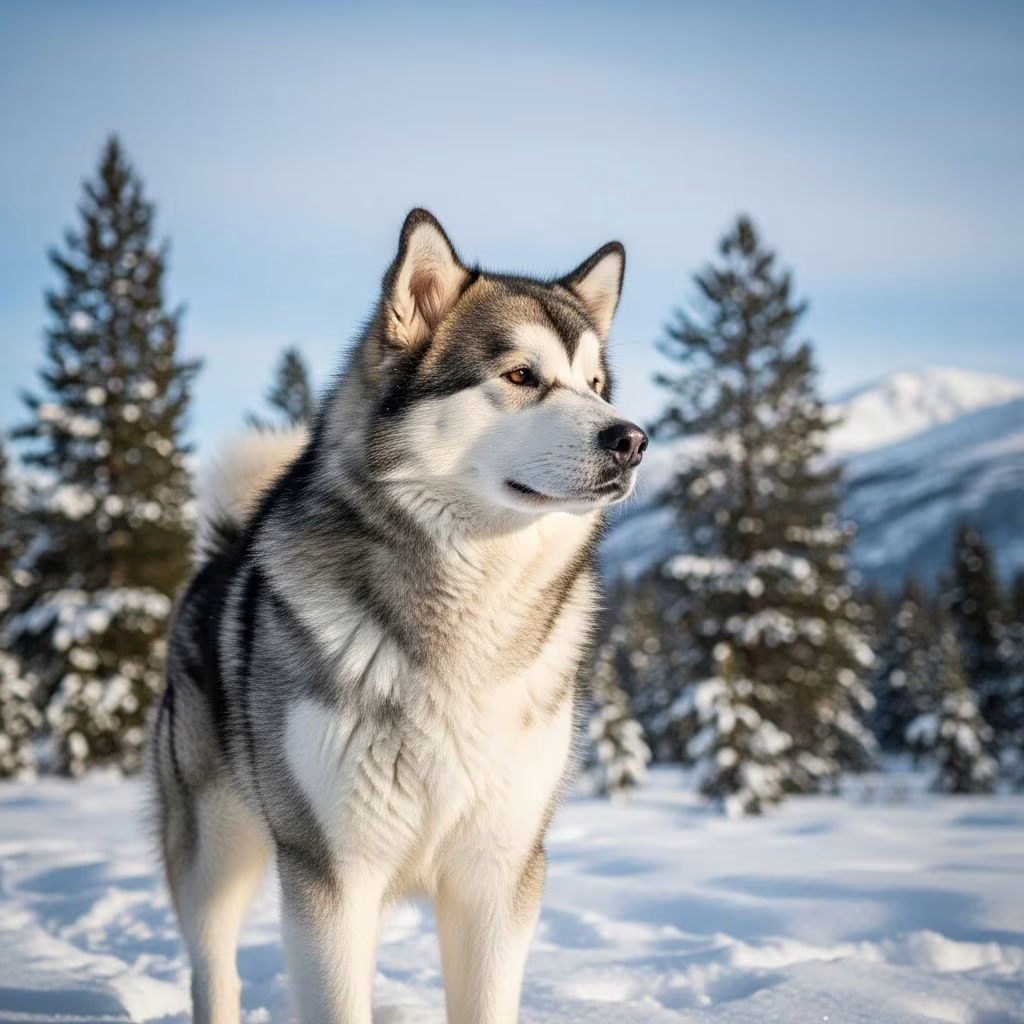
Alaskan Malamutes, renowned for their strength and endurance, typically enjoy a lifespan of 10 to 14 years, though some reach up to 15 years with optimal care. This range positions them favorably among large breeds, where shorter lifespans are common due to size-related health strains. Factors like genetics, nutrition, physical activity, and environment profoundly shape their longevity, making proactive ownership essential for maximizing their vibrant years.
Origins and Physical Traits Influencing Longevity
Bred by Inuit tribes for hauling heavy sleds across Alaska’s harsh terrains, Alaskan Malamutes possess a robust build with thick double coats suited to cold climates. Weighing 75-100 pounds and standing 23-25 inches tall, their large frame demands substantial energy and support to maintain health over time. This heritage of endurance contributes to their resilience but also predisposes them to joint and metabolic issues if not managed properly.
Their genetic makeup favors stamina over speed, unlike slimmer sled dogs such as Siberian Huskies. However, rapid growth in puppies can stress developing bones, underscoring the need for controlled nutrition during formative stages. Understanding these traits helps owners anticipate needs across life phases.
Factors That Determine Alaskan Malamute Lifespan
Several interconnected elements dictate how long a Malamute thrives. Genetics set the baseline, but lifestyle choices can extend or shorten it significantly.
- Genetics: Inherited conditions from parent stock play a pivotal role. Reputable breeders screen for hereditary risks, reducing incidence.
- Diet and Nutrition: High-quality, balanced meals prevent obesity and support organ function.
- Exercise Regimen: Daily activity preserves muscle tone and joint health.
- Veterinary Oversight: Routine check-ups enable early intervention.
- Environmental Safety: Stress-free, hazard-free living spaces promote well-being.
Table comparing key influences:
| Factor | Positive Impact | Negative Impact |
|---|---|---|
| Genetics | Screened breeding lines | Hereditary disorders |
| Diet | Protein-rich, portion-controlled | Overfeeding leading to obesity |
| Exercise | 1-2 hours daily | Sedentary lifestyle |
| Environment | Cool, secure areas | Heat exposure or toxins |
Common Health Concerns in Alaskan Malamutes
Despite their hardy nature, Malamutes face breed-specific ailments that can curtail lifespan if unchecked.
Hip Dysplasia and Joint Problems
Hip dysplasia, a malformation causing arthritis and lameness, affects many large breeds including Malamutes. Symptoms emerge in young adults or seniors, managed via weight control, supplements, and surgery in severe cases.
Eye and Cardiac Conditions
Cataracts, progressive retinal atrophy, and heart murmurs require vigilant monitoring. Annual ophthalmic exams detect issues early.
Neurological and Bleeding Disorders
Polyneuropathy leads to weakness and breathing difficulties, while von Willebrand’s disease causes excessive bleeding. Genetic testing mitigates these risks.
Chondrodysplasia and Obesity
This dwarfism variant stunts limb growth; obesity exacerbates all conditions, emphasizing lean body maintenance.
Preventive measures include OFA certifications from breeders and lifelong monitoring.
Nutrition Strategies for Extended Lifespan
A tailored diet fuels Malamutes’ high metabolism. Puppies need 22-32% protein for growth; adults 18-25%; seniors lower calories with joint-support additives like glucosamine.
- Select AAFCO-approved foods with real meat as primary ingredients.
- Portion based on weight: 3-5 cups daily for adults, split into meals.
- Incorporate omega-3s for coat and heart health.
- Avoid table scraps to prevent pancreatitis.
Hydration is critical; provide constant fresh water, especially post-exercise.
Exercise and Mental Stimulation Essentials
Malamutes crave purposeful activity mimicking sled work—hiking, pulling carts, or agility training. Aim for 60-120 minutes daily to combat boredom-induced destructiveness.
Mental engagement via puzzle toys and obedience training wards off cognitive decline in later years. Socialization from puppyhood fosters balanced temperaments.
Life Stages of Alaskan Malamutes
Puppyhood (Birth to 18 Months)
Rapid growth demands large-breed puppy formulas to curb skeletal stress. Vaccinations and deworming are paramount.
Adulthood (18 Months to 7 Years)
Prime energy phase; maintain muscle through rigorous play. Monitor for spay/neuter weight gain.
Senior Years (7+ Years)
Slow metabolism necessitates senior diets. Shorter walks with joint supplements sustain mobility.
Veterinary Care and Preventive Protocols
Annual wellness exams, dental cleanings, and parasite preventives form the cornerstone. Seniors benefit from bi-annual visits.
Table of recommended schedule:
| Age Group | Frequency | Key Checks |
|---|---|---|
| Puppy | Every 3-4 weeks until 16 weeks | Vaccines, growth |
| Adult | Yearly | Heart, hips, eyes |
| Senior | Every 6 months | Bloodwork, mobility |
Environmental and Lifestyle Optimizations
Cool climates suit their coats; avoid heat to prevent overheating. Secure fencing prevents escapes, given their adventurous spirit.
Minimize stress through consistent routines and family bonding, as emotional health bolsters physical resilience.
Frequently Asked Questions
How can I maximize my Alaskan Malamute’s lifespan?
Focus on premium nutrition, ample exercise, genetic screening, and regular vet care to potentially exceed the 10-14 year average.
What are the top health risks for Malamutes?
Hip dysplasia, eye disorders, polyneuropathy, and obesity top the list; early detection is key.
Is a raw diet suitable for Malamutes?
Possible with veterinary guidance, but balanced kibble suffices for most, ensuring nutrient completeness.
When does a Malamute become a senior?
Around 7-10 years, shifting to age-appropriate care.
Can Malamutes live longer than 14 years?
Yes, up to 15 with exceptional care, though uncommon.
Conclusion: Nurturing Your Malamute’s Best Years
With dedicated care, Alaskan Malamutes reward owners with loyal companionship well into their teens. Prioritize holistic wellness to honor their legacy as enduring working dogs.
References
- How long do giant Alaskan Malamutes usually live? — Dial A Vet. 2023. https://www.dialavet.com/vet-answers/giant-alaskan-malamute-lifespan-117775
- Understanding the Lifespan of Alaskan Malamutes — Oreate AI. 2023. http://oreateai.com/blog/understanding-the-lifespan-of-alaskan-malamutes-a-journey-through-their-years/a2d691d348200ea870b1276f3135e9ce
- How Long Do Alaskan Malamutes Live — Dogster. 2023. https://www.dogster.com/dog-health-care/alaskan-malamute-lifespan-how-long-do-they-live
- How To Care for an Alaskan Malamute — ASPCA Pet Health Insurance. 2023. https://www.aspcapetinsurance.com/resources/alaskan-malamute/
- Alaskan Malamute Lifespan: Average Life Expectancy and More! — A-Z Animals. 2023. https://a-z-animals.com/blog/alaskan-malamute-lifespan-average-life-expectancy-and-more/
- Alaskan Malamute | Temperament, Lifespan & History — Pooch & Mutt. 2023. https://www.poochandmutt.co.uk/blogs/by-breed/alaskan-malamute
- Alaskan Malamute Dog Breed Health and Care — PetMD. 2023. https://www.petmd.com/dog/breeds/alaskan-malamute



