

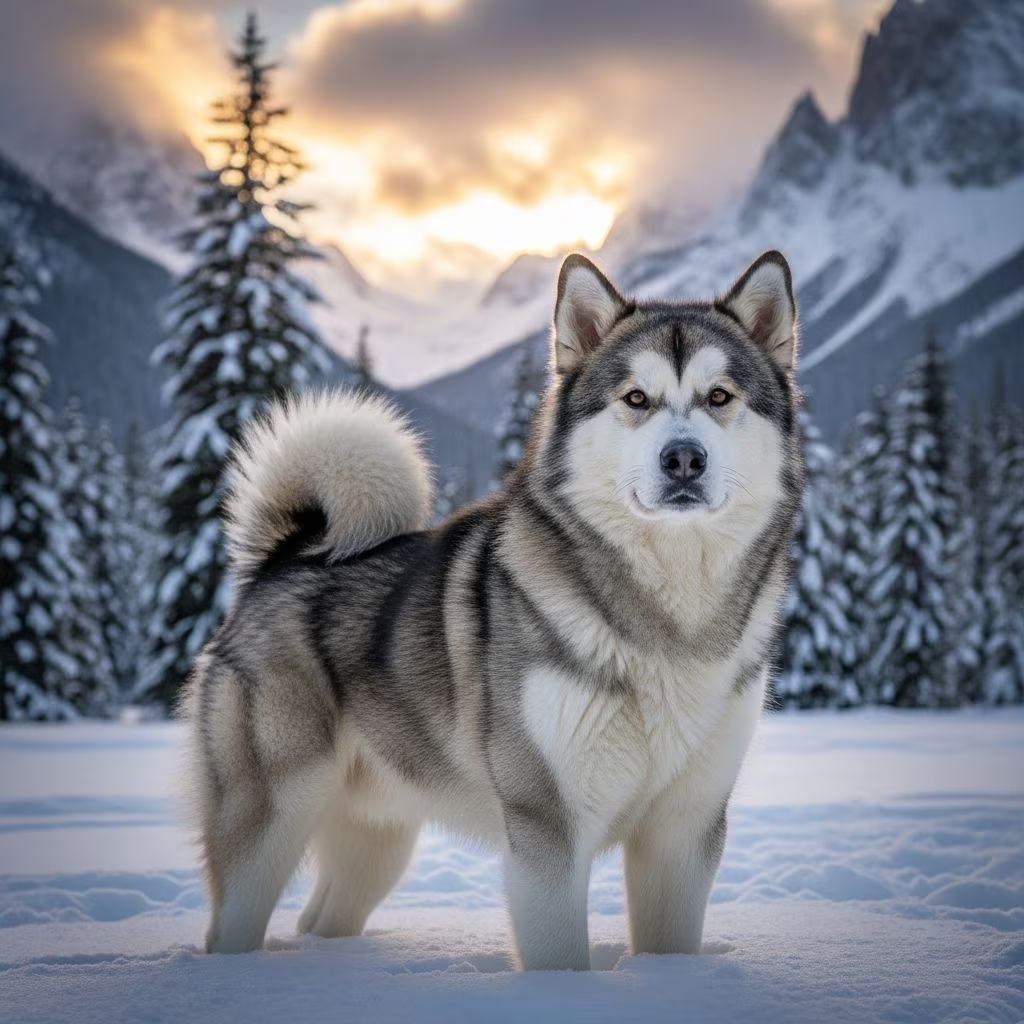
The Alaskan Malamute stands as one of the most iconic working dog breeds, renowned for its strength, endurance, and deep-rooted connection to Arctic survival. Originating from the harsh landscapes of Alaska, this large canine was selectively bred by Inuit peoples for hauling heavy loads over vast distances in extreme cold. Today, while still excelling in sledding and pulling tasks, the Malamute has transitioned into a beloved family companion for those who can match its high energy and exercise demands.
Origins and Historical Role in the North
The story of the Alaskan Malamute begins thousands of years ago with the Mahlemut Inuit tribe, from whom the breed derives its name. These nomadic people relied on dogs for transportation, hunting, and survival in the unforgiving Arctic environment above the Arctic Circle. Archaeological findings suggest sled dogs like the Malamute ancestors may date back 300 to 500 years, though some evidence points to even earlier use as pack animals or for dog-drawn sleds.
Early Malamutes were prized for their ability to pull heavy freight—hundreds or thousands of pounds in teams—over long distances at moderate speeds, distinguishing them from faster racing breeds like the Siberian Husky. The Mahlemut Inuits, living in regions like Kotzebue Sound, bred only the strongest, most intelligent pups, treating them humanely with shared meals to foster loyalty and reliability. This selective breeding resulted in hardy dogs adapted to sub-zero temperatures, with efficient metabolisms requiring less food than comparable breeds.
During the Klondike Gold Rush of 1896, demand for sled dogs skyrocketed. Malamutes became invaluable to prospectors, fetching up to $500 per dog or $1,500 for a team. Their facial markings were especially admired. However, crossbreeding with smaller racing dogs and larger breeds like Saint Bernards for fighting or racing nearly diluted the pure strain. Isolated Mahlemut populations preserved the original type.
Malamutes played pivotal roles in major expeditions, including Rear Admiral Richard Byrd’s 1920s South Pole journey and World War II search-and-rescue missions in Greenland. By 1947, only about 30 purebreds remained registered, prompting the American Kennel Club (AKC) to reopen the studbook with strict quality proofs, incorporating key lines like Kotzebue, M’Loot, and Hinman.
Physical Build and Distinctive Appearance
Alaskan Malamutes are powerfully constructed, with males typically weighing 85 pounds (38 kg) and standing 25 inches (64 cm) at the shoulder, while females are slightly smaller at 75-85 pounds (34-38 kg) and 23-24 inches (58-61 cm). Their broad heads, erect triangular ears, and plumed tails carried over the back contribute to a wolf-like silhouette.
The hallmark double coat—coarse outer guard hairs and a dense, oily undercoat—provides insulation against brutal weather. Common colors include wolf gray, black, and white, often with mask-like facial markings. Their almond-shaped eyes convey alertness, and substantial bone structure supports freighting prowess. Feet are large and padded for snow traction, with remarkable endurance.
| Trait | Male | Female |
|---|---|---|
| Height | 25 inches (64 cm) | 23 inches (58 cm) |
| Weight | 85 lbs (38 kg) | 75-85 lbs (34-38 kg) |
| Coat | Thick double coat: coarse outer, dense under | |
| Colors | Gray/white, black/white, red/white, sable |
Temperament and Behavioral Traits
Characterized by loyalty, friendliness, and a playful spirit, Malamutes form strong bonds with their families. As pack animals, they thrive on social interaction but can be independent and strong-willed, requiring firm, consistent leadership to prevent dominance issues. Their sense of humor often leads to mischievous antics, like digging or escaping yards.
- Playful and Energetic: Moderately high energy suits active owners; they love romps, hikes, and pulling activities.
- Gentle with Family: Affectionate toward children when raised together, though size demands supervision.
- Reserved with Strangers: Not typically aggressive but aloof; early socialization curbs wariness.
- Dog Selective: Same-sex aggression possible; best with opposite-sex or supervised multi-dog homes.
- Independent Thinker: Stubborn streak challenges novice trainers; positive reinforcement works best.
Unlike guard dogs, Malamutes rarely bark and welcome intruders amiably, prioritizing companionship over protection.
Essential Care and Grooming Needs
Malamutes demand substantial daily exercise—2+ hours of vigorous activity like running, biking, or skijoring—to prevent boredom-induced destruction. Secure fencing is crucial, as their escape-artist tendencies and wanderlust stem from hunting instincts.
Grooming involves weekly brushing to manage heavy shedding, especially during biannual “blowing coat” seasons. Bathe sparingly to preserve natural oils; check feet, ears, and nails regularly. Their efficient metabolism suits raw or high-protein diets, but portion control avoids obesity.
- Daily: 60-120 minutes exercise, mental stimulation.
- Weekly: Brush coat, inspect paws.
- Monthly: Professional grooming if needed, dental care.
Training Strategies for Success
Start training early with positive methods—treats, praise, toys—leveraging their sledding aptitude for cart-pulling. Short, fun sessions combat short attention spans. Obedience classes build socialization and recall, vital for this powerful breed. Never use force; it erodes trust.
Key commands: recall (due to high prey drive), leave it, and loose-leash walking. Advanced training shines in weight-pulls or backpacking.
Health Considerations and Lifespan
Malamutes enjoy 10-14 years with proper care. Common issues include hip dysplasia, hypothyroidism, and eye conditions like cataracts. Regular vet checks, joint supplements, and weight management mitigate risks. Chilled environments suit them best; heat intolerance limits warm-climate suitability.
| Health Issue | Prevention/Treatment |
|---|---|
| Hip Dysplasia | X-rays, supplements, low-impact exercise |
| Hypothyroidism | Blood tests, hormone therapy |
| Cataracts | Annual eye exams, surgery |
Ideal Home Environment and Lifestyle Fit
Best for active families in cooler climates with space for running. Not ideal for apartments, hot regions, or sedentary owners. They excel with dog sports enthusiasts or rural dwellers providing jobs like mushing.
Children benefit from their gentle nature, but teach respect for size. Multi-pet homes require careful introductions.
Frequently Asked Questions
Are Alaskan Malamutes good with kids?
Yes, when socialized early; their playful side engages children, but supervise due to strength.
How much exercise do they need?
At least 2 hours daily of intense activity to match stamina.
Do they shed a lot?
Heavy seasonal shedding; regular brushing controls it.
Can they live in warm climates?
No, their thick coat causes overheating; prefer cold weather.
What’s the difference from Siberian Huskies?
Malamutes are larger, for freighting vs. Huskies’ racing speed.
Choosing and Bringing Home a Malamute
Select breeders emphasizing health testing (OFA hips/elbows, CERF eyes, thyroid). Rescues offer adult dogs. Prepare with crate training, chew toys, and harnesses for pulling. Lifetime commitment ensures this noble breed’s well-being.
References
- Malamute History — Malamute Rescue. Accessed 2026. https://www.malamuterescue.org/index.php/amal-articles/malamute-history/
- Alaskan Malamute Breed: Characteristics, Care & Photos — Chewy. Accessed 2026. https://www.chewy.com/education/dog-breeds/alaskan-malamute
- Alaskan Malamute — Wikipedia. Accessed 2026. https://en.wikipedia.org/wiki/Alaskan_Malamute
- Alaskan Malamute History: From Arctic Sled Dog to Family Pet — American Kennel Club. Accessed 2026. https://www.akc.org/expert-advice/lifestyle/alaskan-malamute-history-arctic-sled/
- Alaskan Malamute — Britannica. Accessed 2026. https://www.britannica.com/animal/Alaskan-Malamute



