

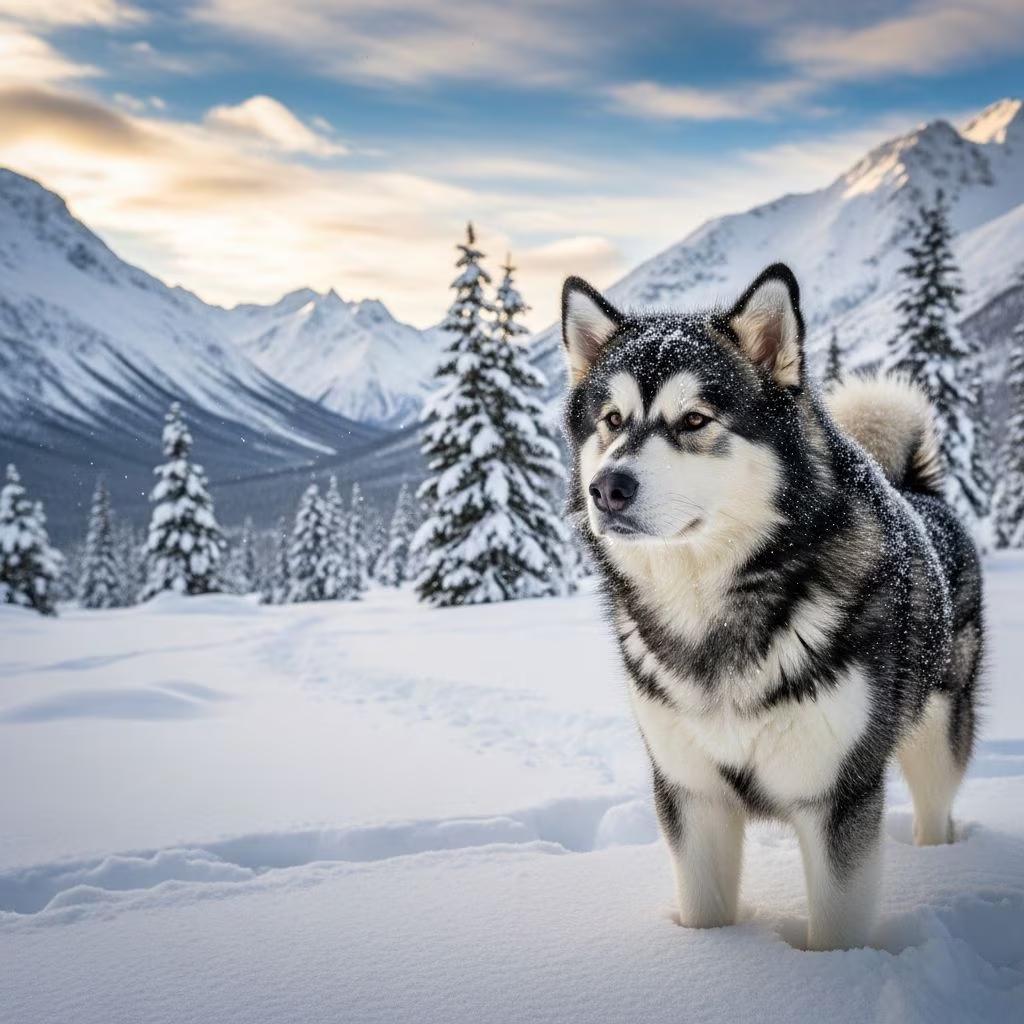
The Alaskan Malamute stands as one of the most enduring and powerful dog breeds, renowned for its strength, loyalty, and adaptability to extreme environments. Originating from the frozen landscapes of Alaska, this large working dog has transitioned from vital sled-pulling companion to beloved family pet.
Ancient Roots in the Arctic Wilderness
Tracing back thousands of years, the Alaskan Malamute likely descended from wolves domesticated by early migrants who crossed the Bering Strait into North America over 4,000 years ago. These dogs evolved alongside Inuit tribes, particularly the Mahlemut (or Malemute) people near Kotzebue Sound, from whom the breed derives its name.
Archaeological findings and historical accounts suggest sled dogs like the Malamute were integral to survival in harsh Arctic conditions. Nomadic Inuit groups relied on them for transportation, hauling supplies, and hunting large game such as polar bears and seals. The dogs’ remarkable endurance allowed them to thrive in sub-zero temperatures, pulling heavy loads over vast distances while requiring minimal food compared to other breeds of similar size.
Unlike faster racing sled dogs, Malamutes were bred for heavy freighting, often working in teams of four or more to transport hundreds or thousands of pounds of gear to remote villages. Their close bond with humans was profound; pups grew up alongside children, nursing together and sharing family shelters for warmth, fostering a gentle temperament despite their formidable size.
Challenges of the Gold Rush Era
The late 19th-century Klondike Gold Rush dramatically increased demand for sled dogs, driving prices sky-high—up to $500 for a single quality dog or $1,500 for a team. Prospectors imported breeds like St. Bernards and Siberian Huskies, leading to widespread crossbreeding that diluted pure Malamute lines and nearly caused the breed’s extinction.
Fortunately, the remote Mahlemut tribe preserved purer strains. By the early 20th century, dedicated breeders revived the breed through foundational lines: the Kotzebue (recognized by the American Kennel Club in 1935), M’Loot, and Hinman/Irwin strains. These were later combined, notably by Robert J. Zoller into the Husky-Pak line, forming the basis of all modern Malamutes.
Malamutes also served in pivotal historical roles, aiding expeditions like Rear Admiral Richard Byrd’s to the South Pole and performing search-and-rescue in World War II across Greenland and Europe.
Physical Characteristics and Build
Alaskan Malamutes are large, athletic dogs designed for power over speed. Males typically stand 25 inches at the shoulder and weigh 85 pounds, while females are slightly smaller at 23 inches and 75-85 pounds. Their substantial bone structure, deep chest, and muscular frame enable exceptional pulling capacity.
Their hallmark double coat—coarse outer guard hairs over a dense, oily undercoat—provides insulation against Arctic extremes. Common colors include wolf gray, black, sable, or red with white markings, often featuring striking facial masks admired since ancient times. Bushy tails curl over the back like plumes, erect triangular ears enhance alertness, and tough, snowshoe-like feet grip icy terrain.
| Trait | Male | Female |
|---|---|---|
| Height | 25 inches | 23 inches |
| Weight | 85 lbs | 75-85 lbs |
| Coat | Thick double coat | Thick double coat |
| Life Expectancy | 10-14 years | 10-14 years |
Temperament and Family Compatibility
Despite their wolfish appearance, Alaskan Malamutes are affectionate, playful, and deeply loyal to their families. Their history of living communally with Inuit children instilled a gentle, patient nature, making them excellent with kids when properly socialized. However, their high energy and pack mentality require firm, consistent leadership to prevent dominance issues.
- Friendly and outgoing: Malamutes greet strangers with curiosity rather than suspicion.
- Playful spirit: They retain a puppy-like enthusiasm into adulthood, loving games and romps.
- Stubborn streak: Independent thinkers, they respond best to positive reinforcement over harsh corrections.
- Social needs: Thriving in packs, they can become destructive or vocal if isolated.
Early socialization exposes them to diverse environments, reducing prey drive toward small animals. They’re not ideal guard dogs due to their amiable disposition but excel as hiking or skijoring partners.
Training Essentials for Success
Intelligent yet willful, Malamutes demand patient, reward-based training starting young. Their sled dog heritage means they excel at tasks with purpose, like carting or weight pulling, which channels their strength constructively.
Key strategies include:
- Short, frequent sessions to match their attention span.
- Motivation with high-value treats or toys, avoiding force.
- Basic commands like recall and “leave it” to manage wandering instincts.
- Canicross or obedience classes for mental stimulation.
Without outlets, boredom leads to digging, howling, or escaping. Professional trainers familiar with northern breeds can address challenges like leash pulling.
Grooming and Daily Maintenance
The Malamute’s plush coat sheds heavily twice yearly during “blowing coat,” requiring daily brushing with an undercoat rake to prevent mats. Bathe sparingly to preserve natural oils, and trim fur between paw pads for traction.
Nail trims every 2-3 weeks, dental care via brushing or chews, and ear checks prevent common issues. Their weather-resistant fur minimizes bathing needs, but vacuuming homes helps manage shed fur.
Nutrition and Exercise Demands
Fuel these high-octane dogs with large-breed formulas rich in glucosamine for joints and omega fatty acids for coat health. Daily intake ranges 4-6 cups, split into meals to avoid bloat; monitor for weight gain as they’re efficient eaters.
Exercise requires 1-2 hours daily: long walks, runs, or pulls. Mental games like puzzle toys complement physical activity, preventing obesity and behavioral problems.
Health Considerations and Lifespan
Robust overall, Malamutes live 10-14 years but face risks like hip dysplasia, hypothyroidism, and chondrodysplasia (dwarfism in some lines). Regular vet checks, including OFA certifications for breeding stock, mitigate hereditary concerns.
Chilled water prevents gastric dilatation-volvulus, and joint supplements support active lifestyles. Reputable breeders screen for genetic issues tied to founder strains.
Choosing and Welcoming a Malamute
Adopt from ethical breeders emphasizing health testing or rescues specializing in northern breeds. Prepare for a digger and howler by securing yards with 6-foot fences and providing enrichment.
Puppies need crate training and gradual introductions to prevent separation anxiety. Their adaptability makes them great for active families in cooler climates, though heat tolerance is low.
Frequently Asked Questions
Are Alaskan Malamutes good with children?
Yes, their gentle nature suits supervised play with kids, thanks to historical family integration.
How much exercise do they need?
At least 60-120 minutes daily, including purposeful activities like pulling.
Do they make good apartment dogs?
No, they require space and activity unsuitable for small dwellings.
What’s the difference between Malamutes and Huskies?
Malamutes are larger, freight-focused; Huskies prioritize speed for racing.
How often do they shed?
Moderately year-round, profusely during seasonal blows.
References
- Malamute History — Malamute Rescue. Accessed 2026. https://www.malamuterescue.org/index.php/amal-articles/malamute-history/
- Alaskan Malamute — Wikipedia. Accessed 2026. https://en.wikipedia.org/wiki/Alaskan_Malamute
- Alaskan Malamute Facts – Dog Breeds — Wisdom Panel. Accessed 2026. https://www.wisdompanel.com/en-us/dog-breeds/alaskan-malamute
- Alaskan Malamute History: From Arctic Sled Dog to Family Pet — American Kennel Club (AKC). Accessed 2026. https://www.akc.org/expert-advice/lifestyle/alaskan-malamute-history-arctic-sled/



