

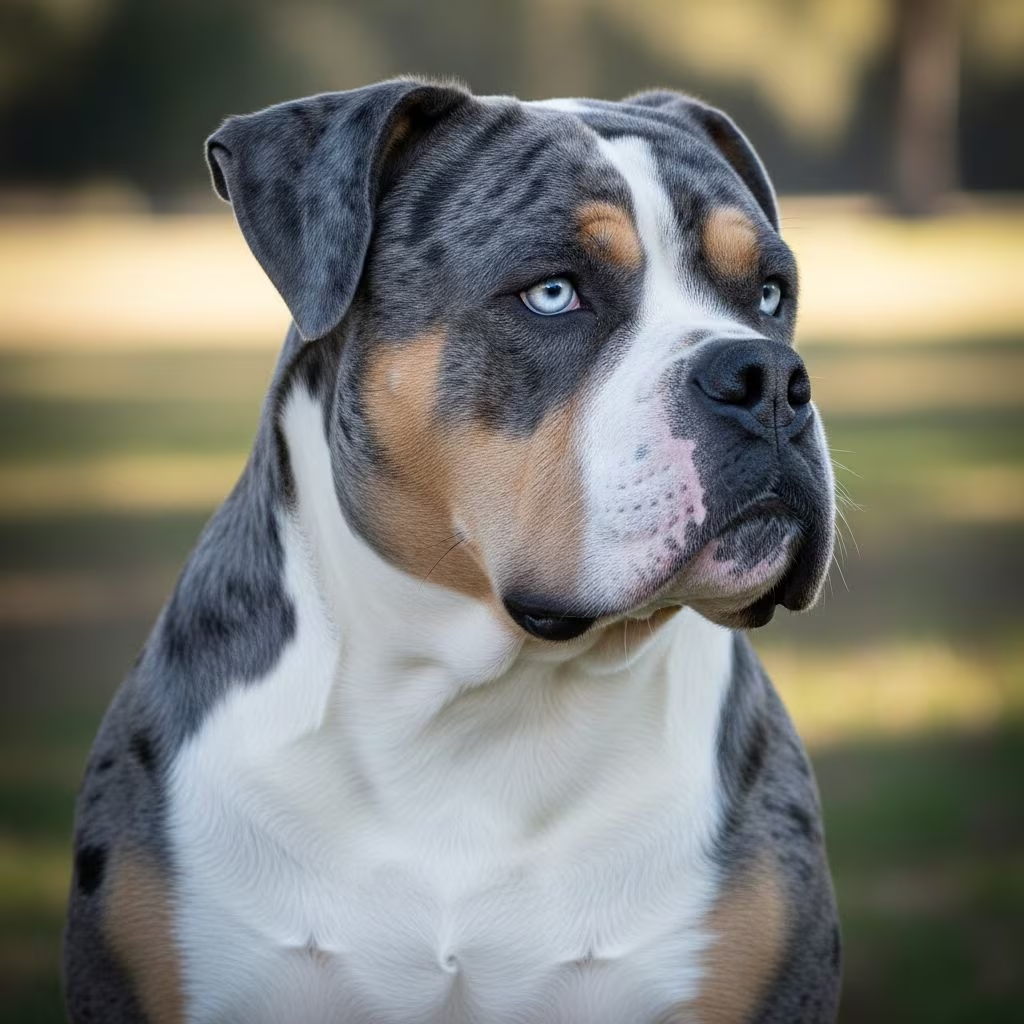
The Alapaha Blue Blood Bulldog stands out as a robust, athletic canine breed originating from the United States, prized for its unwavering loyalty and natural guarding abilities. This medium-to-large dog combines strength, agility, and a deep devotion to family, making it an ideal choice for experienced owners seeking a protective companion.
Origins and Development of the Breed
The Alapaha Blue Blood Bulldog traces its roots to the rural American South, particularly the Alapaha River region in Georgia. Developed in the mid-20th century by dedicated breeders like the Lanier family, this breed emerged from old English bulldog lines crossed with local working dogs to create a versatile farm hand capable of managing livestock such as cattle and hogs.
Unlike show-focused bulldogs, the Alapaha was crafted for practical utility. Breeders aimed for a dog that could catch and hold aggressive animals without excessive bulk, emphasizing balance between power and speed. The name “Blue Blood” reflects the breeders’ view of the dog’s noble heritage and pure lineage, though it’s not recognized by major kennel clubs like the AKC. Organizations such as the Alapaha Blue-Blood Bulldog Association maintain the breed standard, ensuring preservation of its working traits.
Historical accounts highlight how these dogs excelled in free-range hog farming and cattle herding, tasks demanding courage, endurance, and quick reflexes. Today, while less common in farms, Alapahas retain their herding heritage, serving primarily as family protectors and companions.
Physical Characteristics and Build
Alapaha Blue Blood Bulldogs possess a distinctive, powerful physique that underscores their working origins. Males typically measure 20-24 inches at the shoulder and weigh 79-90 pounds, while females are slightly smaller at 18-22 inches and 55-75 pounds, showcasing clear sexual dimorphism.
| Feature | Males | Females |
|---|---|---|
| Height | 20-24 inches | 18-22 inches |
| Weight | 79-90 lbs | 55-75 lbs |
| Build | Heavily muscled | Softer, athletic |
The head is broad and square with a medium-length muzzle featuring a strong underjaw, prominent eyes set wide apart, and V-shaped ears that enhance the squared appearance. The neck is muscular and slightly arched, flowing into a deep chest, broad back with a slight roach, and tucked loins. Legs are straight and heavy-boned, supporting feet that are compact and cat-like, with dewclaws intact.
The short, stiff coat is glossy and primarily white with patches of black, brindle, merle, or tri-color, often forming saddle patterns or eye/ear markings. Preferred are blue merle, brown merle, or red merle trimmed in white. The tail remains natural—long, thick at the base, tapering to the hocks, carried high but not curling over the back.
In motion, Alapahas exhibit smooth, powerful gait with reach from the front and drive from the rear, maintaining a level topline. Faults include clumsiness, rolling gait, or leg interference, as the breed prioritizes agility over bulk.
Temperament and Personality Profile
Renowned for loyalty and protectiveness, Alapaha Blue Blood Bulldogs form intense bonds with their families, often viewing them as their herd to guard. They are intelligent, trainable, and eager to please, yet possessive and territorial from puppyhood, demanding interaction over isolation.
- Devoted Family Member: Excellent with children, patient and gentle, though supervision is advised due to size.
- Watchdog Excellence: Alert and suspicious of strangers, barking to alert without unprovoked aggression.
- Prey Drive: High instinct to chase small animals; secure fencing and leashing essential.
- Work Ethic: Thrives with jobs like herding, obedience, or protection training.
Without firm leadership, their confidence can lead to stubbornness. Early socialization mitigates wariness, fostering a well-rounded dog that’s outgoing yet discerning.
Training Essentials for Success
Training an Alapaha begins early, leveraging their intelligence and desire to work. Positive reinforcement with treats, praise, and toys yields best results, as harsh methods can entrench willfulness.
Key training areas:
- Basic Obedience: Sit, stay, come, heel—practice daily in varied environments.
- Socialization: Expose to people, dogs, and stimuli from 8 weeks to build confidence.
- Leash Manners: Counter pulling with consistent heel work.
- Advanced Skills: Herding trials, weight pulling, or Schutzhund for mental stimulation.
Experienced handlers note that consistency and patience prevent dominance issues. Puppy classes and ongoing mental challenges keep them engaged and prevent boredom-induced mischief.
Health and Wellness Management
Alapahas are hardy with few breed-specific issues, thanks to selective breeding for functionality. Average lifespan is 12-15 years, bolstered by disease resistance.
Common concerns include:
- Hip Dysplasia: Monitor for lameness; maintain ideal weight.
- Entropion/Ectropion: Eyelid abnormalities; regular vet checks.
- Obesity: Control diet to preserve athleticism.
- Ear Infections: Clean weekly due to drop ears.
Annual vet exams, vaccinations, and parasite prevention are crucial. Genetic testing for hereditary conditions ensures healthy breeding.
Grooming and Daily Care Routine
Low-maintenance coats require weekly brushing to remove dead hair and distribute oils. Bath only as needed to preserve natural oils. Nail trims bi-monthly, teeth brushing several times weekly.
Shedding is seasonal and moderate. High exercise needs—60-90 minutes daily of walks, runs, or play—prevent restlessness. Mental enrichment via puzzle toys or training sessions complements physical activity.
Ideal Living Environment and Lifestyle Fit
Alapahas flourish in homes with yards, not apartments, due to energy and space requirements. They adapt to rural or suburban settings but dislike kenneling, preferring family integration.
Best Matches:
- Active families with older kids.
- Experienced owners providing structure.
- Homes with secure fencing (6ft minimum).
Not Ideal For: Novices, small homes, or frequent small animal exposure.
Nutrition Guidelines for Optimal Health
Feed high-quality, protein-rich food suited to large breeds—25-30% protein for muscle maintenance. Puppies need three meals daily transitioning to two for adults; portion based on weight/activity (3-5 cups/day).
Avoid overfeeding to prevent joint strain. Fresh water always available; joint supplements beneficial for seniors.
Frequently Asked Questions (FAQs)
Is the Alapaha Blue Blood Bulldog good with children?
Yes, they are protective and gentle with kids when socialized properly, though their size warrants supervision.
How much exercise does an Alapaha need?
At least 60-90 minutes of vigorous activity daily to channel their energy.
Are Alapahas recognized by major kennel clubs?
No, by AKC, but by niche clubs like ABBA.
What’s the grooming like for this breed?
Minimal: weekly brushing, occasional baths, regular nail/ear care.
Do Alapahas get along with other dogs?
With socialization, yes, but males may challenge same-sex dogs.
Choosing Your Alapaha: Adoption and Breeder Tips
Seek reputable breeders adhering to ABBA standards, prioritizing health clearances. Rescues offer adult dogs for experienced homes. Evaluate temperament in person; avoid puppy mills.
Puppies cost $1,500-$3,000 from ethical sources. Prepare with training tools, crate, and commitment to lifelong care.
References
- Alapaha Blue Blood Bulldog Facts – Wisdom Panel™ Dog Breeds — Wisdom Panel. Accessed 2026. https://www.wisdompanel.com/en-us/dog-breeds/alapaha-blue-blood-bulldog
- The Standard – Alapaha Blue-Blood Bulldog Association — ABBA. Accessed 2026. https://www.alapahabluebloodbulldog.org/the-standard/
- Alapaha Blue Blood Bulldog Dog Breed Information and Pictures — Dog Breed Info. Accessed 2026. https://www.dogbreedinfo.com/alapahabluebloodbulldogs.htm
- Breed Standard – IABBR — IABBR. Accessed 2026. https://www.iabbr.com/standard.html
- Alapaha Blue Blood Bulldog Breed Characteristics & Personality — Rover. Accessed 2026. https://www.rover.com/blog/breeds/alapaha-blue-blood-bulldog/



