

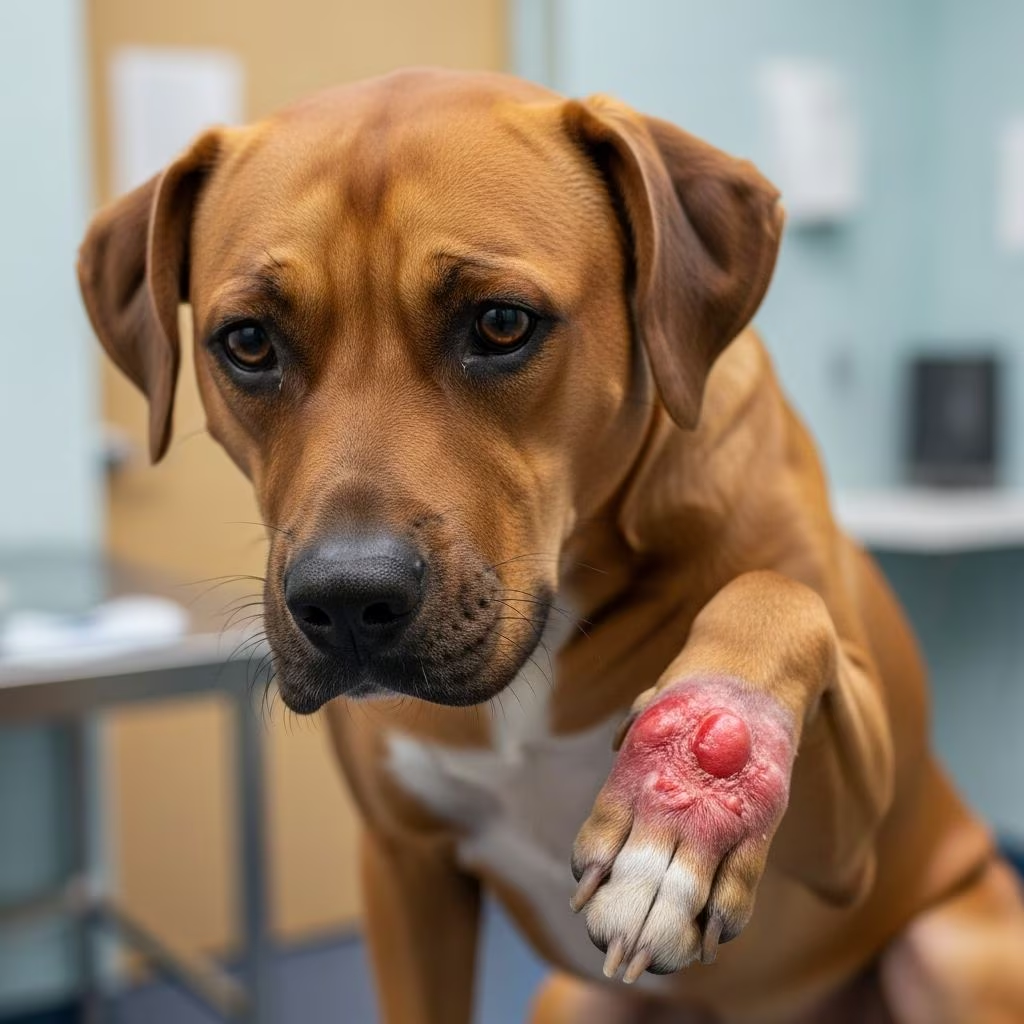
Alabama rot, scientifically known as Cutaneous and Renal Glomerular Vasculopathy (CRGV), is a rare but potentially fatal disease affecting dogs’ blood vessels in the skin and kidneys. First identified in the US in the 1980s and emerging in the UK around 2012, it leads to skin ulcers and, in severe cases, acute kidney failure with a high mortality rate of around 90% when kidneys are involved. Early detection is crucial, as dogs with only skin symptoms can recover well with prompt veterinary care.
What is Alabama Rot?
Alabama rot damages the endothelial cells lining small blood vessels, causing clotting and tissue death. This results in characteristic skin lesions and glomerular damage in the kidneys, impairing filtration and leading to failure. Unlike common skin issues, these ulcers appear suddenly without trauma, often progressing rapidly. The disease peaks in late autumn to winter, particularly after walks in wet, wooded areas.
CRGV is not contagious and does not spread dog-to-dog. While rare—fewer than 300 confirmed UK cases since 2012—it has a devastating impact, emphasizing the need for owner vigilance.
Symptoms of Alabama Rot in Dogs
Symptoms typically start with skin changes, followed by systemic signs if kidneys are affected. Skin lesions are the hallmark, appearing as painful, red, circular ulcers or sores, often with a dark centre, swelling, or bruising. They commonly occur on the paws, lower legs (below elbow/knee), muzzle, nose, tongue, chest, or abdomen.
- Skin ulcers/sores: Painful, raised, red patches; circular with black centres; surrounded by swelling/bruising
- Common locations: Legs, feet, paws, face, mouth, belly
- Other skin signs: Fur loss, excessive licking, red dots/blood blisters, limping/stiffness
Within 2-10 days, kidney involvement may cause:
- Loss of appetite, lethargy, vomiting (sometimes bloody), diarrhoea
- Increased thirst/urination, reduced appetite
Not all skin sores indicate Alabama rot—most are from injuries or infections—but any unexplained lesion warrants immediate vet attention.
Causes of Alabama Rot
The exact cause remains unknown despite extensive research by veterinary bodies like the Anderson Moores Veterinary Specialists and UK governments. Hypotheses include:
- Environmental toxins: Exposure to muddy, woodland areas, leaf litter, bracken, or water sources. Peaks post-walks in wet conditions, especially autumn/winter
- Bacterial toxins: Possibly from E. coli or other pathogens producing vasculopathic toxins
- No breed/age link: Affects all breeds/sizes, mostly adults (2-9 years), no sex bias
Confirmed UK hotspots include New Forest, Gloucestershire, and Wales, but cases occur nationwide. Ongoing studies seek genetic/environmental triggers.
Diagnosis of Alabama Rot
Vets diagnose via clinical signs, history (recent muddy walks), and tests:
- Skin biopsy: Confirms vasculopathy (gold standard)
- Blood/urine tests: Check kidney function (creatinine, urea levels)
- Exclusion: Rule out infections, injuries, autoimmune diseases
Early biopsy is vital before kidney damage sets in.
Treatment for Alabama Rot
No cure exists; treatment is supportive and symptom-based. Prognosis excels for skin-only cases (good recovery) but is poor for kidney failure.
| Stage | Treatments |
|---|---|
| Skin lesions | Pain relief, antibiotics (if infected), wound dressings, buster collar to prevent licking |
| Kidney involvement | IV fluids/hospitalization, anti-nausea meds, monitoring; dialysis rare |
Act fast: Contact vet same-day for lesions. Out-of-hours, seek emergency care.
Prevention and Risk Reduction
While not fully preventable:
- Avoid high-risk areas: Muddy woods, ditches, leaf mould in autumn/winter
- Post-walk care: Rinse paws/coat, dry thoroughly; inspect skin daily
- Monitor hotspots: Check legs/paws after walks; report odd sores immediately
Track cases via Alabama Rot UK Facebook group for alerts.
Alabama Rot Statistics and UK Cases
UK surge began 2012 (29 cases); 66 in 2015. Recent data: 20-30/year, with New Forest hotspot (60+ cases). Fatality ~90% with kidney failure.

FAQs
What breeds get Alabama rot?
All breeds, but Labrador Retrievers most reported. No exclusive link.
Is Alabama rot fatal?
Skin-only: Often recoverable. Kidney failure: ~90% fatal despite treatment.
How quickly does Alabama rot progress?
Skin sores appear suddenly; kidney signs in 2-10 days.
Can I prevent Alabama rot?
Avoid wet woodlands, rinse after walks, check skin daily.
What if I see a sore on my dog?
See vet immediately—don’t wait.
Latest Research on Alabama Rot
Anderson Moores leads studies on biomarkers, genetics. No vaccine yet; public funding aids progress. Report suspected cases to aid research.
References
- Alabama rot in dogs — PDSA. 2023. https://www.pdsa.org.uk/pet-help-and-advice/pet-health-hub/conditions/alabama-rot-in-dogs
- Alabama Rot – Symptoms and Prevention — RSPCA. 2024-01-10. https://www.rspca.org.uk/adviceandwelfare/diseases/alabamarot
- Alabama Rot in Dogs | Signs, Symptoms & Confirmed Locations — Medivet Group. 2023. https://www.medivetgroup.com/pet-care/pet-advice/alabama-rot/
- Alabama Rot Awareness — 608 Vets. 2023. https://www.608vets.com/news/alabama-rot-awareness/
- What Is Alabama Rot In Dogs? | Symptoms, and Treatment — Vets Now. 2023-05-13. https://www.vets-now.com/2017/05/13-questions-youve-always-wanted-ask-alabama-rot/
- Alabama Rot in Dogs: Symptoms & Treatment — Purina. 2024. https://www.purina.com/articles/dog/health/symptoms/alabama-rot
- Alabama rot in dogs — Blue Cross. 2023. https://www.bluecross.org.uk/advice/dog/health-and-injuries/alabama-rot-in-dogs



