

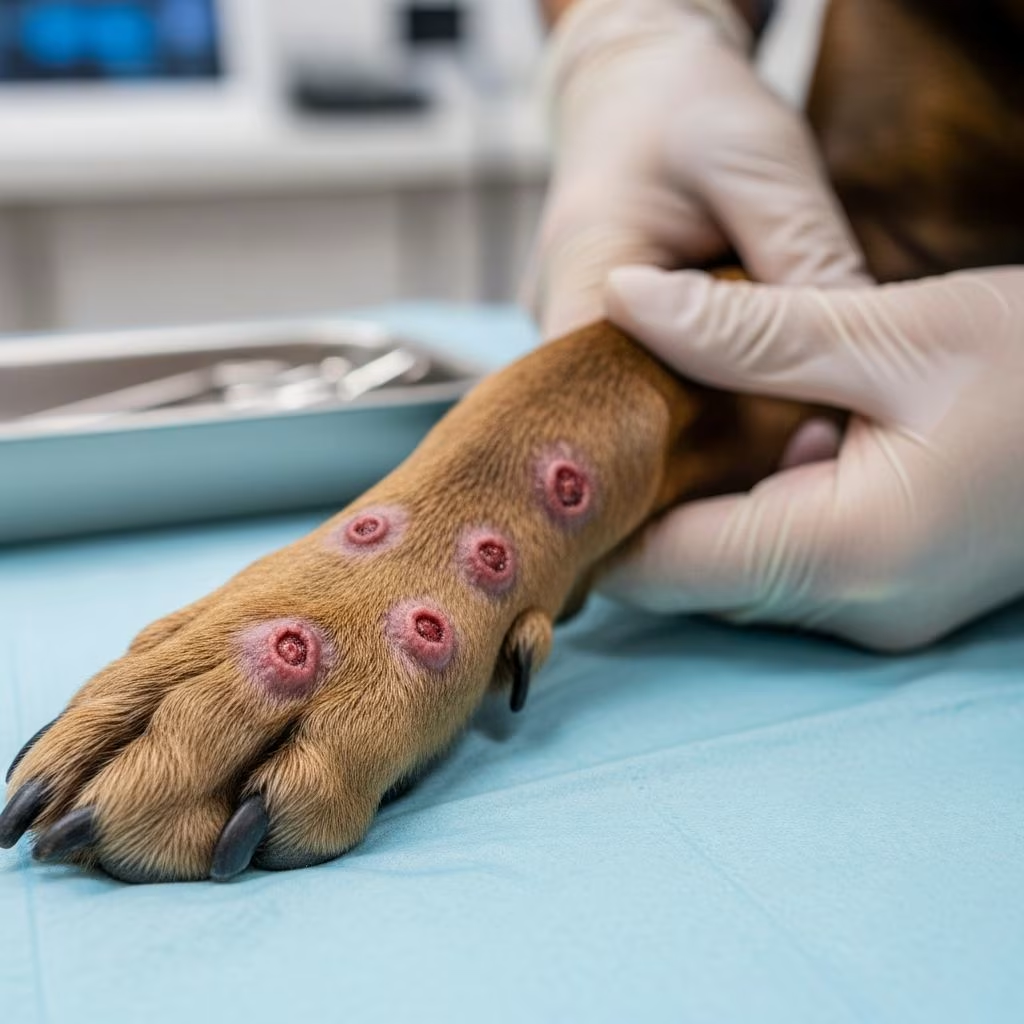
What Is Alabama Rot and How Does It Affect Dogs?
Alabama Rot is a serious canine condition formally known as Cutaneous and Renal Glomerular Vasculitis (CRGV). This disease specifically targets the tiny blood vessels found throughout a dog’s skin and kidneys. When a dog develops this condition, microscopic blood clots form within these vessels, blocking proper blood circulation and causing tissue damage in affected areas. The disease was first documented in Greyhounds in the United States during the 1980s, but has since been recognized in canine populations across the United Kingdom and other regions.
What makes Alabama Rot particularly concerning is its rapid progression. Unlike many chronic diseases in dogs, this condition can cause severe organ dysfunction within just a few days of initial symptoms appearing. In its most severe form, Alabama Rot can lead to acute kidney injury and potentially fatal kidney failure if not addressed promptly through veterinary intervention.
Recognizing the Early Warning Signs
Early detection of Alabama Rot is crucial for improving outcomes. Dog owners should be vigilant about observing their pets for the following initial indicators:
- Small red sores or ulcerated patches on the skin, typically appearing first on the lower legs and paws
- Visible swelling and unexplained redness in isolated areas of the body
- Lesions that may resemble minor cuts, insect bites, or abrasions but appear without obvious injury
- Skin sores occasionally appearing on the face, chest, abdomen, or inside the mouth
- Increased licking or attention to the paws and lower limbs
These skin manifestations represent the disease’s initial phase and typically appear first before any systemic symptoms develop. It is important to note that the majority of skin sores and lesions in dogs are caused by other conditions, so the presence of these signs does not automatically indicate Alabama Rot. However, unexplained sores warrant prompt veterinary evaluation.
Systemic Symptoms and Secondary Complications
As Alabama Rot progresses beyond the initial skin lesions, dogs may exhibit broader health changes affecting their overall behavior and bodily functions. These secondary symptoms often indicate that the disease is advancing to affect the kidneys and other organ systems.
Behavioral and Appetite Changes
Affected dogs frequently experience noticeable shifts in their normal routines and eating habits. Dogs with developing Alabama Rot may suddenly lose interest in food, refuse meals they typically enjoy, or show reluctance to eat their regular portions. Beyond appetite changes, many dogs become noticeably lethargic, lacking their usual energy and enthusiasm for activities they normally enjoy. Some dogs exhibit general malaise, appearing unwell without obvious external signs of injury or illness.
Gastrointestinal Distress
Vomiting is a common symptom that can appear either early in the disease progression or as kidney function begins to deteriorate. Some dogs also experience diarrhea as the disease advances. These gastrointestinal symptoms warrant immediate veterinary attention, particularly when they occur in conjunction with other warning signs.
Changes in Drinking and Urination Patterns
As Alabama Rot affects kidney function, dogs may begin drinking more water than usual in response to kidney damage. Conversely, some dogs may urinate less frequently or in smaller quantities, indicating compromised kidney output. These changes in normal elimination patterns are particularly important warning signs because they suggest progression from skin involvement to systemic organ involvement.
The Timeline of Disease Progression
Understanding how quickly Alabama Rot typically progresses can help owners recognize when urgent veterinary care is needed. Research from veterinary sources indicates that skin lesions usually appear first, with kidney involvement following a fairly predictable pattern.
| Disease Stage | Typical Timeline | Common Symptoms |
|---|---|---|
| Initial Phase | Days 1-3 | Skin sores, redness, and swelling on legs and paws |
| Early Progression | Days 3-7 | Lethargy, loss of appetite, vomiting may begin |
| Kidney Involvement | Days 3-13 (average 3 days after skin lesions) | Kidney dysfunction signs: weakness, increased thirst, decreased appetite |
| Advanced Stage | Beyond Day 13 | Acute kidney failure symptoms, potential organ collapse |
While this timeline represents the typical progression pattern, individual cases can vary significantly. Some dogs may develop kidney problems more rapidly, while others may have an extended window between skin lesions and systemic symptoms. This variability underscores the importance of seeking veterinary attention at the first sign of suspicious skin lesions.
Risk Factors and Environmental Considerations
Although the exact cause of Alabama Rot remains unknown, research and veterinary observations have identified certain patterns and potential risk factors that dog owners should understand.
Seasonal Patterns
Cases of Alabama Rot show a distinct seasonal variation. The majority of reported cases in the United Kingdom occur during winter and early spring months, specifically between November and May. Cases become considerably less frequent during summer months. This seasonal clustering suggests a possible environmental factor linked to specific weather conditions or seasonal activities, though the exact connection has not been definitively established.
Geographic Distribution
Within the United Kingdom, cases appear more frequently in certain regions. The south of England, particularly areas around the New Forest, has reported notably higher concentrations of confirmed and suspected cases. This geographic clustering further supports the theory of an environmental trigger, though the specific causative agent remains unidentified.
Environmental Exposure
Dogs walked regularly in muddy woodland areas, or those that enjoy rolling in mud, appear in case reports more frequently than dogs with minimal exposure to these environments. While this association has not been scientifically proven as a direct cause, the consistent pattern has led veterinary professionals to recommend precautionary measures for dogs with frequent woodland exposure. The leading but unproven theory suggests that a toxin produced by E. coli bacteria in muddy woodland environments might be responsible, based on observations from Alabama Rot cases in the United States.
Dog Breed and Age Considerations
Alabama Rot can affect dogs of any breed, size, or age. However, some reports note that the disease was originally identified in Greyhounds and may be more commonly documented in hunting and working dogs. This observation may reflect either genuine breed susceptibility or simply higher reporting rates in these populations. More research is needed to determine if certain genetic factors increase vulnerability to the disease.
Diagnostic Challenges and Veterinary Response
One significant challenge in managing Alabama Rot is the absence of a specific diagnostic test. Veterinarians cannot definitively confirm Alabama Rot through a single blood test or laboratory procedure in the way they might confirm bacterial infections or other diseases. Instead, diagnosis relies on clinical observation, symptoms, and the pattern of disease presentation.
Blood tests can reveal kidney damage and elevated kidney markers, indicating acute kidney injury, but these findings alone do not confirm Alabama Rot since kidney failure can result from many different causes. A veterinarian may suspect Alabama Rot based on the combination of unexplained skin lesions followed by acute kidney dysfunction, but definitive diagnosis can be challenging.
This diagnostic uncertainty means that any dog presenting with unexplained skin sores, particularly those in combination with behavioral changes or kidney dysfunction signs, should receive immediate veterinary evaluation. Early intervention, even without definitive diagnosis confirmation, may improve the dog’s chances of survival.
Treatment Options and Management Strategies
Currently, no specific cure or targeted treatment exists for Alabama Rot. Instead, veterinary management focuses on supportive care and symptom management while the dog’s immune system works to fight the infection.
Supportive Care Approaches
Dogs diagnosed with Alabama Rot or suspected of having the condition typically receive:
- Intravenous fluid therapy to support kidney function and maintain hydration
- Medications to manage pain and inflammation
- Nutritional support tailored to kidney function status
- Monitoring through regular blood work to track kidney markers
- Symptomatic treatment for vomiting, loss of appetite, and other complications
The severity of kidney damage at the time of diagnosis significantly influences treatment outcomes. Unfortunately, severely damaged kidney tissue cannot be repaired, which is why advanced cases often result in fatal outcomes despite aggressive supportive treatment.
Long-term Outlook
Some dogs with Alabama Rot may recover with supportive care, particularly if diagnosis occurs early before extensive kidney damage develops. Other dogs experience only skin lesions without progression to kidney involvement and recover completely without systemic complications. However, dogs with significant acute kidney injury face a poor prognosis, as the damaged tissue does not regenerate.
Prevention Strategies for Dog Owners
While no foolproof prevention method exists due to the unknown cause of Alabama Rot, dog owners can implement practical measures to potentially reduce exposure risk:
- Wash your dog’s legs, paws, and belly thoroughly after walks through muddy or wooded areas
- Check your dog daily for any unexplained sores, swelling, or skin lesions, particularly during winter and spring months
- Consider limiting woodland walks during peak risk months (November through May) if Alabama Rot cases have been reported in your region
- Maintain awareness of any Alabama Rot cases reported in your local area through veterinary clinics or pet health organizations
- Schedule regular veterinary check-ups so your vet can monitor for early signs of disease
When to Seek Emergency Veterinary Care
Dog owners should contact their veterinarian immediately if they observe:
- Unexplained skin sores, lesions, or ulcers that have no obvious cause
- Sudden changes in appetite or refusal to eat
- Vomiting or diarrhea accompanying skin symptoms
- Lethargy or unusual tiredness that persists for more than a day
- Changes in drinking or urination patterns
- Any combination of skin lesions with systemic symptoms
Early veterinary intervention can make a meaningful difference in disease outcomes, even when definitive diagnosis is uncertain. It is always better to have a veterinarian evaluate questionable symptoms than to delay seeking care.
Current Research and Future Directions
Veterinary researchers continue investigating Alabama Rot to identify its cause and develop effective treatments. Understanding the disease mechanism would enable development of targeted therapies and potentially preventive measures. Dog owners can support this research effort by ensuring cases are reported to veterinary professionals and by participating in any relevant research studies when possible.
Key Takeaways for Dog Owners
Alabama Rot remains a rare but serious condition that demands awareness and prompt response from dog owners. By understanding the symptoms, recognizing early warning signs, and seeking immediate veterinary care when symptoms appear, owners can give their dogs the best possible chance of recovery. Although the disease’s cause remains mysterious, basic preventive measures and vigilant monitoring represent the most effective tools available to dog owners today.
References
- Alabama Rot Symptoms — CRGV/Alabama Rot UK. 2025. https://www.alabama-rot.co.uk/alabama-rot-symptoms/
- Alabama Rot — Oakland Veterinary Centre. 2025. https://oaklandsvetcentre.co.uk/small-animals/pet-advice/dogs-and-puppies/alabama-rot/
- Treating Alabama Rot in Dogs — Blue Cross UK. 2025. https://www.bluecross.org.uk/advice/dog/health-and-injuries/alabama-rot-in-dogs
- Alabama Rot in Dogs: Symptoms & Treatment — Purina. 2025. https://www.purina.com/articles/dog/health/symptoms/alabama-rot
- Alabama Rot Awareness — MyVet Ireland. 2025. https://www.myvet.ie/news/179-alabama-rot-awareness
- Alabama Rot in dogs | What is this deadly disease? — Pet Health Club. 2023. https://www.youtube.com/watch?v=nLFdGzRPoZY
- Alabama Rot – Symptoms and Prevention — RSPCA. 2025. https://www.rspca.org.uk/adviceandwelfare/diseases/alabamarot
- Alabama Rot: what dog owners need to know — British Veterinary Association. 2025. https://www.bva.co.uk/news-and-blog/blog-article/alabama-rot-what-dog-owners-need-to-know/
- Alabama rot | Dog health – The Royal Kennel Club — The Royal Kennel Club. 2025. https://www.royalkennelclub.com/health-and-dog-care/health-dog-care/health/health-and-care/a-z-of-health-and-care-issues/alabama-rot/



