

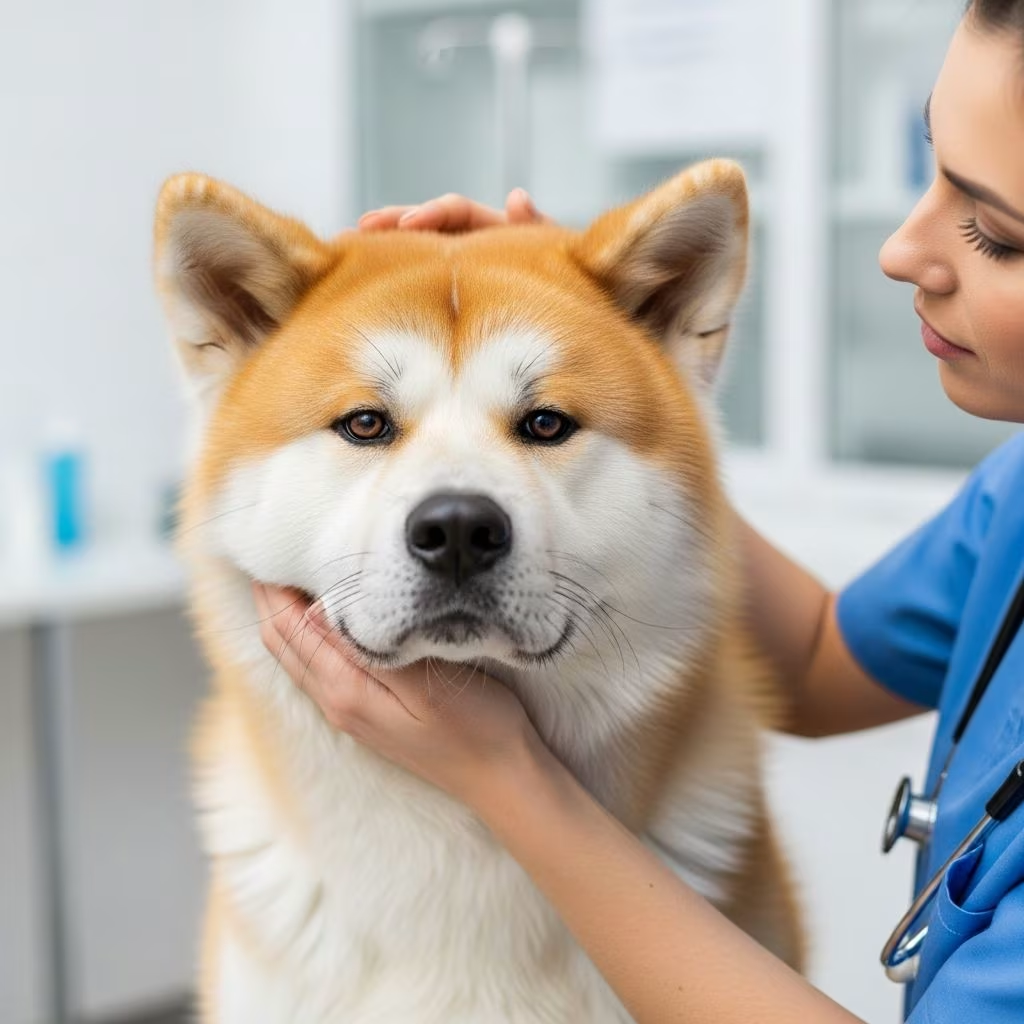
Akitas, renowned for their strength and loyalty, face several breed-specific health challenges due to their large size and genetic makeup. Understanding these risks empowers owners to provide targeted care, potentially extending their dog’s lifespan and improving quality of life. This article delves into the most prevalent conditions, drawing from veterinary expertise to outline symptoms, diagnostics, treatments, and prevention measures.
Joint and Mobility Concerns in Akitas
Large breeds like Akitas often contend with orthopedic issues stemming from rapid growth and heavy body weight. These problems can lead to chronic pain and reduced mobility if not addressed early.
Hip Dysplasia: A Leading Orthopedic Threat
Hip dysplasia occurs when the hip joint fails to develop properly, causing the ball and socket to grind abnormally. This leads to arthritis, lameness, and discomfort, particularly in middle-aged or older Akitas.
- Early Signs: Limping, reluctance to climb stairs, bunny-hopping gait, or pain when rising.
- Diagnosis: Involves X-rays and possibly PennHIP screening to assess joint laxity before symptoms appear.
- Management: Weight control, joint supplements like glucosamine, anti-inflammatory drugs, and surgery in severe cases such as total hip replacement.
Preventive breeding screens puppies for this heritable condition, reducing incidence in future generations.
Cranial Cruciate Ligament Injuries
Akitas’ straighter legs predispose them to cranial cruciate ligament (CCL) tears, akin to ACL ruptures in humans. Acute tears cause sudden hindlimb lameness, while partial tears develop gradually.
| Stage | Symptoms | Treatment Options |
|---|---|---|
| Acute | Sudden non-weight-bearing lameness, swelling | Surgery (TPLO or extracapsular repair), rest, pain meds |
| Chronic | Intermittent lameness, muscle atrophy | Physical therapy, stem cell injections, surgery |
Strengthening exercises and maintaining lean body weight help mitigate risks.
Endocrine Disorders Affecting Akitas
Hormonal imbalances disrupt metabolism, energy levels, and skin health in Akitas, often requiring lifelong management.
Hypothyroidism: The Silent Metabolic Issue
This condition arises when the thyroid gland underproduces hormones, impacting multiple systems. Akitas show a genetic predisposition, with symptoms appearing around 2-5 years old.
- Weight gain despite normal appetite
- Lethargy and heat intolerance
- Dry, flaky coat and recurrent infections
- Behavioral shifts like increased aggression
Blood tests measure thyroid levels for diagnosis. Daily oral levothyroxine restores balance, with regular monitoring to adjust dosage.
Skin and Autoimmune Conditions
Akitas’ thick double coat hides skin vulnerabilities, but autoimmune attacks on glands and tissues cause visible problems.
Sebaceous Adenitis: Gland Destruction
An immune-mediated disorder destroys sebaceous glands, leading to dry, scaly skin and hair loss. Akitas are notably susceptible.
- Symmetrical bald patches on head, back, tail
- Brittle, dull coat with dandruff
- Secondary bacterial infections
Treatment includes weekly medicated baths, omega-3 supplements, and immunosuppressants like cyclosporine. No cure exists, but consistent care maintains comfort.
Zinc-Responsive Dermatosis
Impaired zinc absorption causes crusty lesions, especially around eyes, mouth, and pads. Dietary imbalances exacerbate it in Akitas.
High-zinc diets or supplements resolve symptoms quickly. Rule out similar conditions via biopsy.
Uveodermatologic Syndrome (VKH)
This autoimmune disease targets pigment cells in eyes and skin, causing uveitis and depigmentation. Sun exposure worsens it.
- Eye redness, squinting, vision loss
- Lightening of nose, lips, eyelids
Immunosuppressive therapy like prednisone controls flares, with lifelong sun protection essential.
Pemphigus Foliaceus
Autoantibodies attack skin proteins, producing crusts and ulcers on nose, ears, and pads. Bacterial overgrowth follows.
Topical and systemic steroids, plus antibiotics, manage outbreaks. Early intervention prevents spread.
Cancer Risks in the Akita Breed
Akitas face elevated cancer rates, demanding vigilant monitoring for lumps and systemic signs.
Lymphoma and Lymphosarcoma
This lymphoid cancer affects lymph nodes, spleen, and organs. Akitas have higher incidence.
- Enlarged nodes, weight loss, lethargy
- Fever, appetite loss
Chemotherapy offers remission rates over 80%, though relapse occurs.
Osteosarcoma: Bone Cancer
Aggressive bone tumors in legs cause swelling and fractures. Metastasis to lungs is common.
Amputation or limb-sparing surgery plus chemo extends survival to 1+ years.
Gastrointestinal and Neurological Issues
Gastric Dilatation-Volvulus (GDV/Bloat)
Deep-chested Akitas risk stomach torsion, a surgical emergency. Feed multiple small meals and avoid exercise post-eating.
Symptoms: Distended abdomen, retching, collapse. Gastropexy surgery prevents recurrence.
Myasthenia Gravis
Neuromuscular transmission failure causes weakness, worsened by exercise. Acquired form predominates in Akitas.
Anticholinesterase drugs improve strength; monitor for megaesophagus complications.
Epilepsy and Seizures
Idiopathic epilepsy debuts in young adults, with generalized convulsions.
Phenobarbital controls most cases; video seizures for vet review.
Eye and Organ Health Challenges
Cataracts and PRA
Cloudy lenses and retinal degeneration threaten sight in seniors.
Surgery removes cataracts; no PRA treatment, but antioxidants slow progression.
Renal Dysplasia
Congenital kidney malformation leads to failure. Screen puppies via ultrasound.
Supportive care: Renal diets, fluids, blood pressure meds.
Proactive Care Strategies for Akita Owners
Annual vet exams, breed-specific screenings, and lifestyle tweaks form the cornerstone of prevention.
- Nutrition: Balanced, large-breed puppy food until 18 months; joint/skin supplements.
- Exercise: Moderate daily walks to build muscle without joint stress.
- Screenings: OFA hips/elbows, CERF eyes, thyroid panels.
- Grooming: Regular baths reveal skin issues early.
Frequently Asked Questions (FAQs)
How can I prevent hip dysplasia in my Akita puppy?
Choose breeders with OFA-certified parents, control growth with appropriate diet, and start joint supplements early.
Is hypothyroidism curable in Akitas?
No, but daily medication fully manages it, normalizing life expectancy.
What are the first signs of sebaceous adenitis?
Dull coat, scaling along the back, and flaky skin—consult a vet for skin scrapes.
Can Akitas live long with cancer?
With prompt chemo or surgery, many achieve 1-2 years of good quality life.
How to reduce bloat risk?
Feed from elevated bowls, avoid gulping food/water, and consider prophylactic gastropexy.
References
- 10 Akita Health Issues You Need to Know (Vet Answer) — Dogster. 2023. https://www.dogster.com/ask-the-vet/akita-health-issues-vet-answer
- Akita Dog Breed Health and Care — PetMD. 2024. https://www.petmd.com/dog/breeds/akita
- Akita Dog Guide | Complete Breed & Care Information — Millard Veterinary Clinics. 2023. https://www.millardveterinaryclinics.com/services/dogs/breeds/akitas
- Common health problems with Akitas — ManyPets. 2024. https://manypets.com/us/blog/most-common-health-problems-akitas/
- Health – The Akita Breed — Akita Club of America. 2023. https://akitas.org/the-akita-breed/health/



