

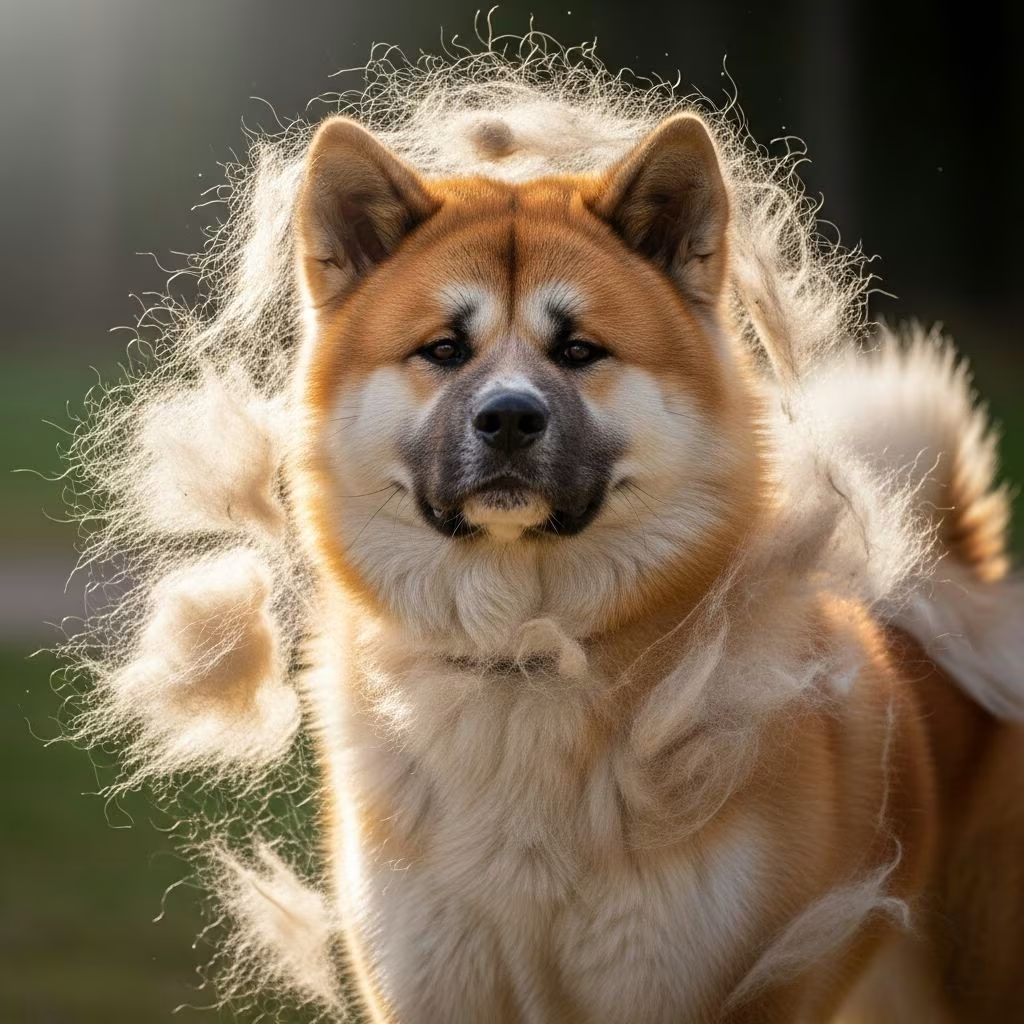
Akitas are among the most majestic dog breeds, renowned for their unwavering loyalty, courageous temperament, and striking physical presence. Their dense, weather-resistant double coat is a defining characteristic that has allowed them to thrive in harsh climates for centuries. However, this magnificent coat comes with a distinctive maintenance requirement that prospective and current Akita owners must understand: substantial seasonal shedding. Many people ask whether Akitas shed heavily year-round, and the answer is more nuanced than a simple yes or no. Understanding the patterns, causes, and management strategies for Akita shedding is essential for anyone considering or already owning this breed.
The Nature of Akita Coat Structure
Akitas possess a double-layered coat consisting of two distinct components that serve specific purposes. The outer layer features harsh, straight hairs that provide waterproofing and weather resistance, while the inner layer comprises soft, dense undercoat material that offers insulation and warmth. This dual-layer design originated from the breed’s heritage in the mountainous regions of Northern Japan, where temperatures could drop to -30 degrees Fahrenheit and environmental conditions were extraordinarily harsh. The breed developed this protective structure through generations of outdoor work and exposure to severe weather patterns.
The distribution of hair across the Akita’s body varies in length and density. Hair on the head, ears, and lower legs is relatively short, while the withers and rump feature slightly longer hair, approximately two inches in length. The tail displays the most profuse and longest hair on the body, though never with excessive ruffing or feathering that would compromise the breed’s streamlined appearance.
Seasonal Shedding Cycles: When Akitas “Blow” Their Coats
The term “coat blow” refers to a natural, cyclical shedding phenomenon that occurs in double-coated dog breeds, and Akitas experience this process with particular intensity. Rather than shedding consistently throughout the year, Akitas follow a predictable pattern tied to seasonal temperature changes.
The Two Primary Shedding Seasons
Akitas typically experience two major shedding events annually, occurring during the transitional months of spring and fall. During spring, as temperatures rise and daylight hours increase, Akitas shed their heavier winter undercoat to prepare for warmer weather. This allows the coat to become lighter and more breathable for the coming summer months. Conversely, in the fall, Akitas shed their lighter summer coat and replace it with a denser, warmer undercoat in preparation for winter conditions.
During these peak shedding seasons, the quantity of hair loss becomes substantial and highly visible. The undercoat sheds in considerable quantities, sometimes appearing as if the dog is releasing fur by the handful. Many owners describe this period as particularly challenging, with hair accumulating throughout the home and requiring intensive grooming interventions to manage effectively.
Year-Round Shedding Between Seasons
Outside of the two major shedding events, Akitas continue to shed moderately but at manageable levels. The American Kennel Club notes that Akitas shed minimally to moderately throughout the majority of the year, with the intensity varying based on individual factors. This year-round shedding is normal and healthy, as it represents the continuous replacement of the outer coat layer with new, healthy hair growth.
Factors That Influence Shedding Intensity
While seasonal changes are the primary drivers of Akita shedding, several additional factors can modulate the severity and timing of hair loss:
- Genetics and Individual Variation: The replacement speed of coat regrowth varies significantly based on an individual dog’s genetic makeup and overall health status. Some Akitas regrow their coats rapidly as shedding occurs, while others may appear nearly bald after the shedding process completes before new hair begins to develop.
- Climate and Living Conditions: Geographic location and local climate patterns can slightly shift the timing of shedding cycles. Indoor versus outdoor living arrangements may also influence shedding intensity and duration.
- Nutritional Status: A well-balanced diet containing appropriate vitamins, minerals, and quality proteins supports healthy skin and coat condition, potentially reducing excessive shedding.
- Hydration Levels: Proper water intake is crucial for maintaining skin health. Dehydrated skin becomes dry and flaky, which can trigger increased shedding and discomfort.
- Reproductive Cycles: Female Akitas may shed prior to estrus and again after breeding or during the spawning period. These hormonally-driven shedding events can be pronounced.
- Health Status and Allergies: Underlying health conditions or allergic reactions can exacerbate shedding beyond normal seasonal patterns.
Grooming Strategies for Managing Akita Shedding
Effective grooming is the cornerstone of managing Akita shedding and maintaining coat health. Different grooming approaches are necessary depending on the time of year and the intensity of shedding.
Brushing Frequency and Techniques
During peak shedding seasons, daily brushing is recommended to remove loose undercoat and prevent excessive hair accumulation throughout the home. Consistent daily brushing during the spring and fall coat blows can significantly minimize the amount of hair that ends up on furniture, clothing, and flooring. Outside of these peak periods, weekly brushing is typically sufficient to maintain coat condition and distribute natural skin oils that promote shine and health.
Thorough brushing serves multiple functions: it removes shed fur before it falls out naturally, prevents matting, reduces itching that occurs during shedding, and allows for inspection of skin health. Akitas may scratch themselves vigorously during shedding if the undercoat becomes itchy, and intensive brushing is the appropriate remedy.
Recommended Grooming Tools
Specific tools are particularly effective for managing Akita coats:
- Metal Combs: These tools help separate shed fur from the developing new coat and are excellent for detailed work.
- Pin Brushes: Effective for working through the double coat and removing undercoat material.
- Blow Dryers: A high-velocity blow dryer can accelerate the shedding process, forcing out loose undercoat more quickly. This technique is particularly useful during peak shedding seasons to expedite the coat replacement cycle.
- Undercoat Rakes: Specialized tools designed to penetrate the double coat and remove undercoat without damaging guard hairs.
Bathing Considerations
While regular brushing is essential, bathing should be approached thoughtfully. Bathing can loosen coat debris and may be beneficial during heavy shedding periods when combined with thorough brushing. However, excessive bathing can strip natural oils from the skin, potentially leading to dryness and increased shedding.
Supporting Coat Health Through Nutrition and Hydration
Proper grooming alone is insufficient for managing shedding effectively. Internal health factors play equally important roles.
Nutritional Requirements
A high-quality diet containing appropriate levels of protein, omega-3 and omega-6 fatty acids, and essential vitamins and minerals supports optimal skin and coat condition. Deficiencies in these nutrients can manifest as excessive shedding, dull coat appearance, and skin irritation. Consulting with a veterinarian about appropriate dietary choices ensures your Akita receives the nutritional foundation necessary for a healthy coat.
Hydration Management
Consistent access to fresh, clean water is fundamental for skin health and overall well-being. Water should be changed at least daily to ensure palatability and cleanliness. Depending on the season and activity level, Akitas will naturally consume varying amounts of water, but maintaining consistent availability is critical. Dehydration leads to dry skin, which can trigger or exacerbate excessive shedding.
Important Considerations: What Not to Do
Several common practices are counterproductive and should be avoided when managing Akita coats:
Shaving the Coat
Shaving an Akita’s coat is not recommended and can cause significant problems. The double coat provides natural sun protection, temperature regulation, and insulation. Shaving removes this protection and does virtually nothing to reduce long-term shedding, as the coat will regrow. Additionally, shaved coats may experience difficulty returning to normal density and texture, and the breed loses its distinctive appearance and natural advantages.
Excessive Bathing
While occasional bathing is acceptable, excessive bathing can dry out the skin and increase shedding rather than reduce it. Bathing should be infrequent unless medically necessary or to assist during peak shedding periods when combined with immediate thorough brushing.
When to Seek Veterinary Guidance
While shedding is completely normal in Akitas, certain circumstances warrant professional veterinary evaluation:
- Shedding that occurs outside the typical spring and fall windows without obvious cause
- Excessive itching, scratching, or skin irritation accompanying shedding
- Patchy hair loss or balding in specific areas
- Changes in coat quality, such as increased brittleness or loss of shine
- Skin flaking, redness, or signs of infection
- Behavioral changes suggesting discomfort or stress
These symptoms may indicate underlying health conditions, allergies, or nutritional deficiencies requiring professional assessment and treatment.
Frequently Asked Questions About Akita Shedding
Are Akitas considered heavy shedders?
Akitas shed moderately year-round with two intense shedding seasons annually, making them significant shedders overall. They are not the heaviest shedding breed, but owners should expect noticeable hair loss, particularly during spring and fall transitions.
How long do Akita shedding seasons typically last?
The duration of peak shedding periods varies between individual dogs, but typically lasts several weeks to a couple of months. The timing may shift slightly depending on climate, indoor versus outdoor living arrangements, and individual genetics.
Is excessive itching normal during Akita shedding?
Some itching is normal during shedding as the undercoat loosens and new hair grows in. However, excessive scratching or signs of skin irritation warrant veterinary evaluation to rule out allergies or other dermatological conditions.
Can diet changes reduce Akita shedding?
A high-quality, nutritionally complete diet supports healthy skin and coat, potentially reducing excessive shedding caused by nutritional deficiencies. However, normal seasonal shedding cannot be eliminated through diet alone, as it is a natural biological process.
Do male and female Akitas shed differently?
Male Akitas shed their undercoat and then their top coat in predictable cycles. Female Akitas may experience additional shedding events related to reproductive cycles, such as prior to estrus or after breeding.
Conclusion
Akita shedding is a natural, predictable, and manageable aspect of breed ownership. Understanding that these dogs shed minimally to moderately year-round but intensively during spring and fall allows owners to prepare appropriately and implement effective management strategies. A comprehensive approach combining regular brushing with appropriate tools, quality nutrition, proper hydration, and consistent grooming practices will minimize shedding-related challenges while promoting optimal coat health and appearance. By respecting the Akita’s natural biological processes rather than attempting to eliminate shedding through potentially harmful interventions like shaving, owners can enjoy the distinctive beauty of this remarkable breed while maintaining a reasonably clean home environment.
References
- Do Akitas Shed a Lot? Facts & Grooming Tips — Dogster. 2024. https://www.dogster.com/dog-health-care/do-akitas-shed-a-lot
- Akita Inu Grooming: Tips for Coat Care and Shedding — The Akita Inu. 2024. https://theakitainu.com/akita-inu-grooming/
- Heaviest Shedding Breeds — Continental Kennel Club. February 2023. https://ckcusa.com/blog/2023/february/heaviest-shedding-breeds/
- Akita Shedding: Here’s How Much And 5 Best Tips To Manage — YouTube. 2024. https://www.youtube.com/watch?v=a9rCXqs_ndE
- Akita Dog Breed and Characteristics — Showsight Magazine. 2024. https://showsightmagazine.com/dog-breeds/akita/
- Akita Dog Breed Health and Care — PetMD. 2024. https://www.petmd.com/dog/breeds/akita



