

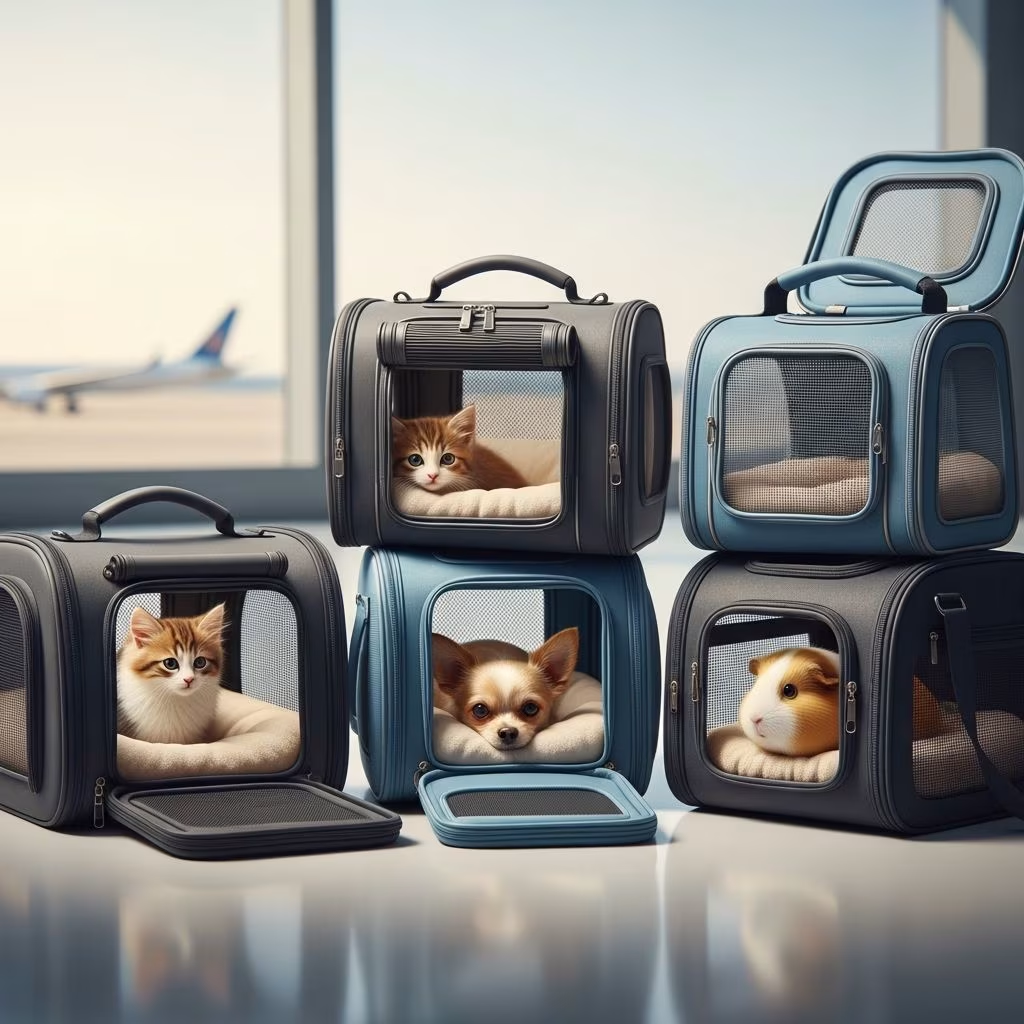
Taking Off Safely: Your Guide to Airline-Approved Small Pet Carriers
Traveling with your beloved small pet requires careful planning and the right equipment. One of the most critical decisions you’ll make is selecting an airline-approved pet carrier that meets safety standards and airline regulations. Whether you’re flying with a small dog, cat, or bird, choosing the correct carrier ensures your pet’s comfort and safety while maintaining compliance with airline policies. This comprehensive guide explores five excellent airline-approved small pet carriers and provides essential information to help you prepare for air travel with your furry or feathered companion.
Understanding Airline-Approved Pet Carriers
Before selecting a specific carrier, it’s important to understand what “airline-approved” actually means. Many pet owners believe that an airline-approved label guarantees acceptance on every flight, but this is a common misconception. An airline-approved pet carrier simply means the design follows general safety principles and meets the guidelines of most major carriers. However, each airline retains the final decision about whether a carrier fits under the seat and meets their specific ventilation requirements.
When sellers advertise products as “IATA-approved” or “officially certified,” be cautious—no such official certification actually exists. The International Air Transport Association (IATA) establishes guidelines for live animal transport, but airlines apply these standards differently based on their aircraft and cabin configurations. Always verify your chosen carrier’s dimensions and design specifications with your specific airline before purchase.
Key Specifications to Look For
Most major airlines allow pets in cabin if they meet these general requirements:
– Soft-sided or flexible carriers that fit comfortably under the seat in front of you
– Maximum combined weight of pet and carrier typically not exceeding 18-20 pounds
– Proper ventilation with mesh panels or openings on multiple sides
– Dimensions generally around 17-18 inches long, 11-13.5 inches wide, and 9.5-11 inches tall
– Comfortable fit allowing your pet to stand, turn around, and lie down safely
Airline-Specific Requirements
Different airlines have slightly different policies for in-cabin pet travel. Understanding these differences helps you select a carrier that works across multiple carriers or choose one tailored to your primary airline.
| Airline | Maximum Size | Weight Limit | Key Requirements |
|---|---|---|---|
| Delta Air Lines | 18 × 11 × 11 inches | 20 lbs | One pet per passenger; soft-sided ventilated kennel |
| United Airlines | 18 × 11 × 11 inches | 18 lbs | Soft and hard-sided carriers allowed |
| Alaska Airlines | 17 × 11 × 9.5 inches | 20 lbs | Space varies by aircraft type |
| American Airlines | Fits under seat | 20 lbs (pet + carrier) | Small soft-sided carriers in cabin |
| Air Canada | Under seat fit | 14 kg per pet (soft-sided only) | Must be soft-sided, flexible carriers as of June 1, 2025 |
Important: Always reconfirm these specifications when you book your flight, as aircraft substitutions can change available under-seat space slightly.
Features of Top-Rated Airline-Approved Pet Carriers
When evaluating airline-approved small pet carriers, consider these important features that ensure both safety and comfort:
Soft-Sided Construction
Most airlines now require or strongly prefer soft-sided carriers for in-cabin travel. These carriers are typically made from durable, flexible materials that collapse partially for storage and conform to airline under-seat dimensions. Soft-sided carriers provide adequate ventilation through mesh panels while protecting your pet during handling and turbulence.
Proper Ventilation
Adequate airflow is essential for your pet’s safety and comfort during flight. Top-rated carriers feature mesh panels on multiple sides—typically front, back, and sides—allowing continuous air circulation. This ventilation design prevents your pet from becoming overheated or stressed during the flight.
Comfortable Interior Space
Your pet should be able to stand, turn around, and lie down within the carrier without body parts extending outside. Carriers with padded bottoms and soft interior linings provide comfort during travel, and some include removable, washable pads for easy cleaning.
Secure Closures and Handles
Quality carriers feature secure zippers or closures that prevent accidental opening, along with sturdy handles for easy transport. When boarding, use the handle (not shoulder straps) to slide the carrier into the under-seat space.
Easy Access and Cleaning
Top-rated carriers often include top-opening zippers and side openings for easier pet insertion and removal. Additionally, removable and washable interior padding makes maintaining hygiene simple.
Safety and Compliance Considerations
Mandatory Labeling Requirements
Airlines and airport staff must quickly identify animal containers. IATA requires specific labeling on carriers:
– A “LIVE ANIMALS” label on at least two opposite sides
– “THIS WAY UP” arrows on two sides showing correct orientation
– Your pet’s name written visibly to help handlers speak calmly to the animal
– Labels printed, stickers, or tags that do not cover ventilation openings
– Optional reflective tape for visibility in dim cargo areas
Health and Documentation Requirements
Beyond the carrier itself, you’ll need proper documentation for air travel:
– A health certificate from your veterinarian confirming your pet is fit to fly- Updated vaccinations, particularly rabies- Pet identification with microchip or collar tag- Reconfirmation with the airline 48 hours before departure
Age Requirements
Most airlines require pets to be at least 8-10 weeks old and fully weaned before cabin travel. Young animals may not be physiologically ready for air pressure and temperature changes during flight.
Preparing Your Pet for Air Travel
Pre-Flight Acclimation
Before your trip, help your pet become comfortable with their carrier. Leave the carrier out at home for several weeks prior to travel, allowing your pet to explore and rest inside voluntarily. This reduces stress and makes airport procedures less frightening.
Exercise and Feeding Schedule
On travel day, provide moderate exercise to help your pet relax during the flight. Avoid heavy meals close to departure time to reduce motion sickness risk, but ensure your pet stays hydrated.
Travel Day Routine
Follow this step-by-step schedule for smooth airport procedures:
– Arrive 2 hours before domestic flight departure
– Check in with agents who verify your carrier meets airline specifications
– At security, carry your pet through the scanner while the empty carrier passes through X-ray
– Proceed to boarding and keep your pet inside their carrier until seated
– Slide the carrier under the seat and keep it closed throughout the flight
– Wait until you exit the aircraft before opening the carrier
Special Considerations for Different Pet Types
Small Dogs
Small dog breeds weighing under 20 pounds are ideal candidates for in-cabin travel. Select carriers with secure closures to prevent escape, and consider breeds prone to anxiety—these dogs may benefit from calming aids recommended by your veterinarian. Air Canada allows up to 2 small dogs (each under 31 lbs) in one carrier if they’re accustomed to cohabitation, though the fee applies twice.
Cats
Cats are equally welcome in-cabin as long as they meet weight and size requirements. Some cats find carriers stressful, so extra acclimation time is beneficial. Ensure the carrier has adequate ventilation, as cats can become overheated quickly.
Small Birds and Other Animals
Household birds including parrots and finches can travel in-cabin on Delta and some other carriers. These pets require appropriately-sized carriers with secure perches and water access. Consult your airline about specific requirements for less common pets.
Cargo Hold Travel for Larger Pets
Pets exceeding cabin weight and size limits must travel in the cargo hold below deck. These animals require heavy-duty plastic travel crates with metal vents, and airlines inspect latches and water bowls before loading. Always confirm that the compartment is pressurized and climate-controlled. United Airlines allows up to 2 pets per person if you purchase separate seats for each, with restrictions on certain aircraft types.
Common Questions About Airline Pet Carriers
Q: Can I use any pet bag on a plane?
A: No. Your carrier must meet specific airline dimensions, weight limits, and ventilation requirements. Using an unapproved carrier may result in your pet being denied boarding.
Q: Will every airline accept the same carrier design?
A: No. While carriers meeting general IATA guidelines are accepted by most airlines, slight policy differences exist. Always verify with your specific airline before purchase.
Q: Can I reuse the same carrier for multiple pets?
A: Yes, as long as the carrier meets the airline’s dimension requirements and both pets fit comfortably inside. Air Canada permits 2 compatible dogs in one carrier if each weighs under 31 pounds.
Q: What if my pet is too large for cabin travel?
A: Larger pets must travel in the pressurized and climate-controlled cargo hold. They require rigid plastic, metal, or wooden kennels with metal grated doors. Note that American Airlines only accepts checked pets for active-duty military and U.S. State Department personnel on official orders.
Q: How far in advance should I notify the airline about my pet?
A: Contact your airline as early as possible when booking. Many airlines restrict the number of animals per flight, so advance notice improves approval chances. Reconfirm at least 48 hours before departure.
Q: Are there breed or age restrictions?
A: Yes. Most airlines require pets to be at least 8-10 weeks old and fully weaned. Additionally, pets under 4 months old, sick, pregnant, violent, or dead animals are not permitted.
Q: What documentation do I need?
A: You’ll need a health certificate from your veterinarian, proof of vaccinations, pet identification, and airline approval confirmation. For international travel, research destination-specific requirements for pet entry.
Conclusion
Selecting an airline-approved small pet carrier is one of the most important decisions you’ll make for air travel with your companion. By understanding airline specifications, choosing carriers with proper ventilation and construction, and preparing your pet adequately, you can ensure a safe and comfortable flight experience. Remember that “airline-approved” means the carrier meets general safety guidelines—always verify specific requirements with your chosen airline before booking. With the right carrier and preparation, traveling with your small pet can be a smooth, stress-free experience for you both.
References
- Airline Pet Carrier Dimensions and Approved IATA Standards — Travel Ready Pets. 2025. https://travelreadypets.com/airline-pet-carrier-dimensions/
- Pet Travel Overview — Delta Air Lines. 2025. https://www.delta.com/us/en/pet-travel/overview
- Traveler’s Pet Corner — IATA (International Air Transport Association). 2025. https://www.iata.org/en/programs/cargo/live-animals/pets/
- Pets – Travel Information — American Airlines. 2025. https://www.aa.com/i18n/travel-info/special-assistance/pets.jsp
- Travelling with Your Pet — Air Canada. 2025. https://www.aircanada.com/mx/en/aco/home/plan/special-assistance/pets.html
- Kennel Guidelines – Pets & Animals — American Airlines Cargo. 2025. https://www.aacargo.com/learn/animals-kennel-guidelines.html
- How to Travel with Your Pet — Volaris. 2025. https://cms.volaris.com/en/travel-info/optional-services/fly-with-your-pet/



