

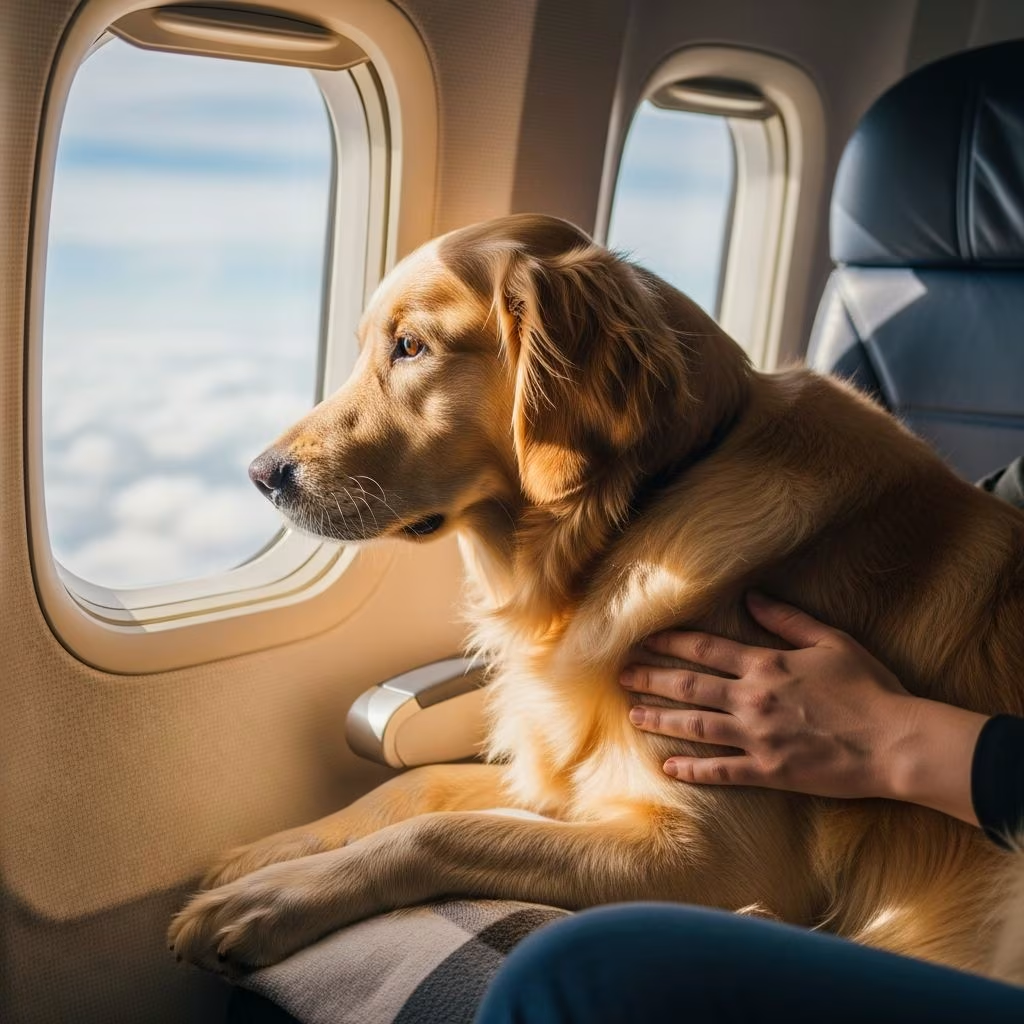
Traveling by plane with a dog that experiences high levels of anxiety requires thoughtful planning and proactive steps to minimize stress. Many dogs face overwhelming stimuli like loud engines, crowded terminals, and confined spaces during flights, but with the right preparation, you can significantly improve their comfort and safety. This guide outlines comprehensive strategies drawn from veterinary insights and pet travel best practices to help your furry companion navigate air travel more calmly.
Understanding Why Dogs Get Anxious on Planes
Dogs often develop anxiety during air travel due to unfamiliar noises, changes in pressure, separation from owners, and restrictive environments. Small breeds might fit in the cabin, but larger ones could end up in cargo, amplifying fears. Recognizing these triggers allows owners to target specific interventions. For instance, the unfamiliar rumble of engines or sudden altitude shifts can mimic threats in a dog’s natural instincts, leading to panting, whining, or trembling.
Environmental factors at airports, such as bustling crowds and echoing announcements, compound the issue. Studies on animal stress responses indicate that cortisol levels spike in such scenarios, affecting behavior long-term if not managed. Early identification of your dog’s specific stressors—whether noise, confinement, or motion—forms the foundation for effective countermeasures.
Pre-Flight Preparation Strategies
Success in flying with an anxious dog hinges on preparation weeks or months ahead. Start by simulating travel conditions at home to build positive associations and resilience.
- Introduce the Carrier Early: Select an airline-approved carrier that allows your dog to stand, turn, and lie down comfortably. Gradually increase time spent inside with high-value treats, toys, and your worn clothing for familiar scents. Practice carrying or wheeling the carrier to mimic handling.
- Airport Familiarization Visits: Take short trips to the airport perimeter for walks, exposing your dog to plane sounds and sights without the pressure of travel day. Reward calm behavior to rewire fear responses.
- Exercise Regimen: Implement daily vigorous activities like runs or fetch sessions in the weeks leading up. A physically exhausted dog is more likely to rest during the flight.
These steps employ counterconditioning, where positive rewards replace negative reactions, proven effective in behavioral training for pets.
Choosing the Right Flight and Airline
Not all flights or carriers treat pets equally. Opt for direct routes to avoid layovers, which involve extra handling and wait times that heighten stress. Research airlines with pet-friendly policies: some allow small dogs in-cabin under seats, while others restrict cargo for brachycephalic breeds due to breathing risks at altitude.
| Airline Considerations | Pros | Cons |
|———————|——|——|
| Direct Flights | Fewer transfers, less handling | May cost more |
| Cabin Travel (Small Dogs) | Stay with owner, controlled environment | Size/weight limits |
| Cargo Hold (Larger Dogs) | Necessary for big breeds | Temperature/pressure concerns, separation |
| Pet-Friendly Airlines | Dedicated policies, tracking | Availability varies |
Book early, especially for peak seasons, and confirm requirements like health certificates issued within 10 days of travel.
Packing Essentials for Comfort
Your dog’s carrier becomes a portable safe haven, so pack thoughtfully. Include absorbent pads for accidents, a spill-proof water bowl, and thin familiar bedding—avoid bulky items that could obstruct airways.
- Favorite thin blanket or t-shirt with your scent for reassurance.
- High-value, non-messy treats or chews for rewards.
- Collapsible food/water dishes and a few kibble pieces for puppies.
- ID tags, vaccination records, and a recent photo.
Feed a light meal 4-6 hours before departure to prevent nausea, and ensure hydration up to boarding. Prohibit loose toys in cargo to avoid hazards.
Navigating Airport Logistics Calmly
Airports demand a structured approach. Arrive 2-3 hours early for buffer time. Keep your dog in the carrier through check-in and security to shield from stimuli—most allow carriers through scanners with dogs removed briefly.
Exercise upon arrival: a brisk walk burns energy and allows potty breaks. Stay composed; dogs mirror owner tension. Cover the carrier partially to dim lights and reduce visual overload from crowds.
In-Flight Management Techniques
Once airborne, maintain calm. For cabin travel, place the carrier under the seat with ventilation facing up. Speak softly, offer treats during takeoff/landing pressure changes, and avoid forcing interaction if hiding is preferred.
Bulkhead or window seats provide space. Drape a light cloth over the carrier for privacy. Monitor for distress signs like excessive panting, adjusting with gentle reassurance.
Safe Calming Aids and Veterinary Input
Sedation poses risks like respiratory depression at altitude, so the American Veterinary Medical Association strongly advises against it for air travel. Airlines often require affidavits confirming no sedatives.
Instead, consult your vet for non-sedating options:
- Natural supplements like chamomile or L-theanine-based chews.
- Pheromone collars or sprays mimicking calming maternal scents.
- Over-the-counter antihistamines like Benadryl (vet-dosed, e.g., 1mg/lb) for mild anxiety, not true sedation.
- CBD treats if legal and vet-approved, for some dogs.
Trial any aid weeks prior to gauge effects. Never experiment on travel day.
Cargo Travel Considerations for Larger Dogs
For dogs too big for cabin, cargo holds are pressurized and temperature-regulated, but anxiety persists from isolation. Use a sturdy, labeled crate with live animal stickers. Track via airline apps, and opt for daytime flights when holds are warmer.
Discuss with your vet: health checks ensure fitness for altitude. Some owners choose ground transport for long hauls if feasible.
Post-Flight Recovery and Debrief
Upon landing, move swiftly but calmly to a quiet area for decompression. Offer water, a short walk, and quiet time. Monitor for lingering stress like appetite loss or lethargy, consulting a vet if needed.
Reflect on the trip: note what worked for future travels. Gradual reintroduction to routine aids recovery.
Frequently Asked Questions (FAQs)
Can I sedate my dog for a flight?
No, veterinary associations recommend against it due to health risks at altitude.
What size carrier is best?
One allowing stand/turn/lie comfortably, meeting airline specs.
Is cargo safe for anxious dogs?
It’s regulated but stressful; cabin is preferable when possible.
How to handle security with my dog?
Remove from carrier if required, carry through scanner, re-secure quickly.
What if my dog has separation anxiety?
Cabin travel with scent items helps; vet aids for severe cases.
Final Thoughts on Making Flights Bearable
With consistent preparation, most anxious dogs can endure flights better. Prioritize cabin when possible, layer comforts, and seek professional advice. Safe travels with your pup!
References
- Flying With an Anxious Dog: 9 Vet-Approved Tips — Dogster. 2023. https://www.dogster.com/dog-health-care/flying-with-an-anxious-dog
- Flying with Anxious Dogs in the Cabin: A Pet Flight Nanny’s Guide — Purple Pup. 2023. https://www.purplepup.net/post/flying-with-anxious-dogs-in-the-cabin
- The Ultimate Guide to Air Travel with Your Dog — Kradle My Pet. 2023. https://kradlemypet.com/blogs/cbd/how-to-air-travel-with-your-dog
- 7 Ways to Comfort Your Dog While Flying — PetMD. 2023. https://www.petmd.com/dog/slideshows/7-ways-comfort-your-dog-while-flying
- How to Fly with your Dog — Small Door Veterinary. 2023. https://www.smalldoorvet.com/learning-center/wellness/fly-with-dog



