

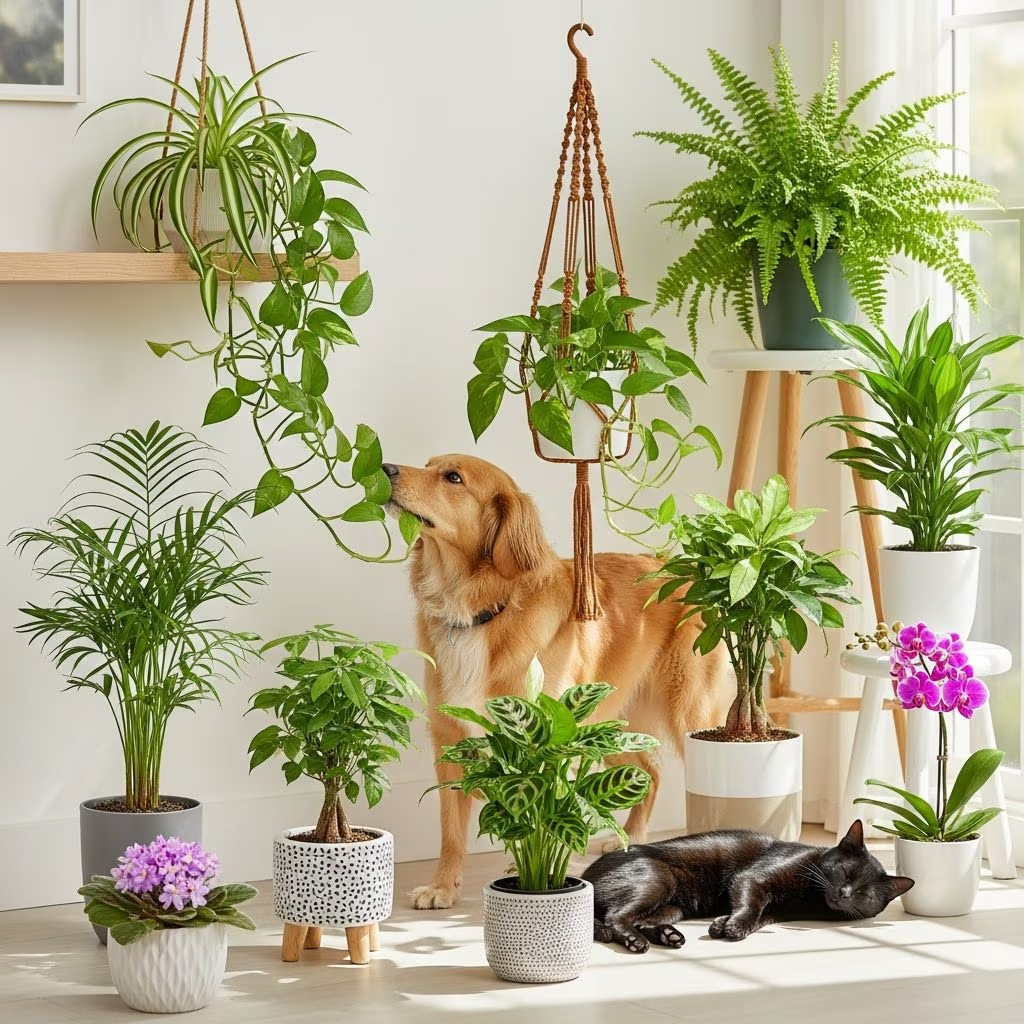
9 Air-Purifying Plants Safe for Dogs and Cats
Because we and our pets spend much of our time indoors, having air-purifying plants in our homes makes sense. But not all plants are pet-friendly. Some are toxic and can cause illness, or worse, if ingested. As long as you know which air-purifying plants are safe for your cat or your dog, and which ones you should avoid, you and your pet can breathe clean and easy.
Key Takeaways
- Selecting safe, low-maintenance air-purifying plants enhances indoor air quality without risking pet safety.
- Popular pet-safe air-purifying plants include bamboo palm, spider plants, succulents, and orchids.
- Certain plants can be highly toxic to pets, so always confirm safety before bringing a plant home.
Bamboo Palm
Also known as the parlor palm, the bamboo palm (Chamaedorea seifrizii) is a hardy, low-maintenance air purifying plant with a high shade tolerance. Its waxy green leaves might be tempting for a plant-partaking pet, and that’s perfectly fine. Bamboo palm plants are safe for dogs and cats, according to veterinary experts.
This tropical plant excels at removing toxins like formaldehyde and benzene from the air while maintaining its attractive appearance. The bamboo palm is an excellent choice for pet owners who want to improve their indoor air quality without worrying about accidental ingestion. You could place one in the part of a room where your pet’s bed is kept to provide a nature-inspired snooze spot.
Spider Plant
The humble spider plant, also known as Chlorophytum comosum, is another air purifying plant that is safe for pets. And bonus? It’s easy to maintain and makes a great beginner’s plant. Believe it or not, it actually thrives on neglect.
The spider plant prefers bright-to-moderate indirect light and will sprout clusters of small white flowers. This versatile plant removes formaldehyde, carbon monoxide, and xylene from your home’s air. Place it in a hanging basket or on a shelf near where you and your pet nap so you both can take in clean air while you snooze. The long, flowing leaves are attractive and non-toxic, though some pets may enjoy nibbling on the leaves, so monitor your furry friends accordingly.
Boston Fern
It might make you happy to learn that along with the Boston fern, almost all ferns are safe for dogs and cats. However, they have to be true ferns. For example, asparagus fern is not actually a fern and it’s toxic, so avoid this variety if you have pets.
The Boston fern (Nephrolepis exaltata) is particularly effective in removing formaldehyde and other volatile organic compounds from the air. If you’re in need of a plant to improve air quality but your space is short on sunlight, most ferns do well in low light. The Boston fern is a pet-friendly plant that can thrive in an area that doesn’t even get indirect sunlight, making it perfect for darker corners of your home.
Areca Palm
Also known as golden butterfly palm, cane palm, golden feather palm, and yellow palm, the areca palm is entirely pet-friendly. This air-purifying plant helps clear formaldehyde, xylene and toluene from the air and it looks pretty cool while doing it.
With its elegant, feathery fronds, the areca palm brings a tropical aesthetic to any room while actively improving your home’s air quality. This plant is safe for both dogs and cats, making it an ideal choice for multi-pet households. Its height and structure also make it a statement piece in your living space, adding visual interest while keeping your pets safe from toxins.
Succulents
Succulents can help improve your air quality and most are safe for dogs and cats, including Echeveria and Haworthia. Do note, though, that aloe plants are toxic to pets, so avoid bringing aloe vera into your home if you have furry companions.
Of course, what makes succulents such an attractive option is they’re generally much easier to keep alive for those of us whose green thumb doesn’t shine too bright. These drought-tolerant plants require minimal water and maintenance, making them perfect for busy pet owners. Place a small non-toxic succulent garden in your cat’s favorite windowsill. Just be sure to leave enough room for your feline to enjoy their sunny spot without disturbing the plants.
Prayer Plant
The prayer plant (Maranta leuconeura) is known for its beautiful, patterned leaves and air-purifying qualities, particularly in reducing formaldehyde. This plant’s distinctive foliage, which features striking leaf patterns and colors, makes it an aesthetically pleasing addition to any room. The prayer plant is non-toxic to both pets and children, making it safe for households with multiple family members and furry friends.
The plant’s non-spreading pollen makes it unlikely to trigger allergies in both humans and pets. Its low-growing habit makes it suitable for shelves or tables where pets can easily see but not easily access the foliage. The prayer plant prefers indirect light and moderate humidity, thriving in bathroom environments or near humidifiers.
African Violet
African violets (Saintpaulia) are excellent for indoor air quality, as they absorb dust and help increase moisture levels in the air. These delicate flowering plants produce beautiful blooms in shades of purple, pink, and white while maintaining non-toxic properties for your pets.
Known for being a low-pollen plant, the African violet makes a good option for allergy sufferers both human and animal. These plants are non-toxic to pets and add an elegant touch to your home décor. African violets prefer bright, indirect light and consistent moisture, making them ideal for indoor plant collections focused on pet safety.
Moth Orchid
Moth orchids (Phalaenopsis) possess air-purifying qualities, especially in removing volatile organic compounds. Known for their beautiful, long-lasting flowers that can bloom for months, these elegant plants bring sophistication to any space.
The moth orchid is non-pollinating and generally considered safe for people with allergies. These plants are safe for pets, including dogs and cats, making them perfect for allergy-prone households with furry companions. Their stunning blooms make them conversation starters, and their low-maintenance nature means even novice plant parents can keep them thriving for years.
Calathea
Calathea plants, known for their attractive foliage, are also effective at purifying the air by removing toxins. These visually striking plants feature beautiful leaf patterns and colors that range from deep purples to vibrant greens with intricate markings.
Safe for pets, including dogs and cats, Calathea plants are less likely to trigger allergies because they do not release excessive pollen. The plant’s decorative leaves make it an excellent choice for interior design while maintaining pet safety. Calathea prefers bright, indirect light and higher humidity levels, thriving in bathrooms or near humidifiers.
Can Indoor Plants Really Help Purify the Air?
Plants, along with proper air circulation, can help remove chemical contaminants such as benzene, formaldehyde and trichloroethylene, which are found in synthetic building materials. They also can help relieve burning eyes, breathing difficulties and associated symptoms.
The science behind plant air purification is well-established. Through a process called photosynthesis, plants absorb carbon dioxide and release oxygen while simultaneously filtering out harmful volatile organic compounds. This natural process makes indoor plants valuable allies in maintaining a healthy home environment for both humans and pets.
Studies have shown that having multiple air-purifying plants throughout your home can significantly improve air quality. When combined with proper ventilation and regular plant maintenance, these botanical air cleaners create a noticeably fresher indoor environment that benefits respiratory health for everyone in the household.
Air-Purifying Plants to Avoid If You Have Pets
There are other air-purifying plants that do a good job of cleaning the air, but aren’t pet-friendly. Dogs and cats can experience anything from mild illness to death, depending on the plant. Always verify plant safety before bringing any new greenery into your home.
Toxic plants to avoid include:
- Snake plants
- Rubber plants
- Weeping figs
- English ivy
- Jade
- Philodendrons
- Pothos plants
- Aloe vera
- Sago palm
- Oleander
- Dracaena
- Peace lily (toxic to cats only)
If your pet accidentally ingests any of these toxic plants, contact your veterinarian immediately. Symptoms of plant toxicity can include vomiting, diarrhea, lethargy, and loss of appetite. Time is critical in these situations, so prompt medical attention is essential to protect your loved ones.
Comparison of Pet-Safe Air-Purifying Plants
| Plant Name | Light Requirements | Maintenance Level | Primary Toxins Removed | Pet Safety |
|---|---|---|---|---|
| Bamboo Palm | Shade Tolerant | Low | Formaldehyde, Benzene | Safe for Dogs & Cats |
| Spider Plant | Bright-Moderate Indirect | Very Low | Formaldehyde, Carbon Monoxide, Xylene | Safe for Dogs & Cats |
| Boston Fern | Low Light | Moderate | Formaldehyde, VOCs | Safe for Dogs & Cats |
| Areca Palm | Bright Indirect | Low-Moderate | Formaldehyde, Xylene, Toluene | Safe for Dogs & Cats |
| Succulents | Bright Light | Very Low | General Air Quality | Safe (Except Aloe) |
| Prayer Plant | Indirect Light | Low-Moderate | Formaldehyde | Safe for Dogs & Cats |
| African Violet | Bright Indirect | Moderate | Dust & Moisture | Safe for Dogs & Cats |
| Moth Orchid | Bright Indirect | Moderate | Volatile Organic Compounds | Safe for Dogs & Cats |
| Calathea | Bright Indirect | Moderate | General Toxins | Safe for Dogs & Cats |
Frequently Asked Questions
Q: Are all ferns safe for my pets?
A: Almost all true ferns are safe for dogs and cats. However, some plants with “fern” in their name, like asparagus fern, are not actually true ferns and can be toxic to pets. Always verify the specific plant species before bringing it home.
Q: Can my pet get sick from eating non-toxic plants?
A: While non-toxic plants won’t cause poisoning, some pets may experience mild stomach upset from consuming large amounts of plant material. Monitor your pets and discourage excessive chewing when possible.
Q: Which air-purifying plants are easiest to care for?
A: Spider plants and succulents are the easiest to maintain, often thriving on minimal water and attention. These are excellent choices for beginners or busy pet owners.
Q: How many plants do I need to purify my home’s air?
A: Research suggests having multiple plants throughout your home, particularly one larger plant or several smaller plants per room, for noticeable air purification benefits. The exact number depends on room size and air quality needs.
Q: What should I do if my pet ingests a toxic plant?
A: Contact your veterinarian or an animal poison control center immediately. Provide information about which plant was ingested and when, as this helps determine the appropriate treatment.
Q: Can I place air-purifying plants in my pet’s bedroom?
A: Yes, pet-safe air-purifying plants are excellent additions to sleeping areas. Placing them near your pet’s bed allows them to benefit from cleaner air during rest. Just ensure the plant is positioned securely so it won’t tip over if your pet brushes against it.
Q: How do I know if a plant is truly pet-safe?
A: Consult multiple reliable sources, including the ASPCA’s list of toxic and non-toxic plants, veterinary resources, and plant identification guides. When in doubt, ask your veterinarian before bringing a new plant home.
Q: Do all air-purifying plants require high light?
A: No. Many pet-safe air-purifying plants thrive in low to moderate light, including Boston ferns and bamboo palms. This makes it easier to find suitable locations throughout your home for these beneficial plants.
References
- ASPCA Animal Poison Control Center: Toxic and Non-Toxic Plants — American Society for the Prevention of Cruelty to Animals. https://www.aspca.org/pet-care/animal-poison-control
- NASA Clean Air Study: Interior Landscape Plants for Indoor Air Pollution Abatement — Wolverton, B. C., Johnson, A., & Bounds, K. (1989). National Aeronautics and Space Administration. https://ntrs.nasa.gov/citations/19930073077
- Veterinary Information Network: Houseplant Toxicity — Veterinary Information Network, Inc. https://www.vin.com
- The Humane Society: Pet-Friendly Indoor Plants — The Humane Society of the United States. https://www.humanesociety.org
- Indoor Plants and Air Quality: Evidence and Recommendations — Srirastava, K. C., & Panda, D. (2005). Journal of Environmental Health. Indoor plant air purification mechanisms and effectiveness studies.



