

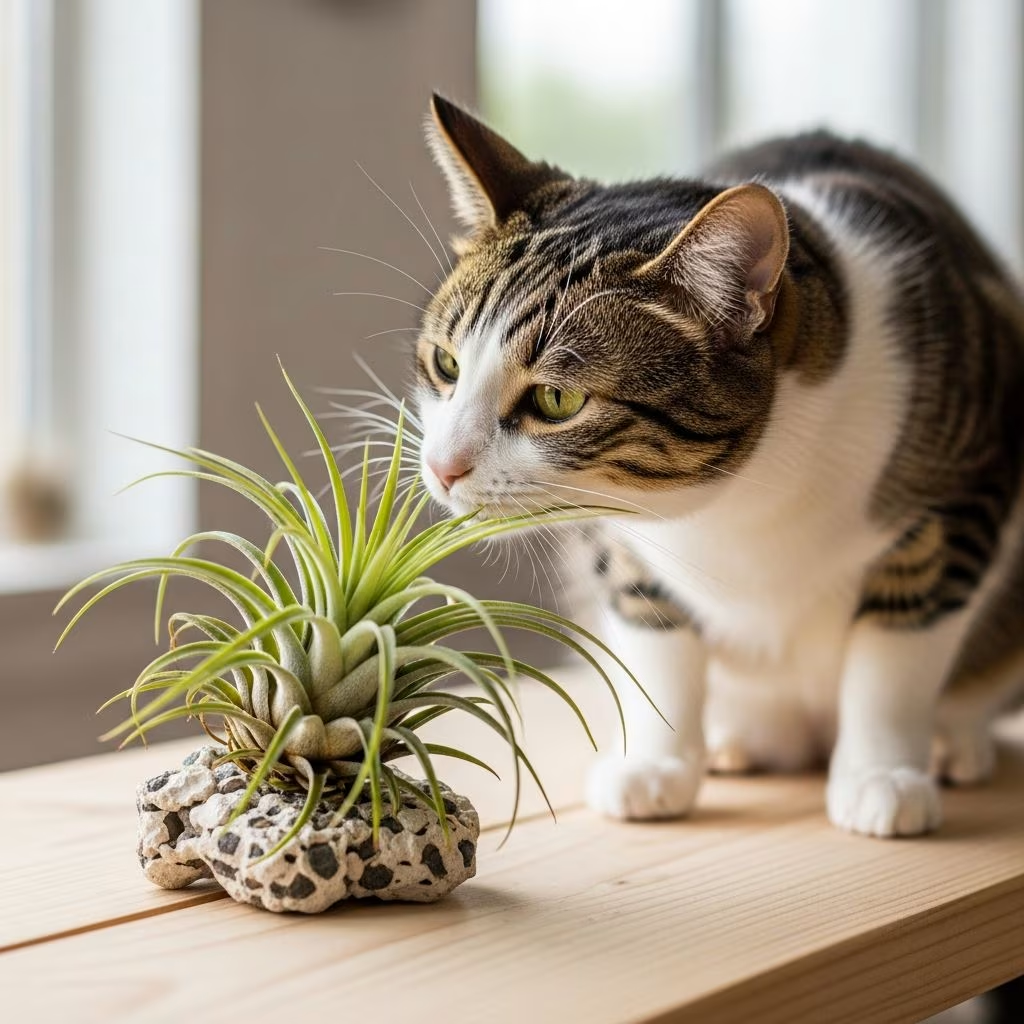
Air plants, known scientifically as Tillandsia species, have surged in popularity among indoor gardeners due to their unique ability to thrive without soil. These epiphytic wonders absorb moisture and nutrients directly from the air, making them ideal for creative displays in homes with pets. Cat owners often wonder if these striking plants pose any health threats to their curious feline friends. The reassuring answer is that air plants are completely non-toxic to cats, allowing you to enjoy their beauty without fear of poisoning.
Understanding the Allure of Air Plants
Belonging to the bromeliad family, air plants come in over 500 varieties, each boasting distinctive shapes, colors, and textures. From the spiky ionantha to the fluffy xerographica, they offer endless options for decoration. Unlike traditional potted plants, they don’t need soil, reducing mess and pests—perfect for cat households where knocking over pots is a common pastime.
Cats are instinctively drawn to plants for play, climbing, or nibbling, driven by their hunting heritage. Air plants’ soft leaves and airy positioning can intrigue felines, but their lack of harmful compounds ensures safety. While occasional chewing might occur, it typically leads only to minor, temporary discomfort rather than serious harm.
Why Air Plants Won’t Harm Your Cat
Multiple veterinary and botanical sources confirm that Tillandsia species contain no known toxins dangerous to cats. The ASPCA lists them as safe, and studies on houseplant toxicities exclude air plants from risky categories. Their nutrient absorption method means they don’t produce defensive chemicals like saponins or oxalates found in many other plants.
Even if a cat ingests parts of an air plant, the primary concerns are physical rather than chemical: sharp leaf edges might cause mouth irritation, or large pieces could lead to choking or mild stomach upset as the plant passes through the digestive system. These issues resolve naturally without intervention in most cases. For context, a peer-reviewed analysis of houseplant poisonings notes that non-toxic plants like air plants rarely require veterinary attention unless mechanical obstruction occurs.
Dangerous Houseplants to Avoid Around Cats
While air plants are a green light, many popular houseplants are red flags for cat safety. Awareness of these can prevent emergencies. Here’s a breakdown of common culprits:
| Plant Name | Toxic Parts | Symptoms in Cats | Severity |
|---|---|---|---|
| Lily (all true lilies) | Leaves, petals, pollen | Kidney failure, vomiting, lethargy | Fatal |
| Poinsettia | Sap, leaves | Irritation, vomiting, diarrhea | Mild to moderate |
| Philodendron | All parts (oxalates) | Mouth burning, drooling, swelling | Moderate |
| Snake Plant | Leaves (saponins) | Vomiting, diarrhea | Mild |
| Azalea | All parts | Vomiting, seizures, coma | Severe |
This table highlights plants frequently implicated in pet poisonings. Lilies top the list, with even pollen exposure proving lethal due to cats’ inefficient glucuronidation enzyme, leading to toxic metabolite buildup. Always research new additions via reliable databases before introducing them home.
How Plants Become Poisonous to Felines
Plant toxicity arises from specific biochemical defenses. Saponins, soap-like compounds in plants like snake plants, disrupt cell membranes, causing gastrointestinal distress. Oxalates in dumb cane or philodendron form sharp crystals that pierce tissues, inducing intense oral pain. Essential oils in lavender or eucalyptus overwhelm cats’ livers, which lack certain detoxifying enzymes.
Cats’ biology amplifies risks: their plant-eating is often exploratory rather than nutritional, and young or bored cats chew more. Indoor trends favor toxic species, increasing exposure. A study on pet toxicities emphasizes prevention through owner education.
Spotting and Responding to Plant Poisoning Signs
Early detection saves lives. Watch for:
- Vomiting or diarrhea: Often the first indicator of irritants.
- Excessive drooling or pawing at mouth: Signals oxalate damage.
- Lethargy or appetite loss: Indicates systemic effects.
- Breathing difficulties: Rare but critical, from oils or severe reactions.
- Redness/swelling around mouth: Physical irritation signs.
If suspected, don’t induce vomiting—contact a vet or pet poison hotline immediately. Provide plant details for accurate treatment. Activated charcoal or IV fluids may be needed for toxin absorption.
Creating a Cat-Friendly Greenery Haven
Safe plants enrich environments without risk. Beyond air plants, consider:
- Spider plants: Hardy, air-purifying, mildly laxative if eaten.
- Cat grass or wheatgrass: Encourages safe nibbling, aids digestion.
- Boston ferns: Lush but non-toxic.
- Parlor palms: Elegant and feline-safe.
Placement matters: suspend air plants high using wires, driftwood, or wall mounts. Provide cat shelves or toys to redirect energy. Weekly soaking for air plants (then drying) prevents mold, another cat hazard.
Caring for Air Plants in Pet Homes
Thriving air plants need bright indirect light, good airflow, and misting or bi-weekly baths. Shake off excess water to avoid rot. Fertilize monthly with diluted bromeliad formula during growth seasons. In cat zones, secure mounts against playful pounces—glue or zip ties work wonders.
Monitor for pests like mealybugs, treatable with neem oil (safe if dried). Rotate displays to keep things fresh, blending beauty with safety.
Frequently Asked Questions
Can cats eat air plants regularly?
Occasional nibbles are harmless, but discourage habit to prevent digestive upset or plant damage. Offer cat-safe alternatives like oat grass.
Are all Tillandsia varieties equally safe?
Yes, all 500+ species are non-toxic per ASPCA and veterinary consensus.
What if my cat vomits after chewing an air plant?
Likely from fiber volume; monitor hydration. Persisting symptoms warrant a vet check.
Is moss used with air plants toxic?
Most preserved mosses are safe in trace amounts, but opt for pet-safe types to avoid soil-derived contaminants.
How do I stop my cat from destroying plants?
Enrich environment with scratching posts, puzzle feeders, and vertical spaces. Citrus sprays deter without harm.
Pet-Safe Plant Selection Guide
Before buying, cross-reference ASPCA or similar lists. Prioritize natives or epiphytes. Group safe plants in ‘cat zones’ away from temptations. This proactive approach fosters a vibrant, secure home.
References
- Are Air Plants Toxic to Cats? Vet-Reviewed Houseplants — Catster. 2023. https://www.catster.com/cat-health-care/are-air-plants-toxic-to-cats/
- Toxicity of House Plants to Pet Animals — PMC – PubMed Central (National Library of Medicine). 2023-05-15. https://pmc.ncbi.nlm.nih.gov/articles/PMC10220692/
- Are Air Plants Toxic to Cats? Vet-Approved Health Facts — Hepper. 2023. https://articles.hepper.com/are-air-plants-toxic-to-cats/
- Are Air Plants Safe for Pets? A Pet Owner’s Guide to Tillandsias — Air Plants World. 2023. https://airplantsworld.com/are-air-plants-safe-for-pets-pet-friendly-plant-guide/
- Are Tillandsia Air Plants Toxic To Pets? — Air-Plants.com. 2023. https://www.air-plants.com/blogs/air-plant-encyclopedia/are-air-plants-toxic



