

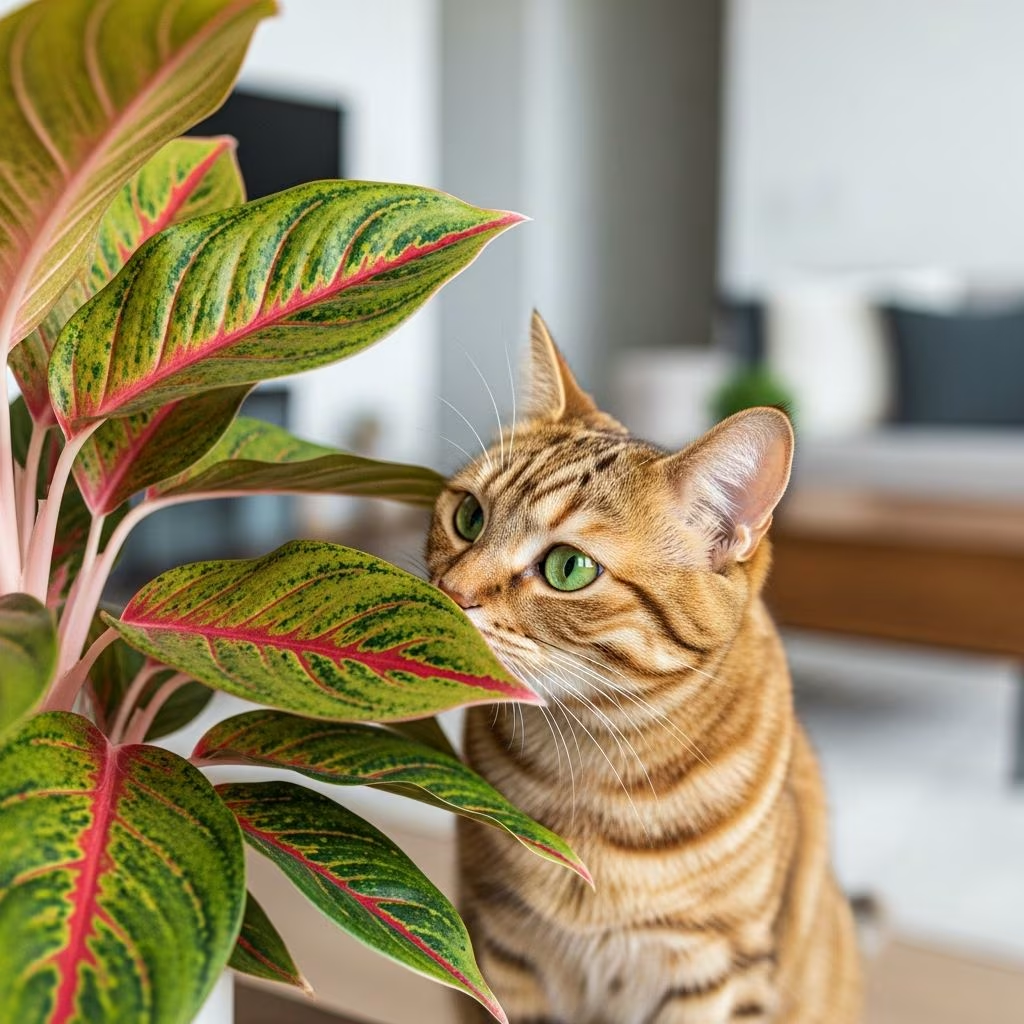
Houseplants like Aglaonema, commonly called Chinese evergreen, bring vibrant greenery indoors but can endanger curious cats. These resilient plants contain insoluble calcium oxalate crystals that irritate feline tissues upon ingestion, leading to discomfort and potential health issues. Understanding this toxicity helps cat owners make informed choices for a harmonious home.
Understanding Aglaonema: Appeal and Hidden Dangers
Aglaonema species thrive in low-light conditions with striking variegated leaves in shades of green, silver, and red, making them favorites for indoor decor. Native to tropical Asia, they belong to the Araceae family and tolerate neglect better than many plants. However, their popularity among pet owners overlooks a critical fact: all parts are poisonous to cats, dogs, and horses due to needle-like raphide crystals.
Cats often investigate plants by chewing leaves or stems, driven by instinct or boredom. Even small bites release these sharp crystals, which embed in mouth tissues, causing immediate inflammation. While rarely fatal, the pain can deter eating and lead to dehydration if untreated.
The Science Behind Aglaonema’s Toxicity
Insoluble calcium oxalates form the core toxin in Aglaonema, concentrated most heavily in leaves and stems but present throughout. These microscopic needles pierce soft oral membranes, triggering histamine release and intense burning sensations. Swallowed crystals may inflame the esophagus, stomach, or airway, exacerbating symptoms.
| Plant Part | Toxin Concentration | Primary Effect on Cats |
|---|---|---|
| Leaves | High | Oral irritation, drooling |
| Stems | High | Throat swelling, swallowing difficulty |
| Roots | Moderate | Gastrointestinal upset |
| Sap | Low | Skin/eye irritation |
This table summarizes distribution based on veterinary observations; contact with sap can also irritate skin or eyes. Similar toxins appear in related plants like philodendrons and peace lilies, warranting caution with Araceae family members.
Recognizing Symptoms of Aglaonema Exposure in Cats
Symptoms emerge rapidly, often within minutes to two hours post-ingestion. Early signs signal the need for prompt intervention:
- Profuse salivation from mouth pain
- Pawing at face or excessive lip licking
- Foaming at the mouth
- Refusal to eat or drink
- Vomiting or loose stools
Severer cases involve throat edema, manifesting as gagging, hoarse meows, or labored breathing (dyspnea). Large ingestions heighten risks of airway obstruction or profound gastrointestinal distress. Monitor closely, as young kittens or cats with pre-existing conditions face amplified dangers.
Immediate Response to Suspected Ingestion
Act swiftly if exposure occurs. First, gently rinse the cat’s mouth with cool water using a syringe or cloth to dislodge crystals—avoid forcing the mouth open to prevent stress. Offer small amounts of milk, yogurt, or a wet food slurry to coat the mouth and bind irritants.
Do not induce vomiting, as crystals could further damage the esophagus. Contact a veterinarian or pet poison hotline immediately for guidance. Vets may administer anti-inflammatories, pain relief, or subcutaneous fluids; severe swelling might require steroids or monitoring. Most cats recover within 24 hours with supportive care, but delays can prolong suffering.
Prevention Strategies for Cat-Safe Homes
Proactive measures allow enjoying Aglaonema without risking your pet:
- Elevate Plants: Use high shelves, hanging baskets, or wall mounts beyond jumping reach.
- Barrier Methods: Enclose in terrariums with secure mesh lids or place in cat-free rooms.
- Deterrents: Spray leaves with citrus-based repellents (lemons repel cats naturally) or double-sided tape around pots.
- Distractions: Grow cat grass, catnip, or valerian for safe nibbling; enrich environment with toys and scratching posts to curb boredom.
- Supervision: Watch interactions during plant introduction phases.
Combining these reduces incidents significantly.
Safe Alternatives: Pet-Friendly Greenery Options
Opt for non-toxic plants to eliminate worries. Here’s a curated list:
| Plant Name | Light Needs | Cat Safety | Care Level |
|---|---|---|---|
| Spider Plant | Indirect | ASPCA-approved safe | Easy |
| Boston Fern | Medium | Non-toxic | Moderate |
| Parlor Palm | Low | Safe for felines | Easy |
| Calathea | Indirect | Harmless | Moderate |
| Areca Palm | Bright indirect | Pet-friendly | Easy |
These mimic Aglaonema’s aesthetics while posing no threat. Verify with ASPCA lists before purchase.
Long-Term Home Plant Management
Assess your space: cats under 2 years or multi-pet homes demand stricter protocols. Rotate plants seasonally, prune tempting low leaves, and educate household members on risks. Regular vet check-ups catch sensitivities early. Technology aids too—pet cams monitor plant areas remotely.
For avid collectors, dedicate a “plant room” with doors or baby gates. Soil additives like ornamental peppers deter digging without harm. Consistency prevents habits forming.
FAQs
Can a small bite of Aglaonema kill my cat?
No, fatalities are exceedingly rare; symptoms are primarily irritative and resolve with care.
How quickly do symptoms appear?
Usually immediate to 2 hours; observe for drooling first.
Is Aglaonema safe if not chewed?
Sap contact irritates skin/eyes; full avoidance is best.
What if my cat vomits after plant exposure?
Still seek vet advice—dehydration risks persist.
Are there Aglaonema varieties less toxic?
All species share oxalate crystals; none are safe.
Key Takeaways for Cat Owners
Beauty shouldn’t compromise pet health. Prioritize research, choose wisely, and prepare for mishaps. A toxin-free environment fosters joyful coexistence between plants and purrs.
References
- Is Aglaonema Toxic to Cats? Vet-Verified Houseplant Advice — Catster. 2023. https://www.catster.com/cat-health-care/is-aglaonema-toxic-to-cats/
- Is Aglaonema Toxic To Cats? – The Plant Enthusiast — YouTube (The Plant Enthusiast). 2025-01-27. https://www.youtube.com/watch?v=1F6ixHjRbpw
- Chinese Evergreen – Toxic and Non-toxic Plants — ASPCA. n.d. https://www.aspca.org/pet-care/aspca-poison-control/toxic-and-non-toxic-plants/chinese-evergreen
- Toxic and Non-Toxic Plant List — Cats — ASPCA. n.d. https://www.aspca.org/pet-care/animal-poison-control/cats-plant-list



