

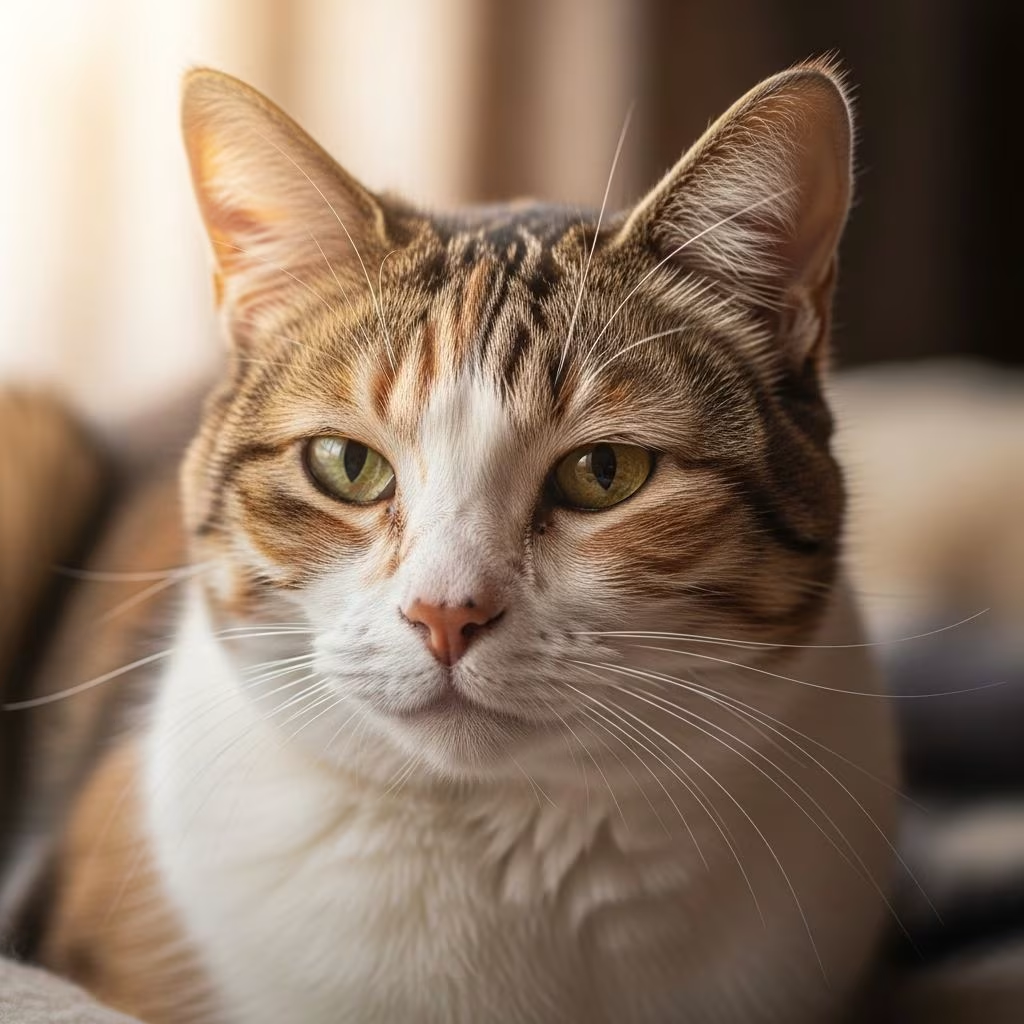
As cats reach their senior years, typically starting around age 7 to 10, they undergo a series of natural physiological and behavioral transformations. These changes, while expected, can impact their daily lives and require attentive care from owners to ensure comfort and vitality. With advancements in veterinary medicine and nutrition, many cats now live well into their late teens or early 20s, making proactive senior care more crucial than ever.
Defining Senior Status in Cats
Cats are generally considered seniors between 7 and 10 years old, with those over 11 entering the geriatric phase. This timeline has shifted as indoor living and better healthcare extend lifespans. Unlike dogs, cats often mask discomfort, so owners must stay vigilant for subtle cues. Factors like breed, lifestyle, and genetics influence aging pace; for instance, purebreds may show signs earlier.
Physical Transformations in Aging Cats
Senior cats experience gradual declines in organ function, mobility, and sensory acuity. Key areas include:
- Musculoskeletal System: Arthritis develops in many seniors, causing stiffness, reluctance to jump, and reduced playfulness. Joint pain affects up to 90% of cats over 12, often leading to litter box avoidance.
- Renal Health: Chronic kidney disease (CKD) is prevalent, with symptoms like increased thirst, frequent urination, weight loss, and nausea. Early detection via bloodwork is vital as it progresses silently.
- Endocrine Disorders: Hyperthyroidism, from thyroid overactivity, causes weight loss despite voracious appetite, hyperactivity, and vocalization changes. Diabetes also emerges, requiring insulin and diet management.
- Dental and Oral Health: Periodontal disease leads to tooth loss, bad breath, drooling, and eating difficulties. Up to 70% of cats over 3 have dental issues, worsening with age.
- Cardiovascular and Cancer Risks: Heart conditions and tumors increase, contributing to lethargy and appetite loss.
These changes often overlap, complicating diagnosis, so biannual vet exams are recommended.
Behavioral and Cognitive Shifts
Mental and emotional alterations are common, with feline cognitive dysfunction (FCD) affecting 50% of cats aged 11-15 and 85% over 16. FCD mimics dementia, impairing memory, learning, and awareness.
| Category | Common Signs | Potential Causes |
|---|---|---|
| Memory/Learning | Forgetting litter box location, not recognizing family | FCD, sensory loss |
| Anxiety/Restlessness | Irritability, pacing, altered vocalizations | Disorientation, pain |
| Sleep Disruptions | Nighttime yowling, daytime sleeping | FCD, vision/hearing decline |
| Social Changes | Clinginess or withdrawal, aggression | Cognitive decline, arthritis pain |
| Grooming/Activity | Matted fur, lethargy, appetite loss | Arthritis, dental pain, illness |
These behaviors stem from brain changes, sensory deficits, or pain, necessitating vet evaluation to rule out medical causes.
Sensory Declines and Their Impact
Hearing and vision fade gradually; cats may startle easily, bump into objects, or ignore calls. This heightens anxiety and alters routines. Smell and taste diminish, reducing appetite and leading to weight loss despite stable intake. Owners can mitigate by using visual cues, consistent feeding spots, and pheromone diffusers.
Nutritional Adjustments for Senior Cats
Aging reduces metabolism by up to 40%, risking obesity if calories aren’t cut, yet inappetence from dull senses or disease demands palatable, nutrient-dense food. Key strategies:
- Switch to **senior formulas** with reduced calories, high-quality protein, and joint-supporting glucosamine.
- Incorporate **omega-3 fatty acids** for anti-inflammatory benefits against arthritis and CKD.
- Opt for **wet food** to aid hydration and dental health.
- Feed smaller, frequent meals to encourage eating and stabilize blood sugar.
Monitor weight monthly; consult vets for prescription diets targeting CKD or diabetes.
Environmental Modifications for Comfort
Adapt homes to suit reduced mobility and senses:
- Provide **low-sided litter boxes** and multiple locations to ease access.
- Install **ramps or steps** for furniture and beds.
- Create **warm resting spots** with heated pads, as thermoregulation weakens.
- Minimize clutter to prevent trips; use night-lights for vision-impaired cats.
- Enhance **mental stimulation** with puzzle feeders and gentle interactive toys.
These tweaks reduce stress and accidents, promoting independence.
Veterinary Wellness Protocols
Schedule checkups every 6 months, including bloodwork, urinalysis, and blood pressure screening to catch issues early. Vaccinations continue based on lifestyle, and parasite preventives remain essential despite weaker immunity. Dental cleanings under anesthesia may be needed annually.
For FCD, vets may prescribe antioxidants, selegiline, or supplements like SAM-e. Pain management with NSAIDs or gabapentin improves mobility.
Daily Care Routines to Enhance Quality of Life
Consistent routines anchor seniors amid confusion:
- Gently brush fur to compensate for poor grooming.
- Track intake/output with journals for vet insights.
- Encourage light exercise via laser pointers or trailing toys.
- Monitor for pain signs like hiding, aggression, or hunched posture.
Emotional support through affection fosters bonds, combating isolation.
Common Myths About Senior Cats Debunked
- Myth: Old age means inevitable suffering. Many conditions are manageable with treatment.
- Myth: Cats hide pain, so ignore subtle changes. Early intervention extends life.
- Myth: Seniors don’t need dental care. It prevents systemic issues.
Frequently Asked Questions (FAQs)
What age is a cat considered senior?
Around 7-10 years, with geriatric at 11+; indoor cats age slower.
How often should senior cats see the vet?
Every 6 months for comprehensive exams.
Can arthritis be reversed in cats?
No, but managed with diet, meds, and environment.
What causes sudden litter box avoidance?
Arthritis, UTI, CKD, or constipation—vet check required.
Is weight loss always bad in seniors?
Often signals hyperthyroidism or CKD; monitor closely.
How to manage nighttime vocalizing?
Rule out medical issues, then use routines and calming aids.
By recognizing these shifts and implementing targeted care, owners can help senior cats enjoy extended, comfortable years. Regular vet partnerships are key to tailoring plans.
References
- 10 Most Common Illnesses in Senior Cats — PetMD. 2023. https://www.petmd.com/cat/general-health/most-common-illnesses-in-senior-cats
- Aging Cats: Behavior Changes, Problems, and Treatments — WebMD. 2023. https://www.webmd.com/pets/cats/old-cat-behavior
- Senior Cat Care: Promoting Wellness at Every Age — Haywood Road Vet. 2024. https://www.haywoodroadvet.com/services/cats/blog/senior-cat-care-promoting-wellness-every-age
- Older Cats with Behavior Problems — ASPCA. 2023. https://www.aspca.org/pet-care/cat-care/common-cat-behavior-issues/older-cats-behavior-problems
- Supporting Your Aging Cat: Early Signs of Pain and Illness — Caring Hands Animal Hospital. 2024. https://caringhandsanimal.com/supporting-your-aging-cat-early-signs-of-pain-and-illness/
- Senior Cat Care, What To Know About Caring For A Geriatric Cat — Standiford Veterinary. 2023. https://standifordveterinary.com/services/cats/senior-cat-care.html
- Senior Cat Care – Special Considerations — VCA Animal Hospitals. 2024. https://vcahospitals.com/know-your-pet/senior-cat-care—special-considerations



