Aging Feline Wellness: Complete Health Management
Essential strategies for maintaining vitality and comfort in your aging cat's golden years
Aging Feline Wellness: Complete Health Management for Your Senior Cat
Cats have become increasingly long-lived companions in modern pet ownership. With advances in veterinary medicine and improved understanding of feline nutritional needs, many cats now routinely surpass their teenage years and enter extended senior phases of life. A cat is typically classified as senior beginning at age 10, and with appropriate care, these animals can thrive for an additional decade or more. The transition to seniorhood brings distinct physiological changes that require thoughtful adjustments to care routines and environmental considerations. Understanding these changes and implementing proactive health strategies can significantly enhance your aging cat’s quality of life and extend their comfortable years alongside you.
The Foundation: Establishing a Veterinary Partnership
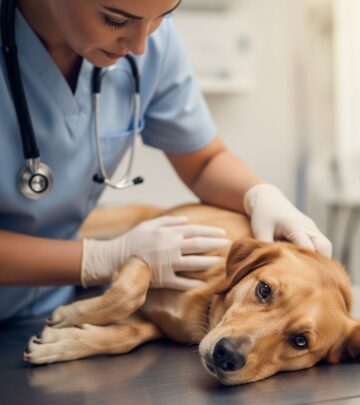
The cornerstone of senior feline wellness rests upon consistent veterinary oversight. Unlike younger cats that may require annual examinations, senior cats benefit substantially from more frequent professional evaluations. Veterinarians recommend scheduling examinations every six months for cats aged 10 to 15 years, with even more frequent visits—every four months—recommended for cats exceeding 15 years of age. These abbreviated intervals between visits allow veterinary professionals to identify emerging health conditions while they remain manageable and treatable.
During these checkups, several diagnostic procedures become particularly valuable. Comprehensive blood work and urinalysis help detect organ dysfunction before obvious clinical signs emerge. Radiographic imaging provides insight into skeletal structure and organ size, revealing changes that might indicate developing arthritis, heart enlargement, or other age-related conditions. Regular fecal testing screens for parasitic infections that can be especially problematic in older animals with potentially compromised immune function.
Building a strong relationship with your veterinarian while your cat remains in middle age offers significant advantages. When your veterinarian has established baseline knowledge of your individual cat’s health patterns, they can more readily detect subtle deviations that suggest developing problems. These early interventions often prevent minor issues from progressing into serious conditions.
Nutritional Strategies for Aging Cats
The digestive efficiency and metabolic requirements of senior cats differ meaningfully from those of younger animals. Transitioning to a geriatric-appropriate diet represents one of the most impactful dietary modifications you can implement. Rather than maintaining a single large meal per day, dividing the daily food allowance into multiple smaller portions can enhance digestive comfort and nutrient absorption. This approach particularly benefits cats with sensitive digestive systems or those prone to gastrointestinal upset.
Weight management becomes increasingly important throughout the aging process. Both weight gain and unplanned weight loss warrant veterinary investigation. Excess body weight in senior cats accelerates the development of chronic diseases and may reduce overall lifespan. Conversely, unexplained weight loss often signals underlying disease, including common senior feline conditions such as hyperthyroidism, intestinal disease, or diabetes. Because weight changes can occur gradually and be difficult to notice in a cat you see daily, routine weighing during veterinary visits becomes essential for early detection.
Your veterinarian can provide specific dietary recommendations tailored to your individual cat’s health status, age, and any existing medical conditions. Senior-formulated diets typically contain modified protein and mineral levels to support kidney function and reduce urinary issues. Caloric content is often adjusted to match reduced activity levels while maintaining adequate nutrition.
Hydration: A Often-Overlooked Essential
Kidney function naturally declines as cats age, making consistent hydration increasingly critical for senior felines. Many aging cats become less motivated to seek out and drink adequate water, yet their kidneys become more dependent on sufficient fluid intake to function optimally. Creating multiple water stations throughout your home removes barriers to hydration and encourages regular water consumption. Placing water bowls at various locations, including areas where your cat spends significant time, ensures easy access.
Some cats show preference for flowing water, and water fountains designed for pets can encourage increased drinking by providing fresh, circulating water that many cats find more appealing than stagnant bowl water. For cats that consistently demonstrate inadequate water intake despite these interventions, incorporating more wet food into the diet provides additional hydration. Canned foods contain substantially higher moisture content than dry kibble, effectively increasing your cat’s overall fluid consumption. Your veterinarian can discuss whether specific hydration supplements might benefit your individual senior cat.
Dental Health in Aging Felines
The teeth that your cat has used throughout their entire life—the same set present since six months of age—accumulate years of wear and bacterial colonization that can create significant problems in the senior years. Dental disease represents one of the most prevalent health issues affecting elderly cats, with tartar accumulation and gingivitis being nearly universal findings. These conditions progress beyond cosmetic concerns: they create pain that affects appetite, compromise eating ability, and can trigger serious systemic infections if left untreated.
Establishing a strong dental care foundation during your cat’s younger years provides substantial protection later in life. Professional dental cleanings performed under veterinary supervision remove tartar and address early gingivitis before extensive damage occurs. Home tooth brushing, when established as a routine habit, significantly slows tartar accumulation and maintains periodontal health. For senior cats without established brushing routines, beginning this practice requires patience and gradual habituation, but even modest efforts help maintain dental integrity.
Oral health-focused commercial diets specifically formulated to reduce tartar accumulation can supplement other dental care efforts. Your veterinarian can assess your individual cat’s dental status and recommend appropriate professional cleaning intervals and home care strategies.
Grooming, Nail Maintenance, and Coat Health
Physical and cognitive decline in senior cats commonly impairs their ability to maintain their own grooming standards. Cats that previously kept immaculate coats may develop matted fur, greasy patches, or areas of neglected hygiene. Assisting with grooming becomes both a health intervention and a bonding opportunity. Gentle daily brushing, particularly important for medium and long-haired breeds, prevents mats from forming and allows you to inspect the skin for abnormalities, parasites, or areas of concern.
Nail maintenance requires increased attention in senior years. Aging cats often develop reduced nail-shedding capacity, leading to excessively long claws that can grow into the paw pads—a painful condition that impairs mobility. Monthly nail trimming prevents this complication and reduces the risk of nails catching on carpets or furniture. Arthritic cats particularly benefit from shorter nails that minimize stress on affected joints during walking.
Beyond basic grooming, bathing may occasionally become necessary if your cat develops soiling issues or skin conditions. Senior cats may struggle with litter box cleanliness maintenance, and gentle bathing can restore comfort and hygiene without the stress of professional grooming facilities.
Creating an Age-Appropriate Living Environment
The physical environment that suited your cat during their active years may present challenges in seniorhood. Mobility limitations, reduced jumping ability, and decreased muscle strength make previously accessible areas problematic. Evaluating your home layout from your aging cat’s perspective reveals necessary modifications that restore independence and comfort.
Resource accessibility—food, water, litter boxes, and sleeping areas—should be distributed throughout your home to minimize traveling distance. Cats that struggle with jumping to elevated surfaces require ramps or steps to access favorite perches. Raised food and water bowls reduce the neck and back strain required for cats with arthritis or cervical spine issues to eat and drink comfortably.
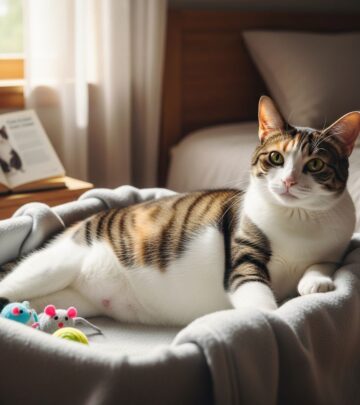
Bedding becomes increasingly important for aging cats that spend more time resting. Soft, well-padded sleeping areas at your cat’s preferred locations provide warmth and comfort while reducing pressure on aging joints. Ensuring these beds are easily accessible without requiring jumps or climbs encourages use and rest.
Litter box accessibility deserves particular attention. Boxes with high sides that were appropriate for younger cats may prevent arthritic seniors from entering comfortably. Low-entry boxes or shallow containers allow easier access. Multiple boxes distributed throughout the home ensure that your cat never has to travel excessive distances, which is particularly important if litter box issues develop.
Physical Activity and Cognitive Engagement
While senior cats lack the athletic capability of their younger selves, they remain capable of and benefit from regular physical activity and mental stimulation. Exercise maintains muscle tone, preserves bone density, and keeps joints functional—all critical for maintaining independence and quality of life. However, senior-appropriate activities differ substantially from vigorous kitten play. Short, low-impact play sessions using feather toys or balls, conducted daily but in brief intervals, provide stimulation without excessive exertion.
Stationary track toys that require minimal athletic effort yet provide engaging movement can satisfy hunting instincts without demanding high-intensity pursuit. Puzzle feeders and interactive feeding toys placed in easily accessible locations provide cognitive enrichment while disguising the feeding process, adding mental engagement to routine meals. Window perches where cats can observe outdoor activity offer passive entertainment that doesn’t require physical exertion.
Maintaining consistent routines provides security and reduces stress for senior cats. Predictable feeding times, play schedules, and sleep patterns create a sense of stability that aging cats appreciate, particularly those experiencing cognitive changes.
Monitoring for Health Changes and Disease Signs
Your daily observation of your senior cat’s behavior and habits becomes increasingly valuable as your cat ages. Changes in appetite, litter box habits, activity levels, or grooming patterns often signal emerging health issues requiring veterinary evaluation. Weight fluctuations—whether gain or loss—demand professional assessment. Changes in vocalization, confusion, or sleep patterns may indicate cognitive dysfunction or other neurological changes.
Never assume that behavioral changes represent normal aging; instead, interpret them as possible indicators requiring veterinary investigation. Early detection of conditions like hyperthyroidism, kidney disease, diabetes, or intestinal problems allows for therapeutic intervention when treatment can be most effective. Conditions caught early often respond better to management, resulting in longer, more comfortable lives.
Maintaining detailed mental notes—or ideally, written records—of your observations helps you provide veterinarians with specific information about when changes began, their progression, and any other associated symptoms. This information significantly aids diagnostic efforts.
Preventative Health Measures
Vaccination protocols may require adjustment in senior years. Your veterinarian should evaluate whether continued vaccination schedules remain appropriate for your individual cat’s health status and lifestyle. Regular parasite prevention remains essential even for indoor senior cats, as flea and tick infestations can create serious complications in older animals with compromised immune function.
Maintaining a clean living environment—including regular bedding washing, litter box cleaning, and flea control—creates conditions that minimize disease transmission and parasitic infections. Environmental hygiene becomes increasingly important when older cats spend extended periods in specific areas.
Affection and Quality of Life
Beyond medical interventions and environmental modifications, the emotional and social dimensions of senior cat care profoundly impact wellbeing. Cats benefit tremendously from consistent affection, attention, and companionship during their final years. This support contributes to reduced stress, better overall health outcomes, and greater life satisfaction. Time spent with your aging companion—whether through gentle petting, quiet companionship, or engaging play—strengthens your bond while supporting their emotional health.
Senior cat care represents a commitment to honoring the companionship your cat has provided throughout their life. Through consistent veterinary partnership, thoughtful environmental modification, appropriate nutrition, and attentive daily observation, you can help ensure that your cat’s golden years remain comfortable, active, and fulfilling. These investments in your aging cat’s wellbeing extend not only their lifespan but significantly enhance the quality of those additional years, allowing you both to fully appreciate this cherished final chapter of your relationship.
References
- How To Keep Your Senior Cat Healthy — PetMD. Accessed February 2026. https://www.petmd.com/cat/general-health/how-to-keep-your-senior-cat-healthy
- 2021 AAFP Senior Care Guidelines — American Association of Feline Practitioners. 2021. https://catvets.com/resource/senior-care-guidelines/
- Senior Cat Care, What To Know About Caring For Aging Cats — Standiford Veterinary. Accessed February 2026. https://standifordveterinary.com/services/cats/senior-cat-care.html
- 10 Ways to Care for Your Senior Cat — Cat Friendly. Accessed February 2026. https://catfriendly.com/10-ways-to-care-for-your-senior-cat/
- Loving Care for Older Cats — Cornell Feline Health Center. Accessed February 2026. https://www.vet.cornell.edu/departments-centers-and-institutes/cornell-feline-health-center/health-information/feline-health-topics/loving-care-older-cats
- Caring for Senior Cats and Dogs — American Veterinary Medical Association. Accessed February 2026. https://www.avma.org/resources-tools/pet-owners/petcare/senior-pets
Similar Articles






Read full bio of Sneha Tete