

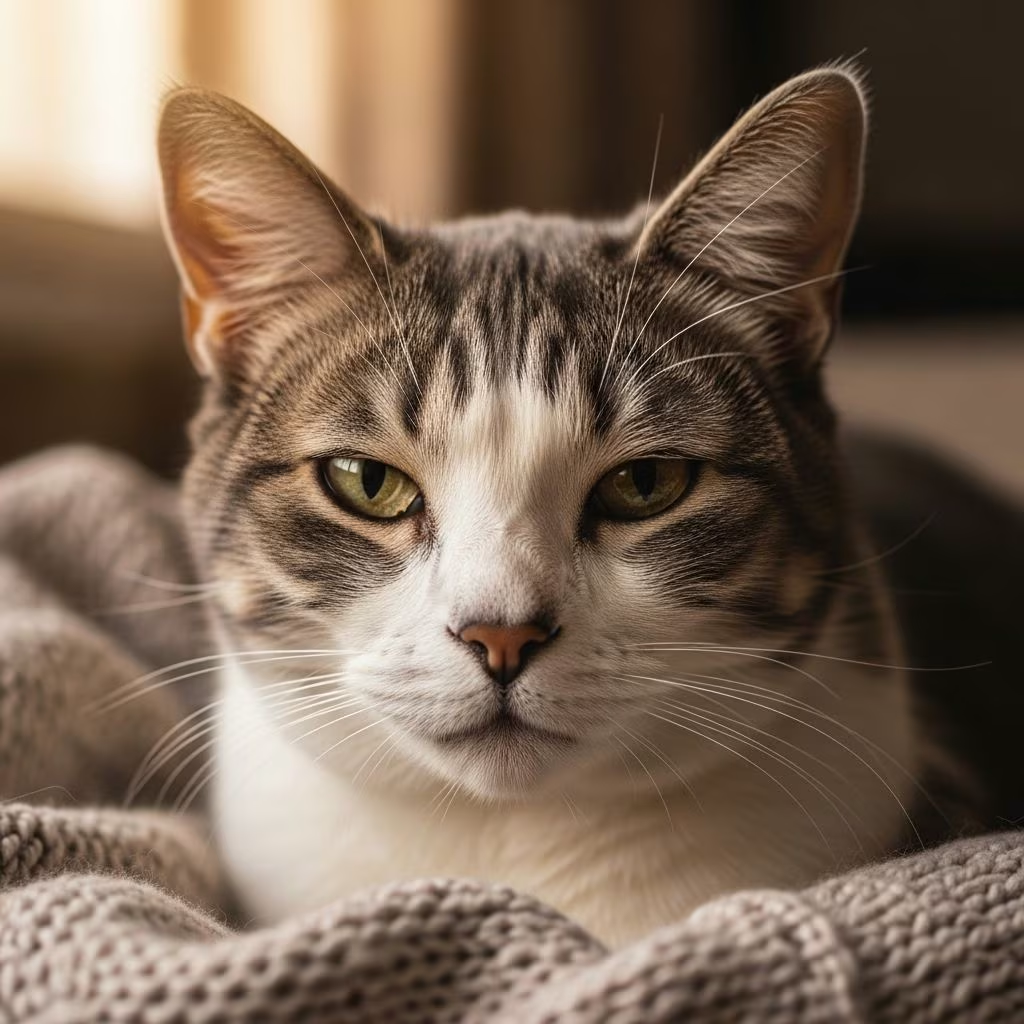
As cats reach their senior years, typically around 11 years and older, they face a range of health shifts due to natural aging processes. These changes can impact their mobility, organ function, and overall vitality, but with proactive monitoring and veterinary guidance, many cats enjoy extended, comfortable lives into their late teens or early twenties.
Understanding the Aging Process in Cats
The transition to senior status brings physiological declines, such as reduced organ efficiency and a weakened immune system. Cats over 7 years are considered mature, but true geriatrics start at 11, when risks for chronic conditions rise significantly. Factors like genetics, indoor living, and nutrition influence longevity, yet age-related wear is inevitable.
- Slower metabolism: Leads to potential weight fluctuations and nutrient absorption issues.
- Immune decline: Increases vulnerability to infections.
- Organ degeneration: Affects kidneys, liver, heart, and endocrine systems.
Owners should schedule biannual vet exams to catch subtle signs early, as cats often mask discomfort.
Renal Disorders: A Leading Concern
Chronic kidney disease (CKD) tops the list of senior cat issues, progressively impairing kidney function and toxin filtration. Aging causes nephron loss, exacerbated by dehydration or genetics.
Symptoms emerge gradually:
- Increased thirst and urination
- Weight loss despite normal eating
- Lethargy and poor coat quality
- Bad breath from toxin buildup
- Vomiting or nausea
Diagnosis involves bloodwork showing elevated creatinine and BUN, plus urinalysis for dilute urine. Management focuses on hydration via wet food or fluids, phosphate binders, low-protein diets, and anti-nausea meds; while incurable, it extends life. Early detection via routine checks is crucial, as advanced CKD leads to uremia.
Endocrine Imbalances: Thyroid and Diabetes
Hyperthyroidism, from benign thyroid tumors, overproduces hormones, affecting up to 10% of cats over 10. It accelerates metabolism, causing:
| Symptom | Description |
|---|---|
| Weight loss | Despite voracious appetite |
| Hyperactivity | Restlessness and vocalization |
| Coat issues | Matted or unkempt fur |
| Hypertension | May cause blindness |
Treatment options include radioactive iodine (curative), methimazole drugs, or diet. Untreated, it strains the heart and kidneys.
Diabetes mellitus, often linked to obesity or pancreatitis, impairs insulin use, common in middle-aged to seniors. Signs mirror CKD: polyuria, polydipsia, and weight loss. Insulin therapy, carb-restricted diets, and monitoring control it; remission is possible early.
Musculoskeletal Decline: Arthritis and Mobility Loss
Osteoarthritis erodes joint cartilage, causing pain and stiffness from wear, injury, or obesity. Senior cats show:
- Reluctance to jump or climb
- Limping or altered gait
- Reduced grooming, leading to matted fur
- Irritability when touched
Diagnosis uses X-rays and history; pain meds like gabapentin, joint supplements (glucosamine), weight control, and ramps improve comfort. Low-impact play preserves muscle without strain.
Oral Health Deterioration
Periodontal disease plagues most seniors, fostering bacteria that spread systemically, risking organ damage or strokes. Plaque hardens into tartar, causing gingivitis and abscesses.
Indicators include:
- Drooling or pawing at mouth
- Difficulty eating hard food
- Bleeding gums or loose teeth
- Halitosis
Prevention: Daily brushing with enzymatic toothpaste, dental diets, and annual cleanings under anesthesia. Severe cases lead to anorexia and fatty liver disease.
Cardiac Conditions in Later Years
Heart disease, notably hypertrophic cardiomyopathy (HCM), thickens heart walls, impairing pumping. Common in seniors, it presents as:
- Lethargy and breathing difficulties
- Coughing or open-mouth breathing
- Appetite loss
- Fainting
Echo and ECG diagnose; meds manage symptoms, but monitoring prevents clots.
Cognitive and Behavioral Shifts
Feline cognitive dysfunction (FCD) mimics dementia, altering sleep, litter habits, and sociability. Disorientation, vocalizing at night, or house soiling signal it.
Antioxidant diets, environmental enrichment (puzzle feeders), and meds like selegiline help. Rule out medical causes first.
Gastrointestinal and Cancer Risks
GI issues like IBD cause chronic vomiting/diarrhea from inflammation. Constipation arises from dehydration or megacolon.
Cancer (neoplasia), including lymphoma, rises with age, causing unexplained weight loss. Early biopsies aid palliative care.
Proactive Wellness Strategies
Support seniors with:
- Nutrition: Senior formulas for renal/dental health, portion control.
- Environment: Low-entry litter boxes, heated beds, pheromone diffusers.
- Exercise: Gentle play to combat obesity.
- Screening: Bloodwork every 6 months.
Frequently Asked Questions
How often should senior cats see a vet?
Every 6 months for exams and bloodwork to detect issues early.
Can kidney disease be reversed in cats?
No, but management slows progression and improves life quality.
What diet helps arthritic cats?
Weight-management formulas with omega-3s and joint supplements.
Is hyperthyroidism curable?
Yes, via radioactive iodine therapy.
Why do senior cats sleep more?
Pain, illness, or FCD; investigate changes.
References
- Senior Cat Care – Special Considerations — VCA Animal Hospitals. 2023. https://vcahospitals.com/know-your-pet/senior-cat-care—special-considerations
- Common Senior Cat Health Problems — Purina US. 2024. https://www.purina.com/articles/cat/senior-cat/health/problems
- 10 Most Common Illnesses in Senior Cats — PetMD. 2024. https://www.petmd.com/cat/general-health/most-common-illnesses-in-senior-cats
- Supporting Your Aging Cat: Early Signs of Pain and Illness — Caring Hands Animal Hospital. 2023. https://caringhandsanimal.com/supporting-your-aging-cat-early-signs-of-pain-and-illness/
- 10 Common Diseases Often Found in Senior Cats — PetCareRx. 2023. https://www.petcarerx.com/article/10-common-diseases-often-found-in-senior-cats-and-how-to-overcome-them/6153
- Senior Cats 101: Common Health Issues — Small Door Veterinary. 2024. https://www.smalldoorvet.com/learning-center/seniors/senior-cats-101-common-health-issues-in-senior-cats



