

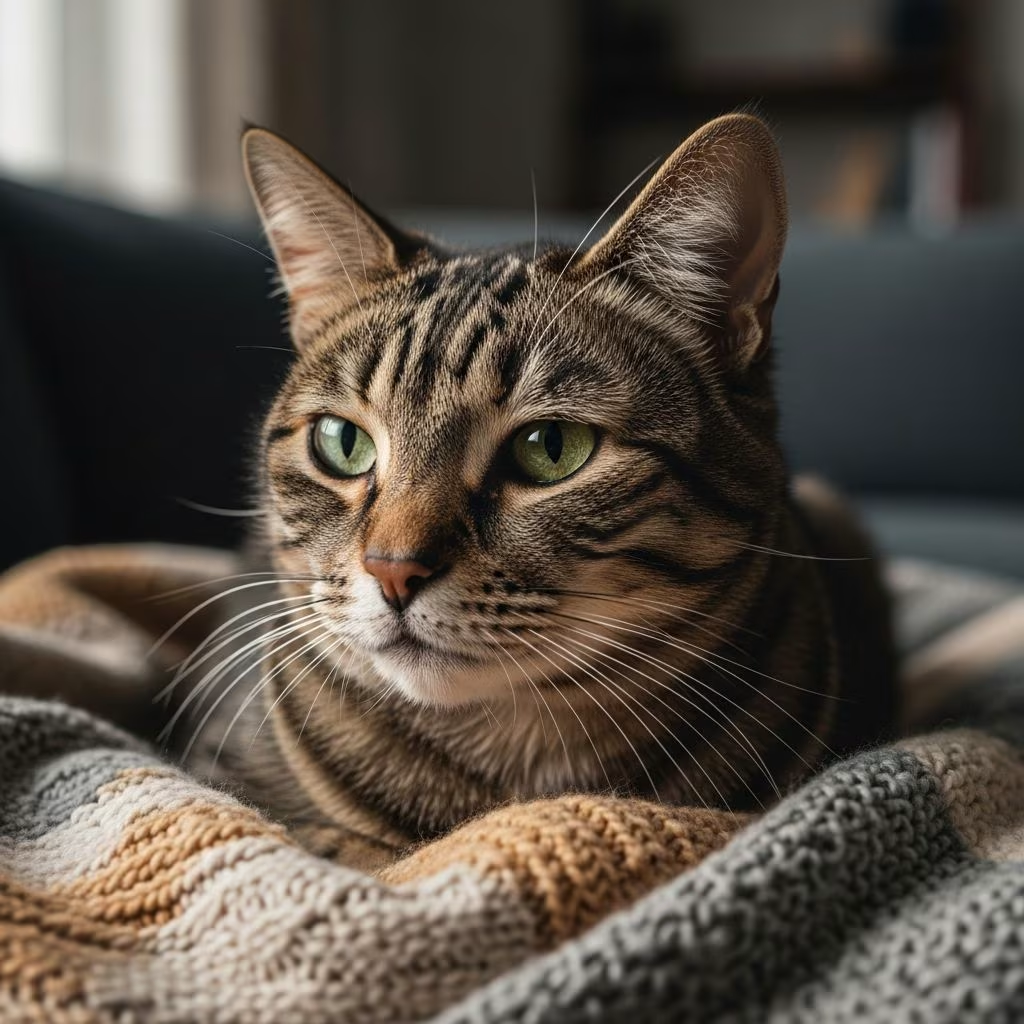
As cats enter their senior years, typically around age 11 and beyond, subtle shifts in their daily habits can signal underlying health concerns. These changes often stem from cognitive decline, sensory loss, or physical discomfort, affecting up to 85% of cats over 16 with conditions like feline cognitive dysfunction (FCD).
Defining Senior Status in Felines
Cats are generally considered seniors at 11 years old, with those over 15 entering the geriatric phase. This timeline aligns with natural declines in organ function, mobility, and brain health. Owners may notice gradual alterations that escalate over time, prompting questions about normal aging versus treatable issues.
Recognizing these milestones early allows for proactive care. Regular veterinary check-ups become crucial, as seniors hide pain well, masking problems until they manifest behaviorally.
Primary Drivers of Behavioral Evolution
Several factors contribute to these transformations. FCD mirrors human dementia, impairing memory, learning, and spatial awareness. Sensory impairments like hearing or vision loss exacerbate confusion, while chronic pain from arthritis or organ disease alters interactions.
- Cognitive Dysfunction: Affects memory and routines, leading to forgotten habits.
- Pain-Related Changes: Reduces grooming and increases irritability.
- Sensory Decline: Hearing loss causes unresponsiveness; vision issues spark disorientation.
Memory Lapses and Routine Disruptions
One of the earliest red flags is forgetting established routines, such as litter box use. Cats may eliminate near sleeping or eating areas, a hallmark of FCD impacting over half of 11-15-year-olds.
They might fail to recognize familiar faces or pets, staring blankly or wandering lost in known spaces. These lapses extend to house soiling, the top reason seniors see behavior specialists per ASPCA data.
| Symptom | Possible Cause | Observation Tips |
|---|---|---|
| Litter box avoidance | FCD, mobility issues, or UTI | Check for accidents near food/sleep areas |
| Forgetting people/pets | Memory decline | Note lack of greeting or recognition |
| House soiling | Confusion, kidney disease | Monitor frequency and location |
Spatial Confusion and Wandering
Disorientation manifests as aimless pacing, getting stuck behind furniture, or fixating on walls. Seniors may stare into space or navigate poorly, bumping into obstacles due to faded senses.
This stems from deteriorated awareness, compounded by conditions like hyperthyroidism or kidney failure, which increase urination and urgency. Veterinary exams rule out tumors or infections mimicking these traits.
Altered Social Dynamics
Relationships shift dramatically. Once-social cats become aloof, shunning petting or play, or conversely, overly clingy, demanding constant attention.
Aggression surges, especially toward housemates or owners, often from pain or frustration over slowed mobility. Irritability peaks when handled roughly or during routine changes, signaling tolerance erosion.
- Avoids interaction: Indicates apathy or discomfort.
- Excessive dependence: Anxiety-driven need for reassurance.
- Sudden aggression: Check for arthritis or dental pain.
Energy Fluctuations and Lethargy
Lethargy creeps in, with reduced exploration, grooming, and appetite. Cats sleep more daytime hours, ignoring stimuli like toys or windows.
This apathy links to depression, pain, or metabolic shifts. Weight loss accompanies disinterest in food, warranting immediate vet attention as cats conceal illness adeptly.
Sleep Pattern Reversals
Day-night inversion is common: restless nights with vocal yowling, contrasted by excessive daytime slumber. Seniors wake frequently, pacing or calling out urgently.
FCD disrupts cycles, amplified by hearing loss or discomfort. Nighttime vocalization, or “elderly cat yowling,” often ties to confusion or unmet needs like accessible water.
Anxiety and Vocal Escalations
Restlessness, irritability, and urgent meows signal anxiety. Cats pace, hide, or react sharply to stimuli, their vocal tone shifting to plaintive wails.
Underlying pain, sensory deficits, or environmental stress fuels this. Thyroid issues or liver disease can heighten agitation, mimicking behavioral woes.
Pain Indicators in Daily Actions
Pain subtly alters habits. Decreased grooming leads to matted fur; reluctance to jump signals joint issues. Cats creep downstairs, eat lying down, or lick joints excessively.
Aggression when touched, hiding from guests, or prolonged stillness in one spot are cues. Anti-social shifts toward family or pets deviate from norms, demanding pain assessments.
Unresponsiveness to Cues
Not heeding their name or noises points to hearing loss, the prime culprit. Combined with disorientation or night yowling, it prompts ear checks for infections.
Vision decline parallels this, causing navigation errors. Routine senior screenings detect these early.
Holistic Management Approaches
Start with a vet visit for bloodwork, urinalysis, and FCD screening. Rule out treatable diseases like hyperthyroidism or infections before labeling behavioral.
Environmental tweaks help: Provide low-sided litter boxes, ramps to favorites spots, and night lights for orientation. Pheromone diffusers ease anxiety; prescription diets support brain health.
- Nutrition: Senior formulas with antioxidants combat oxidative stress.
- Exercise: Gentle play preserves muscle, fights lethargy.
- Routine: Consistent schedules reduce confusion.
Therapies and Medication Options
Vets may prescribe selegiline for FCD, improving cognition in many cases. Pain relief via NSAIDs enhances mobility and mood. Supplements like omega-3s aid joint and neural function.
Behavioral therapy, including training for new habits, complements meds. Monitor progress, adjusting as needed for quality life extension.
FAQs on Senior Cat Behaviors
Why is my 12-year-old cat pooping outside the litter box?
This often signals FCD, arthritis, or urinary issues. Vet diagnostics pinpoint causes; multiple boxes with easy access help.
Is nighttime meowing normal for older cats?
No, it indicates disrupted sleep cycles or pain. Address with routine stability and medical evaluation.
How can I tell if my senior cat is in pain?
Watch for grooming loss, mobility hesitation, aggression, or hiding. Routine exams catch subtle signs.
Can feline cognitive dysfunction be reversed?
Not cured, but managed with meds, diet, and environment to slow progression and boost comfort.
When should I worry about aggression in my aging cat?
Any new aggression warrants a vet check for pain or illness, not just aging quirks.
Enhancing Golden Years Quality
With vigilance, senior cats thrive longer. Tailored care addresses behaviors compassionately, fostering joy despite changes. Annual senior wellness plans prevent escalations, ensuring peaceful companionship.
References
- Aging Cats: Behavior Changes, Problems, and Treatments — WebMD. 2023. https://www.webmd.com/pets/cats/old-cat-behavior
- Common Older Cat Behavior Problems — Purina US. 2024. https://www.purina.com/articles/cat/senior-cat/behavior/problems
- Older Cats with Behavior Problems — ASPCA. 2023. https://www.aspca.org/pet-care/cat-care/common-cat-behavior-issues/older-cats-behavior-problems
- How to Recognize Pain in Aging Cats — VCA Animal Hospitals. 2024. https://vcahospitals.com/know-your-pet/behavior-changes-and-pain-in-aging-cats
- 10 Signs Your Cat Is Aging — PetMD. 2023. https://www.petmd.com/cat/general-health/signs-cat-is-aging
- When Senior Cats Change: Understanding Feline Cognitive Dysfunction — Animal Medical Center New York. 2025-06-18. https://www.amcny.org/blog/2025/06/18/when-senior-cats-change-understanding-feline-cognitive-dysfunction/



