

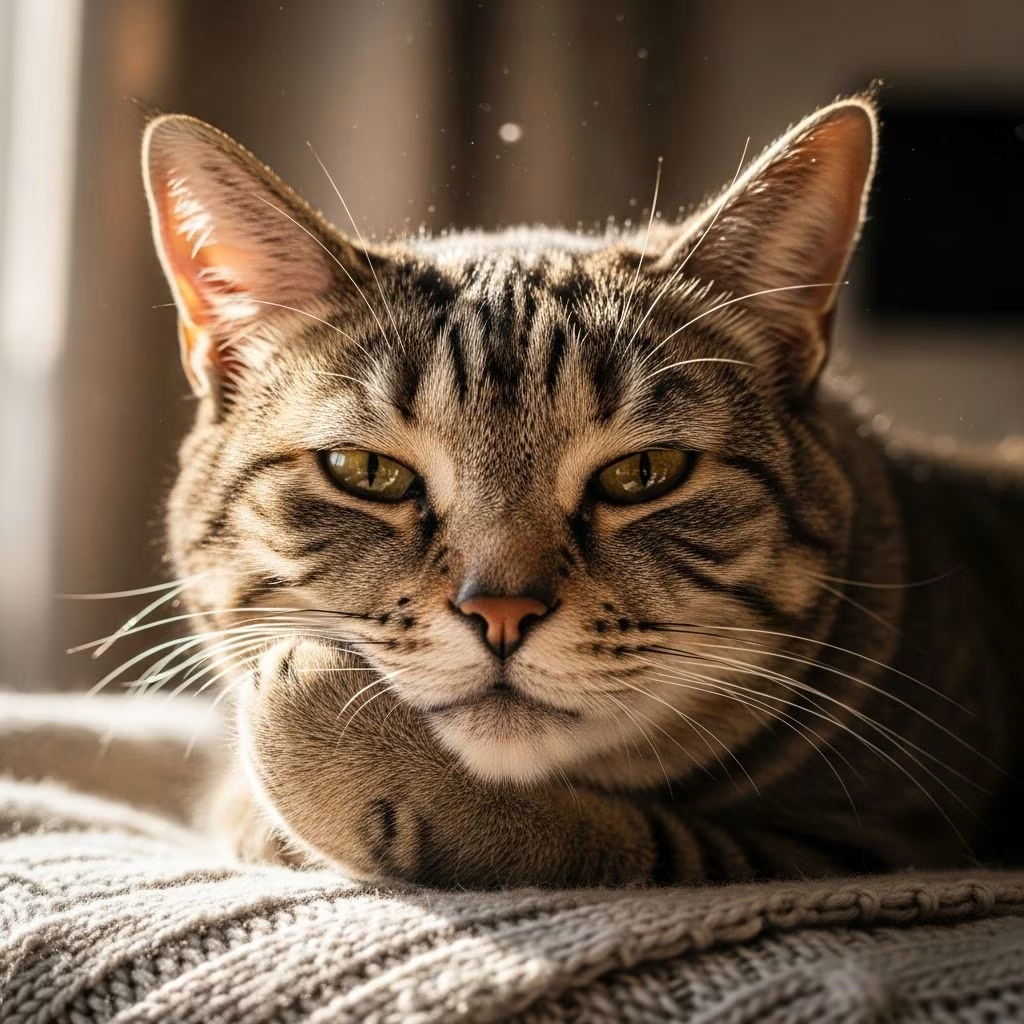
As cats enter their senior years, they often undergo significant behavioral transformations that can perplex and concern their owners. These changes may manifest as inappropriate elimination, increased vocalization, altered social patterns, or shifts in activity levels. Understanding the root causes of these transformations is essential for providing appropriate care and maintaining your senior cat’s quality of life. Behavioral changes in older cats rarely emerge without reason—they typically signal underlying medical conditions, sensory decline, or age-related cognitive shifts that warrant careful attention and professional evaluation.
The Intersection of Medical Conditions and Behavioral Shifts
When senior cats begin exhibiting new behaviors, the first consideration should always be medical rather than purely behavioral. Research demonstrates that osteoarthritis stands as the most prevalent medical condition contributing to behavioral changes in aging felines, with studies indicating that approximately 92% of cats between 6 months and 20 years of age show radiographic evidence of degenerative joint disease. This prevalence increases substantially with age, with degenerative joint disease scores rising by an estimated 13.6% for each year of life.
The comorbidity patterns in senior cats further complicate diagnosis. Approximately 68.8% of cats with osteoarthritis simultaneously experience chronic kidney disease, creating complex presentations where multiple conditions contribute to behavioral manifestations. Beyond these two conditions, senior cats frequently develop hyperthyroidism, hypertension, and diabetes mellitus, each capable of triggering behavioral modifications ranging from increased vocalization to inappropriate elimination.
Pain emerging from various sources represents a critical factor in behavioral deterioration. Dental disease, arthritis-related mobility restrictions, and pelvic pain can all precipitate litter box avoidance or changes in social interaction. The relationship between pain and behavioral decline is particularly significant because cats often mask discomfort through behavioral changes rather than obvious signs of distress.
Elimination Problems: Beyond Simple Accidents
One of the most troubling behavioral issues for cat owners involves inappropriate elimination outside the litter box. This problem ranks among the most common reasons senior cats consult with veterinary behaviorists, yet its causes extend far beyond simple forgetfulness or stubbornness.
Medical Underpinnings of Litter Box Avoidance
Several medical conditions specifically predispose senior cats to elimination problems:
- Arthritis and mobility issues: Difficulty accessing the litter box due to joint pain or reduced flexibility
- Kidney disease: Increased urine production that overwhelms the litter box capacity and cleanliness
- Urinary tract infections: Causing inappropriate elimination patterns distinct from cognitive issues
- Diabetes mellitus: Resulting in polyuria (excessive urination) that creates overwhelming litter box conditions
- Hyperthyroidism: Driving increased urine production and behavioral restlessness
- Neurological conditions: Including brain tumors and neuromuscular disorders affecting motor control and awareness
The increased soil and odor accumulation from medical conditions causing polyuria may trigger cats to seek alternative elimination sites, creating a cascading problem where the solution involves treating the underlying medical condition rather than addressing behavioral training.
Cognitive Dysfunction and Spatial Disorientation
When medical causes are ruled out, cognitive dysfunction emerges as a potential explanation. Senior cats experiencing cognitive decline may literally forget the locations of their litter boxes, food dishes, and familiar furniture arrangements. This disorientation differs fundamentally from deliberate elimination in inappropriate places—it represents genuine confusion about environmental layout rather than behavioral protest or territorial marking.
Anxiety and Environmental Sensitivity in Aging Felines
Anxiety presents itself uniquely in senior cats, often stemming from multiple converging factors. As cats age, their capacity to process and cope with environmental stress diminishes considerably. This reduced stress tolerance means that changes tolerable to younger cats—rearranged furniture, new household members, or modified routines—can trigger significant anxiety in aging felines.
Cognitive decline amplifies anxiety through a mechanism of memory loss and disorientation. When senior cats forget the locations of essential resources like food and water bowls, they experience genuine stress over their inability to locate these items. This isn’t learned behavior or attention-seeking; it represents authentic distress over environmental confusion.
Sensory impairment contributes significantly to age-related anxiety. Hearing loss leaves cats startled by sudden sounds they cannot anticipate, while vision decline creates environmental uncertainty. Loss of awareness regarding spatial relationships compounds these issues, leaving senior cats feeling vulnerable and stressed in their own homes.
Vocalization Changes and Nighttime Disturbances
Excessive vocalization, particularly during nighttime hours, represents one of the most common behavioral complaints from owners of senior cats. This symptom can originate from multiple sources, requiring careful differential diagnosis:
Medical causes of vocalization include:
- Hyperthyroidism triggering restlessness and excessive vocalization
- Hypertension creating disorientation and vocal distress
- Hearing loss compensated by increased vocalization volume
- Cognitive dysfunction as part of the dementia syndrome
- Discomfort or pain seeking attention or relief
Nighttime yowling specifically correlates with several conditions. Hyperthyroidism and hypertension frequently manifest through nocturnal vocalization, making these diagnostically important considerations. Cognitive dysfunction produces the characteristic pattern of excessive vocalization, particularly during nighttime hours, as part of the broader behavioral syndrome.
Aggression and Personality Shifts
Senior cats may develop aggressive behaviors toward humans or other animals despite possessing calm temperaments throughout their younger years. This personality transformation typically reflects one of several underlying causes rather than simple personality deterioration.
Pain-related aggression emerges when previously tolerable interactions become uncomfortable due to arthritis, dental disease, or other painful conditions. A cat that previously accepted petting may lash out defensively when arthritis makes certain positions or movements painful. This protective aggression serves a physiological function—protecting the body from further pain.
Cognitive-related aggression develops as patience declines and cats become less tolerant of routine changes. Reduced cognitive flexibility means senior cats struggle to adapt to minor environmental modifications, triggering irritability and defensive aggression.
Social dynamic changes in multi-cat households frequently involve senior cats becoming less tolerant of younger companions. Cats with chronic conditions like osteoarthritis may avoid interactions to prevent painful physical contact, or they may become territorial as they attempt to control their environment in response to reduced mobility.
Altered Eating Patterns and Appetite Changes
Changes in senior cat eating habits warrant medical investigation before assuming behavioral causes. Loss of appetite commonly signals dental disease, which prevents comfortable eating regardless of interest in food. Painful gums or loose teeth create negative associations with eating, causing cats to avoid meals.
Increased appetite or sudden appetite loss may indicate hormonal changes such as hyperthyroidism or metabolic diseases. Depression following environmental changes—such as the introduction of new pets or household disruptions—can manifest as appetite suppression or, conversely, stress-related overeating.
Cognitive dysfunction contributes to eating behavior changes through disorientation about meal locations or timing. A senior cat with dementia may forget where food bowls are positioned, leading to apparent disinterest in meals.
Sensory Decline and Its Behavioral Consequences
Hearing loss represents the leading cause of senior cats failing to respond to their names or reacting to household sounds. Unlike younger cats startled by unexpected noises, aging cats may simply not perceive sounds that previously commanded their attention. This isn’t behavioral stubbornness but rather a genuine physiological limitation.
Vision decline creates environmental uncertainty that manifests behaviorally through increased caution, disorientation, and anxiety. Cats relying increasingly on non-visual navigation may appear confused or develop avoidance behaviors toward spaces they can no longer traverse confidently.
Olfactory changes, though less obvious than visual or auditory decline, may affect cats’ ability to locate litter boxes or food through scent cues they previously relied upon. This sensory decline contributes to the broader pattern of environmental disorientation common in aging felines.
Distinguishing Cognitive Dysfunction from Medical Causes
Feline cognitive dysfunction represents a diagnosis of exclusion, meaning veterinarians should rule out all medical and pain-related causes before attributing behavioral changes to dementia. The diagnostic acronym VISHDAAL describes common cognitive dysfunction presentations: inappropriate vocalization, especially at night; altered social interaction; changes in sleep patterns; house soiling; spatial and temporal disorientation; changes in activity including aimless wandering; anxiety; and learning and memory deficits.
The distinction matters critically because treatment approaches differ fundamentally. A cat with cognitive dysfunction requires environmental modification and sometimes medication to manage symptoms, while a cat with arthritis-induced litter box avoidance needs pain management and potentially mobility aids.
Environmental and Behavioral Interventions
Once medical causes are addressed through veterinary care, environmental modifications can substantially improve senior cat comfort and behavioral expression:
- Placing litter boxes on all household levels to accommodate reduced mobility
- Using low-sided litter boxes to facilitate entry and exit for arthritic cats
- Maintaining consistent daily routines to reduce anxiety in cognitively impaired cats
- Providing elevated food and water bowls to reduce stress on arthritic joints
- Creating quiet, easily accessible resting areas away from household activity
- Installing night lighting to assist vision-impaired cats in navigation
- Maintaining stable social dynamics by limiting introductions of new pets
When to Seek Veterinary Guidance
New behavioral changes in senior cats always warrant veterinary evaluation. Any of the following situations should prompt scheduling a veterinary appointment: sudden changes in elimination patterns, new or worsening aggression, excessive vocalization particularly at night, significant appetite changes, altered sleep patterns, or apparent disorientation in familiar spaces. Early identification of underlying medical conditions allows for prompt treatment and behavioral management strategies.
Frequently Asked Questions
- Q: Is it normal for my senior cat to have occasional accidents outside the litter box?
- A: No behavioral change should be assumed normal without veterinary evaluation. While some occasional accidents may occur, persistent or new elimination problems indicate need for medical assessment to rule out arthritis, kidney disease, urinary tract infections, or cognitive dysfunction.
- Q: Can pain actually cause cats to act aggressive?
- A: Yes, pain-related aggression is common in senior cats. Arthritis, dental disease, and other painful conditions may cause previously gentle cats to become defensive, particularly when touched in painful areas or during movements that cause discomfort.
- Q: My cat is yowling at night—is this dementia or something else?
- A: Nighttime vocalization can stem from multiple causes including hyperthyroidism, hypertension, hearing loss, or cognitive dysfunction. Veterinary evaluation is essential to identify the underlying cause before assuming it’s dementia.
- Q: How can I help my cat accept necessary environmental changes?
- A: Senior cats with reduced stress tolerance require gradual, minimal environmental changes. Introduce modifications slowly, maintain consistent routines, and provide increased reassurance during necessary adjustments.
References
- Common Older Cat Behavior Problems — Purina. 2024. https://www.purina.com/articles/cat/senior-cat/behavior/problems
- Setting the Stage for Owners When Senior Pets Develop Behavior Problems — American Veterinary Medical Association. 2021-05-15. https://www.avma.org/javma-news/2021-05-15/setting-stage-owners-when-senior-pets-develop-behavior-problems
- The Special Needs of the Senior Cat — Cornell Feline Health Center, College of Veterinary Medicine. 2024. https://www.vet.cornell.edu/departments-centers-and-institutes/cornell-feline-health-center/health-information/feline-health-topics/special-needs-senior-cat
- When Senior Cats Change: Understanding Feline Cognitive Dysfunction — Animal Medical Center of New York. 2025-06-18. https://www.amcny.org/blog/2025/06/18/when-senior-cats-change-understanding-feline-cognitive-dysfunction
- Aging Cats: Behavior Changes, Problems, and Treatments — WebMD Pets. 2024. https://www.webmd.com/pets/cats/old-cat-behavior



