

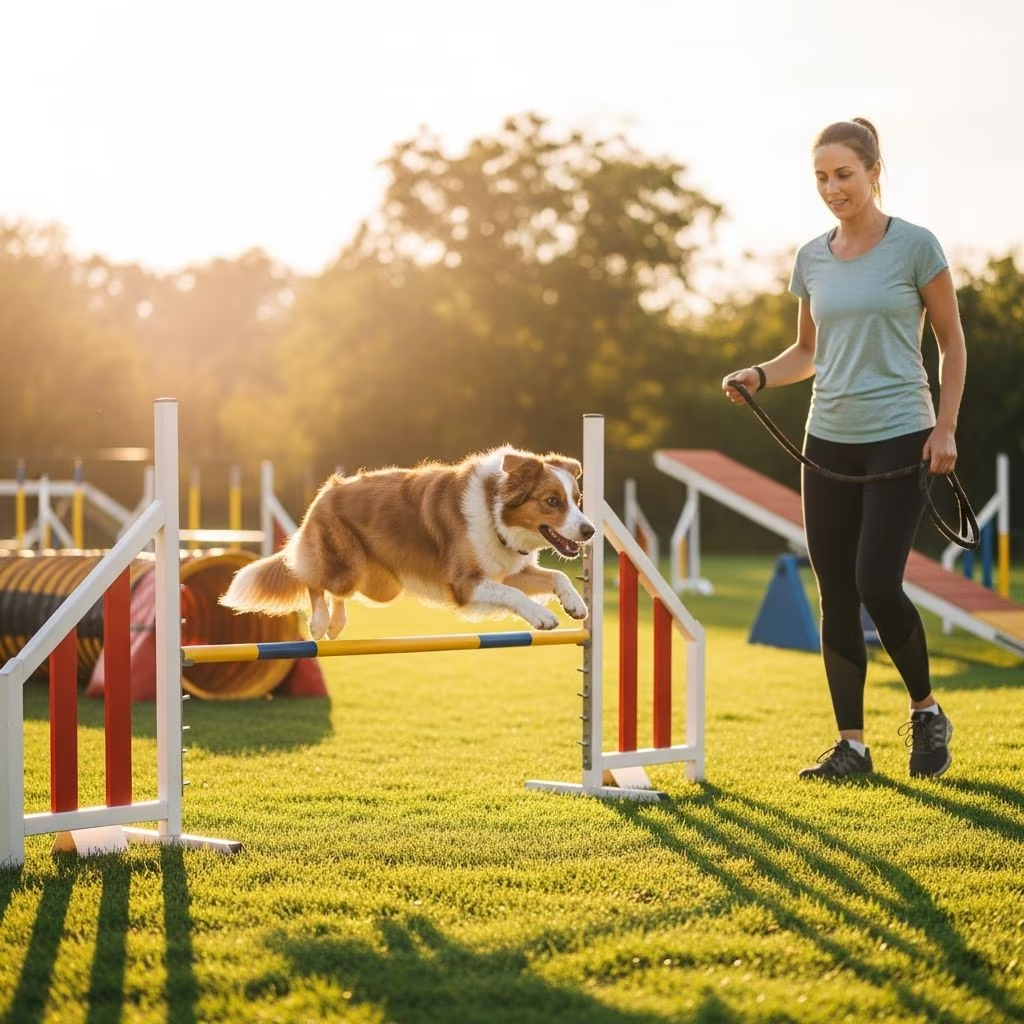
Dog agility training offers a dynamic way to channel your pet’s energy into structured activities that foster relaxation for both dog and handler. This sport-like pursuit involves navigating obstacle courses, promoting physical fitness and mental sharpness while teaching patience and focus.
Understanding the Dual Benefits of Agility
Agility training stands out by addressing both physical and cognitive needs. Dogs sprint, jump, and weave, which burns energy effectively, leading to calmer behavior at home. Handlers learn to communicate non-verbally, reducing frustration during daily interactions.
Research shows that such activities lower cortisol levels in dogs, mimicking the effects of play therapy. For owners, the predictable routine of training sessions provides a stress-relieving outlet, enhancing overall well-being.
Physical Foundations for Mental Peace
The physical demands of agility create a foundation for relaxation. Courses feature jumps, tunnels, A-frames, and weave poles, requiring full-body engagement.
- Cardiovascular Boost: Sprints improve heart health, helping dogs maintain ideal weight and vitality.
- Muscle Toning: Climbing ramps strengthens core and limbs, improving balance and reducing injury risk.
- Flexibility Gains: Weaving and turning enhance joint mobility, beneficial for all ages including seniors.
These exercises tire dogs naturally, leading to longer periods of rest. High-energy breeds like Border Collies or Australian Shepherds particularly thrive, exhibiting fewer zoomies post-session.
Mental Workouts That Promote Calm
Beyond physical exertion, agility sharpens the mind, curbing anxiety-driven behaviors. Dogs must process handler cues amid distractions, building impulse control.
| Mental Skill | Agility Contribution | Relaxation Outcome |
|---|---|---|
| Problem-Solving | Planning obstacle sequences | Reduces boredom-induced destruction |
| Focus Training | Following verbal/hand signals | Improves attention span at home |
| Impulse Control | Waiting at pause tables | Lowers reactivity to stimuli |
Obstacles like the teeter-totter teach dogs to handle unpredictability, fostering resilience. This mental fatigue complements physical tiredness, resulting in dogs that settle quickly after play.
Building Confidence Through Challenges
Shy or fearful dogs gain self-assurance by mastering new obstacles. Success on a dog walk or tunnel builds trust in their abilities and the handler’s guidance.
- Start with low-height jumps to ensure early wins.
- Gradually introduce contact zones for safe landings.
- Praise lavishly to reinforce positive associations.
This progression turns hesitant pups into bold explorers, reducing separation anxiety and improving adaptability in new environments.
Strengthening the Human-Canine Bond
Agility demands teamwork, where clear communication replaces nagging commands. Handlers use body language and voice modulation, creating a harmonious partnership.
Positive reinforcement—treats, toys, and enthusiasm—deepens trust. Owners report feeling more relaxed as their dogs respond reliably, minimizing training conflicts.
Socialization in a Controlled Setting
Group classes expose dogs to peers, teaching polite greetings and shared space etiquette. Under supervision, interactions prevent aggression and promote calm coexistence.
For reactive dogs, off-leash areas build independence while handlers observe from afar, gradually closing the distance as confidence grows.
Adapting Agility for Every Dog
For Puppies and Seniors
Puppies benefit from mini-courses focusing on fun over speed. Seniors use modified equipment like low ramps to maintain mobility without strain.
High-Energy vs. Low-Energy Breeds
While energetic breeds excel, calmer dogs like Bulldogs enjoy scaled-down sessions for gentle exercise and stimulation.
Home Setup Ideas
- Use household items: brooms for weaves, chairs for tunnels.
- Invest in portable gear like cavaletti poles.
- Practice 10-15 minutes daily for consistency.
Overcoming Common Hurdles
Handlers often worry about their dog’s fitness level or their own inexperience. Start slow: walk courses first, then add speed.
For anxious starters, home practice avoids overwhelming group settings. Consistency trumps intensity; short, frequent sessions yield best results.
Real-World Applications Beyond the Course
Skills transfer to daily life: better leash manners from weave practice, recall from tunnel runs. Relaxed dogs mean peaceful walks and home life.
Owners find personal relaxation too—endorphin release from active playtime rivals a gym workout.
Frequently Asked Questions
Is agility training suitable for all dogs?
Yes, with modifications. Consult a vet for health clearances, especially for joint issues.
How often should we train?
3-5 sessions weekly, 15-30 minutes each, to build skills without burnout.
What equipment do beginners need?
Start with jumps, tunnels, and poles; many clubs provide loans.
Can agility help aggressive dogs?
It aids focus and confidence but pair with professional behaviorist for severe cases.
Does it require prior training?
Basic obedience like sit/stay helps, but agility classes teach from scratch.
Getting Started: Your Action Plan
Join a local club via USDAA or AKC directories. Watch demos online for inspiration. Track progress in a journal to celebrate milestones.
Embrace the journey—agility isn’t about competitions but the joy of a tired, happy dog curling up beside you.
References
- Five Reasons to Start Dog Agility Training — One Mind Dogs. 2023-05-15. https://www.oneminddogs.com/blog/5-reasons-to-start-dog-agility-training/
- 10 Benefits of Agility Training for Dogs — ElleVet Sciences. 2024-02-20. https://www.ellevetsciences.com/blog/agility-training-for-dogs/
- Eight Reasons to Try Agility Training with Your Dog — VCA Animal Hospitals. 2023-11-10. https://vcahospitals.com/resources/behavior-dog/training/eight-reasons-to-try-agility-training-with-your-dog
- How Agility Training Challenges Your Dog Mentally and Physically — A Peaceful Pack. 2024-01-08. https://www.apeacefulpack.com/post/how-agility-training-challenges-your-dog-mentally-and-physically
- 6 Awesome Benefits of Dog Agility Training — FitPaws. 2023-07-22. https://fitpaws.com/blogs/fitpaws-community/6-awesome-benefits-of-dog-agility-training



